 EN
EN


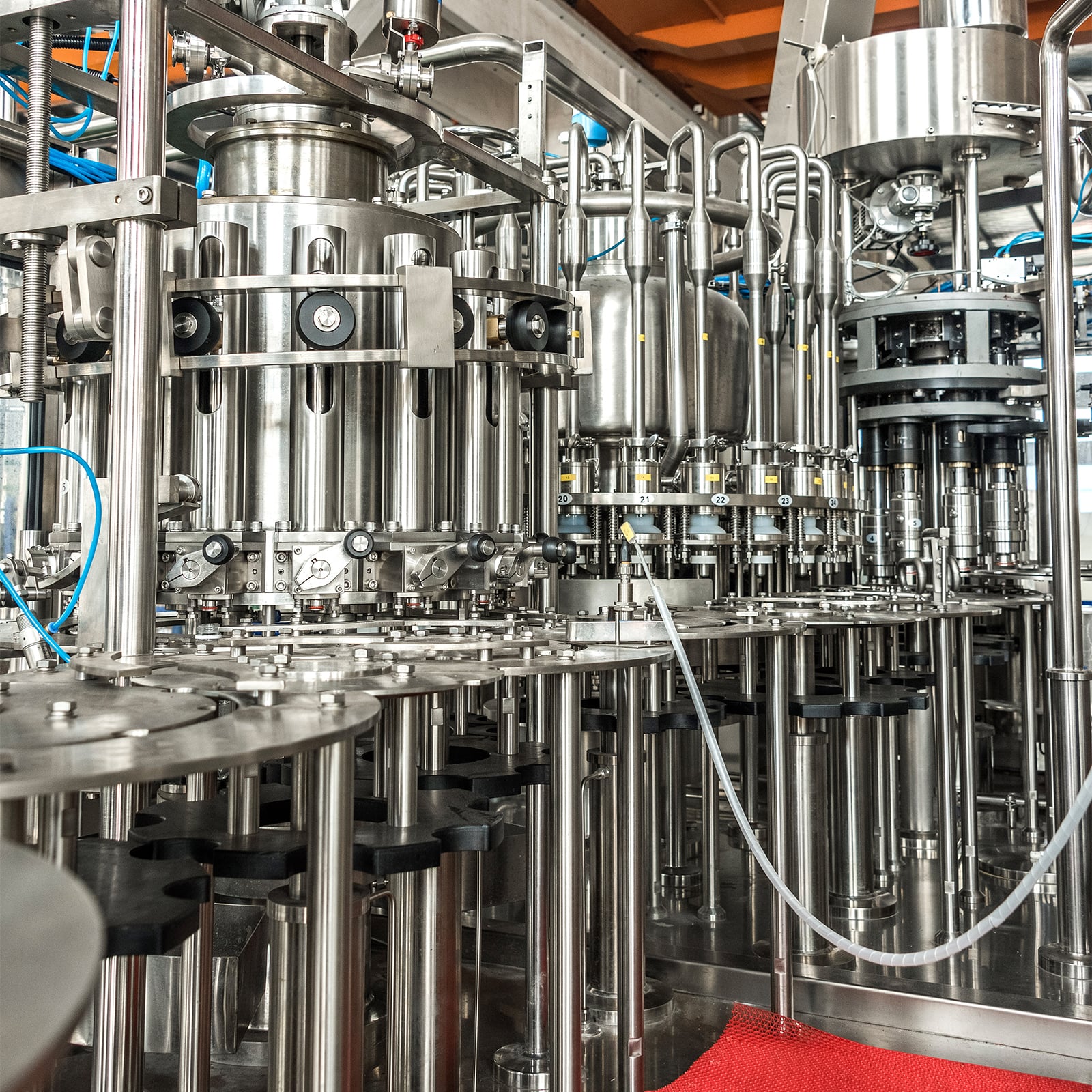
Hygienic Construction and Aseptic Design of the Juice Filling Machine
Food-grade stainless steel (SUS304/SUS316L) housing and wetted parts for corrosion resistance and microbial control
Most juice filling equipment relies on either SUS304 or SUS316L stainless steel for parts that touch the product itself. These materials get chosen because they stand up well against corrosion, don't react with what they're holding, and have been shown to handle acidic conditions without breaking down. The metal's low porosity means it doesn't absorb stuff easily, while the chromium layer forms a protective shield that stops bacteria from sticking around. This setup prevents flavors from getting altered by metal taste transfer and keeps everything compliant with those important FDA standards plus the European regulation EC 1935/2004. Manufacturers care about this because nobody wants their orange juice tasting like steel after sitting in a tank overnight.
Zero-dead-leg geometry, smooth welds, and self-draining surfaces to eliminate bacterial harborage
Good hygienic design gets rid of those pesky stagnation points by using piping with no dead legs, joints that are orbital welded together, and curved sections where the radius stays below 1.5 degrees. When we also make sure there's at least a 3 degree slope on every surface that comes into contact with liquids, it means everything drains completely during cleaning processes. No standing water left behind to become a breeding ground for bacteria. And then there's the mirror finish polishing job too. We're talking surface roughness below 0.8 micrometers Ra here. This smoothness really makes a difference when it comes to microbes trying to stick around. Tests have shown these surfaces cut down bacterial colonies by nearly 99.7% compared to regular finishes. That kind of reduction is huge for maintaining clean production environments.
Precision Automation and Real-Time Control in the Juice Filling Machine
Advanced automation reduces contamination risk while delivering ±0.3% fill accuracy and audit-ready hygiene compliance at scale. Servo-driven fillers and vision-guided capping systems replace manual interventions, enabling consistent, high-speed operation up to 15,000 bottles/hour without compromising food safety.
Reduced human intervention: how servo-driven fillers and vision-guided capping minimize contamination risk
Servo motors position nozzles with micron-level repeatability—preventing splashing, overflow, and surface wetting that foster microbial growth. Simultaneously, AI-powered vision systems inspect caps for alignment, torque, and defects before contactless placement. Together, these systems cut human touchpoints by 90%, directly mitigating the most common source of post-pasteurization contamination.
Integrated sensors and closed-loop feedback for ±0.3% fill accuracy and continuous hygiene compliance logging
The multi point sensors take measurements of fill volume at intervals of about half a second, sending live information to the PLC systems which automatically fix any issues when they go outside the acceptable range of plus or minus 0.3 percent. At the same time, separate devices monitor pressure levels and temperatures during cleaning cycles, keeping track of more than fifty important factors each workday including things like how fast liquids are moving through pipes, how long they stay in contact with surfaces, and what concentration of chemicals is being used. This kind of continuous monitoring cuts down on wasted product by around eighteen percent while also creating detailed records that meet all the requirements set forth in FDA regulation 21 CFR Part 120 for food processing facilities.
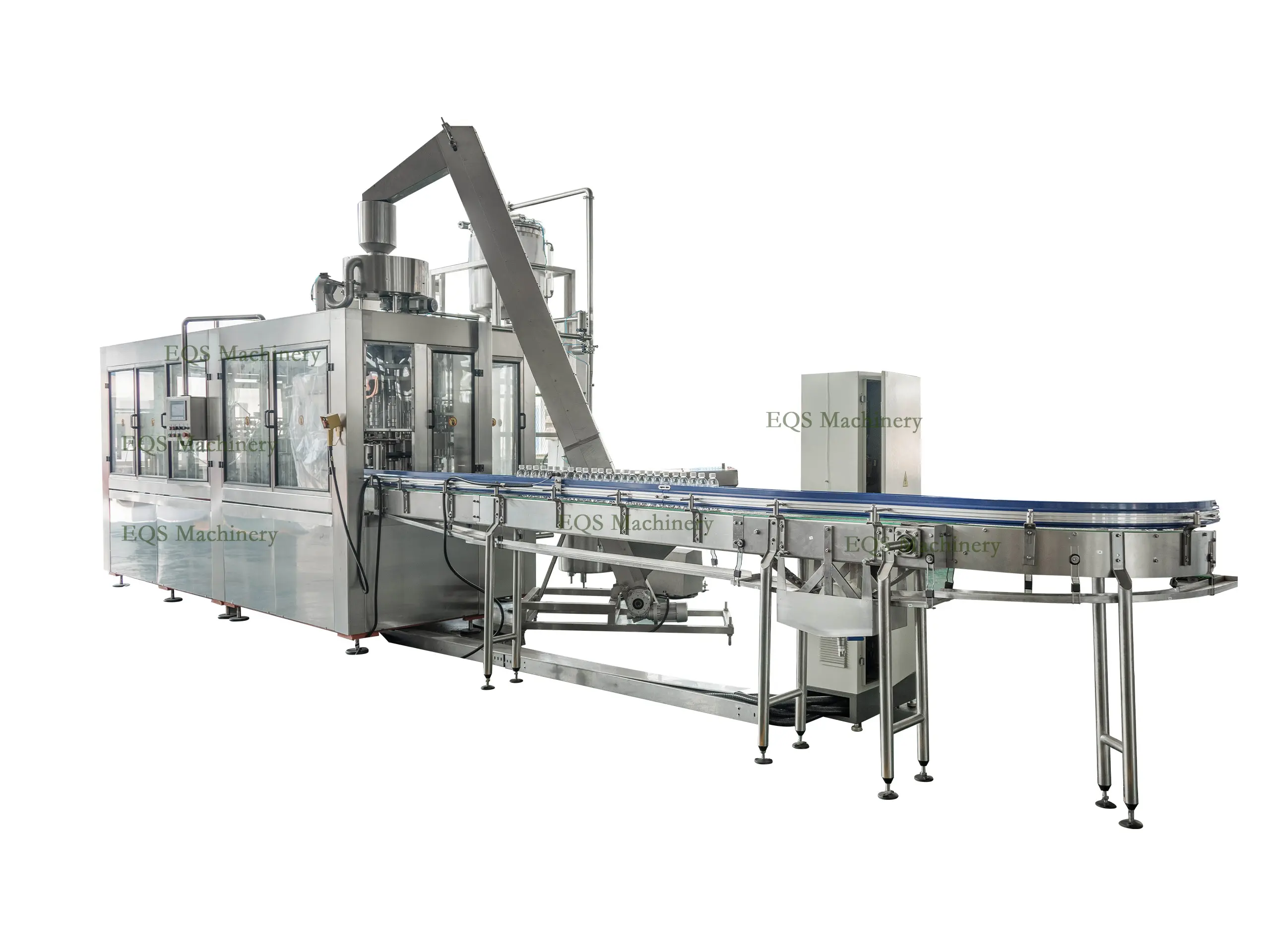
CIP Integration and Sanitation Efficiency for High-Output Juice Production
Seamless CIP compatibility: programmable cycles, flow/temperature monitoring, and validation-ready reporting
CIP systems that are fully integrated get rid of the need for hands-on dismantling and those hit-or-miss cleaning methods. They run through validated cycles again and again inside their sealed construction: first rinse, then detergent flow, another quick rinse step, and finally proper sanitization. The system has built-in sensors that keep an eye on things like how fast fluids move, what concentration of chemicals is present, temperature levels, and how long each stage lasts. These readings help make sure everything meets the hygiene standards required in the industry. When it comes to paperwork, these systems create digital records automatically. These include time stamps, graphs showing parameters over time, and simple yes/no indicators about whether each step worked. This cuts down on documentation work by roughly three quarters while also saving about a third on water and chemicals compared to traditional methods. With surfaces staying completely free of residue between production runs, there's no risk of contamination carrying over from one batch to the next, which means juice producers can maintain steady output without worrying about quality issues.
FAQ Section
How does precision automation benefit juice filling?
Precision automation reduces human intervention, minimizes contamination risks, and ensures fill accuracy up to ±0.3% at high speeds.
What cleaning methods are used in juice production?
Juice production uses seamless CIP (Cleaning-in-Place) systems, which include programmable cycles, flow/temperature monitoring, and validation-ready reporting.
What materials are used for juice filling machine parts?
Juice filling machines typically use food-grade stainless steel like SUS304 or SUS316L for parts that come in contact with the product.