 EN
EN


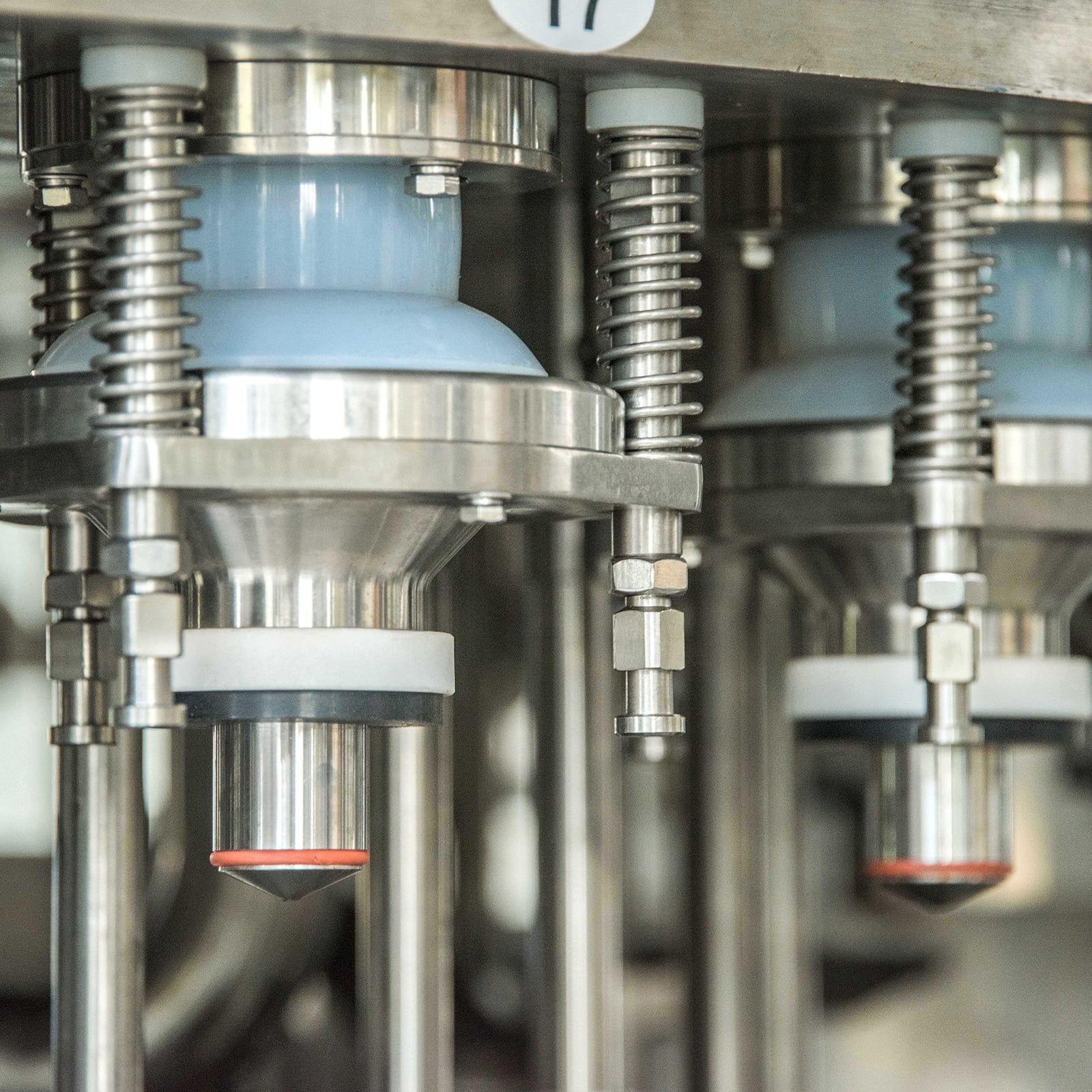
Aseptic Cold-Fill Technology: Preserving Volatile Aromas and Nutrients About juice filling machine
Sterilization without heat: How aseptic systems eliminate microbes while retaining flavor compounds
Today's juice makers depend heavily on what's called aseptic cold-fill tech to keep things safe without sacrificing taste. The process starts with heating the juice to those super high temps between 195 and 295 degrees Fahrenheit for just a few seconds before cooling it down fast. While all that's happening, the bottles themselves get cleaned up separately either with hydrogen peroxide vapor or good old fashioned steam. Once everything's nice and sterile, they pour the juice into those containers right inside these special cleanrooms rated at ISO Class 5 standards. What makes this method so good? Well, it keeps the juice from sitting in heat too long which would otherwise break down those delicate flavor compounds. Citrus smells stay strong thanks to preserved terpenes, and even sensitive nutrients like vitamin C hang on to about 90% of their power compared to when juice gets filled hot. The result? A product that tastes closer to freshly squeezed juice but still lasts on store shelves without needing refrigeration.
Cold-fill vs. hot-fill trade-offs: Flavor fidelity, shelf life, and juice type suitability
Juice manufacturers face critical process selection decisions with significant quality implications:
| Factor | Hot-Fill Process | Aseptic Cold-Fill Process |
|---|---|---|
| Flavor Fidelity | Cooked notes from prolonged heating | Fresh-tasting, preserves volatiles |
| Nutrient Retention | 50% vitamin C retention | 90% nutrient preservation |
| Shelf Life | 6 months (requires robust packaging) | 12+ months (lighter packaging) |
| Optimal Juice Types | Acidic, pulp-stable varieties | Delicate juices (citrus, tropical) |
When using hot fill systems, juice gets heated to around 185 degrees Fahrenheit prior to being packaged. This process kills bacteria in both the liquid and containers, but it comes with drawbacks too. Many people notice that the taste suffers after this treatment, along with some loss of nutrients. These systems work well for companies focused on keeping expenses low when making stable products such as apple juice or tomato juice blends. Cold filling is better suited for delicate ingredients though. Citrus oils stay fresh tasting, tropical flavors don't develop that cooked smell everyone hates, and pulp stays suspended properly in the drink rather than settling at the bottom. While upfront costs for cold fill equipment run higher initially, manufacturers save money long term since they can use thinner packaging materials which cuts down on material expenses by roughly 30 percent. Plus there's no need for special refrigeration during shipping. Choosing between these methods really boils down to how long the product needs to last on store shelves, what kind of juice we're talking about, and where the brand wants to position itself within today's crowded beverage market landscape.
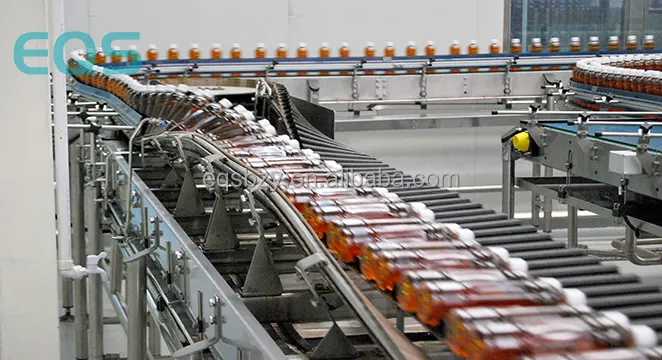
Precision Filling and Oxidation Control: Maintaining Color, Taste, and Stability
Micro-accurate dosing and pulp suspension management for consistent flavor delivery
Today's juice filling equipment can hit pretty close to spot on with their measurements, usually within about half a percent variation, which means every bottle tastes just right. These machines rely on fancy flow meters and weight sensors to get the right amount in each container, plus they have these adjustable mixers that keep the pulp evenly distributed throughout. When the pulp isn't mixed properly, something weird happens where the first glass poured tastes watered down, but then the next ones end up way too strong. The system actually watches what's happening as it goes along and tweaks things based on how thick different fruits need to be. For oranges we're looking at around 7 to maybe 12 percent pulp content, whereas mangoes typically need between 15 and 20 percent. Getting this right stops stuff from settling at the bottom, which would ruin both how the juice feels in the mouth and also mess with the actual nutrients people are getting from drinking it.
| Control Parameter | Impact on Flavor | Tolerance Range |
|---|---|---|
| Fill Volume | Sweetness/acid balance | ±5ml per 500ml |
| Pulp Distribution | Mouthfeel consistency | 3% separation |
| Agitation Speed | Fiber integrity | 20–45 RPM |
Inert gas flushing and hermetic sealing to prevent oxidation and browning
When nitrogen is flushed into bottles prior to filling, it pushes out the oxygen inside. This matters a lot since even half a percent oxygen left behind can destroy vitamin C content and ruin the taste of citrus drinks after about a month on shelves. Modern packaging equipment typically works in two stages injecting inert gases both before and after filling processes to get oxygen levels down below 0.1%. Such low oxygen environments stop those brown spots from forming on fruits because they basically shut down the enzymes that cause browning, something proven through studies in the Journal of Food Science last year. When paired with good sealing techniques, this whole process adds roughly 70% more time before products go bad, all while keeping those aromatic compounds intact that make fresh juice smell so appealing. Top manufacturers are starting to equip their lines with laser technology that checks seal quality instantly, ensuring no air gets back in once everything's sealed up tight.
Sanitary Engineering: Stainless Steel Construction and Automated CIP for Flavor-Purity Assurance
Premium juice filling machines absolutely need to be made from food grade stainless steel. The material resists corrosion and has those smooth, seamless surfaces that stop bacteria from sticking and preventing residue buildup. These are really important defenses against contamination that can mess with how the juice tastes. Machines with sloped frames and thoughtfully designed components also help cut down on hard to reach areas during cleaning. Automated Clean-in-Place systems are just as crucial. These run tested cleaning cycles at specific temperatures with measured chemicals and proper water flow rates. No need to take apart parts manually anymore, so there's less chance for mistakes. According to research published in Food Safety Magazine back in 2022, facilities using this kind of sanitation tech saw their microcontamination problems drop by almost 80%. All these elements work together to maintain consistent quality throughout the entire process from when the juice goes in until it gets sealed up ready for sale.
End-to-End Freshness Integration: How the Juice Filling Machine Coordinates with Packaging and QA Systems
Seamless integration with capping, labeling, and inline sensors for real-time freshness validation
Today's juice filling machines work hand in hand with capping units, label applicators, and QA systems to create a strong line of defense against what makes juice lose its freshness over time. The capping happens right after filling because we really need to keep oxygen out. Just a short exposure can ruin flavors fast — studies show this affects about three quarters of all juice types, as reported in Food Chemistry last year. These machines have built-in sensors that watch for things like oxygen levels, cloudiness, and whether caps are properly sealed. When something looks off, they simply toss those bottles aside. The whole system adjusts itself on the fly too. Take apple juice for instance: when it detects higher oxygen levels, the machine pumps in more nitrogen before sealing. This setup cuts down quality problems after packaging by around 30% and gives products longer shelf life. What's great about this integration is how it removes the need for people to handle each bottle manually, making sure every single container hits our freshness standards. A good juice filling machine isn't just about speed anymore; it actually preserves that delicious taste all the way from factory floor to customer fridge.
FAQs
What is the main advantage of aseptic cold-fill technology?
Aseptic cold-fill technology primarily preserves delicate flavor compounds and nutrients such as vitamin C, offering juice that tastes closer to freshly squeezed while extending shelf life without refrigeration.
How does inert gas flushing prevent oxidation in juice products?
Inert gas flushing, typically with nitrogen, removes oxygen from bottles, preventing oxidation that can degrade vitamin C and flavors in juice, significantly extending shelf life.
Why is stainless steel construction crucial for juice filling machines?
Stainless steel resists corrosion and provides seamless surfaces that reduce bacterial contamination, ensuring the flavor purity and quality of the juice throughout the filling process.
Table of Contents
- Aseptic Cold-Fill Technology: Preserving Volatile Aromas and Nutrients About juice filling machine
- Precision Filling and Oxidation Control: Maintaining Color, Taste, and Stability
- Sanitary Engineering: Stainless Steel Construction and Automated CIP for Flavor-Purity Assurance
- End-to-End Freshness Integration: How the Juice Filling Machine Coordinates with Packaging and QA Systems
- FAQs