 EN
EN


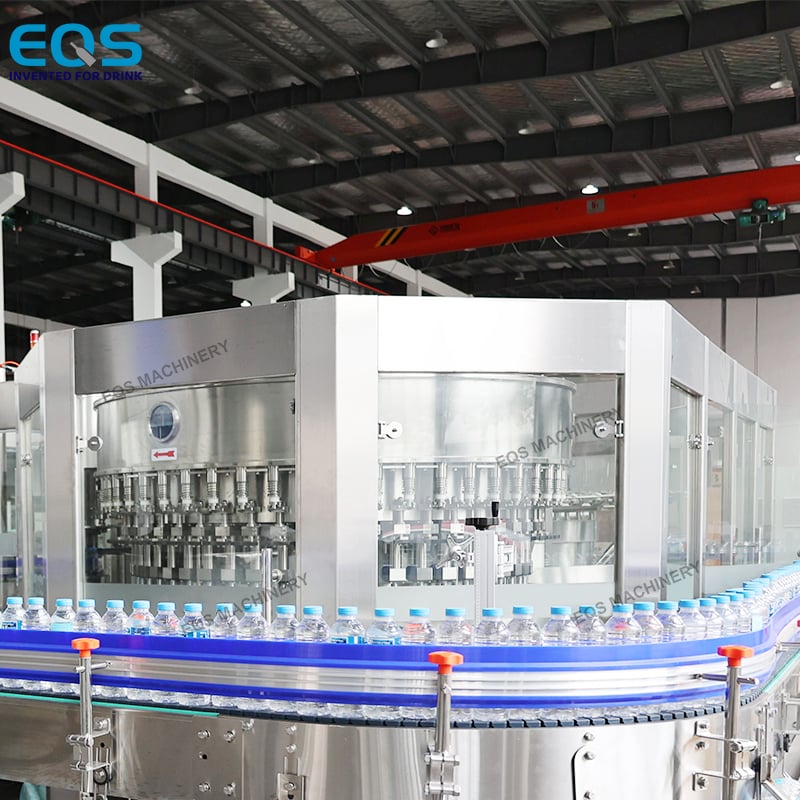
High-Precision Anti-Foaming Design for Water Filling Machine Fill Quality
How high-precision anti-foaming technology ensures filling accuracy and precision
Water filling machines today get pretty accurate fills thanks to those fancy anti-foam systems that cut down on all that messy turbulence when pouring liquids. Foam happens a lot because air gets mixed in, but these machines stop that from happening so every bottle ends up with just the right amount. The companies save money this way since there's no wasted product going over the top or shortchanging customers. Plus it keeps them within regulations while still making good business sense for their bottom line.
Role of filling nozzles and valves in minimizing turbulence and foam formation
When it comes to cutting down on foam, engineered nozzles and those fancy precision valves really make all the difference. Take sub surface filling nozzles for instance they work by pouring water right beneath the surface of whatever liquid is in there, which cuts way back on those pesky bubbles forming. Combine these with good quality valves that keep an eye on how fast things flow and stop any abrupt changes in pressure, and suddenly we're talking about a system that keeps everything flowing smoothly without creating turbulence. Even when running at top speed, this setup manages to eliminate most of that annoying foam caused by rough dynamics.
Real-time monitoring and adjustments to maintain consistent fill levels
Integrated sensors continuously monitor fill levels, detecting minor deviations and triggering automatic micro-adjustments. Using load cell verification and electromagnetic flow meters, these systems maintain fill variance below 0.5ml, ensuring adherence to strict quality standards while operating at speeds exceeding 600 containers per minute.
Case study: Improved fill consistency in bottled water lines using multi-head automatic filling systems
One major beverage company recently installed new multi-head filling systems on their bottled water production lines, complete with advanced anti-foaming tech. After implementation, they saw around 40 percent less variation in fill volumes and almost completely got rid of those pesky foam problems that used to plague operations. These systems kept fill accuracy within plus or minus 0.25 percent even when running at full speed through 800 bottles every minute. The improvements slashed wasted product and saved roughly forty thousand dollars each year on overfilling expenses across individual production lines. For this manufacturer, better fill consistency translated into real money savings without compromising quality standards.
Smart Automation with PLC Control and IoT-Enabled Predictive Maintenance
Integration of PLC control systems synchronizing the entire production line
Programmable Logic Controller (PLC) systems act as the central nervous system of modern water filling machines, orchestrating operations from conveyance to capping with millisecond precision. These industrial controllers ensure seamless coordination between filling valves, conveyors, and sterilization units, eliminating bottlenecks and enabling continuous, high-speed production with consistent output quality.
User-friendly touch screen interface for automated calibration and operation
Intuitive human-machine interfaces (HMIs) with responsive touch screens simplify machine operation and calibration. Operators can adjust parameters, monitor real-time metrics, and initiate cleaning cycles via graphical menus requiring minimal training. Visual feedback on status and alerts enables rapid troubleshooting, reducing setup times by up to 70% compared to manual methods.
IoT-enabled monitoring for real-time performance tracking
When filling machines get connected through IoT technology, they become smart devices capable of sending all sorts of operational information to the cloud. We're talking about things like how fast liquids are flowing, what pressure levels exist inside the system, temperature readings from various points, and even how efficiently motors are running. All this data flows continuously, which makes it possible for plant managers to monitor Overall Equipment Effectiveness (OEE) in real time. With these insights at their fingertips, supervisors can spot problems before they become major issues and keep everything running smoothly without having to wait for those scheduled weekly inspections that everyone hates but nobody skips.
Predictive maintenance powered by data analytics to reduce unplanned downtime
Analytics tools look at sensor data like vibrations and heat patterns to figure out when parts are starting to wear down, so maintenance can happen before something breaks completely. Plants that have switched to this kind of predictive maintenance see around half as many surprise breakdowns compared to old fashioned methods. Maintenance costs drop by roughly 30% too according to industry reports. The big advantage here is that machines get serviced based on real world usage rather than arbitrary calendar dates. This means less downtime for operations and longer life from expensive equipment overall.
Balancing automation complexity with operator training and ROI benefits
Smart automation definitely boosts efficiency quite a bit, but getting the most out of it means operators need proper training first. The good news is that many factories actually recoup their automation expenses pretty quickly, usually somewhere between a year and a year and a half. This happens mainly because they need fewer workers on the floor, produce less waste material, and can push products through faster than before. When picking automation systems though, it makes sense to go with ones that can grow alongside the business rather than overcomplicating things right from the start. A lot of manufacturers find that starting small and expanding as demand increases works best for their particular situation.
Food-Safety Compliant Hygiene Engineering in Water Filling Machine Design
Robust construction using stainless steel materials for maximum hygiene
Water filling machines are built with 304 or 316-grade stainless steel for superior corrosion resistance and microbial control. The non-porous, polished surfaces (typically Ra 0.8 μm) prevent bacterial adhesion and support repeated sanitation cycles, aligning with EHEDG Guideline 8 for hygienic design and ensuring safe contact with potable water.
Easy cleaning and maintenance to prevent microbial contamination
Modern designs feature quick-disconnect components and Clean-in-Place (CIP) systems that enable thorough sanitation without disassembly. Smooth radius corners, minimized dead zones, and self-draining slopes prevent residue buildup and ensure complete fluid evacuation, reducing cleaning time by up to 40% and eliminating biofilm risks between runs.
Compliance with international food safety regulations (FDA, EHEDG)
Equipment at the forefront of industry standards complies with FDA 21 CFR 177 regulations for materials that come into contact with food products, plus it holds EHEDG certification which focuses specifically on hygienic engineering principles. The standards themselves demand pretty strict guidelines when choosing materials, finishing surfaces properly, and ensuring designs don't create hidden spots where contaminants can hide. Research indicates that facilities using equipment meeting these specs tend to see around 70-75% fewer issues with microbes showing up during routine checks. This makes a real difference in day-to-day operations because nobody wants to deal with shutdowns or recalls due to contamination problems.
Maximizing Water Filling Machine Efficiency with Multi-Head Filling Systems
Multi-head automatic water filling machines for increased output and speed
Multi-head systems dramatically increase throughput by operating multiple filling stations in parallel. A modern 24-head rotary filler can process hundreds of bottles per minute while maintaining precise volumes, delivering high-volume capability without expanding footprint–ideal for large-scale water bottling operations.
Achieving high efficiency with minimal manual intervention
PLC-controlled multi-head systems operate with minimal human input. Automated changeover adjusts for different bottle sizes, while self-diagnostics and cleaning cycles reduce downtime. This integration sustains fill accuracy above 99.5%, according to industry performance data, while lowering labor costs and error rates.
Case study: Improved output with advanced multi-head filling technology
A large bottled water company saw their production jump by around 40% after putting in place a new 24-head rotary filler system. They also managed to cut down on energy costs by about 18% because they upgraded their motor controls. The installation included some pretty advanced sensors that kept fill levels within just 1mm of each other across all those heads, which basically stopped them from giving away extra product. Something else worth noting is that when it came time to clean everything, they used 25% less water overall since they had built recycling right into the process. These kinds of improvements show just how much better today's equipment can be at boosting production while still being kinder to the environment.
Energy and water conservation technologies reducing environmental impact
Energy-efficient variable frequency drives adjust motor power based on demand, reducing electricity use by up to 30%. Closed-loop water recycling captures and filters rinse water for reuse, cutting overall consumption by around 40%, as reported in sustainable manufacturing studies. These features make multi-head systems not only efficient but also environmentally responsible.
Water Filling Machine Support for Flexible Bottle Size & Shape Handling
Adaptive water filling machine systems enabling quick changeovers between containers
Modern packaging lines come with PLCs storing all those container settings, so switching formats takes just a few minutes instead of hours. The systems have adjustable conveyors that can move different sized products along, plus modular nozzles that spray exactly where needed for various bottle shapes. And there's automatic height adjustment too, which works great whether dealing with small 500ml PET bottles or large 5 gallon jugs. Getting rid of those old mechanical parts during changeovers cuts down on downtime around 70% according to industry reports. That kind of time saving really helps manufacturers keep up when customer needs suddenly shift in the market place.
Precision filling across varied geometries without sacrificing speed
Fill heads powered by servos can hit around 1mm precision when dealing with all sorts of container shapes, whether they're regular round cans or weird irregular forms that manufacturers throw at them. The system uses those fancy non-contact sensors along with flow meters to adjust on the fly whenever there's a change in shape geometry, so every bottle gets filled properly regardless of what it looks like. And despite all this adjustment capability, these machines still crank out containers at impressive rates, sometimes hitting as many as 2000 units per hour. What this shows is that modern filling tech isn't stuck choosing between being fast or accurate anymore; companies get both benefits without having to compromise one for the other.
FAQ
What is anti-foaming technology?
Anti-foaming technology involves mechanisms and systems designed to minimize foam formation during the filling process, enhancing precision and preventing product waste.
How do PLC systems benefit water filling machines?
PLC systems coordinate operations with precision, ensuring smooth and efficient production lines, reducing bottlenecks, and optimizing speed and quality consistency.
What is Clean-in-Place (CIP) system?
CIP systems allow thorough internal cleaning of machinery without disassembly, streamlining sanitation processes and preventing microbial contamination.
Why is stainless steel used in filling machines?
Stainless steel offers excellent corrosion resistance and microbial control, providing durable and hygienic construction for contact with potable water.
How do multi-head systems improve production efficiency?
Multi-head systems enable simultaneous filling operations at multiple stations, increasing throughput without expanding footprint, ideal for high-volume productions.
Table of Contents
-
High-Precision Anti-Foaming Design for Water Filling Machine Fill Quality
- How high-precision anti-foaming technology ensures filling accuracy and precision
- Role of filling nozzles and valves in minimizing turbulence and foam formation
- Real-time monitoring and adjustments to maintain consistent fill levels
- Case study: Improved fill consistency in bottled water lines using multi-head automatic filling systems
-
Smart Automation with PLC Control and IoT-Enabled Predictive Maintenance
- Integration of PLC control systems synchronizing the entire production line
- User-friendly touch screen interface for automated calibration and operation
- IoT-enabled monitoring for real-time performance tracking
- Predictive maintenance powered by data analytics to reduce unplanned downtime
- Balancing automation complexity with operator training and ROI benefits
- Food-Safety Compliant Hygiene Engineering in Water Filling Machine Design
- Maximizing Water Filling Machine Efficiency with Multi-Head Filling Systems
-
Water Filling Machine Support for Flexible Bottle Size & Shape Handling
- Adaptive water filling machine systems enabling quick changeovers between containers
- Precision filling across varied geometries without sacrificing speed
- FAQ
- What is anti-foaming technology?
- How do PLC systems benefit water filling machines?
- What is Clean-in-Place (CIP) system?
- Why is stainless steel used in filling machines?
- How do multi-head systems improve production efficiency?