 EN
EN


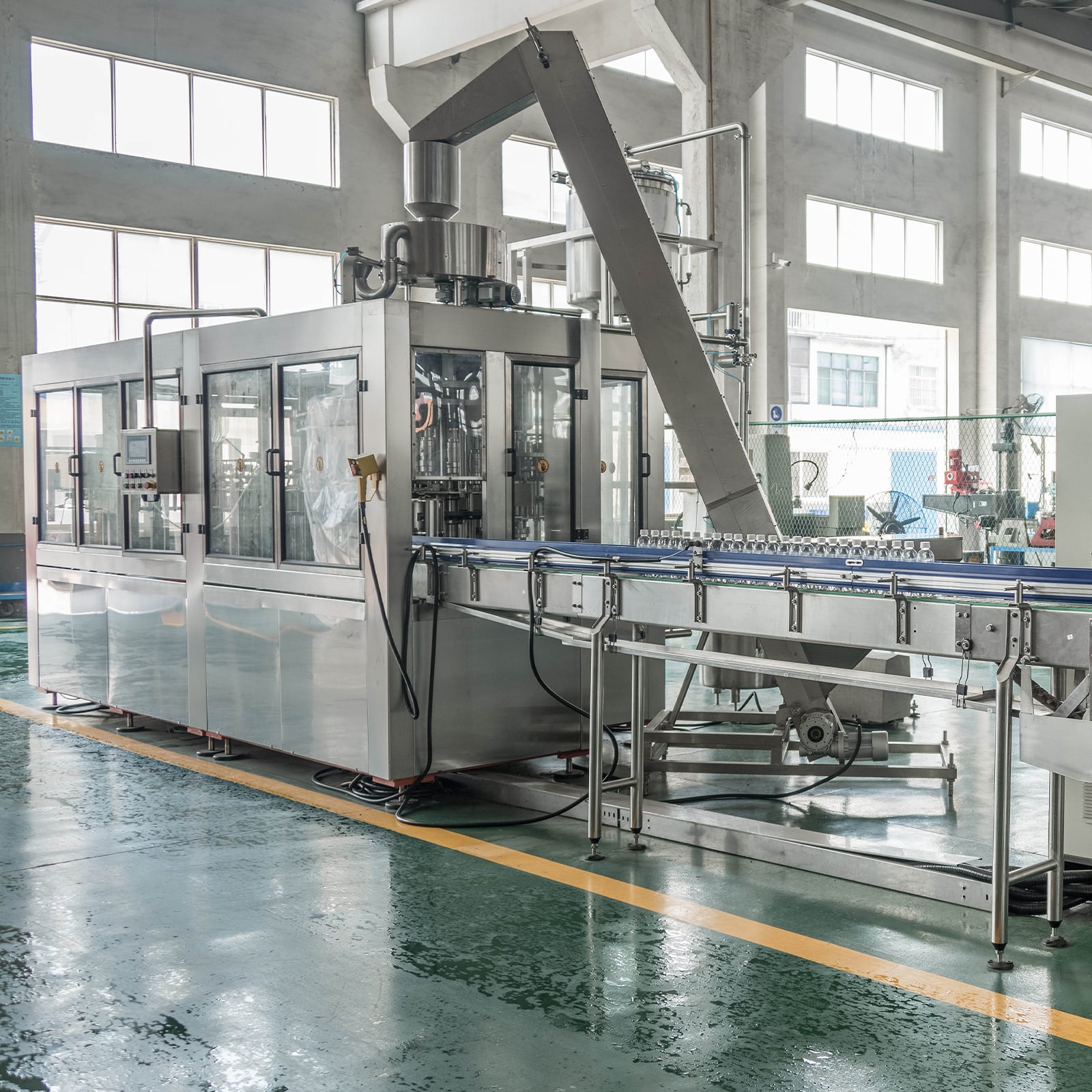
Why Modern Juice Filling Machines Demand Smart Automation
Bridging the productivity gap: How legacy juice filling machines lose 12–18% annual throughput
Real-time OEE monitoring via IoT: Cutting unplanned downtime by up to 35%
Juice filling machines equipped with IoT technology give manufacturers a whole new level of insight into their operations thanks to real time OEE monitoring. These systems come with vibration sensors that can spot potential bearing problems up to three days before they actually fail, and pressure sensors catch signs of worn seals right in the middle of production runs. All this information flows into central dashboards where maintenance crews can tackle problems when there's actually time to fix them, not during those stressful mid-shift emergencies. A major beverage company saw their unexpected shutdowns drop by nearly 30% after installing these smart systems over half a year ago. That matches what most industry reports show about automated solutions reducing unplanned downtime somewhere between 25% and 35%. And machine learning takes things even further by looking at past performance data to suggest just the right filler speed settings based on different juice thicknesses and bottle types.
Precision & Flexibility: Matching Juice Viscosity and Packaging Diversity
Gravity vs. Servo-Piston Fillers: Optimizing Accuracy for Juice at 8,000–12,000 BPM
For thin liquids such as apple or orange juice, gravity fillers tend to be the most economical choice. However, they struggle with thicker products due to their inherent limitations with viscosity. Servo-piston filling systems tell a different story though. These advanced machines can maintain around half a percent accuracy in volume measurements, which is pretty impressive considering they handle thick, pulpy juices like mango nectar at speeds reaching 12,000 bottles every minute. What's really interesting is how well they manage particulates without compromising speed or quality. Another major advantage worth mentioning is that piston based systems completely avoid introducing air into the product during filling. This not only preserves the integrity of the beverage but also cuts down on wasted material compared to traditional gravity methods by approximately 18%, according to industry data.
| Filler Type | Ideal Viscosity | Speed Range | Key Benefit |
|---|---|---|---|
| Gravity Filler | Low (water-like) | ≤8,000 BPM | Lower upfront cost |
| Servo-Piston Filler | Medium to High | 8,000–12,000 BPM | Precision with pulpy textures |
Modular Design for SKU Agility: One Smart Automatic Juice Filling Machine Handling PET, Glass, Pouch, and Carton Formats
Today's juice filling machines come equipped with tool free changeovers that let them switch between different packaging formats in just around 15 minutes flat. These systems work on one main platform where operators can swap out nozzles and adjust conveyors as needed. They handle everything from PET bottles to glass jars, flexible pouches and even cardboard cartons, which cuts down on having multiple machines sitting idle. The real benefit? Brands can quickly introduce new products for specific seasons or regions without stopping production lines altogether. According to factory reports, these modular setups typically reduce changeover expenses by about 35 percent while still meeting all the necessary hygiene standards required in food processing facilities.
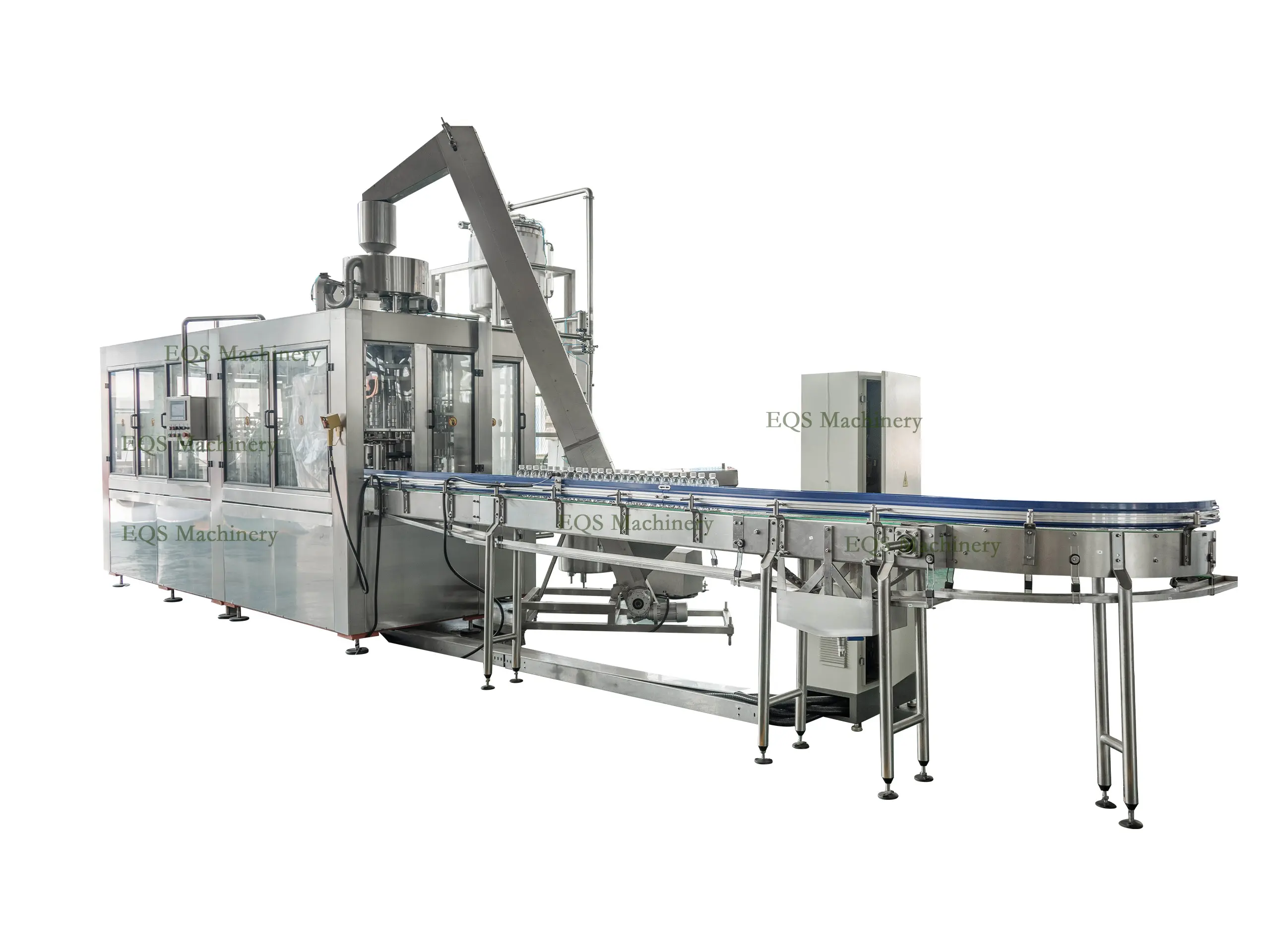
Ensuring Food-Safe Operations: Predictive Maintenance and Automated CIP
AI-driven predictive maintenance meeting FDA hygiene standards and reducing microbial risk by 92%
Modern juice filling machines now come equipped with smart AI systems that keep an eye on how everything is running. These systems spot small problems early on, like when temperatures start acting up or seals begin to wear down before anything actually breaks. The benefit here goes way beyond just keeping things running smoothly it helps meet those strict FDA cleanliness standards by stopping possible sources of contamination right at the source. Pair this monitoring with automatic Clean-in-Place systems that adjust their cleaning routines based on what they sense from leftover residues, and we see something pretty impressive happening. Microbial risks drop around 90 percent give or take, and machines last twice as long as they used to. This combination really matters because it closes those annoying gaps where people might miss spots during manual cleaning especially important when switches back and forth between tangy citrus drinks and thick fruit nectars. For quality control, there are sensors built into the system that check Time, Action, Concentration and Temperature throughout each cleaning cycle. If these numbers go outside acceptable ranges even slightly over half a percent, the whole process stops automatically until someone checks what's going on.
Scalable ROI: From Craft Batch Runs to High-Volume Juice Manufacturing
Juice makers looking for good returns need equipment that keeps pace with changing production demands. Modular filling systems let them switch effortlessly between small batch runs and full scale manufacturing without tearing everything apart and starting over. The real advantage here is avoiding those huge initial costs because they can just add capacity bit by bit as their market grows. Companies can pivot from making limited edition seasonal products to running nonstop high volume operations while still keeping those fill levels spot on. When demand drops off, there's no wasted money sitting around on unused machinery. And when business picks up again, they're ready to capitalize right away. Investing smartly in this kind of flexible setup turns big ticket purchases into ongoing revenue streams instead of sunk costs, helping juice producers make money at all stages of production without sacrificing product quality or wasting resources.
FAQ
What is IoT real-time OEE monitoring?
IoT real-time OEE monitoring gives manufacturers insights into their operations by providing real-time data on the efficiency and effectiveness of their equipment. This process helps identify potential issues before they escalate, reducing downtime by 25% to 35%.
Why choose servo-piston fillers over gravity fillers?
Servo-piston fillers are preferable when dealing with thick, pulpy juices as they offer more precision and prevent air entrainment, maintaining the beverage's integrity and reducing waste.
What are the benefits of modular design in juice filling machines?
Modular designs allow machinery to switch between packaging formats quickly, facilitating the introduction of new products efficiently and reducing changeover costs up to 35%.
How does predictive maintenance benefit juice filling machines?
Predictive maintenance with AI systems helps detect early signs of wear and tear, reducing microbial risks by 92% and ensuring compliance with FDA standards while extending equipment lifespan.