 EN
EN


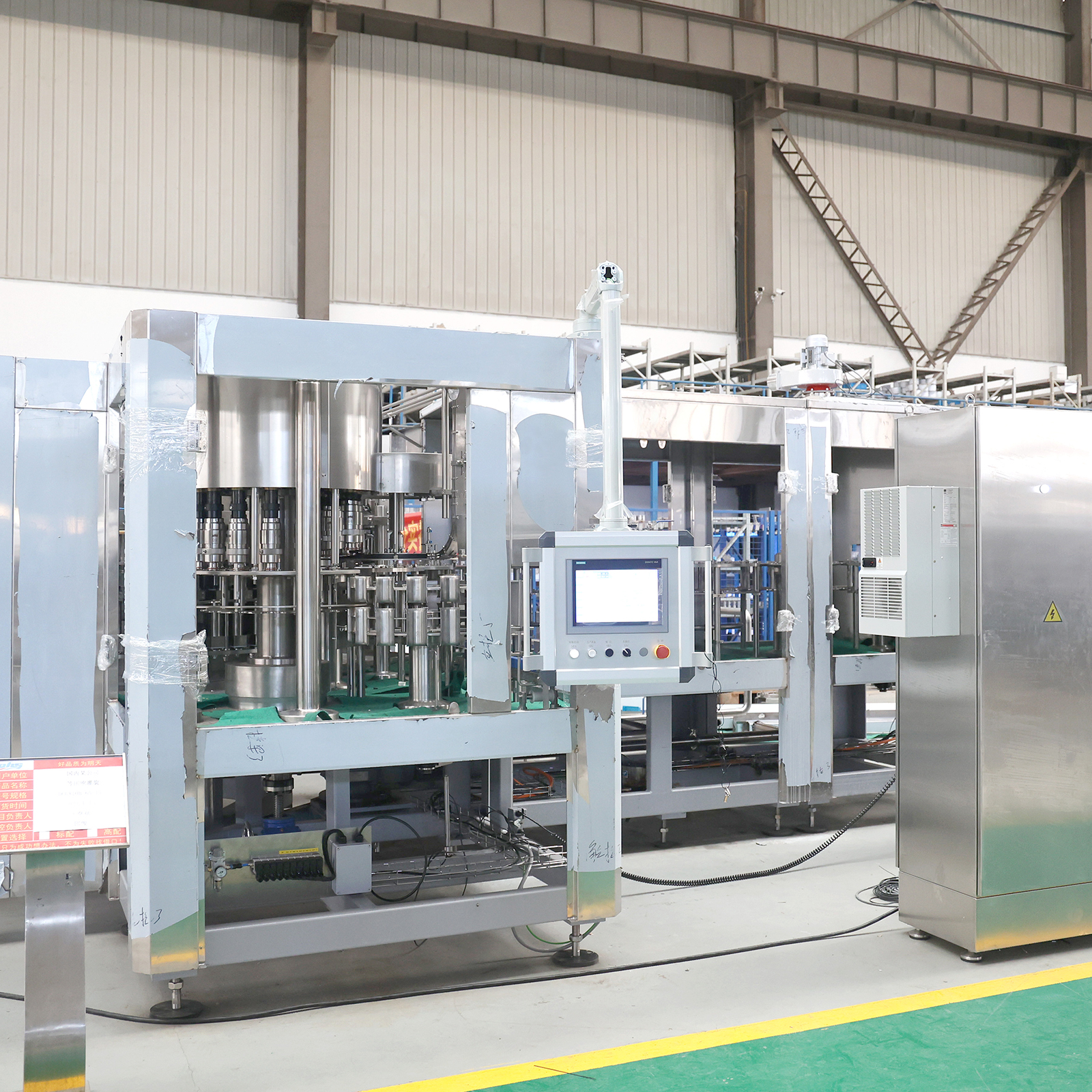
Enhanced Operational Efficiency Through Integrated Blowing Filling Capping
Elimination of Intermediate Handling and Transfer Delays
The integrated blowing filling capping systems cut out those annoying middle steps where bottles have to be moved between separate machines. This setup slashes production delays by about three quarters when compared to old fashioned methods. No more manual handling needed, no conveyors transferring bottles back and forth, no staging areas taking up space. All this means fewer bottlenecks from jams or misaligned containers, plus less product waste because containers get damaged less often. Bottles actually travel straight from being made to getting filled in less than two seconds inside a temperature controlled enclosure. This matters a lot for things like milk products and fruit juices that can spoil easily if exposed to heat fluctuations. The whole process needs far less workers on site, around 40% fewer people according to industry stats, and boosts output capacity somewhere between 25-30%. These numbers come from recent reports published by PMMI, the folks who track trends in packaging machinery.
Real-Time Process Interlock via Unified PLC and HMI Control
When a central PLC works together with a single HMI screen, it keeps all the blowing, filling and capping steps in sync using live data sharing between components. The sensors constantly check positions with about half a millimeter precision at each station. Smart software looks for tiny warning signs of wear and tear on machines, often catching problems well before they actually break down usually around 8 to 12 hours ahead of time. Something happens when the capping heads start moving slower because of inconsistent torque or when caps stop coming through properly. At that point, the whole system slows down the filling process automatically to avoid overflows and messes. This connected setup really makes switching between different products much faster cutting those changeover periods by almost two thirds. Most importantly, these systems keep running at over 85% efficiency even during fast production runs for drinks and similar products. We've seen this work in real world settings where facilities follow strict security standards like ISO/IEC 62443 requirements.
Superior Hygiene and Aseptic Integrity in Blowing Filling Capping Systems
Near-Zero Product Exposure Between Blow Molding and Filling Stages
Integrated BFC systems work differently because the containers actually move straight from the mold cavity right into the fill nozzle inside an entirely sealed space with positive pressure. There's no exposure to open air at any point in this process. The benefit? Microbial contamination drops dramatically compared to traditional setups where bottles travel through regular air, conveyor belts, and storage areas. When it comes to actual product contact during filling, everything touches only sterilized surfaces. This meets important standards like FDA 21 CFR Part 113 and ISO 13485 for handling sensitive products such as fruit juices, almond milk alternatives, and even those ready-to-drink medicine formulations that need extra protection against contaminants.
ISO Class 5 Cleanroom Integration with Sterile Cap Feeding
The best BFC systems incorporate ISO Class 5 cleanroom standards, which means they keep particle counts below 3,520 at sizes greater than or equal to 0.5 micrometers per cubic meter. They achieve this through HEPA filtered air that flows in a steady stream across key areas where contamination risks are highest. Caps enter these sterile spaces via conveyor belts treated with UV-C light and then pass through steam sterilization tunnels that have been properly validated. This process brings down biological contaminants to under one colony forming unit per cap. When it comes to sealing, the system closes containers hermetically just 0.3 seconds after filling takes place. This quick action supports proper steam-in-place cycles and works well with various materials including sterilized polypropylene, high density polyethylene, and aluminum caps. Any containers that don't meet quality standards get caught early thanks to automated leak detection systems guided by computer vision and torque checks. These faulty items get rejected before sealing happens, maintaining batch quality without needing any manual oversight from workers.
Cost, Energy, and Space Savings Enabled by Blowing Filling Capping Integration
30–40% Lower Energy Consumption vs. Standalone Machines
When comparing integrated BFC systems to separate blow, fill, and cap operations, energy savings typically range between 30% and 40%. Most of these savings come from cutting out unnecessary heating cycles. Traditional setups need to reheat bottles multiple times during production - once after they cool down following molding, then again just before filling. Integrated systems maintain consistent mold temperatures across all stages instead. Additional efficiencies come from shared components like servo motors, energy recovery through braking mechanisms, and better overall power control. All these factors mean real money saved on electricity bills while also making it easier for manufacturers to meet those ISO 50001 requirements for managing energy usage effectively.
60% Smaller Footprint – Ideal for Retrofitting Legacy Facilities
BFC technology takes up about 60 percent less room compared to traditional setups with three separate machines. This means it can fit right into older factories without needing any major changes to the building structure. With everything packed into one frame, there's less strain on things like heating, cooling, lights, and how often we need to clean the area. Plus operators find it easier to work with since they don't have to walk all over the place anymore. Getting around is simpler too because of better access points throughout the machine. And when it comes time for maintenance, these units last longer between service calls. We're talking roughly 35% longer before parts start wearing out, thanks to having fewer moving parts and components that age at similar rates across the whole system.
Production Flexibility and Format Adaptability Across Blowing Filling Capping Lines
Quick-Change Modular Tooling for PET Bottles (250 mL–2 L)
The latest BFC production lines now incorporate tool free, servo driven modular tooling systems. These allow for quick format switching on PET containers ranging from small 250 mL narrow neck bottles all the way up to large 2 liter wide mouth versions within just about 10 minutes flat. There's absolutely no need for wrenches anymore, nor does anyone have to worry about torque settings or manually aligning parts during changeover. Instead operators simply follow step by step instructions displayed on the HMI interface while built in laser measurement technology confirms everything is properly aligned. This kind of flexibility gives producers real freedom to switch back and forth between regular stock items and special edition products throughout the year without losing valuable machine operating time. As a result companies can maintain smaller inventories while still being able to respond quickly to market demands and seasonal trends in their supply chain operations.
Multi-Material Cap Compatibility (PP, HDPE, Aluminum)
Modern integrated capping systems can handle multiple closure types like polypropylene (PP), HDPE plastic, and aluminum all on one machine setup without needing any major mechanical changes. The smart torque control feature actually modifies the sealing pressure depending on what kind of cap it detects in real time through things like spectral analysis and weight checks. This helps create reliable seals whether dealing with those tricky tamper evident caps for soda bottles or the sterile crimp seals needed for medical products. According to recent findings published in the Packaging Efficiency Journal last year, these adaptable systems cut down on wasted materials during production changes by about 23%. Plus they still meet those important ASTM D3474 standards for proper torque testing requirements that many industries require.
FAQs about Integrated Blowing Filling Capping Systems
What are the main advantages of integrated blowing filling capping systems?
The main advantages include enhanced efficiency by eliminating intermediate handling and transfer delays, reduced worker requirements, increased production capacity, improved hygiene standards, significant cost savings, and flexibility in production format.
How do integrated systems ensure hygiene and aseptic integrity?
By moving containers directly from mold to fill within a sealed space and maintaining positive pressure, integrated systems greatly reduce microbial contamination risks. The addition of ISO Class 5 cleanroom standards and sterile cap feeding processes further ensure aseptic conditions.
Can these systems help in reducing energy consumption?
Yes, integrated systems can reduce energy consumption by 30-40% as they eliminate the need for multiple reheating cycles and use energy-efficient components.
What is the space-saving advantage of these systems?
Integrated systems have a 60% smaller footprint compared to traditional separate machines, making them ideal for retrofitting legacy facilities without major structural changes.
Are integrated systems adaptable for different bottle sizes and materials?
Yes, integrated systems feature quick-change modular tooling for PET bottles and are compatible with different cap materials like polypropylene, HDPE, and aluminum, offering format adaptability.
Table of Contents
- Enhanced Operational Efficiency Through Integrated Blowing Filling Capping
- Superior Hygiene and Aseptic Integrity in Blowing Filling Capping Systems
- Cost, Energy, and Space Savings Enabled by Blowing Filling Capping Integration
- Production Flexibility and Format Adaptability Across Blowing Filling Capping Lines
-
FAQs about Integrated Blowing Filling Capping Systems
- What are the main advantages of integrated blowing filling capping systems?
- How do integrated systems ensure hygiene and aseptic integrity?
- Can these systems help in reducing energy consumption?
- What is the space-saving advantage of these systems?
- Are integrated systems adaptable for different bottle sizes and materials?