 EN
EN


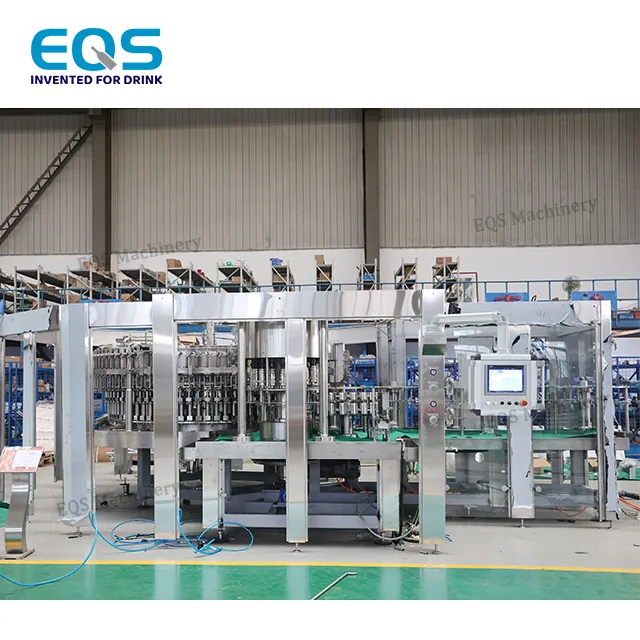
How Servo Control Unifies Blowing Filling Capping in a Single Monobloc System
Monobloc Architecture: Synchronized Motion Control Across All Three Functions
Integrated packaging systems today combine blowing, filling, and capping operations into one big machine instead of having separate units that need to be moved between. The whole process runs on servo motors which control each step so everything works together smoothly. When containers form, get filled, and then sealed all in sequence, there's much less chance for mistakes during handling. Products spend less time exposed to outside conditions too, which helps keep them fresh and intact throughout production. Manufacturers find these combined systems particularly valuable because they cut down on wasted materials and maintain quality standards across batches.
When systems stay synchronized, they actually reduce both material waste and energy consumption at the same time, plus they can quickly adjust to different container sizes without needing any mechanical changes. The big names in manufacturing are seeing around 40% better throughput compared to older segmented production lines. How? Because everything flows together so smoothly. Picture this scenario: one container gets formed, another gets filled right after, then comes the capping process for a third all happening at once. This kind of coordination means machines get used more efficiently, takes up less floor space overall, and makes fixing problems or doing regular maintenance much easier for plant managers dealing with day to day operations.
Real-Time Torque, Speed, and Position Feedback for Consistent Blowing, Filling, and Capping Performance
Servo systems continuously monitor torque, rotational speed, and position—delivering real-time feedback that enables immediate, millisecond-level adjustments during operation. For example, piston speed is dynamically regulated to maintain filling accuracy across viscosity shifts, while capping torque is precisely controlled to prevent under- or over-tightening.
Closed loop feedback systems work by spotting when materials change their behavior, like when something gets thicker or thinner, or when conditions around the machine shift slightly. This helps keep containers looking the same, maintains proper filling amounts, and ensures caps stay on tight throughout each batch produced. Smart software actually spots problems before they happen, so factories avoid making defective products that end up being thrown away or needing expensive fixes later. Servo driven actuators perform much better than old style pneumatic systems because they don't get messed up by power spikes or drops in air pressure. These modern components deliver levels of accuracy that just weren't possible with older tech. Companies see real benefits from this upgrade including less wasted product during packaging, better adherence to strict quality requirements, and ultimately happier customers who receive consistently good products every time.
Precision and Repeatability: Achieving Sub-1% Fill Accuracy with Servo-Driven Filling
Modern servo driven filling systems can hit under 1% accuracy when measuring volume thanks to their ability to precisely control how fast pistons move and how far they travel. These systems adjust themselves automatically as liquids change in thickness from thin solvents like water all the way up to thick creams with viscosities around 15,000 cP. Pneumatic systems aren't so reliable because they depend on compressed air, which gets affected by things like room temperature fluctuations, pressure variations, and what else might be running on the same air supply at the time. Servo motors offer something better though they provide consistent force every single time with instant updates on both torque levels and exact positioning during operation.
| Performance Metric | Servo-Driven Systems | Pneumatic Systems |
|---|---|---|
| Fill Accuracy | ±0.25 mL | ±1.5 mL |
| Viscosity Handling | Up to 15,000 cP | ≈5,000 cP |
| Repeatability | 99.8% | 95.2% |
| Energy Consumption | 40% lower | Baseline |
Data: Beverage Production Benchmark Study 2023
This precision reduces product giveaway by 18% in high-speed monobloc lines. In carbonated beverage trials, foam-compensation algorithms cut syrup waste by 3.2 tons annually. With 92% fewer volume errors than pneumatic alternatives (Ponemon 2023), servo technology supports FDA 21 CFR Part 11 compliance while slashing changeover downtime by 30 minutes per SKU switch.
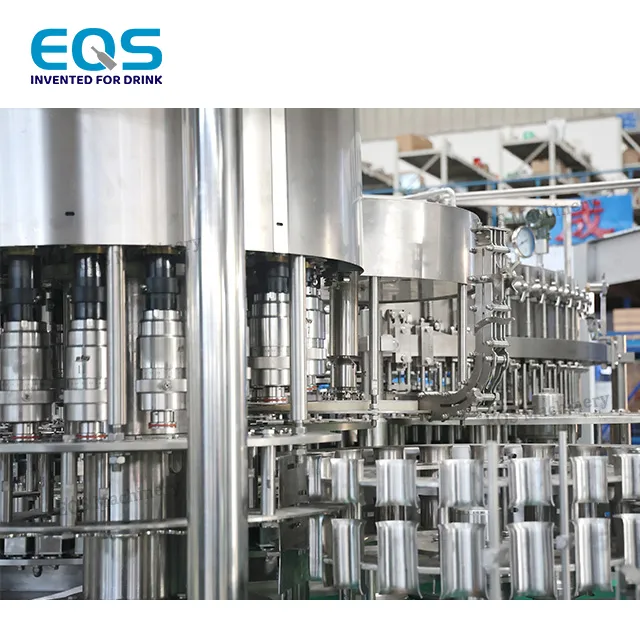
Optimizing Throughput Without Sacrificing Quality in Fully Automatic Blowing, Filling, and Capping Lines
Monobloc systems tackle the old problem of choosing between speed and precision by using synchronized servo automation technology. When manufacturers remove those mechanical transfers between separate stations, production rates jump anywhere from 30 to almost 40 percent compared to older segmented lines. These systems can maintain around half a percent accuracy in volume measurements even when running over 30 thousand bottles per hour. The real magic happens with continuous servo feedback that tweaks things like how fast nozzles move and how tight caps get sealed throughout entire shifts. This keeps fill levels consistent without drifting off track, which matters a lot when dealing with different types of viscous products that need careful handling.
Embedded vision systems complement this control by detecting underfilled containers, misaligned caps, or other defects inline—enabling immediate correction without stopping production. Digital recipe management and motor-driven format adjustments reduce changeover downtime by 60–70%, supporting rapid SKU transitions without compromising accuracy or regulatory compliance.
Scalable Customization for Diverse Packaging Needs: Format Changes, Bottle Types, and SKU Flexibility
Modern servo driven systems for blowing, filling and capping have pretty much eliminated those annoying changeover delays thanks to their modular design and quick swap kits. With standard parts across the board, switching from one bottle type to another, different neck finishes or cap styles takes less than 15 minutes now instead of the several hours it used to take with older mechanical setups. The automatic clamps adjust themselves while magnetic nozzles line up just right for regular PET bottles, fancy shaped glass containers, or anything else that comes along. No need to fiddle around with manual calibration anymore.
Optical sensor based smart locks ensure proper cap positioning for different closures like screws, snaps, and presses while maintaining under 1 mL filling accuracy even when dealing with varying viscosities. The system adapts well to changing production needs whether it's special edition products, holiday season items, or quick adjustments needed due to market fluctuations. Manufacturers don't have to compromise on either product quality or how efficiently operations run during these transitions. Many companies find this adaptability particularly valuable when launching new product lines or responding to unexpected shifts in consumer preferences.
FAQ Section
What is a monobloc system in packaging?
A monobloc system combines blowing, filling, and capping operations into a single machine, offering synchronized and efficient handling of products, which helps reduce waste and improve quality control.
How does servo control improve packaging processes?
Servo control provides real-time feedback and precise control of torque, speed, and position, which enhances accuracy, reduces waste, and allows for quick adjustments in packaging lines.
Why are servo-driven systems preferred over pneumatic systems?
Servo-driven systems offer better precision and reliability as they are not affected by external factors like air pressure fluctuations and provide measurable improvements in energy consumption and product handling.
How do monobloc systems help with production scalability about blowing filling capping?
Thanks to their modular design and quick changeover kits, monobloc systems can easily adapt to different packaging needs, allowing manufacturers to efficiently handle varying production demands.
Table of Contents
-
How Servo Control Unifies Blowing Filling Capping in a Single Monobloc System
- Monobloc Architecture: Synchronized Motion Control Across All Three Functions
- Real-Time Torque, Speed, and Position Feedback for Consistent Blowing, Filling, and Capping Performance
- Precision and Repeatability: Achieving Sub-1% Fill Accuracy with Servo-Driven Filling
- Optimizing Throughput Without Sacrificing Quality in Fully Automatic Blowing, Filling, and Capping Lines
- Scalable Customization for Diverse Packaging Needs: Format Changes, Bottle Types, and SKU Flexibility
- FAQ Section