 EN
EN


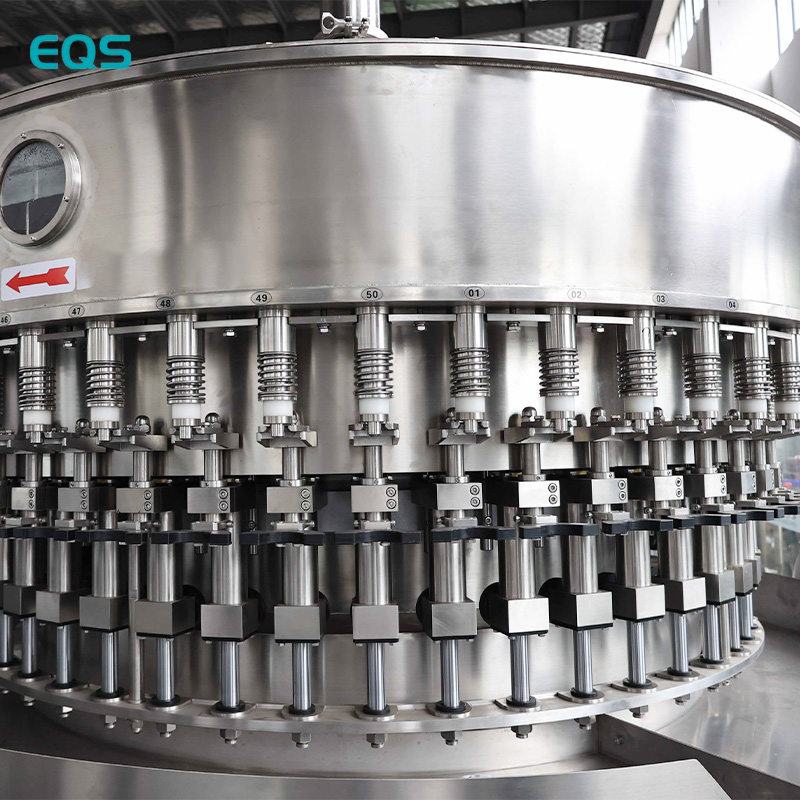
Ensure Precision and Consistent Fill Levels
Getting the right amount of water into each bottle matters a lot in production lines. Small differences in how full bottles get filled can cause problems with regulations or make customers unhappy when they notice something's off. Today's filling equipment uses smart sensors and control systems to hit around 0.5% accuracy according to Packaging Machinery Manufacturers Institute research from last year. This means fewer bottles end up either too full or not quite enough. The machines also handle different situations on their own, adjusting for changes in bottle shapes, temperature shifts during operation, or varying liquid thicknesses. Keeping everything calibrated remains important work for plant staff. Some facilities do quick daily tests while others rely on automatic adjustments throughout shifts. Machines that run themselves cut down on mistakes people might make, and having live data showing what's happening helps managers tweak operations as needed. All these improvements mean less wasted product overall and bottles that consistently meet what the label promises.
Boost Production Efficiency Through Automation
Modern water filling machine systems optimize bottling workflows by integrating precision engineering with smart automation. These technologies reduce manual intervention while maintaining rigorous quality standards.
Efficiency in Production with Water Filling Machine Integration
Automated water filling machines synchronize seamlessly with upstream and downstream equipment like labelers and case packers. This integration minimizes bottlenecks, reduces idle time, and ensures continuous production flow.
Automation in Water Bottling Processes for Faster Throughput
Advanced servo-driven fillers achieve speeds exceeding 60,000 bottles per hour, with rapid changeover systems adapting to container sizes in under 15 minutes. This flexibility allows manufacturers to meet fluctuating demand without compromising efficiency.
Using Automated Systems for Filling and Capping Accuracy
Vision-guided capping stations paired with volumetric filling valves maintain tolerances within ±0.5ml. Such precision eliminates leaks and product recalls while ensuring uniform fill levels across PET, glass, and pouch formats.
Case Study: Implementation Results in 40% Speed Improvement
One manufacturer achieved a 40% throughput increase after upgrading to automated rotary fillers and smart conveyor controls. The system's IoT sensors reduced micro-stoppages by identifying alignment issues in real-time.
Trend Toward Integrated Lines with Real-Time Monitoring
Over 72% of new bottling installations now feature centralized control panels with predictive analytics. These systems correlate fill accuracy with environmental factors like temperature fluctuations to preemptively adjust machine parameters.
(Key data points from manufacturing audits 2023–2024)
Maintain Product Quality and Safety with Sterile Filling
Maintaining Cleanliness in Water Filling Machines
Aseptic water filling machines minimize contamination risks through closed-system designs that isolate products from external environments. Stainless steel surfaces and antimicrobial coatings prevent bacterial growth, while automated components reduce human contact during operations.
Regular Cleaning and Sanitation Protocols for Contamination Prevention
Daily sanitization routines—including disassembly of nozzles and valves—remove residual moisture where microbes thrive. Facilities using chlorine dioxide or ozone-based cleaners report 62% fewer contamination incidents (Food Safety Magazine 2023) compared to manual washing alone.
CIP-Compatible Cleaning Systems for Seamless Hygiene Maintenance
Modern water filling machines integrate Clean-in-Place (CIP) systems that automate tubing and tank sterilization without disassembly. These systems circulate hot water and detergents at programmed intervals, achieving 99.9% biofilm elimination in drainless designs.
Design Features That Maintain Sterile Filling Environments
Key innovations like laminar airflow hoods, positive-pressure chambers, and UV-C light barriers create ISO Class 5-equivalent conditions during filling. Sensor-driven airlocks trigger immediate shutdowns if particulate levels exceed safe thresholds, preventing compromised batches from reaching packaging.
Reduce Waste and Lower Operational Costs
Modern water filling machines minimize material waste by maintaining fill accuracy within ±0.5%, directly reducing excess water and packaging consumption. Precise volumetric controls eliminate spillage and overflow, while servo-driven capping systems prevent container damage—key factors in lowering yearly material costs by 15–20% according to beverage industry benchmarks.
Though automated systems require higher upfront investment, bottlers recover costs through two primary channels:
- Operational savings: Reduced product giveaway and fewer rejected containers from under/overfilling errors
- Throughput gains: Eliminating manual adjustments increases line uptime by 12–18% annually
A 2023 case study revealed a mid-sized plant achieved 35% ROI within two years by tracking water savings (4.2 million liters/year) and downtime reductions. To validate automation ROI, calculate:(Hourly production value − Annual downtime hours) + (Material cost per unit − Units saved)
Maintenance strategies further amplify savings—predictive sensors cut repair costs by 30% by identifying wear in filler valves and conveyor bearings before failures occur.
Maximize Long-Term ROI with Smart Maintenance and Reliability
Integrating Quality Control into Water Filling Machine Operations
Modern water filling machines achieve long-term profitability by embedding quality control directly into their operations. Sensors monitor fill levels, seal integrity, and contamination risks in real time, flagging deviations before defective products reach packaging. This proactive approach reduces scrap rates by 18–22% compared to manual inspections.
Predictive Maintenance to Prevent Unplanned Downtime
Advanced systems analyze motor vibrations, hydraulic pressures, and valve cycles to predict component wear. By replacing parts during scheduled maintenance windows, bottlers avoid 92% of emergency repairs that typically cost $740/hour in lost production (PMMI 2023). Leading manufacturers now offer AI-driven platforms that auto-order replacement components when anomalies first appear.
IoT-Enabled Sensors for Real-Time Performance Tracking
Wireless sensors track critical metrics like O-ring degradation rates and lubrication efficiency. A mid-sized plant using these systems reduced monthly maintenance labor costs by 34% while increasing machine uptime to 98.6%. Alerts for abnormal temperatures or pressure drops prevented seven major breakdowns in 12 months.
Case Study: Mid-Sized Plant Achieves 3-Year ROI
A North American bottler implemented smart water filling machines with modular components and remote diagnostics. Despite a 20% higher upfront cost, the system paid for itself in 34 months through:
- 45% fewer maintenance callouts
- 62% reduction in water waste from calibration errors
- 570 additional production hours annually
Building Long-Term Reliability into Automated Bottling Systems
Durable stainless-steel frames, IP69K-rated electrical components, and redundant servo motors ensure 100,000+ hours of operation between major overhauls. Facilities using these standards report 43% lower lifetime repair costs compared to entry-level machines. Annual reliability audits further optimize performance by aligning cleaning schedules and part replacements with actual usage data.
FAQ Section
What is the accuracy level of modern water filling machines?
Modern water filling machines can achieve around 0.5% accuracy in fill levels.
How do automated systems boost production efficiency?
Automated systems reduce manual intervention and integrate with other equipment to ensure continuous production flow, minimizing bottlenecks and idle time.
What maintenance strategies are recommended for water filling machines?
Predictive maintenance using IoT-enabled sensors is recommended to prevent breakdowns by identifying wear and tear early, reducing repair costs by 30%.
How is product quality and safety ensured in water bottling?
Product quality and safety are ensured through aseptic machines, regular cleaning protocols, and CIP systems that eliminate contamination risks.