 EN
EN


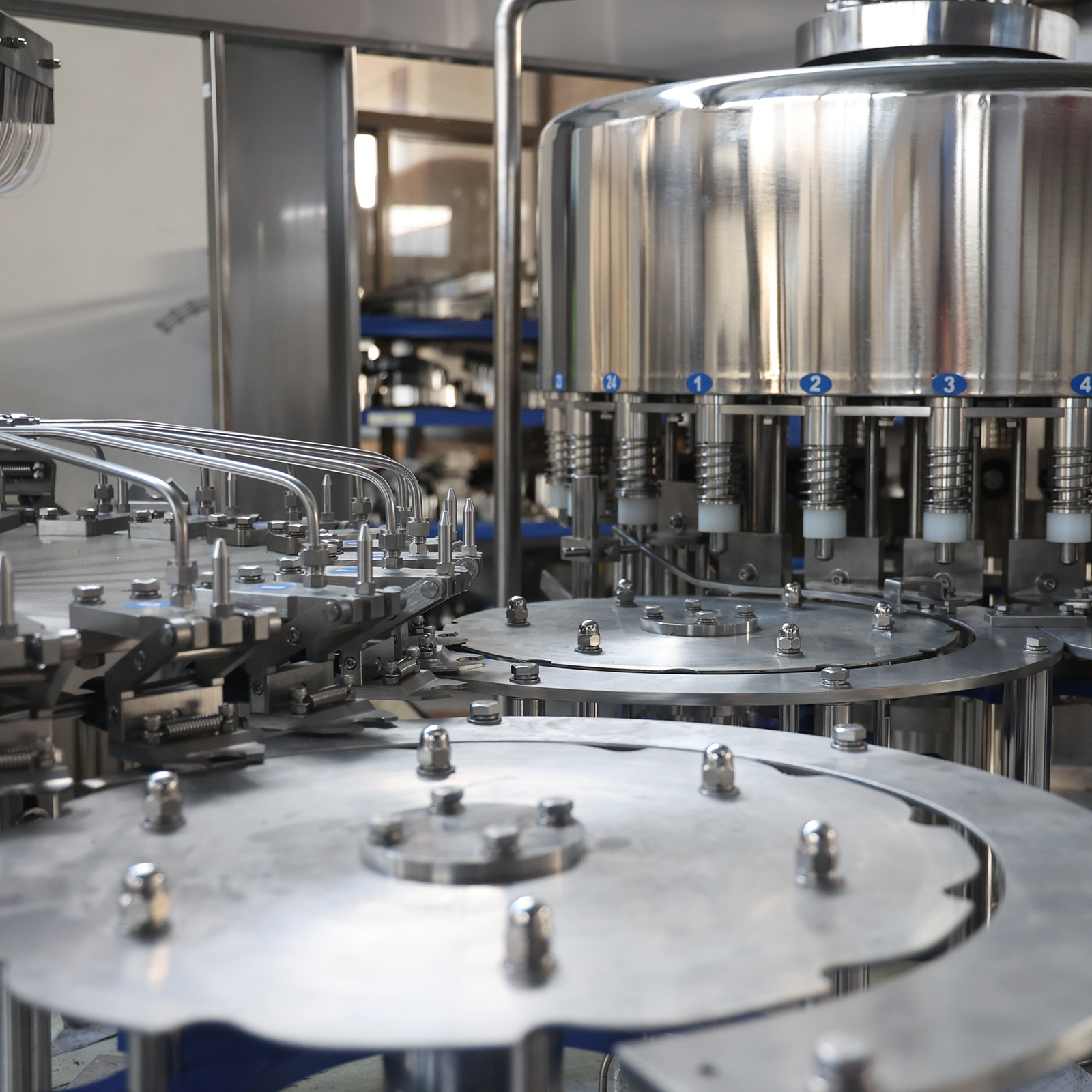
Maximizing Efficiency with Automated Water Filling Machines
The Role of Automation in Modern Water Filling Machines
Water bottling plants have changed a lot since automation took over from manual workforces. These modern facilities use highly engineered systems that take care of everything from aligning bottles to filling them, putting on caps, and applying labels, all with very little need for humans to step in. According to recent data from Boston Consulting Group in their 2023 report, companies that switched to these automated setups saw about a third drop in labor costs while getting around 30% more output because machines can run nonstop day after day. At the heart of this system are programmable logic controllers, or PLCs as they're called in the industry. These control panels manage all the conveyor belts, sensors, and valves throughout the plant so everything runs smoothly together. For mid-sized and larger operations especially, making this switch means better productivity numbers and much more reliable day-to-day operations.
Key Features That Boost Throughput and Reduce Downtime
Today's filling systems depend heavily on those fast spinning rotary fillers that hit around 98% accuracy these days, way better than the old standard of about 92%. The machines come loaded with features that really make a difference. Automatic bottle placement keeps things lined up properly, while those volumetric valves ensure each container gets exactly what it needs. And when switching between different products, the quick change parts save tons of time compared to before. Everything works together smoothly with labelers and packing machines down the line, so there's no stopping and starting that slows everything down. All these upgrades mean factories spend about 40% less time waiting for repairs or adjustments. Some plants have even managed to crank out over 20 thousand bottles every single hour once everything is running at peak performance.
Measuring Efficiency: Output, Speed, and Operational Gains
Performance metrics clearly demonstrate the advantages of automation:
- Output volume: Automated lines produce 30–50% more bottles per shift than manual operations.
- Line speed: Modern fillers operate at 200–400 bottles per minute, depending on container size.
- Operational efficiency: Reduced changeover times and higher asset utilization push overall equipment effectiveness (OEE) above 85%.
Energy savings from automated systems can reach $18,000 annually, though specialized maintenance may partially offset these gains. True efficiency lies in balancing speed, precision, and resource use.
Case Study: A Leading Manufacturer’s High-Speed Rotary Filler
The rotary filler from a top supplier really shows what automation can do for production lines. With 32 filling valves working together, this machine fills around 36 thousand bottles every hour, keeping volume accuracy within about 1%. Built using durable stainless steel components, it works seamlessly with CIP cleaning systems which cuts down on cleaning time significantly, maybe around a quarter less than traditional methods. What makes this equipment stand out is its modular construction. When switching between different bottle sizes, operators can get everything set up again in just over ten to fifteen minutes flat. Such features highlight why manufacturers keep investing in these kinds of machines they boost output without sacrificing adaptability when production requirements shift throughout the day.
Ensuring Hygienic Filling to Guarantee Consumer Safety
Why Sanitation Is Critical in Water Filling Machine Operations
Keeping things clean during water filling machine operations matters a lot for people's health and meeting regulations. When bottled water gets contaminated, it can lead to all sorts of problems from making folks sick to expensive product recalls that hurt company reputations badly. Automated systems cut down on contamination way more than old fashioned manual methods do because they limit how much humans touch the equipment and work within sealed environments. Following good hygiene practices protects customers obviously, but these practices also help companies stay compliant with those important FDA and ISO guidelines that everyone in the beverage business looks at when judging quality standards.
Contamination Risks in Manual vs. Automated Filling Processes
When people fill products manually, there's just so many ways things can go wrong with contamination. Think about it airborne germs floating around, mistakes made during handling, and sanitation practices that vary from day to day. Automated equipment changes the game completely. These machines have sealed enclosures, they rinse everything with sterile solutions, and their precision valves make sure nothing touches the product directly. According to some recent research across manufacturing facilities, switching to automation cuts down on microbial contamination problems by about 90 percent when compared to traditional methods. The real benefit comes from those sealed workspaces combined with regular automatic cleaning routines. They create actual physical barriers that stop outside contaminants from getting into the product at any stage of the production process.
Sterile Rinsing and Closed-Loop Valve Systems for Purity
Modern water filling equipment now comes equipped with sterile rinse capabilities and closed loop valves that help keep things clean throughout the process. Before any liquid goes into the bottles, high pressure cleaning solutions get rid of whatever might be left behind from previous batches. The closed loop system works pretty well too since it stops outside air and dust from getting into where the actual filling happens, basically making the whole area germ free. Industry experts say this setup cuts down on bacteria getting introduced during production by almost all of it - around 99.8% less than what would happen with older open systems. When paired together with automatic cleaning routines and secure transport between stages, manufacturers can rest assured knowing each and every container leaving their facility passes rigorous cleanliness tests required for safe distribution.
Integration with CIP Systems for Continuous Hygiene and Compliance
How Clean-in-Place (CIP) Systems Maintain Sterility in Filling Lines
Water filling equipment nowadays comes equipped with what's called Clean-in-Place or CIP systems to keep things sterile between production runs. These automatic setups pump cleaning and disinfecting fluids throughout every part that touches the product itself including storage tanks, piping networks, and those little dispensing nozzles we see at bottling plants. The whole thing works according to a specific order that has been tested and proven effective over time. First there's a quick rinse, then comes the actual cleaning with caustic substances, followed by another rinse before switching to acidic cleaners. Finally, everything gets sanitized using either hot water or special chemicals. Throughout this entire process, various sensors are constantly checking important factors like how concentrated the cleaning agents are, whether temperatures stay within the required range around 160 to 185 degrees Fahrenheit, and if components have remained in contact long enough for proper sanitation. What makes these systems so valuable is that they take away the risk of mistakes made by people during traditional cleaning methods while still providing results that can be checked and verified reliably.
Automated Cleaning Protocols Between Production Batches
CIP systems kick in automatically when switching between production runs, keeping everything clean without much interruption to operations. Programmable logic controllers start the cleaning process either after set periods, during product switches, or once certain production levels are reached. First, they clear out leftover material from previous batches, then apply detergents at just the right strength, and finally check the water's conductivity to make sure all contaminants are gone. These automated systems typically cut down cleaning times by around two thirds compared to what workers would do manually, plus they save about forty percent on both water and chemicals, which is pretty impressive looking at industry standards. The whole setup forms a sealed loop that stops outside dirt from getting in, while detailed records of each cleaning cycle get stored digitally for compliance checks and quality control purposes.
Quality Control and Real-Time Monitoring in Filling Operations
Smart Sensors for Fill-Level Accuracy and Leak Detection
Smart sensors help keep track of exactly how much product goes into each container while also catching leaks before they become big problems, which protects the overall quality of what gets produced. They constantly watch three main things at once flow rates, pressure levels, and how heavy the containers get during filling. When something seems off, the system makes adjustments so the final amount stays pretty close to what was intended, usually within half a percent either way. Special cameras and heat sensing equipment can spot tiny leaks even when containers are sealed shut, and then those faulty ones get tossed out automatically. This kind of real time checking cuts down on wasted materials by around 15 percent compared to just having people look at everything manually. As a result, almost every single bottle passes inspection requirements without needing extra checks before it gets packaged for shipment.
Balancing Speed and Precision in High-Efficiency Water Filling
Getting the best results from these machines means having control systems that can make split second adjustments when things are running at full tilt. The newer rotary fillers come equipped with something called adaptive pressure compensation, which keeps everything accurate even when they're cranking out over 60 thousand bottles an hour. These systems actually analyze data as it happens, spotting problems before they become issues and fixing them on the fly so the fill levels stay consistent without slowing down production. Manufacturers also install precision flow meters along with feedback loops that let them hit within plus or minus 1 mm for fill height no matter what speed they're operating at. This basically removes that old problem where faster production always meant lower quality in most filling operations.
IoT Integration for Predictive Maintenance and Performance Tracking
When water filling machines get connected through IoT technology, they become smart devices capable of sending out performance updates and maintenance alerts instantly. Factories using these IoT systems report around 30 percent fewer unexpected breakdowns because smart algorithms can spot when parts are starting to wear down or when something isn't performing quite right. The systems monitor important numbers like Overall Equipment Effectiveness (OEE), Mean Time Between Failures (MTBF), and how efficiently production is running, giving managers concrete information they can actually use to make improvements. With cloud platforms handling all this data, maintenance crews don't need to be physically present to fix problems before they happen. And the bonus? Machines last about 25% longer overall while still producing goods at the same high quality standards throughout their extended life cycle.
FAQ
-
What are programmable logic controllers (PLCs) and why are they important in water filling machines?
PLCs are control panels that manage the operation of conveyor belts, sensors, and valves in bottling plants to ensure smooth and efficient operation.
-
How does automation improve the accuracy of filling processes?
Automation provides features such as automatic bottle placement and volumetric valves which enhance accuracy in filling processes, achieving up to 98% precision.
-
How do automated water filling machines help in maintaining hygiene?
They limit human contact and operate in sealed environments, reducing contamination risks compared to manual processes.
-
What role do CIP systems play in filling operations?
CIP systems ensure sterility and compliance by automatically cleaning production line components between batches.
-
What benefits does IoT integration offer to water filling machines?
IoT integration enables predictive maintenance, performance tracking, and real-time updates, enhancing efficiency and minimizing breakdowns.