 EN
EN


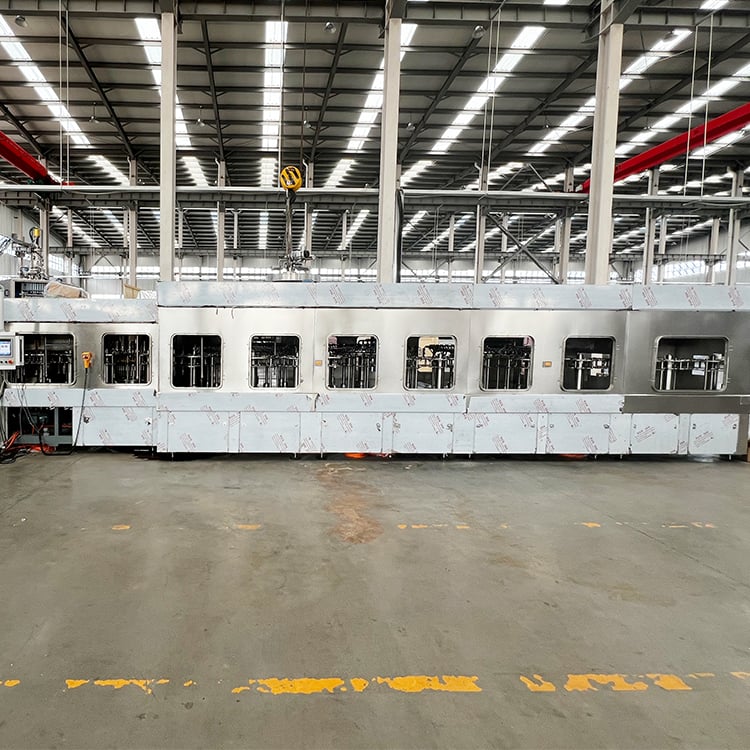
Key Beverage Applications and Equipment Adaptation
| Application Category | Technical Focus | Outcome & Equipment Synergy |
| Probiotic Dairy Drinks | Low‑temperature filling preserves live cultures | High viable cell counts at the end of shelf life |
| Plant‑Based Milks | Prevents post‑pasteurization recontamination | Extended shelf life without chemical preservatives |
| Cold‑Brew Teas & Juices | Non‑thermal filling protects flavor and nutrients | Superior taste profile and nutritional retention (often integrated with a dedicated juice filling setup) |
Controlled Environment and Contamination Prevention
-
Enclosed Filling Zones: The critical filling area restricts airborne particles through continuous laminar airflow.
-
Positive Pressure Gradients: Airflow design prevents ambient room air from entering the high‑hygiene enclosure during production runs.
-
Sanitization Protocols: Systems utilize automated clean‑in‑place (CIP) and sterilization‑in‑place (SIP) cycles, combined with surface sanitization agents to eliminate micro‑organisms between production batches.
-
Environmental Monitoring: Integrated particle counters track background conditions continuously, logging metrics to verify cleanroom performance and support quality assurance audits.
High‑Precision Dosing Technology
Regulatory Standards and Engineering Design
-
Adherence to current good manufacturing practices (cGMP) and automated CIP/SIP protocols.
-
Food‑grade stainless steel construction with smooth weld designs to eliminate bacterial traps.
-
Compliance with machinery safety directives and hygienic standards set by organizations like 3‑A and EHEDG.
Liquid Packaging Solutions by EQS
FAQ
What is ESL and how does it impact beverage shelf life?
ESL stands for extended shelf life, which targets pasteurized or thermally treated products without adding chemical preservatives. Microbial contamination during the filling process is a key factor affecting product quality and shelf life stability.
How do ultra-clean filling machines achieve contamination control?
Ultra-clean filling systems build a controlled high-hygiene environment using laminar airflow and HEPA-filtered air. These layered controls deliver reliable contamination control for sensitive items like pasteurized dairy, plant-based drinks, and specialty juices.
What is the significance of laminar airflow in the filling zone?
Laminar airflow restricts airborne particles in the critical filling area through continuous airflow. Along with positive pressure gradients that prevent ambient room air from entering, it maintains a low-contamination production environment.
How is hygiene performance maintained and monitored in these systems?
Systems utilize automated clean-in-place (CIP) and sterilization-in-place (SIP) protocols, combined with surface sanitization agents to eliminate micro-organisms between production batches. Additionally, integrated particle counters track background conditions continuously to verify cleanroom performance and support audits.
What beverage applications and equipment adaptations are targeted by ultra-clean filling systems to protect sensitive formulations
Key beverage applications include probiotic dairy drinks which utilize low-temperature filling to preserve live cultures, plant-based milks that prevent post-pasteurization recontamination for extended shelf life without chemical preservatives, and cold-brew teas and juices that employ non-thermal filling to protect flavor profiles, nutrients, and active ingredients.