 EN
EN


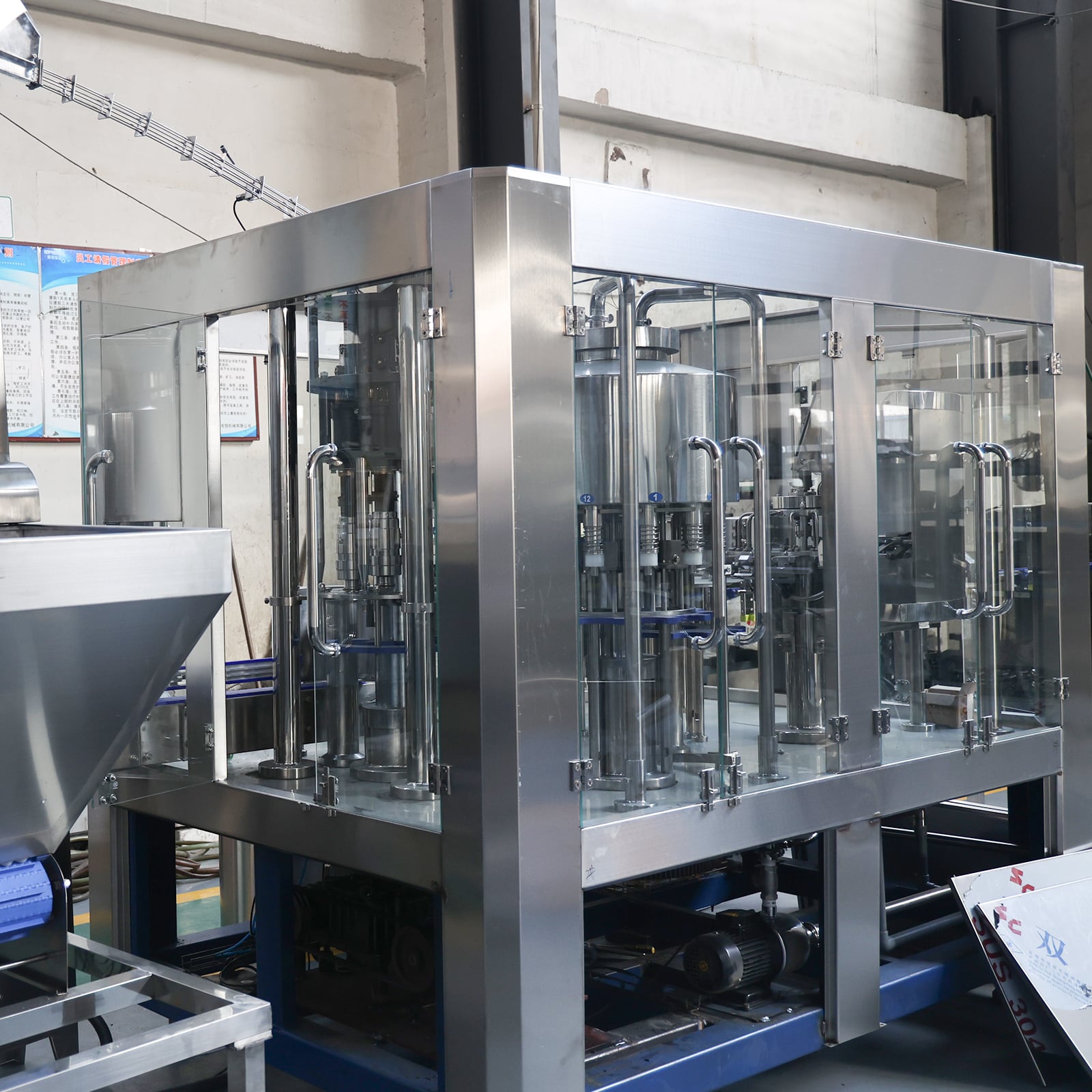
Hygienic Design and Aseptic Filling Processes in Water Filling Machines
Modern water filling machine technology relies on hygienic design and aseptic processes to ensure product safety and quality. These systems prevent microbial contamination through sealed environments and sterile rinsing protocols.
Sealed environments and sterile rinsing systems to prevent microbial contamination
Modern water filling equipment works inside completely sealed environments that keep outside dirt and germs out. Most of these setups have built-in cleaning systems that give each bottle a thorough rinse right before it gets filled with product. This two step approach basically stops most microbes from getting into the mix during manufacturing. Industry data shows these advanced systems cut down on contamination problems by around 99.7% when compared to older techniques. While no system is ever 100% foolproof, this kind of improvement makes a huge difference in food safety standards across the board.
UV-treated air and filtered infeed for maintaining hygiene during high-speed filling
High-speed bottling lines utilize UV-treated air systems and HEPA-filtered infeed conveyors to maintain sterile conditions. The ultraviolet treatment eliminates airborne microorganisms while particulate filters remove contaminants down to 0.3 microns. This combination ensures that even at production speeds exceeding 40,000 bottles per hour, hygiene standards remain uncompromised.
Aseptic capping mechanisms that prevent post-fill contamination
Immediately after filling, aseptic capping systems provide hermetic seals that prevent post-production contamination. These mechanisms operate in sterile environments using sanitized caps that undergo UV or chemical sterilization before application. The aseptic capping technology maintains product integrity from filling to consumer opening, ensuring shelf-stable products without preservatives.
Integration with CIP (Clean-in-Place) systems for continuous sanitation
Today's water filling equipment comes equipped with automated CIP systems for clean-in-place operations. These systems run regular cleaning cycles without needing to take anything apart. The process sends cleaning agents and disinfectants throughout every surface that touches the product, which stops those stubborn biofilms from forming and keeps bacteria at bay. Most facilities report around a six log drop in microbes when using these automated protocols. Plus, operators save roughly two thirds of the time they would spend on manual cleaning tasks, making maintenance much less disruptive to production schedules.
Precision Engineering for Accurate Volume Control in Bottled Water Production
Closed-loop filling valves and sensor feedback for real-time accuracy
Today's water filling machines have these closed loop systems going on inside them. The sensors keep checking how full each bottle is all the time and send signals right back to those precision valves. Because of this constant monitoring, every single bottle gets filled exactly to specification, no more guessing games like we used to see with older manual systems or basic open loops. These modern machines actually combine advanced flow meters with electronic controllers so they can keep things running smoothly even when cranking out thousands of bottles per hour. Some top end models are hitting really impressive numbers too, staying within plus or minus half a percent for volume accuracy according to Beverage Packaging Journal from last year.
Anti-contamination seals ensuring consistent fill levels without cross-contact
Integrated sealing mechanisms prevent external contaminants from entering the filling zone while ensuring no product transfer between bottles. These food-grade seals maintain a sterile environment throughout the process, supporting both hygiene and precise volumetric performance. By eliminating cross-contact points, each bottle’s fill level remains independent and accurate.
Achieving ±0.5% volumetric deviation with advanced water filling machine technology
Modern filling systems rely on precise engineering combined with automation to achieve remarkable consistency in production. When machines fill containers accurately, companies save money because they waste less product. Some estimates suggest savings around 3 to 5 percent, though actual numbers vary depending on the setup. Better filling also means fewer quality issues down the line, so customers don't end up with underfilled packages or overfilled ones that spill during shipping. Over time, these improvements translate into real benefits for businesses. Operational costs go down while customer satisfaction goes up, building stronger relationships with consumers who come to expect reliable products from the brand every single time they make a purchase.
Food-Grade Materials and Construction Standards in Water Filling Machine Design
Use of corrosion-resistant stainless steel and NSF-certified components
Today's water filling equipment typically features 304 or 316 food grade stainless steel on all parts that touch the product itself. This choice gives machines much better protection against rust and wear over time. The stainless steel also makes it harder for bacteria to stick around, which helps maintain good hygiene practices throughout operations. Plus, many manufacturers include NSF certified parts to meet those important drinking water safety requirements. What really matters though is how easy these surfaces are to clean thoroughly between batches. The smooth surface doesn't trap contaminants like older materials might, so producers can keep their products pure from one run to the next without worrying about cross contamination issues.
Compliance with FDA and global food safety regulations through material selection
Manufacturers adhere to FDA 21 CFR and international food safety regulations, which mandate strict material requirements for food-contact applications. Stainless steel construction meets these standards and withstands exposure to aggressive cleaning agents used in CIP systems. This compliance prevents contaminant leaching and ensures bottled water consistently meets global safety benchmarks.
Automation and Real-Time Process Control for Safe, Efficient Bottling
Automated monitoring and error correction to maintain hygiene and accuracy
Today's water filling equipment comes equipped with all sorts of sensors plus those PLCs we keep hearing about these days. They watch over important stuff as it happens, so any problems get spotted right away and fixed before they become bigger headaches. The whole system runs itself most of the time, which means fewer people have to stick their hands in things, cutting down on contamination risks while keeping track of exactly how much goes into each container. When something does go wrong, operators jump in early enough to fix whatever's happening, making sure each bottle passes both cleanliness checks and volume requirements. And best part? The production line doesn't slow down at all during this process.
Closed-loop systems minimizing air exposure and oxidation risks
Closed-loop filling systems prevent air exposure that could lead to oxidation and microbial growth. By transferring water directly from storage to bottles via sealed, pressurized pathways, these systems avoid contact with ambient air. This preserves taste, purity, and shelf life, ensuring bottled water remains unaltered from production to consumption.
Preventive Maintenance Protocols to Sustain Performance and Hygiene
Scheduled and predictive maintenance to reduce downtime and contamination risk
Preventive maintenance is critical for sustaining machine performance and hygiene. Structured schedules include diagnostic testing, predictive analytics, and documented equipment history. Facilities using predictive approaches report up to 45% less unplanned downtime. Regular sterilization and timely component replacement also minimize contamination risks before failures occur.
Case Study: Leading manufacturer's model improving OEE by 27%
One major equipment maker rolled out a predictive maintenance setup that boosted their Overall Equipment Effectiveness (OEE) numbers by almost 27%. They mixed live sensor readings with smart scheduling tools, which helped slash microbial contamination problems down by around 34%. At the same time, they kept volumetric measurements pretty spot on, staying within plus or minus half a percent most of the time. Maintenance expenses dropped by nearly 20% as well. Plus, this whole system made it much easier to stay compliant with those strict FDA rules and other international standards. The company could track sanitation cycles properly and run regular checks on materials without breaking a sweat.
FAQs
Why is aseptic filling important in water bottling?
Aseptic filling is crucial because it maintains the sterility and safety of bottled water by preventing microbial contamination during the filling and capping process.
What role does UV-treated air play in water filling machines?
UV-treated air systems in water filling machines eliminate airborne microorganisms, ensuring sterile conditions during high-speed production.
How do clean-in-place (CIP) systems contribute to hygiene in water filling machines?
CIP systems automate regular cleaning processes, reducing biofilm formation and bacterial contamination on the machine surfaces by circulating cleaning agents.
Table of Contents
-
Hygienic Design and Aseptic Filling Processes in Water Filling Machines
- Sealed environments and sterile rinsing systems to prevent microbial contamination
- UV-treated air and filtered infeed for maintaining hygiene during high-speed filling
- Aseptic capping mechanisms that prevent post-fill contamination
- Integration with CIP (Clean-in-Place) systems for continuous sanitation
- Precision Engineering for Accurate Volume Control in Bottled Water Production
- Food-Grade Materials and Construction Standards in Water Filling Machine Design
- Automation and Real-Time Process Control for Safe, Efficient Bottling
- Preventive Maintenance Protocols to Sustain Performance and Hygiene
- FAQs