 EN
EN


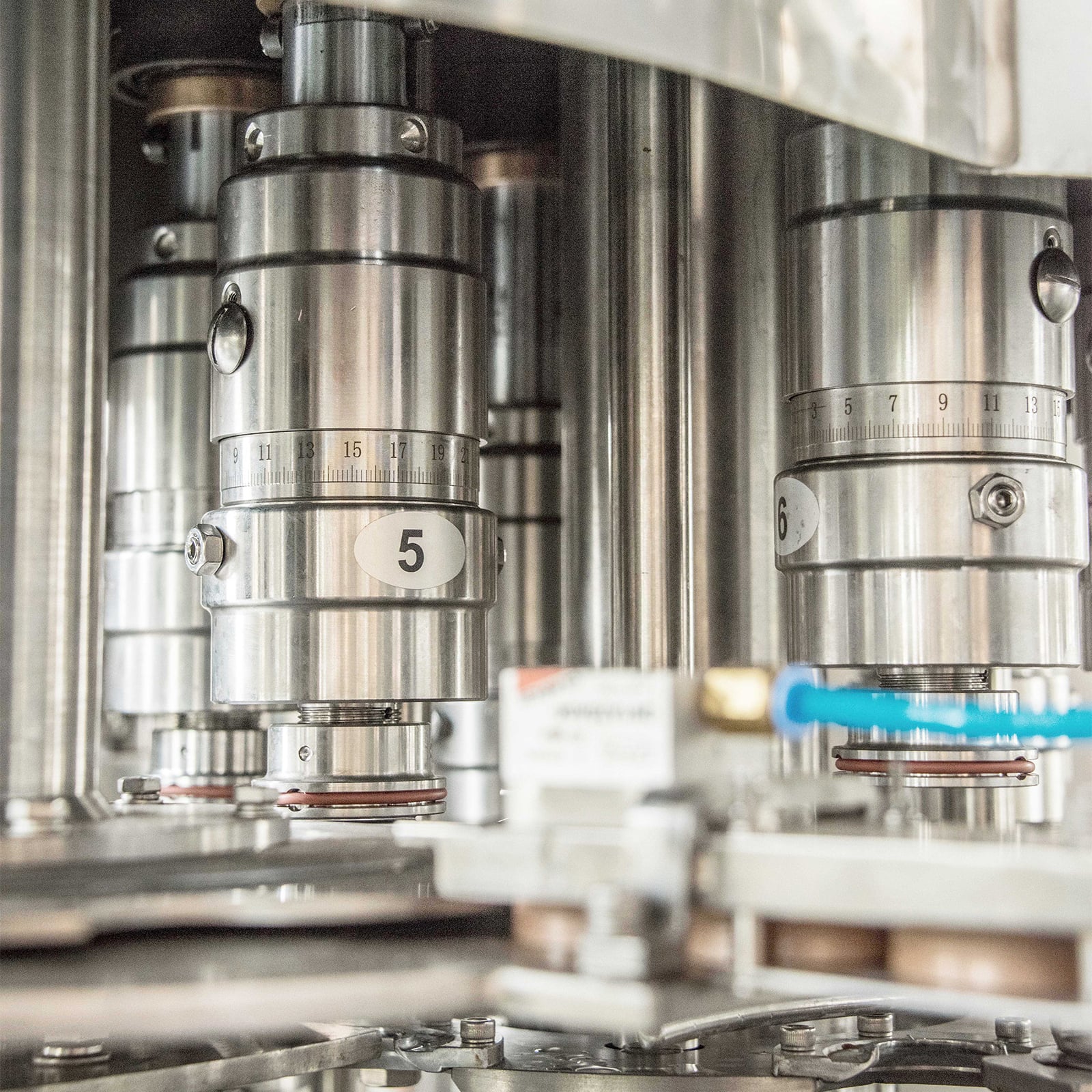
Unmatched Filling Accuracy and Product Consistency About Juice Filling Machine
How Servo-Driven Piston Fillers Achieve ±0.5% Volume Precision
Servo driven piston fillers achieve about 0.5% volumetric accuracy thanks to their closed loop feedback systems which constantly make adjustments as conditions change in terms of viscosity and pressure. These differ from gravity based fillers because they actually push out exact amounts using digitally controlled movements, so they work reliably even when dealing with pulpy or thick cold pressed juices that vary in consistency. The accuracy really matters though. Just think about it: if there's a 2% overfill rate on premium juice products, that could end up costing around $50k per year in wasted product alone. What makes these systems stand out is how they handle pressure variations coming from earlier stages in the process. This means each container gets filled consistently without issues, which is why most plants find them so compatible with their existing automated capping and labeling equipment.
Reducing Waste and Ensuring Label Compliance: Real-World Impact on Juice Brands
Getting the fill right cuts down on those big money problems companies face all the time: wasting product through overfilling and getting into trouble for not meeting minimum fill standards. The new servo systems let manufacturers hit around 97 to nearly 100 percent accuracy when it comes to labeling requirements. This means no more unwanted visits from the FDA, something that actually happened to about one out of every eight beverage makers last year. Take a medium sized plant for instance. If they manage to reduce their overfill rate by just 1.5%, they're looking at saving roughly 18 thousand liters of juice annually. At four dollars per liter, that adds up to seventy two grand saved each year. And don't forget what happens with customers. People really notice when bottles are filled consistently. Market studies show most shoppers link even fills to better quality products and trustworthy brands, as reported by folks at the Beverage Marketing Corporation who looked into this stuff pretty thoroughly.
Built for Juice Safety: Hygienic Design and Regulatory Readiness
Why Stainless Steel, CIP Integration, and GMP Compliance Are Non-Negotiable for Juice Filling Machines
The juice industry has strict hygiene requirements set by regulations like FDA 21 CFR Part 110 and EU Regulation (EC) No 852/2004. Most facilities rely on AISI 316L stainless steel for surfaces that touch food products. Why? Because this material doesn't absorb contaminants and stands up to the acidic nature of citrus and berry juices without corroding over time. Many modern plants now incorporate Clean-in-Place (CIP) systems that handle sanitation automatically. These systems run pre-programmed cleaning cycles which typically get rid of about 99.9% of stubborn biofilms and cut down on cleaning time by around 40%. Good Manufacturing Practice (GMP) standards require everything from complete product tracking to written sanitation procedures and smooth welds with no gaps bigger than half a millimeter. Such measures help prevent serious contamination issues like Salmonella outbreaks, which can cost companies roughly $740,000 each according to research from Ponemon Institute in 2023. With consumer surveys showing that nearly 7 out of 10 people stop buying from brands following safety problems (as reported by FDA in 2024), these hygiene practices aren't just recommendations anymore.
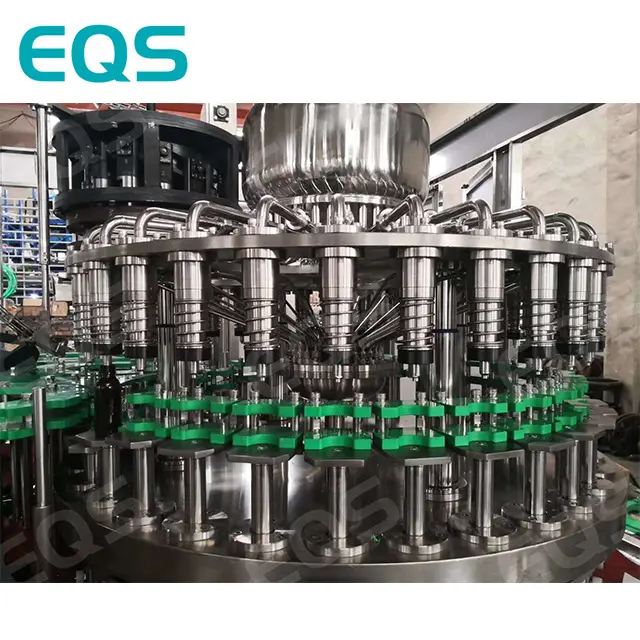
Operational Efficiency: Labor Savings, Uptime, and Smart Monitoring
Cutting OPEX by Automating Manual Filling and Enabling Uninterrupted 24/7 Production
Switching from manual or semi automatic filling lines to servo driven systems can slash labor expenses by roughly 60 to 70 percent annually while increasing output by as much as double or triple. These machines keep running smoothly throughout multiple shifts without getting tired unlike humans who need breaks converting those standard eight hour work periods into round the clock operations. A juice company of moderate size saw their process waste drop around 22 percent just three months after going fully automated which had a direct positive impact on their bottom line. Getting rid of all that manual overfilling makes a big difference especially when dealing with expensive concentrates. Looking at the bigger picture these changes typically cut operating costs somewhere around seven hundred forty thousand dollars each year according to what most companies in the sector report through studies like Ponemon's findings show.
HMI-PLC Integration: Real-Time Diagnostics and Remote Support for Juice Filling Machines
Modern juice fillers integrate Human-Machine Interface (HMI) panels with Programmable Logic Controllers (PLCs) to form intelligent, self-monitoring systems. This architecture delivers actionable insights:
| Diagnostic Capability | Operational Impact |
|---|---|
| Continuous OEE tracking | Identifies bottlenecks reducing throughput by up to 18% |
| Vibration and temperature sensors | Predict bearing failures 72+ hours before breakdown |
| Energy consumption analytics | Flags inefficient compressors contributing 30% excess energy use |
Dashboards that update in real time help staff catch problems like calibration drift or worn seals long before actual defects happen. Meanwhile, cloud connectivity lets OEM experts troubleshoot and fix issues remotely, eliminating those frustrating wait times for onsite visits. The results speak for themselves: facilities report cutting their average repair time by roughly 40%. That matters a lot when production halts can drain upwards of ten grand an hour from juice operations. Plus, automated maintenance records make life much easier during FDA and BRCGS inspections since everything gets logged digitally with timestamps, creating clear audit trails that inspectors actually appreciate.
Strong ROI and Future-Proof Scalability
Automatic juice filling machines give businesses a quick return on investment, usually paying for themselves in around one to two years thanks to reduced labor costs, less wasted product, and faster production rates. The machines are built with modularity in mind, so companies don't have to throw away their current setup when they need to scale up operations. Want to add more filling heads? No problem. Need better control systems? That works too. And these machines handle all sorts of packaging options from traditional glass bottles to those trendy eco cartons and even flexible pouches that consumers love nowadays. This kind of flexibility helps manufacturers cope with busy seasons or expand their product lines without losing money on outdated equipment. When production volumes increase, the cost per unit stays much lower compared to what it would be if workers were doing everything by hand. This makes sense both financially and operationally, especially in today's fast changing market landscape where being able to pivot quickly is often the difference between success and failure.
FAQ
What makes servo-driven piston fillers more accurate?
Servo-driven piston fillers are more accurate because they use closed-loop feedback systems which adjust for changes in viscosity and pressure, thereby ensuring consistent fill volumes.
How can switching to servo-driven systems reduce waste for juice brands?
Switching to servo-driven systems can reduce waste by minimizing overfill rates, thereby reducing product loss and ensuring that all labeling requirements are met accurately.
What is the role of HMI-PLC integration in juice filling operations?
HMI-PLC integration provides real-time diagnostics, enabling proactive maintenance. This can help reduce downtime and improve operational efficiency through actionable insights.
How does implementing servo-driven systems impact labor costs?
Implementing servo-driven systems can significantly reduce labor costs, potentially cutting them by 60-70% annually, due to automation which handles tasks that would otherwise require manual labor.
Why is stainless steel used in juice filling machines?
Stainless steel, specifically AISI 316L, is used because it doesn't absorb contaminants and is resistant to the acidic nature of juices, ensuring long-term durability and compliance with hygiene standards.
Table of Contents
- Unmatched Filling Accuracy and Product Consistency About Juice Filling Machine
- Built for Juice Safety: Hygienic Design and Regulatory Readiness
- Operational Efficiency: Labor Savings, Uptime, and Smart Monitoring
- Strong ROI and Future-Proof Scalability
-
FAQ
- What makes servo-driven piston fillers more accurate?
- How can switching to servo-driven systems reduce waste for juice brands?
- What is the role of HMI-PLC integration in juice filling operations?
- How does implementing servo-driven systems impact labor costs?
- Why is stainless steel used in juice filling machines?