 EN
EN


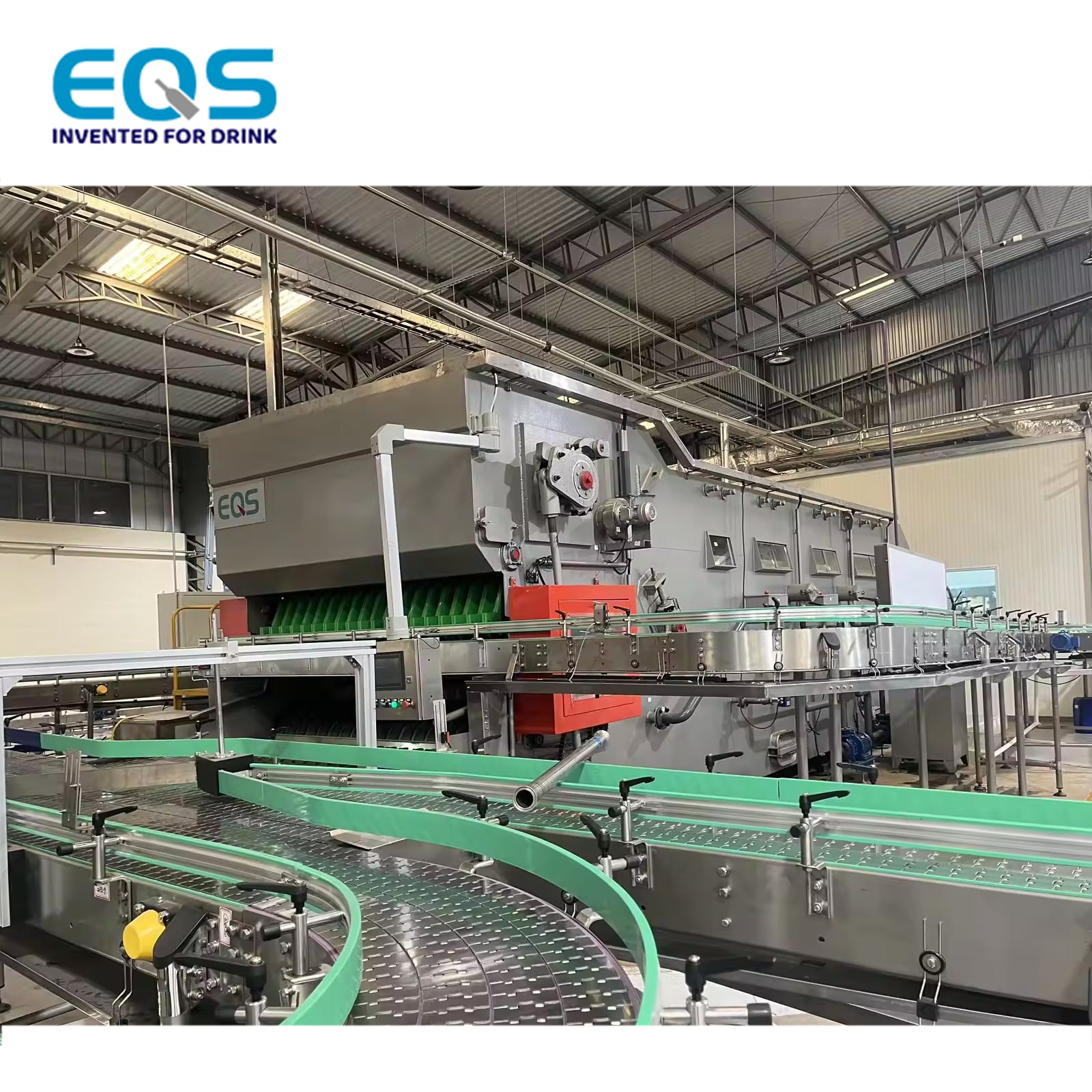
Why Automatic Glass Bottle Washing Machines Are Essential for Food-Safe Beverage Production
Rising contamination risks with manual cleaning vs. automated consistency
When people clean bottles by hand, there are real contamination problems because scrubbing isn't always consistent, workers get tired, and sometimes residue gets left behind. These issues account for about 15% of all microbial problems found during food safety checks at beverage plants according to recent 2023 audits. Automatic glass bottle washers work differently though. They use consistent pressure jets, controlled rotation speeds, and predictable heating cycles that remove contaminants at around 99.8% effectiveness rate. The difference matters a lot since this kind of consistency cuts down on product recalls by roughly 40% when compared with manual cleaning approaches. Plus, having such reliable results forms the basic requirement for meeting those strict FDA standards and keeping HACCP protocols intact across production lines.
HACCP-aligned multi-stage cleaning: pre-rinse, caustic wash, intermediate rinse, sterilization, final rinse
Modern systems follow Hazard Analysis Critical Control Point (HACCP) protocols with five validated stages:
- Pre-rinse removes gross debris at 140°F (60°C)
- Caustic wash dissolves organic residues at 1.5–2% concentration
- Intermediate rinse eliminates chemical carryover
- Sterilization via 180°F (82°C) water or steam
- Final rinse with purified water meeting FDA CFR 21 standards
This sequence ensures logarithmic pathogen reduction—particularly critical for pH-sensitive beverages like dairy and juices, where residue composition demands precise thermal and chemical tuning. Each stage is time- and temperature-validated to meet FDA’s Current Good Manufacturing Practice (cGMP) requirements for food contact surfaces.
How the Glass Bottle Washing Machine Process Ensures Microbial Control
Real-time monitoring: turbidity sensors and ATP bioluminescence for rinse validation
Modern cleaning verification systems now include turbidity sensors that spot particles floating around in rinse water, along with ATP bioluminescence tests that measure leftover organic stuff. These technologies work together to give an instant read on how clean things really are from a microbial standpoint. Manual swab testing just doesn't cut it anymore because it takes time and leaves room for human error. The new system actually catches problems while the last rinse is happening. When something looks off, automated warnings kick in so workers can fix issues right away before those bottles ever get filled. This proactive approach cuts down on having to reprocess contaminated products by about a third, which makes life easier for quality control teams trying to maintain their HACCP documentation standards.
Parameter optimization: temperature, dwell time, and detergent concentration by beverage type
Effective microbial control requires dynamic parameter alignment with beverage-specific soil profiles:
| Beverage Category | Temperature Range | Dwell Time | Detergent Concentration | Key Target Residues |
|---|---|---|---|---|
| Wine | 70–80°C | 8–12 min | High-alkaline (3–5%) | Tannins, sugars, yeast |
| Carbonated Soft Drinks | 55–65°C | 6–8 min | Medium-alkaline (2–3%) | Sugars, acids, dyes |
| Dairy-based Drinks | 75–85°C | 10–15 min | Enzymatic (1.5–2.5%) | Proteins, fats |
Higher temperatures denature proteins in dairy applications; extended dwell times dissolve wine sediments; and moderate alkalinity prevents flavor carryover in carbonated drinks. Leading facilities synchronize these variables with real-time sensor data to achieve 99.9% microbial reduction—maximizing hygiene without over-consuming energy or chemicals.
Glass Bottle Washing Machine Solutions for Returnable and Single-Use Bottles
Sustainability trade-offs: high-temperature sterilization vs. low-impact eco-detergents
Balancing hygiene and sustainability requires strategic system design. High-temperature sterilization (70–85°C) delivers robust microbial kill but increases energy use by 30–40%. Low-impact eco-detergents cut carbon emissions by up to 60%, yet demand longer dwell times and rigorous validation against pathogens like Listeria and E. coli.
Reusable bottle systems bring real environmental benefits. Bottles can be used around 20 times before replacement, cutting down carbon emissions by about 85 percent according to OEF research. Plus, they basically eliminate all that packaging waste. But there's a catch. These returnable bottles need thicker glass to last through multiple cycles, which means using more materials upfront and dealing with heavier transport costs. When it comes to single use scenarios, enzymatic cleaning solutions break down quickly and leave less toxic wastewater behind. Still, operators have to watch concentrations carefully to get the same powerful cleaning results as traditional caustic soda treatments. What works best really depends on factors like local power availability, how good the area is at recycling water, and just how efficient the bottle return network happens to be. No magic bullet solution here folks.
Key Features That Make a Glass Bottle Washing Machine Compliant and Efficient
Glass bottle washers today come equipped with smart sensors that track important factors like temperature levels, chemical strength, water clarity, and how long bottles stay in each cleaning stage. These sensors let the machine adjust water pressure, detergent amounts, and heat settings automatically for different kinds of bottles. The automation keeps everything running within food safety standards set by HACCP and meets those tough FDA sterilization rules too. Compared to old fashioned manual methods, these efficient systems cut down on water usage by around 40 percent without slowing down production speeds. Many models feature two separate sterilization areas so they work just as well for reusable bottles as for one-time use containers. Plus, built-in diagnostic systems can spot potential problems early on, which means fewer breakdowns and better protection against contamination risks throughout daily operations.
FAQ
What is the effectiveness of automatic glass bottle washing machines in removing contaminants?
Automatic glass bottle washers remove contaminants with an effectiveness rate of around 99.8%, which significantly reduces the risk of product recalls and ensures compliance with FDA and HACCP standards.
How do automatic washing machines maintain HACCP compliance?
These machines follow a five-stage cleaning process aligned with HACCP protocols, including pre-rinse, caustic wash, intermediate rinse, sterilization, and final rinse, ensuring effective removal of pathogens and contaminants.
What technologies are used for microbial control in glass bottle washing machines?
They utilize turbidity sensors and ATP bioluminescence tests for real-time verification of cleanliness, offering a proactive approach to maintain hygiene standards.
How do these machines handle different types of beverages?
Glass bottle washing machines optimize parameters like temperature, dwell time, and detergent concentration based on beverage type to achieve high microbial reduction without excessive energy or chemical use.
Table of Contents
- Why Automatic Glass Bottle Washing Machines Are Essential for Food-Safe Beverage Production
- How the Glass Bottle Washing Machine Process Ensures Microbial Control
- Glass Bottle Washing Machine Solutions for Returnable and Single-Use Bottles
- Key Features That Make a Glass Bottle Washing Machine Compliant and Efficient
- FAQ