 EN
EN


High-Speed Precision Filling: How Modern Juice Filling Machines Achieve 8,000–12,000 BPH with ±0.5% Accuracy
Multi-Head Servo-Piston Architecture Optimizes Throughput and Minimizes Cross-Contamination
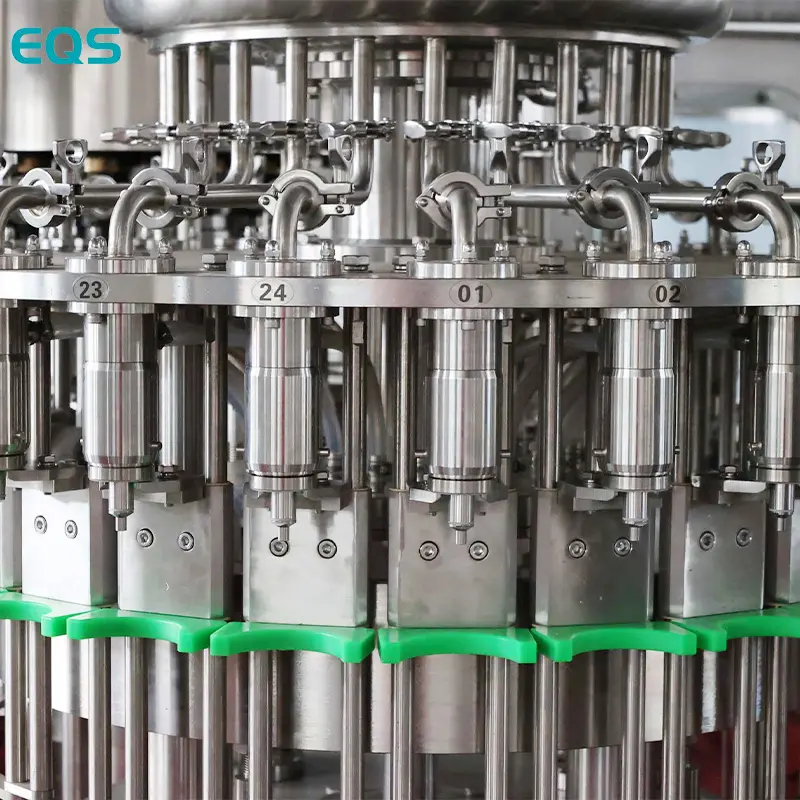
The latest juice filling equipment employs multi-head servo-piston technology capable of handling between 24 to 36 containers at once. These machines can process anywhere from 8,000 up to 12,000 bottles each hour while keeping volume accuracy within just half a percent variance. What makes them stand out is their independent sterile pathways for each nozzle head. This design cuts down cross contamination risks by nearly all - around 99% better than older rotary fillers actually. The programmable stroke controls are another game changer. Operators can switch between different container sizes ranging from small 100ml portions right up to large 2 liter bottles without needing any physical adjustments to the machine itself. For those dealing with acidic fruit juices that sit around pH levels between 3.0 and 4.2, isolation chambers help prevent unwanted aerosol spread during processing. Plus, self draining valves ensure no liquid gets stuck in corners where bacteria might grow over time. And let's not forget about reliability factors either. Since there are far fewer parts relying on friction to work properly, these modern systems maintain impressive uptime rates of about 97.5%. According to research published by Ponemon Institute back in 2023, this translates into savings of roughly seven hundred forty thousand dollars annually due to reduced downtime expenses.
Real-Time Flow Monitoring and Closed-Loop Feedback Control Ensure Consistent Fill Volume
Before any filling happens, laser guided sensors check if containers are properly aligned. At the same time, electromagnetic flow meters keep track of how the pulp content or changes in temperature affect the liquid's thickness. The system checks fill amounts roughly every 15 milliseconds through advanced flow readings and weight measurements. When there's a variation beyond plus or minus half a percent, the equipment automatically makes adjustments either by changing piston pressure, adjusting line speed, or rejecting faulty containers altogether. All these fill events get recorded with timestamps and details about any discrepancies, meeting those strict FDA 21 CFR Part 11 tracking standards that manufacturers have to follow. Such precise control saves around $18,000 each year on wasted product per production line and helps avoid recall situations. Most beverage recalls actually come from incorrect fill levels anyway, according to recent FDA data from 2022 showing this issue accounts for nearly all such problems.
| Performance Metric | Industry Standard | Impact |
|---|---|---|
| Throughput | 8,000–12,000 BPH | Enables large-batch production runs |
| Accuracy | ±0.5% volume tolerance | Prevents $18k+/yr in product giveaway |
| Uptime | 97.5% operational availability | Avoids $740k/yr downtime costs [Ponemon Institute, 2023] |
Aseptic Juice Filling: Preserving Freshness, Safety, and Shelf Life Up to 6+ Months
Integrated Aseptic Tunnel and Sterile Environment Controls Reduce Microbial Load by 99.97%
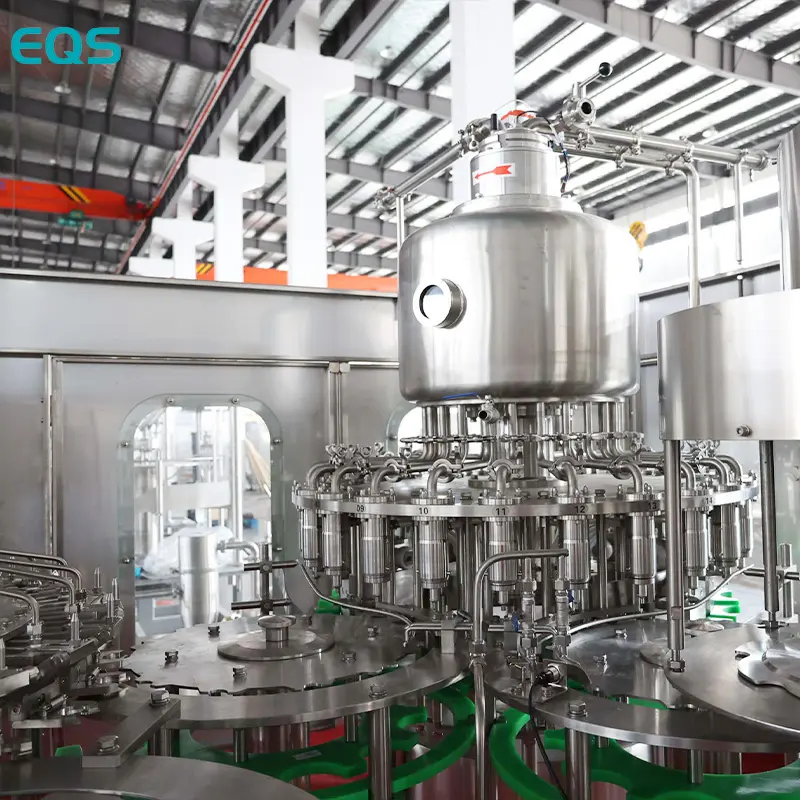
The process of aseptic juice filling depends heavily on hydrogen peroxide vapor tunnels along with ISO Class 5 cleanrooms to get containers and lids ready before they're filled. These facilities keep things sterile through positive air pressure systems, HEPA filters, and controlled airflow patterns across the entire filling area. The combination of these different safety measures manages to cut down biological contamination by about 99.97%, which meets requirements set out in both ISO 11140 and EN 17141 guidelines. This level of cleanliness means products can sit on store shelves for at least six months without needing any preservatives added. When compared to traditional hot-fill techniques that actually break down sensitive vitamins and change how drinks taste, this aseptic method keeps important nutrients like vitamin C intact while maintaining those delicate aromas and overall flavor characteristics consumers expect from fresh juices.
Material Compatibility and CIP/SIP-Ready Design for Acidic Juice Formulations (pH 3.0–4.2)
These systems are built to handle tough acidic products like citrus juices, pomegranate extracts, and various berry blends. They feature fluid paths made from 316L stainless steel along with FDA approved elastomers that can withstand long term contact with solutions ranging from pH 3.0 down to around 4.2. The equipment comes with fully automatic cleaning and sterilization processes that effectively kill microbes, which helps prevent those stubborn biofilms from forming and stops corrosion problems before they start. When switching between different types of juice, operators don't need tools for most changes, and production stays strong at over 10,000 bottles per hour even when running through cleaning cycles. This setup keeps everything compliant with regulations while maintaining smooth day to day operations without interruptions.
Smart Automation & IoT Integration in Juice Filling Machines: Predictive Maintenance and Digital Traceability
Cloud-Connected Sensors Enable Predictive Maintenance—Cutting Unplanned Downtime by 32%
Sensors connected to the Internet of Things are now placed inside motors, hydraulics, and filling valves to track things like vibrations, heat levels, and pressure changes as they happen. All this information goes up to cloud systems that have been taught what different kinds of failures look like, so problems can be spotted long before they actually break something. Think about worn out seals or bearings starting to fail - these get picked up early. When maintenance happens during regular shutdown periods rather than waiting for breakdowns, factories see around a third less unexpected stoppage time according to industry stats from last year. Take high temperature readings on valves for example. These send warnings to techs who then swap out parts when shifts change over instead of letting everything grind to a halt mid production run. This approach keeps manufacturing lines running smoothly and makes equipment last longer overall.
End-to-End Batch Tracking: From Raw Juice Infeed to Sealed Bottle—Meeting FDA 21 CFR Part 11 Requirements
The combination of integrated PLC systems, QR code scanning technology, and synchronized digital twins captures all essential parameters throughout the filling operation. We track everything from where the raw juice comes from and when it was pasteurized, down to how accurately each nozzle fills within plus or minus half a percent tolerance. The system also verifies cap tightness and records exact times for container sterilization processes. What this setup does is create what we call a tamper proof digital record that meets those strict FDA regulations under part 11 of chapter 21. When something goes wrong quality wise, say the pH levels drift outside acceptable ranges or there's a noticeable fill discrepancy, operators have immediate access to detailed records. They can pinpoint exactly which machines were involved, look at timestamped data, and even drill down to specific nozzles. This capability means companies don't have to pull entire product lines during recalls anymore. Instead they can target only the affected batches, saving money while getting to the bottom of problems much faster.
FAQ Section
What is the main advantage of using multi-head servo-piston technology in juice filling machines?
The main advantage is its ability to handle up to 12,000 bottles per hour with a volume accuracy of ±0.5%, while minimizing cross-contamination with independent sterile pathways.
How do juice filling machines maintain accuracy and prevent product wastage?
They use real-time flow monitoring and closed-loop feedback control to make any necessary adjustments, saving around $18,000 yearly on wasted product per production line.
What is aseptic juice filling and why is it beneficial?
Aseptic juice filling involves using hydrogen peroxide vapor tunnels and sterile environments to significantly reduce microbial load, extending shelf life without preservatives and preserving nutrients.
What does end-to-end batch tracking offer manufacturers?
It provides a digital record meeting FDA 21 CFR Part 11 requirements, allowing manufacturers to quickly identify and address quality issues without recalling entire product lines.
How does IoT integration benefit juice filling machines?
IoT integration enables predictive maintenance by monitoring equipment health in real-time, thereby reducing unplanned downtime by about 32%.
Table of Contents
- High-Speed Precision Filling: How Modern Juice Filling Machines Achieve 8,000–12,000 BPH with ±0.5% Accuracy
- Aseptic Juice Filling: Preserving Freshness, Safety, and Shelf Life Up to 6+ Months
- Smart Automation & IoT Integration in Juice Filling Machines: Predictive Maintenance and Digital Traceability
-
FAQ Section
- What is the main advantage of using multi-head servo-piston technology in juice filling machines?
- How do juice filling machines maintain accuracy and prevent product wastage?
- What is aseptic juice filling and why is it beneficial?
- What does end-to-end batch tracking offer manufacturers?
- How does IoT integration benefit juice filling machines?