 EN
EN


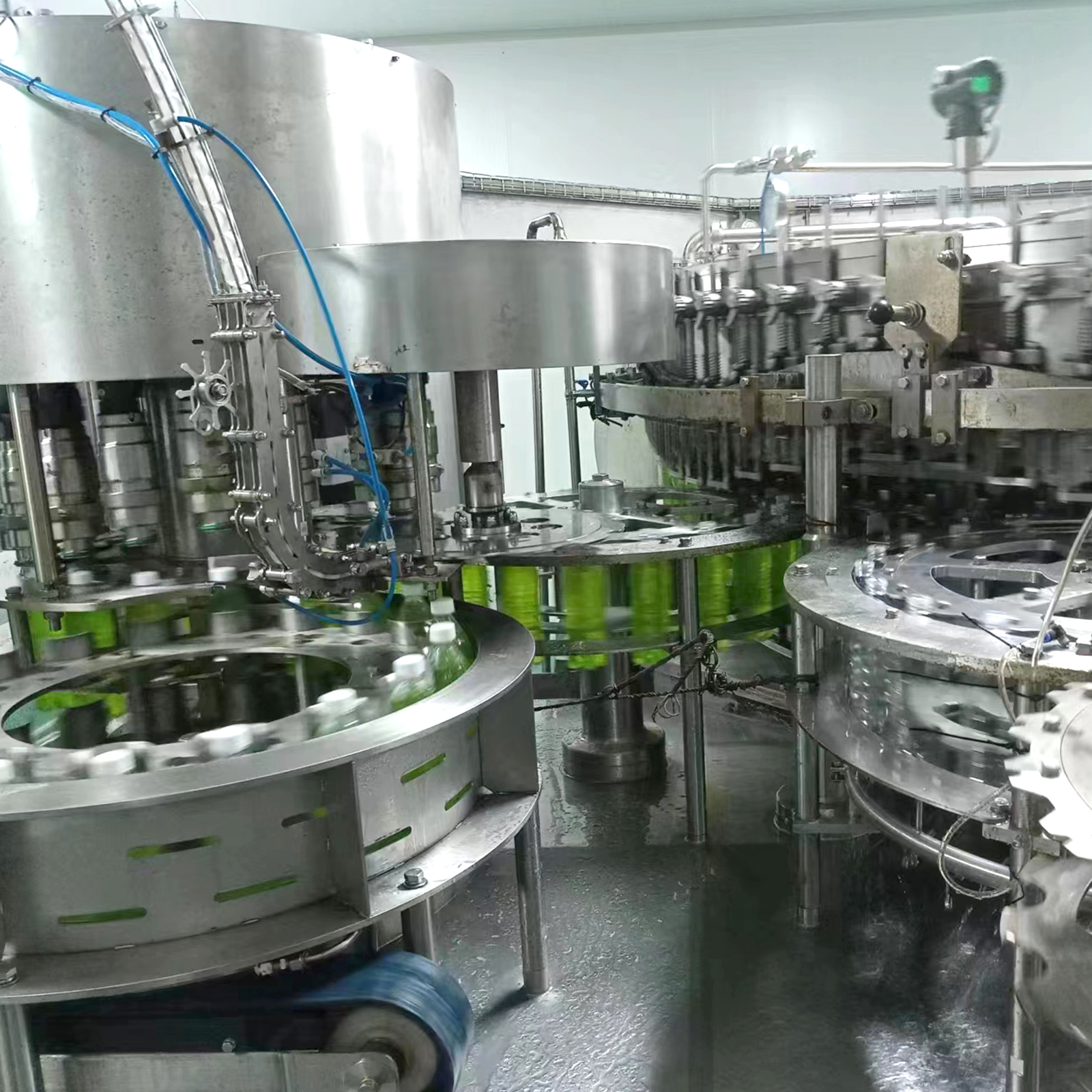
How Smart Blowing Filling Capping Systems Cut Energy Consumption
Synchronized Motion and Shared Drive Architecture Reduce Standby Power & Thermal Loss
Integrated blowing filling capping systems are changing the game when it comes to wasted energy during production breaks. These systems bring everything together under one roof with synchronized servo motors and shared drive setups that keep things moving without those annoying idle periods we see in older machines. Traditional separate units typically waste anywhere from 15 to 30 percent of their power just transferring between stages. Integrated platforms avoid this problem entirely by keeping all motions going at once. The smart software behind these systems adjusts air pressure and motor strength on the fly, which cuts down on compressor work by about 40 according to last year's Packaging Automation Benchmark Report. Plus, these smarter systems generate less heat throughout the whole operation, meaning factories need less cooling overall. Even better? Production stays strong above 2000 bottles per hour despite all these efficiency gains.
Why Higher Throughput Lowers kWh/Bottle: Resolving the Industry Paradox
Most people would expect the opposite, but actually advanced integrated systems tend to consume less energy per unit when running at higher speeds rather than lower ones. Variable frequency drives or VFDs as they're called allow for much more accurate power delivery based on what's needed at any given moment instead of just drawing power constantly like older machines do. Take a production line moving at around 14,600 bottles an hour for instance. These modern systems cut down energy usage by about 40% for every thousand bottles produced compared to when they run more slowly. That goes against what most folks think makes sense. The reason behind this surprising efficiency? Well, it comes down to two main things. First, there's no need for all those constant start stop motions that waste so much energy. Second, manufacturers have figured out how to grab the heat that gets wasted during the blow molding process and put it back to work heating up the preforms. This simple trick boosts thermal efficiency across the board.
Boosting Output with Integrated Blowing Filling Capping Design
Cycle Time Compression via Predictive Motion Control and Modular Platform Scalability
The predictive motion control system works wonders for production lines by syncing up blowing, filling, and capping operations based on where bottles are positioned and how fast they're moving. This smart anticipation cuts down those wasted moments between processes by around three quarters compared to older systems. When companies remove those mechanical buffers and handoff spots, the whole operation speeds up dramatically. Cycle times drop from about 12.3 seconds down to just 3.1 per bottle. What makes this setup even better is its modular nature. Manufacturers don't need to tear everything apart when expanding capacity. They simply add more filling nozzles or extra capping heads as needed. Industry reports from 2023 show these integrated platforms running at nearly 99.2% uptime, which beats the roughly 89% seen with traditional setups. That kind of reliability means factories can keep producing over 72 thousand bottles every hour without missing a beat. Plus, the smoother transitions cut down vibrations across the line, keeping fill levels accurate within half a millimeter and significantly reducing spills and waste during production.
Case Study: 32% Uptime Gain in Beverage Production Using Unified Blowing Filling Capping
One juice company in Europe swapped out their old separate blowing, filling, and capping machines for a single integrated system, which slashed unexpected downtime by around 32% just six months later. Before this change, their old setup had daily interruptions at about 11% because of those pesky transfer jams and slow sterilization processes. With the new system's closed loop sterilization and constant material movement, they eliminated all those problem spots between different processes. Their equipment uptime jumped from 70% up to nearly 92.5%, and they actually used 40% less energy per hour too. All told, this meant they could produce almost 4.2 million extra bottles every quarter without needing any additional factory space. And there's more good news: real time viscosity sensors helped reduce product waste by about 17% when switching between ingredient batches. These sensors automatically adjust fill volumes as needed to keep everything tasting consistent across batches.
Real-Time Intelligence in Blowing Filling Capping Operations
Edge AI for Anomaly Detection on Preform Heaters and Filling Nozzles
Edge AI delivers smart processing right where it matters most on the production floor, constantly checking sensor readings from preform heaters and filling nozzles every 50 milliseconds. These machine learning systems spot temperature changes outside the ±1.5°C range or strange flow patterns with impressive accuracy around 98.7%. Industry tests show they find tiny leaks 83% quicker than what humans can manage manually. What makes this different from regular cloud-based solutions? Edge computing means responses happen almost instantly without waiting for signals to travel back and forth across networks. Plus, these models keep getting better over time as they learn from actual factory operations. They cut down on unnecessary warnings and catch those small performance issues that standard monitoring systems just miss completely.
Closed-Loop Viscosity Compensation Improves Fill Accuracy and Reduces Material Waste
When viscosity changes happen, especially with products sensitive to temperature shifts such as various oils, syrups, and milk-based drinks, they mess up the filling accuracy quite badly. Modern systems have started incorporating real time viscosity sensors that kick in automatically. For instance, if the viscosity goes up about 15 percent because something cools down, then these pumps driven by servos just run a bit longer, maybe between half a second to almost a full second extra, keeping the volume pretty much consistent within plus or minus half a percent. According to production checks, this kind of feedback loop actually cuts down on overfilling problems by around 22 percent. That translates into serious savings too; one study from Ponemon Institute back in 2023 showed that typical beverage plants save roughly seven hundred forty thousand dollars each year just from not wasting so much product. Plus, these systems keep track of how viscosity behaves over time, which helps manufacturers tweak their formulas and adjust processes depending on what season it is or other factors affecting production.
Frequently Asked Questions (FAQ)
What are integrated blowing filling capping systems?
Integrated systems combine the processes of blowing, filling, and capping into a single unit to streamline operations and reduce energy consumption compared to traditional separate units.
How do integrated systems reduce energy consumption?
These systems utilize synchronized servo motors and shared drives, minimizing idle periods and adjusting air pressure and motor strength dynamically to lower compressor work and heat generation.
Why does higher throughput lower energy consumption per bottle?
Higher speeds reduce start-stop motions and allow for better utilization of wasted heat during blow molding, improving energy efficiency.
What role does predictive motion control play in these systems?
Predictive motion control anticipates bottle positions and speeds, drastically decreasing wasted time between processes for faster cycle times.
How can Edge AI enhance the productivity of blowing filling capping systems?
Edge AI allows for real-time anomaly detection and rapid response with precise monitoring of critical components, boosting operational efficiency and reducing downtime.
Table of Contents
- How Smart Blowing Filling Capping Systems Cut Energy Consumption
- Boosting Output with Integrated Blowing Filling Capping Design
- Real-Time Intelligence in Blowing Filling Capping Operations
-
Frequently Asked Questions (FAQ)
- What are integrated blowing filling capping systems?
- How do integrated systems reduce energy consumption?
- Why does higher throughput lower energy consumption per bottle?
- What role does predictive motion control play in these systems?
- How can Edge AI enhance the productivity of blowing filling capping systems?