 EN
EN


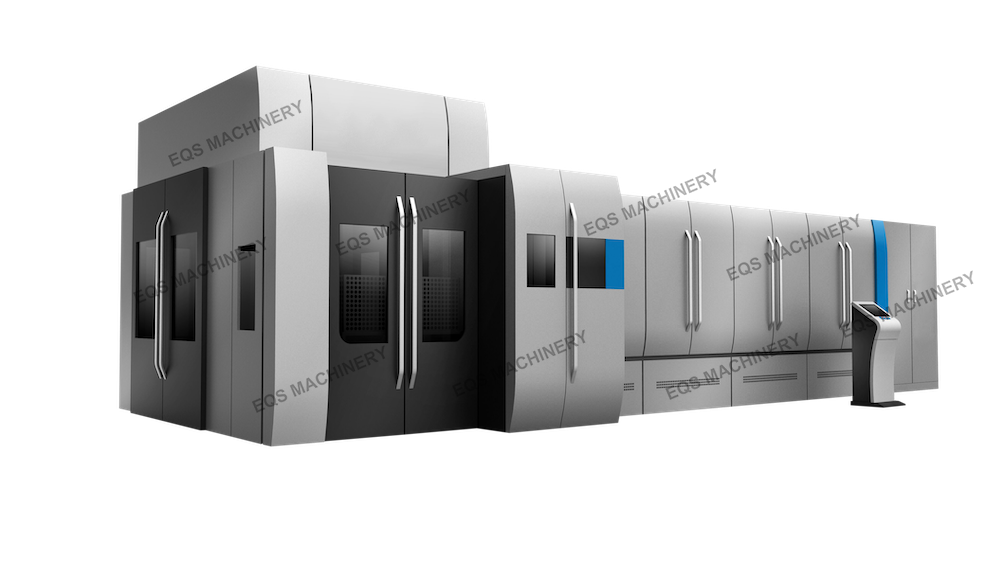
How Blowing Filling Capping Integration Drives End-to-End Efficiency
Synchronized monoblock architecture eliminates transfer bottlenecks
When it comes to modern beverage production, integrated blowing filling capping systems bring together PET container making, liquid filling, and sealing all in one smooth process. These systems work like a well-oiled machine where each step flows directly into the next. Traditional setups often had those annoying transfer points between machines which not only slowed things down but also created opportunities for contamination. Keeping everything contained from the moment plastic starts melting until caps are securely fastened makes a huge difference. According to recent studies on packaging automation (look at this 2023 report), manufacturers can cut waiting time between processes by around three quarters and slash their energy bills by about 40 cents for every thousand bottles produced. And let's not forget the space factor either these compact units take up roughly 35% less room than when companies run separate machines side by side while still managing to keep production speeds high and adaptability intact.
Real-time data integration and predictive maintenance reduce downtime
Today's monoblock production lines are starting to integrate IoT sensors throughout key components like blow molds, fill nozzles, and capping heads. These sensors collect live data about how everything is performing and staying healthy. The information goes into smart maintenance systems that can spot when parts start showing signs of wear or acting differently from normal before they actually break down. According to research published last year, factories using this kind of setup see their machines running smoothly 99.2% of the time. That's pretty impressive compared to older setups which only manage around 89% uptime on average. When it comes to making adjustments automatically, things get even better. Systems now control stuff like how thick the walls of bottles need to be and exactly how tight caps should go on. This kind of fine tuning makes products more consistent while saving materials at the same time. And because there's this constant feedback loop between machines and operators, unexpected stoppages happen less often. Factories report cutting down on those tedious manual quality inspections by almost 60% according to recent packaging industry reports.
Compact Footprint and Rapid Format Changeover for Agile Production
Space-saving monoblock design vs. traditional line layouts
When manufacturers combine three separate machines into a single monoblock unit, they get rid of all those transfer conveyors, buffer areas, and extra infrastructure that takes up so much space. This kind of integration can free up around 40% of factory floor area without cutting back on output at all. With less physical space needed, companies save money on facility costs and maintenance. The smaller setup also makes it easier to handle things like HVAC systems and getting cleanroom certifications, which is really important in industries making medicines or sterile drinks. Plus, these compact systems work better when expanding production facilities because they fit nicely into modular designs without major renovations.
Tool-less changeover: cutting format switch time by up to 70%
The key to agile production lies in how fast and accurate format changes can be made, something modern monoblock lines handle really well. These systems come equipped with standardized quick release clamps, servo driven positioning mechanisms, and automated recipes that let operators swap out different bottle sizes, shapes, or closures in just about 15 minutes flat. No need for wrenches, no tedious calibration processes, absolutely no manual setup whatsoever. What does this mean practically? Well, compared to older traditional lines, we're talking around 70 percent less downtime when switching formats. That kind of efficiency makes running smaller batches financially sensible for manufacturers. Plus it allows companies to react instantly to those seasonal fluctuations in demand or special promotion products without suffering any hit to overall productivity levels.
Ensuring Hygiene, Seal Integrity, and Sustainability in Every Blowing Filling Capping Cycle
ISO 22000-compliant sterile environment through enclosed blowing and filling
Integrated blowing filling capping systems that are completely enclosed reduce the need for manual handling and limit exposure to airborne particles during every stage of production, starting from when the preforms get heated all the way through to putting on the caps. When these systems include HEPA filtered air circulation along with automatic monitoring of environmental conditions, they actually satisfy ISO 22000 standards for food safety right from day one without needing extra modifications. The risk of contamination goes down somewhere around 90-95% when compared to traditional open line setups, which helps keep products safe, maintains compliance with regulations, and prevents costly recalls especially important for things like ready to drink drinks or medical injections where purity matters most. Less waste happening throughout production plus better control over processes contributes significantly towards sustainability efforts too, since companies end up using fewer raw ingredients, saving energy costs, and reducing their overall water consumption as well.
Precision torque control and leak-tested capping for extended shelf life
Getting the caps right matters a lot when it comes to product shelf life and keeping consumers safe. Integrated systems make sure this happens consistently across production lines. The high resolution torque sensors we use apply just the right amount of force for each specific application on every single cap. This helps avoid problems like under tightening that can lead to leaks or over tightening which might deform caps or damage threads. After sealing, containers go through what's called an inline leak detection process. Most commonly either vacuum decay testing or pressure decay methods are used here. These tests spot even tiny micro leaks within milliseconds. When both these steps work together properly, shelf life for perishable goods can actually increase by around 30%. That means less spoilage overall, fewer returns from customers, and importantly lower emissions during transportation and storage. Since the sealing quality gets checked while still on the production line rather than after everything else, manufacturers get complete confidence in their products from start to finish. This kind of thorough approach builds stronger brand reputation, cuts down on wasted resources, and meets those growing environmental, social and governance standards companies need to follow these days.
FAQ Section
What is monoblock architecture in blowing filling capping systems?
Monoblock architecture refers to the integration of multiple processes such as blowing, filling, and capping within a single machine unit, eliminating transfer bottlenecks and improving efficiency.
How does real-time data integration improve production efficiency?
Real-time data integration allows for constant monitoring of machine health and performance through IoT sensors, enabling predictive maintenance and reducing downtime significantly.
What are the benefits of compact footprint systems?
Compact footprint systems save physical space, reduce facility and maintenance costs, and facilitate easier handling of HVAC systems and cleanroom certifications.
How do integrated systems ensure hygiene and sustainability?
Integrated systems are enclosed, reducing exposure to airborne particles and contamination, meeting ISO 22000 standards, and optimizing resources to contribute to sustainability.