 EN
EN


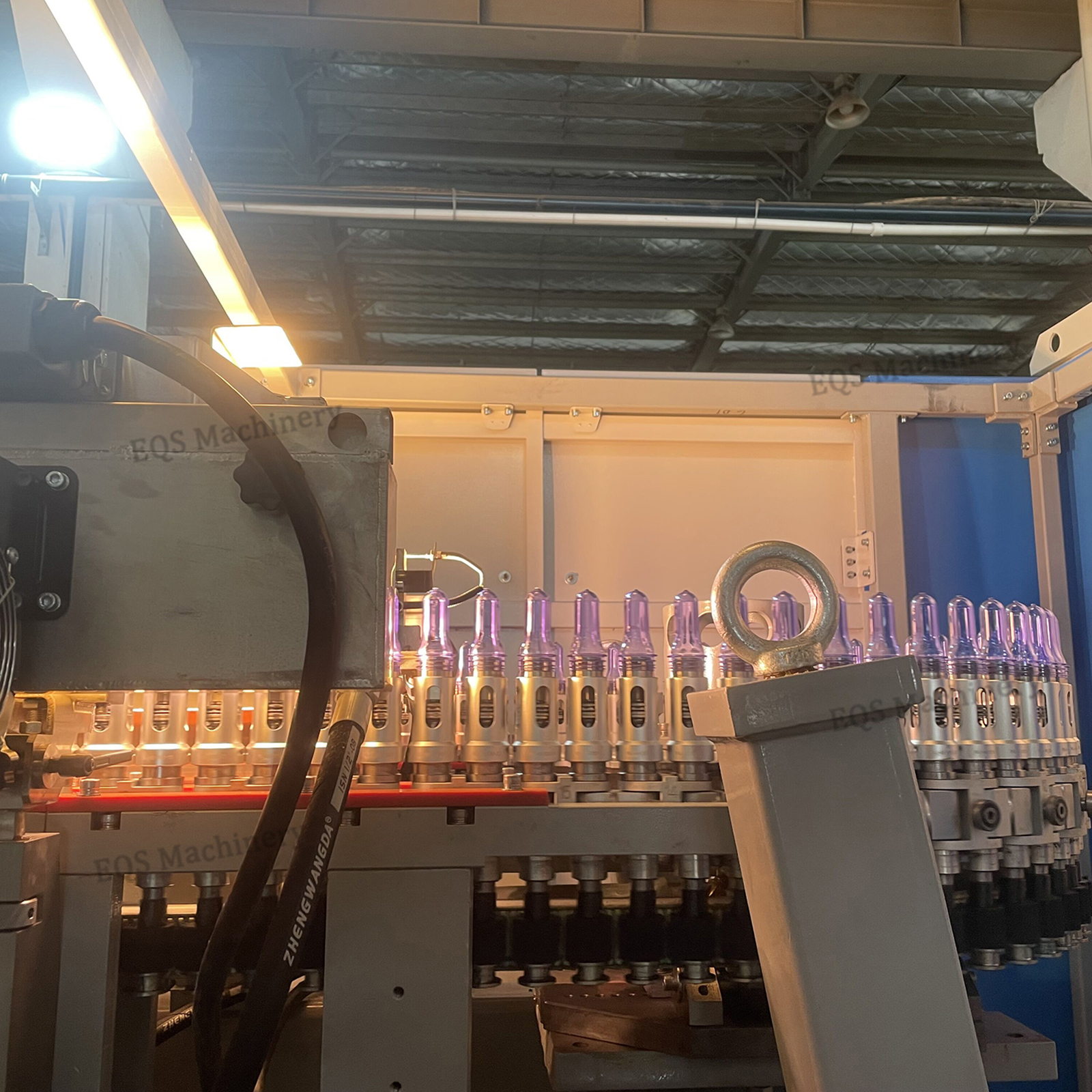
Why Blowing Filling Capping Integration Delivers Operational Excellence
Integrated blowing filling capping (BFC) systems transform production efficiency by unifying container formation, product filling, and closure application into a single automated sequence. This consolidation eliminates material handling delays between standalone machines while reducing contamination risks from open transfers.
Monoblock vs. Modular BFC Systems: Trade-offs in Efficiency, Hygiene, and Line Scalability
Monoblock machines combine multiple processing steps within a single unit, which cuts down on floor space requirements by around 60% and speeds up switching between products. These integrated systems also maintain better cleanliness standards since there are fewer places where contamination could occur, plus they typically run about 20 percent quicker per cycle. That makes them particularly attractive for production environments needing maximum output capacity. On the flip side, modular setups let manufacturers scale individual components like blow molding, fill stations, or sealing units separately. This flexibility becomes really important when dealing with different packaging sizes or updating older equipment lines. The tradeoff here is worth noting though: upgrading a monoblock means replacing the whole system at once, whereas modular installations permit selective improvements without shutting down operations entirely during the process.
Real-World Impact: How Integrated Blowing Filling Capping Reduced Downtime by 37% for a Dairy Producer
When this mid size dairy operation swapped out all those separate machines for a full blown integrated BFC line, they noticed something pretty amazing happening right away. The constant interruptions from moving bottles between different stations basically disappeared overnight. What really made a difference was how the automated system linked up the blowing and capping processes so seamlessly that alignment problems which used to cause most of their leaky products dropped off dramatically. Looking at the numbers, their overall equipment effectiveness jumped from around 65% straight up to nearly 90% within just ten months, saving them about seven hundred forty thousand dollars each year on downtime alone according to last year's packaging industry report. Plus, keeping everything flowing continuously meant less chance of getting contaminants into the product during transfers, which cut down rejected batches by almost twenty percent across the board.
Blowing filling capping integration delivers compounding returns: reduced energy use, labor costs, and microbial risks translate to 18–24 month payback periods despite higher initial investment. Production lines achieve near-uninterrupted operation, with integrated systems demonstrating 99.2% uptime versus 89% for fragmented setups.
Critical Blowing Filling Capping Selection Criteria Beyond Throughput
Bottle Compatibility, Torque Precision, and Material Handling—Engineering Benchmarks That Prevent Recalls
When choosing blowing filling capping equipment, manufacturers need to look at several key engineering aspects besides just how fast the machines run. Bottle shape compatibility matters a lot because if the neck finish or body dimensions don't match properly, containers get jammed during processing. According to Packaging Digest data from 2023, these mismatches affect around 23% of production lines. Getting the right torque is another big deal point. The cap needs to be tightened within a range of plus or minus 0.2 Newton meters. If not, either too loose or too tight caps can lead to leaks, something that happens in approximately 1 out of every 5,000 units produced. Material handling systems also play their part since they have to work with different plastics like PET and HDPE without causing stress fractures. One real world example shows why these three factors matter so much together. A major beverage company cut down on product recalls by nearly 90% once they upgraded to laser guided alignment sensors along with servo controlled capping heads for their production line.
| Parameter | Failure Risk | Precision Standard |
|---|---|---|
| Bottle Tolerance | Misalignment jams | ±0.05mm diameter |
| Capping Torque | Seal integrity breaches | ±0.15 N·m variance |
| Material Resilience | Micro-fracture contamination | NSF/ISO 10993 |
The Viscosity Trap: Why High-Speed Blowing Filling Capping Can Compromise Seal Integrity in Foaming or Thick Products
Fast production lines for blowing, filling and capping operations tend to trade accuracy for speed, which can be really problematic when dealing with thick products. When syrups or emulsions above 5,000 centipoise get poured quickly, they form all sorts of turbulence that creates air bubbles inside containers. These little pockets actually weaken the seams on foamy products by about 37%, according to Food Engineering from last year. Hair conditioners and similar thick products face the same issues too. The high speeds generate shear forces that basically tear apart the emulsion before the cap even gets sealed properly. What works better? Adaptive viscosity control systems. Companies are increasingly turning to progressive cavity pumps paired with variable frequency drives. These setups let manufacturers tweak flow rates as needed, keeping things flowing smoothly rather than chaotically. Tests in cosmetics showed this approach cuts down on sealing failures by roughly half, which makes a big difference in quality control.
Capping Technology Alignment: Matching Closure Type and Container Demands
Getting the capping technology aligned properly stops leaks, keeps products clean, and saves companies from expensive recalls because the blowing filling capping system works perfectly with different types of closures and containers. With screw caps, maintaining just the right amount of torque matters a lot since too loose means spills happen, but too tight can actually crack those PET bottles. Snap lids need careful pressure settings so they form a good seal without squishing those thin walled containers out of shape. When dealing with special cases such as medicine vials or makeup pumps, machines powered by servos adjust their capping strength automatically based on what's being sealed, making sure everything stays tight regardless of how thick or runny the contents are. Machines that handle all sorts of cap shapes from spray triggers to ROPP closures cut down on setup time around 40 percent, which makes production lines work faster. Matching up how closures function with what containers need isn't optional if manufacturers want their products to last on store shelves and keep consumers safe.
Hygiene & Compliance Essentials for Food, Pharma, and Cosmetics Blowing Filling Capping Lines
IP69K Enclosures, NSF H1 Lubrication, and CIP-Compatible Design as Non-Negotiables
In regulated industries, hygienic design simply cannot be overlooked when it comes to blowing filling capping systems. The IP69K rating on enclosures offers essential defense against those intense pressure washes and keeps out particles that might otherwise create places where bacteria can hide. When it comes to lubricants, only NSF H1 certified food grade materials will do since they prevent any risk of contamination if there happens to be contact with products during operation. Clean-in-Place or CIP compatibility makes things much easier because operators can run automated sterilization cycles without having to take apart equipment. According to recent 2023 hygiene reports from dairy processors, this approach cuts down on potential microbial growth spots by around 92%. All these elements work together to meet regulatory standards while keeping production running smoothly.
- IP69K ensures enclosure integrity during sanitation
- NSF H1 guarantees lubricant safety
-
CIP design minimizes human intervention
Neglecting any component risks product recalls, with contamination-related losses averaging $740k (Ponemon Institute 2023). Manufacturers must verify these benchmarks during blowing filling capping machine validation.
FAQ
-
What are the advantages of integrated blowing filling capping systems?
Integrated systems streamline the production process by reducing delays, contamination risks, and increasing uptime. Companies often experience a quick payback from reduced operational costs. -
How do monoblock and modular BFC systems differ?
Monoblock systems are compact and efficient, while modular systems offer flexibility and upgradeability without complete redesigns. -
What factors should be considered in choosing BFC equipment?
Manufacturers should consider bottle compatibility, capping torque precision, and the resilience of materials the system will handle. -
How can viscosity affect blowing filling capping operations?
High viscosity can compromise seal integrity in fast machines, adaptive control systems are recommended for handling thick products effectively.
Table of Contents
- Why Blowing Filling Capping Integration Delivers Operational Excellence
- Critical Blowing Filling Capping Selection Criteria Beyond Throughput
- Capping Technology Alignment: Matching Closure Type and Container Demands
- Hygiene & Compliance Essentials for Food, Pharma, and Cosmetics Blowing Filling Capping Lines