 EN
EN


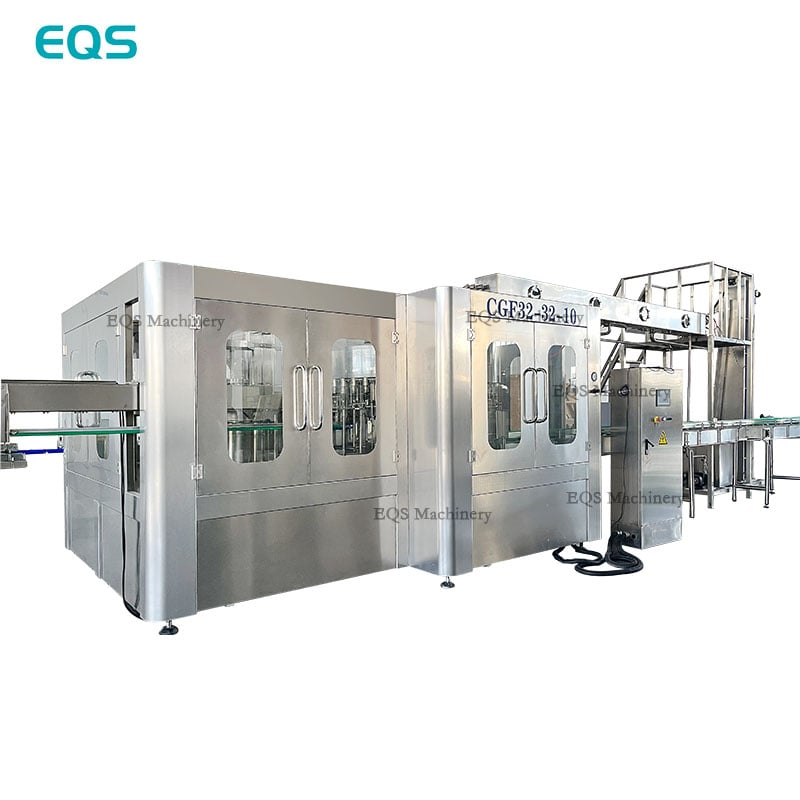
How Automatic Water Filling Machines Work: Automation, Precision, and Control
Automatic water filling machines streamline production through advanced automation, precision liquid dispensing, and intelligent control systems. These systems integrate sensors, programmable logic controllers (PLCs), and precision valves to ensure consistent fill levels and operational reliability.
Core working principles of water filling machines and liquid dispensing accuracy
The core principle involves container detection, volumetric measurement, and controlled dispensing. Sensors identify bottle presence and position, triggering fill nozzles to release pre-set volumes with accuracies within 0.5%. This eliminates manual errors and ensures every container meets exact specifications, whether for small 500ml bottles or large 5-gallon containers.
Volumetric filling and level sensing technologies for consistent results
Volumetric filling uses piston or flowmeter systems to measure liquid before dispensing, while level sensors monitor fill heights in real-time. Technologies like servo-driven valves adjust flow rates from 200ml to 5 liters per second, adapting to different bottle shapes and sizes. This combination ensures uniform fills and minimizes product loss.
Role of PLC automation and control systems in ensuring operational consistency
PLC systems act as the central brain, coordinating all machine functions. They enable real-time monitoring, automatic adjustments, and data logging for quality assurance. Operators can set parameters like fill duration and indexing timing via user-friendly interfaces, ensuring consistent performance and compliance with food safety standards.
Key Components of an Automated Water Filling Machine System
Modern water filling machines come packed with key parts that make sure liquids get dispensed properly and efficiently. At the heart of these systems we find pumps that move the liquid around, conveyors that carry bottles along the line, precision valves controlling how much flows out, plus automatic cappers that seal everything tight. All these pieces need to coordinate well so they can deal with different sized containers and keep up with varying production demands. Some high end models actually manage to fill bottles with incredible accuracy down to about half a percent variance thanks to their computer controlled nozzles and those fancy servo driven valves that adjust on the fly.
Essential components: pump, conveyor, valves, and capping mechanisms
A good pump keeps the pressure steady so liquids move reliably through the system. Meanwhile, the conveyor belts handle all those bottles as they travel between various processing points along the line. The valves are pretty precise too, adjusting flow rates depending on what size container is coming through – everything from small 200ml bottles right up to large 5 liter ones. And when it comes time to seal them, automated capping machines do their thing with just the right amount of force to make sure nothing leaks out later. All these components work together so smoothly that some facilities can actually crank out around 12,000 bottles every single hour. Pretty impressive stuff for anyone running a serious bottling operation.
Integrated rinsing, filling, and capping in 3-in-1 bottled water filling machines
Three-in-one packaging systems bring together rinsing, filling, and capping all in one automated workflow. First up is the rinse module which gets containers clean with pressure adjustments tailored for various materials like PET plastics or glass bottles. Next comes the fill station where exact amounts go into each container via several nozzles at once. Right after filling completes, the capper seals everything shut without any delay. Manufacturers love these combined systems because they cut down on cross contamination chances and save precious time during line transitions when switching between different production phases.
Tamper-evident capping and sealing for product safety and compliance
Tamper evident caps work by showing if someone has opened a package, thanks to special designs that make it impossible to reseal once broken. Most modern systems use torque controlled applicators which help maintain secure closures throughout the process and meet all those important food safety standards we have to follow. Before items get packaged, automatic detectors check whether the seals are correctly applied. This means nothing gets sent down the production line unless it's been properly sealed first, which saves time and money in quality control later on.
Boosting Production Efficiency with Automated Water Filling Systems
Increased output speed and reduced cycle times through automation
Water filling machines that work automatically really bump up production efficiency because they speed things up and cut down on how long each cycle takes. Manual work just cant keep pace most of the time since people tend to be slower and make mistakes here and there. Automated systems handle everything from cleaning bottles to actually filling them and putting caps on top all in one smooth operation that runs nonstop at high speeds. When companies install modern control tech into these setups, they find less downtime between tasks and fewer places where the line gets backed up. This means factories can produce more products faster to keep up with what customers want. Some research indicates that switching to automatic bottling can actually double productivity rates over traditional hand operated methods. For businesses dealing with large orders regularly, going automatic is pretty much essential nowadays.
Minimizing human error and labor dependency in high-speed operations
When it comes to fast paced manufacturing settings, automation really makes all the difference when it comes to cutting down on mistakes people make and lessening reliance on manual labor. People working manually at filling stations tend to get inconsistent results, sometimes spill products, and generally slow things down because they get tired or miss something important. Automated water filling systems work differently though. These machines fill bottles with pretty much the same amount every single time and seal them properly without any of the guesswork involved. Better quality products mean fewer wasted materials for companies, which saves money. Plus workers can focus on other areas where their skills actually matter instead of just standing there watching machines do what they're supposed to do anyway. Most factories report smoother operations overall once they switch from hand operated systems to these automated solutions.
Real-world performance: Output data from a leading manufacturer
Looking at actual factory floor results shows just how good automated water filling systems really are for industrial operations. One big name in manufacturing saw their production jump by around 40% once they brought in automated filling tech for their assembly lines. The machines run fast most of the time too, with very little stopping and starting. Standard setups can handle close to 2,000 bottles every hour, though this depends on what exactly needs to be filled. What makes these systems so valuable is that they cut down on waiting between cycles and keep running reliably day after day. This means factories can scale up production without sacrificing the quality control that's so important in food and beverage industries.
Ensuring Hygiene and Safety in Automated Water Filling Processes
Sealed Automation Environments for Cleaner, Contamination-Free Production
Today's water filling machines work within completely sealed automated environments, which helps cut down on contamination from both the air and people working around them. Most of these systems are built using stainless steel materials with smooth surfaces that bacteria just can't stick to, making them much easier to clean properly after each batch. Industry data shows that when companies switch from manual filling to automated lines, they typically see about a 98% drop in contamination problems. That's why many manufacturers now consider automated systems almost necessary if they want their products to stay pure. With the closed system setup, nothing from outside gets into the actual filling area. Plus, there's controlled air pressure keeping dust and other particles out too. So even though the process is fast enough for high volume production, each bottle still comes out meeting all the required hygiene standards.
Bottle Rinsing Systems and Microbial Control in Automated Filling Lines
Bottle rinsing systems play an essential role in keeping automated water filling operations clean and safe. These systems typically use high pressure sterile water or powerful air jets to wash away dirt particles and germs from containers before they get filled. Many modern facilities also incorporate extra measures like ultraviolet light treatments and ozone gas for added protection against bacteria and other unwanted organisms. Water quality stays consistently good throughout production, as top equipment makers claim their systems can cut down microbes by over 99.9% in the final product. When companies automate these cleaning processes, they get much better consistency in sanitation standards. This removes the guesswork from manual cleaning where different people might do things slightly differently, which matters a lot when thousands of bottles need processing each day without any contamination risks.
Integration Across Industries: From Bottled Water to Smart Factories
Applications of Water Filling Machines in the Broader Food and Beverage Industry
Automatic water filling machines play a big role in bottled water production but they're actually used throughout the entire food and beverage sector as well. These machines handle everything from fruit juices and fizzy drinks to cooking oils and milk products. What makes these systems so valuable is how consistently they fill containers, even when dealing with tricky substances like thick syrups or concentrated mixtures. Today's equipment can get really close to perfect measurements too, typically staying within about half a percent accuracy regardless of what kind of liquid is being processed. This level of precision helps keep product quality high while also reducing waste, which matters a lot for manufacturers working with different kinds of beverages.
Connecting Water Filling Systems with Industrial Automation and IoT Ecosystems
Modern water filling machines really start showing their worth once they're part of bigger industrial automation setups and IoT networks. When these systems get connected, what was once just standalone machinery becomes smart components inside smart factories. The data moves smoothly between different parts of production without anyone needing to manually transfer it all. Industry reports indicate that companies making the switch to IoT linked filling systems often see around 15 to 20 percent less downtime because they can predict when maintenance is needed before breakdowns happen. Real time monitoring happens thanks to sensors, and central controls tweak how much gets filled depending on what's actually required at any given moment. What this means for manufacturers is complete oversight from when ingredients first come in until products roll off the line ready for shipment. Everything stays connected throughout, which makes operations run better and keeps quality standards high across the board.
Frequently Asked Questions (FAQ)
How do automatic water filling machines improve production efficiency?
Automatic water filling machines enhance production efficiency by providing faster operational speeds and reducing cycle times compared to manual processes. Automation reduces human error, increases output, and enables continuous operation, ensuring higher productivity rates.
What are the core components of an automated water filling system?
An automated water filling system typically includes pumps, conveyor belts, precision valves, and capping mechanisms. These components work in harmony to move liquids through the system efficiently, handle different bottle sizes, and ensure accurate filling and sealing.
Are automated water filling machines suitable for different industries?
Yes, automated water filling machines are versatile and widely used across various industries, including bottled water, food, beverage, and even some non-food applications. They reliably handle different liquid types and container sizes.
How do automated systems maintain hygiene and safety standards?
Automated systems maintain hygiene and safety standards through sealed environments, stainless steel construction, and controlled air pressure, preventing contamination. Additional features like bottle rinsing systems and microbial controls further ensure cleanliness.
Table of Contents
- How Automatic Water Filling Machines Work: Automation, Precision, and Control
- Key Components of an Automated Water Filling Machine System
- Boosting Production Efficiency with Automated Water Filling Systems
- Ensuring Hygiene and Safety in Automated Water Filling Processes
- Integration Across Industries: From Bottled Water to Smart Factories
- Frequently Asked Questions (FAQ)