 EN
EN


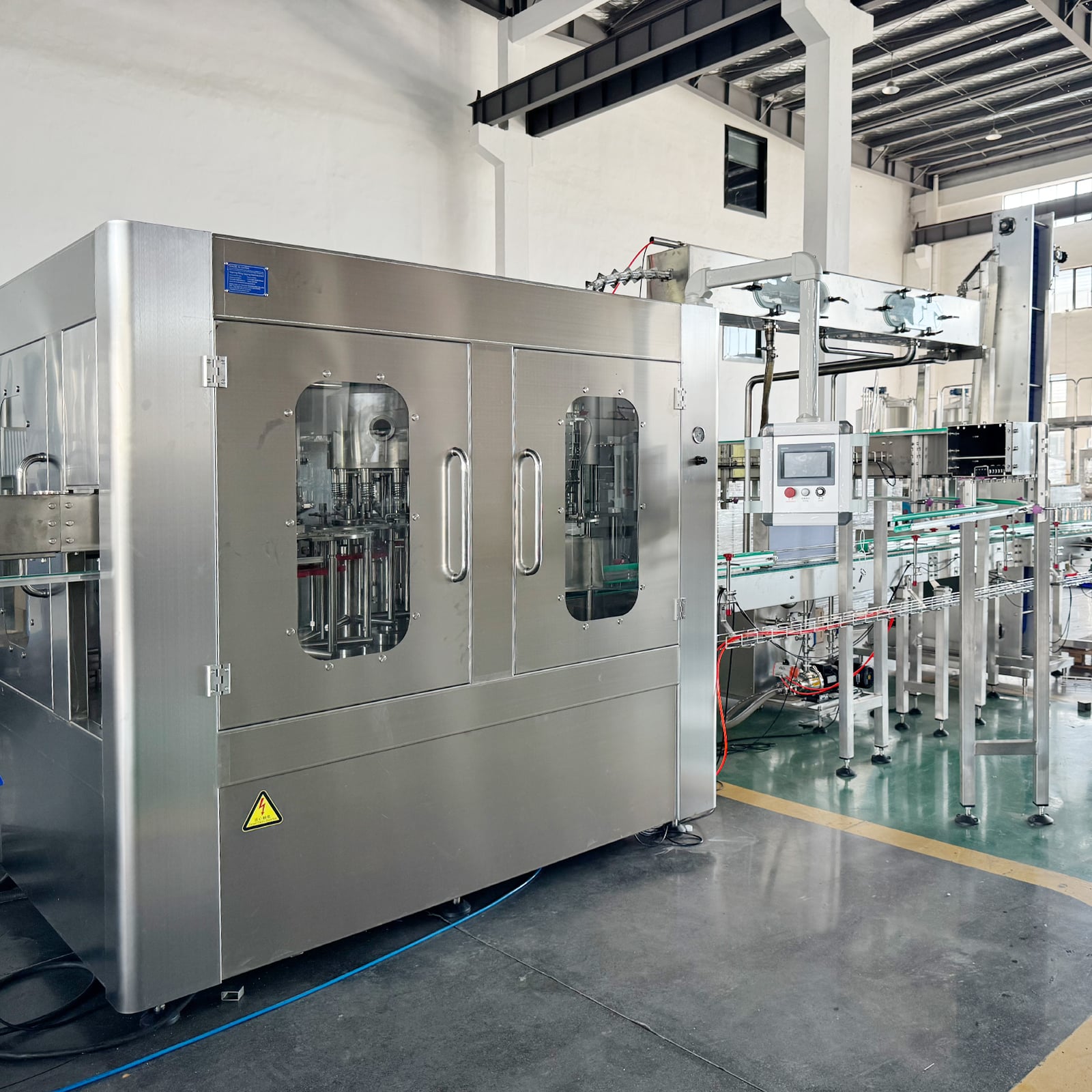
How Water Filling Machines Work: Core Principles and Automation Trends
Modern water filling machines combine precision engineering with smart automation to achieve speeds exceeding 30,000 bottles/hour while maintaining ±0.5% fill accuracy. These systems have evolved from mechanical operations to PLC-controlled processes, with 82% of new installations featuring IoT-enabled monitoring (2024 Bottling Automation Report).
The Rise of Fully Automated Water Bottling Systems
Automation reduces human intervention by 95% in advanced lines, integrating servo-driven conveyors, vision-guided bottle positioning, and self-cleaning nozzles. A 2023 Food Manufacturing Journal study showed automated systems cut downtime by 40% through predictive maintenance algorithms.
Core Mechanisms Behind Automatic Water Filling Machine Operation
Three primary systems work in concert:
- Rinsing modules using ionized air jets (20–30 psi) to remove particulates
- Volumetric fillers with flow meters (accuracy ±0.25%)
- Torque-controlled cappers maintaining 8–12 N·m sealing force
The liquid filling process follows a strict sequence—bottle positioning → vacuum testing → nitrogen purging → volumetric filling → cap sterilization → hermetic sealing.
Optimizing Volumetric Control for Consistent Fill Accuracy
Advanced machines employ Coriolis mass flow meters and laser sensors, dynamically adjusting fill volumes based on real-time viscosity and temperature data. Leading manufacturers report 0.3–0.7 mm liquid level consistency across 50,000+ bottle runs through closed-loop feedback systems.
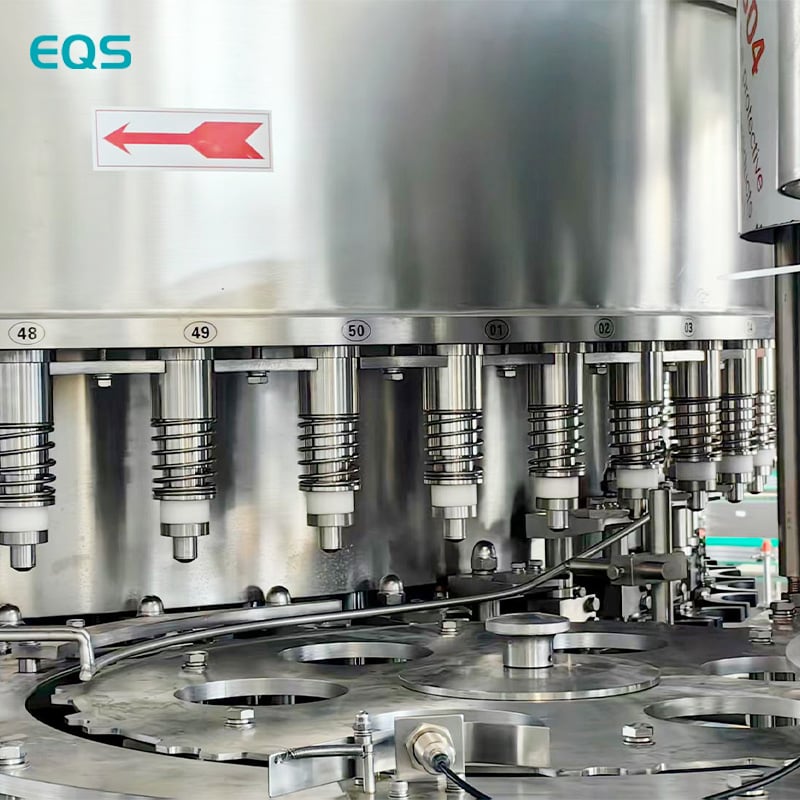
Bottle Rinsing: Ensuring Purity Before Filling
Rinsing as the First Critical Step in Modern Water Filling Machines
Good bottle rinsing can remove around 99.3% of those pesky particles inside bottles according to IBWA research from 2023. This makes proper rinsing absolutely essential for keeping water filling machines clean and hygienic. These days most facilities have automated their rinsing processes. The bottles get flipped upside down while powerful jets blast away any residue left over from storage or transportation. Plants that make bottle rinsing a priority see a massive drop in microbial contamination too. Studies in the Food Safety Journal back this up showing about a 74% reduction when compared to old fashioned manual methods. Cleaner bottles mean better tasting water and fewer headaches dealing with regulatory inspections down the line.
Dry vs. Wet Rinsing: Effectiveness in High-Speed Production Lines
For those running high volume lines above 24 thousand bottles per hour, dry rinsing using just compressed air has become the go to method for lightweight containers. This approach cuts down on both drying steps and overall energy consumption compared to traditional methods. When dealing with glass bottles or recycled plastic materials that need extra cleaning, most facilities still stick with wet methods as they provide better sanitation results. Some recent testing indicates that dry systems can hit around 98 point one percent cleanliness while saving about twelve percent on operating expenses. Meanwhile, wet rinsing keeps delivering close to ninety nine point six percent effectiveness especially when handling containers with complicated shapes. These days, pretty much every new hybrid water filling machine comes equipped with switchable operation modes so producers can easily adapt between different product types during their shifts.
Precision Filling: Methods, Valves, and Volume Control
Filling Valve Types and Their Role in Mineral Water Packaging
Valve selection directly impacts production speed and spill prevention:
| Valve Type | Flow Rate (L/min) | Best For | Accuracy |
|---|---|---|---|
| Rotary Spindle | 40–60 | Standard PET bottles | ±1.5% |
| Diaphragm | 20–35 | Carbonated beverages | ±0.8% |
| Servo-Piston | 15–30 | High-viscosity additives | ±0.3% |
Diaphragm valves now incorporate anti-drip nozzles that reduce product loss by 18% versus traditional designs.
Calibration Techniques for Accurate Fill Volumes
Automated calibration protocols using load cells and flow meters maintain ±0.5% volume consistency across 12-hour production runs. Leading bottlers implement real-time viscosity compensation—adjusting fill parameters when temperatures alter water flow characteristics. Regular nozzle wear checks through statistical process control (SPC) prevent deviations exceeding 2% from target volumes.
Balancing Speed and Accuracy in High-Capacity Water Filling Systems
Current generation machines achieve 72,000 bottles/hour throughput without compromising ±1% fill accuracy through:
- Predictive maintenance algorithms for valve assemblies
- Adaptive PLC timing that auto-adjusts for container geometry
- Infrared sensors detecting foam levels for anti-overfill intervention
Capping Technology: Secure Sealing for Quality Packaging
Types of Capping Machines: Spindle, Magnetic Torque, and More
Modern water filling machines employ spindle cappers for screw-top closures (applying 2–15 N·m torque) and magnetic torque systems for precision-controlled sealing. Pneumatic cappers handle 35–50 containers/minute for snap-on caps, while rotary machines achieve 95% efficiency with twist-off lids in high-volume operations.
Integrated 3-in-1 Systems: Streamlining Rinsing, Filling, and Capping
How 3-in-1 Water Filling Machines Boost Production Efficiency
Three in one water filling machines bring together rinsing, filling, and capping all in one machine instead of having separate units. This cuts down on those wasted moments when switching from one step to another, saving around 30 seconds per bottle compared to older setups. When companies put these three steps together, they typically see their production cycles speed up somewhere between 15 to 20 percent without compromising on cleanliness standards like ISO 22000. Plus, these combined machines take up much less floor space than traditional ones, sometimes cutting down factory needs by almost half. For smaller to medium sized bottling plants looking to expand without breaking the bank, this compact design makes scaling operations financially viable without needing massive investments in new facilities.
PLC Automation in Synchronizing Rinsing, Filling, and Capping
Programmable logic controllers (PLCs) orchestrate critical timing parameters across subsystems:
- Bottle rinsing concludes 0.5 seconds before filling nozzles engage
- Capping heads activate within 1.2 seconds post-fill completion
- Sensors reject underfilled containers at 200 bottles/minute rates
This synchronization minimizes spillage risks while achieving 99.4% operational uptime in optimized bottling lines, according to 2023 beverage production data.
Case Study: 40% Throughput Increase with Integrated Systems
A leading manufacturer redesigned their mineral water line using 3-in-1 automation, achieving:
| Metric | Before | After | Improvement |
|---|---|---|---|
| Bottles/hour | 12,000 | 16,800 | +40% |
| Changeover time | 45 min | 8 min | -82% |
| Energy consumption | 28 kW/h | 19 kW/h | -32% |
The system’s closed-loop volumetric control reduced product waste by 18%, proving the viability of integrated solutions for high-volume bottling demands.
FAQ Section
What are the key components of a modern water filling machine?
Modern water filling machines primarily consist of rinsing modules using ionized air jets, volumetric fillers with flow meters, and torque-controlled cappers.
How do 3-in-1 water filling machines improve efficiency?
3-in-1 water filling machines streamline the processes of rinsing, filling, and capping into one unit, reducing transition times and saving significant floor space.
Table of Contents
- How Water Filling Machines Work: Core Principles and Automation Trends
- Bottle Rinsing: Ensuring Purity Before Filling
- Precision Filling: Methods, Valves, and Volume Control
- Capping Technology: Secure Sealing for Quality Packaging
- Integrated 3-in-1 Systems: Streamlining Rinsing, Filling, and Capping
- FAQ Section