 EN
EN


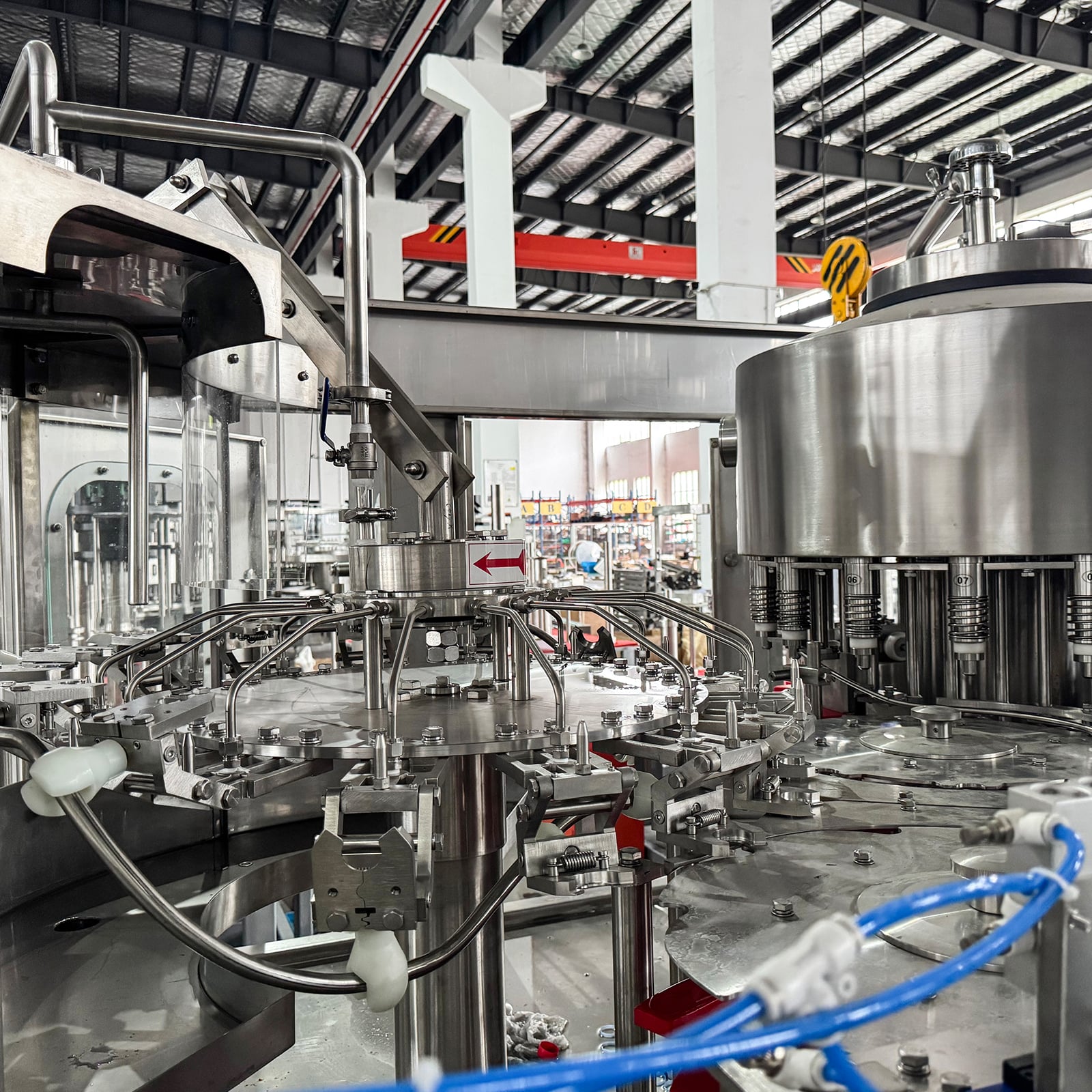
Energy Efficiency as a Core Design Principle in Water Filling Machines
How Energy Efficiency Reduces Operational Costs in Bottling Lines
Water filling machines today are built with energy saving in mind, especially when looking at their motor systems and pneumatic controls. According to recent industry reports, roughly half to two thirds of all energy consumed in a typical bottling operation actually goes toward running the filling equipment itself. When companies switch to more efficient models, they often see cuts of around 30 to 40 percent in electricity usage per individual bottle produced.
Case Study: Achieving 38% Energy Reduction with VFD-Integrated Fillers
A bottling facility in Thailand tackled the problem of seasonal demand swings that were eating up 28% extra energy by installing variable frequency drives (VFDs) equipped with smart speed control on all 12 of their filling lines. After making this change, they saw their energy consumption during the filling process drop by nearly 40%. The production rate stayed steady at 12,000 bottles every hour, but the motors ran 15% less time overall. This translated into real money saved too - around $85k each year. The company got its investment back in just 18 months. Looking at similar cases across the industry, most businesses see returns on VFD upgrades between 3 to 5 years while cutting down carbon dioxide emissions by roughly 340 tons per line yearly. These kinds of improvements are becoming increasingly common as manufacturers look for ways to cut costs and meet environmental goals simultaneously.
High-Speed Precision Filling for PET Bottles Without Deformation
Challenges of High-Volume Production in PET Bottle Filling Machines
Getting those lightweight PET bottles filled at speeds over 24k per hour is no small feat for engineers working on production lines. These thin-walled containers just love to deform when hit by liquid impact forces, which means fill levels end up all over the place. We're talking about volume differences ranging from 12 to 17 mL in setups that haven't been properly optimized yet. And let's not forget about those caps needing proper seals. The nozzles have to be positioned dead accurate within half a millimeter either way. Even the slightest misalignment here will lead to leaks or worse, complete structural failures while running at full speed through the line.
Seamless Integration with Preform Handling and Blow-Molding Lines
Next-generation fillers achieve 98.7% synchronization accuracy with upstream blow-molding systems through real-time servo coordination. Newly formed bottles transfer directly to filling stations within 4–7 seconds, eliminating intermediate storage. Integrated automation monitors 23 parameters—including preform temperature (102–108°C) and valve response time (0.03 seconds)—to ensure consistent quality during continuous 24/7 production.

Optimized Glass Bottle Filling with High Throughput and Low Breakage
Modern water filling machines designed for glass bottles balance high-speed output with exceptional container protection. Advanced engineering enables near-perfect fill accuracy even at extreme throughputs, making glass a competitive option for large-scale beverage operations.
Engineering Water Filling Machines for Glass Bottle Compatibility and Durability
Fillers designed specifically for glass work typically feature grade 304 stainless steel parts that touch the bottles, along with conveyors that balance themselves as they move. These machines can handle glass containers weighing all the way up to 2 kilograms without issue. What really sets them apart are those special shock absorbing grippers and capping heads that limit how much force they apply. This matters because different types of glass have varying thicknesses from about half a millimeter right up to 5 mm thick. The improvements made in these specialized systems actually cut down on tiny cracks forming when bottles get transferred between stations. According to last year's edition of Filling Technology Quarterly, such purpose built equipment lasts around 60 percent longer than generic filling setups used across multiple industries.
Adjustable Nozzles and Cushioned Conveyors to Reduce Breakage
Precision components work together to achieve breakage rates below 0.1% at 15,000 bottles/hour:
| Component | Function | Breakage Reduction Impact |
|---|---|---|
| Pneumatic Nozzles | Auto-centering on bottle necks | 38% reduction |
| Silicone Cushioned Belts | Vibration dampening | 27% reduction |
| Magnetic Flow Control | Smooth liquid deceleration | 19% reduction |
These technologies, validated in glass filling optimization studies, support rapid changeovers while preserving bottle integrity.
Real-World Performance: 99.4% Fill Accuracy at 12,000 Bottles Per Hour
One bottling facility achieved 99.4% fill accuracy at 12,000 bottles/hour with only 0.08% breakage. The integration of laser-guided volume verification and predictive maintenance algorithms sustains this performance continuously. This system also outperformed traditional setups by 53% in energy efficiency, demonstrating how precision and sustainability coexist in modern glass filling.
Smart System Integration for Sustainable Bottling Operations
IoT-Enabled Predictive Maintenance to Reduce Downtime and Carbon Footprint
By analyzing vibration, temperature, and motor performance data, smart fillers detect wear patterns weeks before failure. This predictive capability reduces unplanned downtime by 20% and lowers energy consumption by 9—14%, as confirmed by a 2023 industry analysis. Timely interventions prevent inefficient operation due to worn components and extend equipment lifespan.
Data-Driven Energy Mapping: Identifying Peak Loads in the Filling Stage
With machine learning tools now being used across manufacturing, companies can map out their energy usage patterns pretty accurately. These systems spot when energy consumption spikes during processes like sterilization or bottle capping. Smart manufacturers take this data and start moving around those non essential operations to times when electricity rates are lower. Some even invest in temporary storage solutions for things like compressed air systems and cooling units. A food processing plant in Wisconsin actually managed to reduce its highest energy bills by nearly 27 percent last year. They did this by shifting certain heat intensive operations using the real time maps generated from their ML system.
Supporting the Circular Economy with Reusable and Refillable Bottle Systems
Designing Water Filling Machines for Reusable Bottle Logistics
The latest generation of fillers actually work really well within circular economy frameworks. They come equipped with these clever grippers that can handle all sorts of glass containers and PET bottles that get returned, plus they have modular setups that fit right into reverse logistics systems. The standardized neck finish on bottles is another big plus because it means different brands' returnable containers can go through the same processing line without needing constant readjustments. All these features really boost how effective deposit return programs are. According to some market research from 2025, when stores started using automatic ID tech alongside these systems, people were about 24 percent more likely to participate in bottle returns. Makes sense why manufacturers are getting excited about this stuff.
Hygienic Rinsing and Pre-Filling Validation for Returnable Containers
Triple-stage automated rinsing achieves a 6-log microbial reduction in under 90 seconds, ensuring safety for reused bottles. High-speed vision systems inspect over 300 bottles per minute, rejecting those with microfractures or contamination. This rigorous validation supports circular systems that reduce carbon emissions by 85% compared to single-use packaging.
Industry Leadership in Circular Economy Alignment
More forward thinking manufacturers are starting to build lifecycle analysis tools right into their machine designs so they can actually measure how much better reuse is for the environment. Some plants have energy recovery systems that grab around 92 percent of the heat generated during sterilization and then put it back to work in the filling lines. What this means for bottling companies is they can hit those tough zero waste goals without slowing down production too much, keeping output rates well over 15 thousand bottles per hour. And this shows something pretty interesting really, that getting good at running operations doesn't have to come at the expense of going green.
FAQ
What are the primary energy-saving technologies used in modern water filling machines?
IE4 super premium motors, servo-driven valves, and variable frequency drives are the primary technologies that contribute to energy savings in modern water filling machines.
What makes modern glass bottle fillers more durable?
Modern glass bottle fillers use stainless steel parts, shock-absorbing grippers, and capping heads to handle varying glass thickness, reducing breakage and extending equipment lifespan.
Why are reusable and refillable bottle systems important for sustainability?
Reusable and refillable systems reduce carbon emissions and waste by allowing bottles to be reused within circular economy frameworks, decreasing reliance on single-use packaging.
Table of Contents
- Energy Efficiency as a Core Design Principle in Water Filling Machines
- High-Speed Precision Filling for PET Bottles Without Deformation
- Optimized Glass Bottle Filling with High Throughput and Low Breakage
- Smart System Integration for Sustainable Bottling Operations
- Supporting the Circular Economy with Reusable and Refillable Bottle Systems