 EN
EN


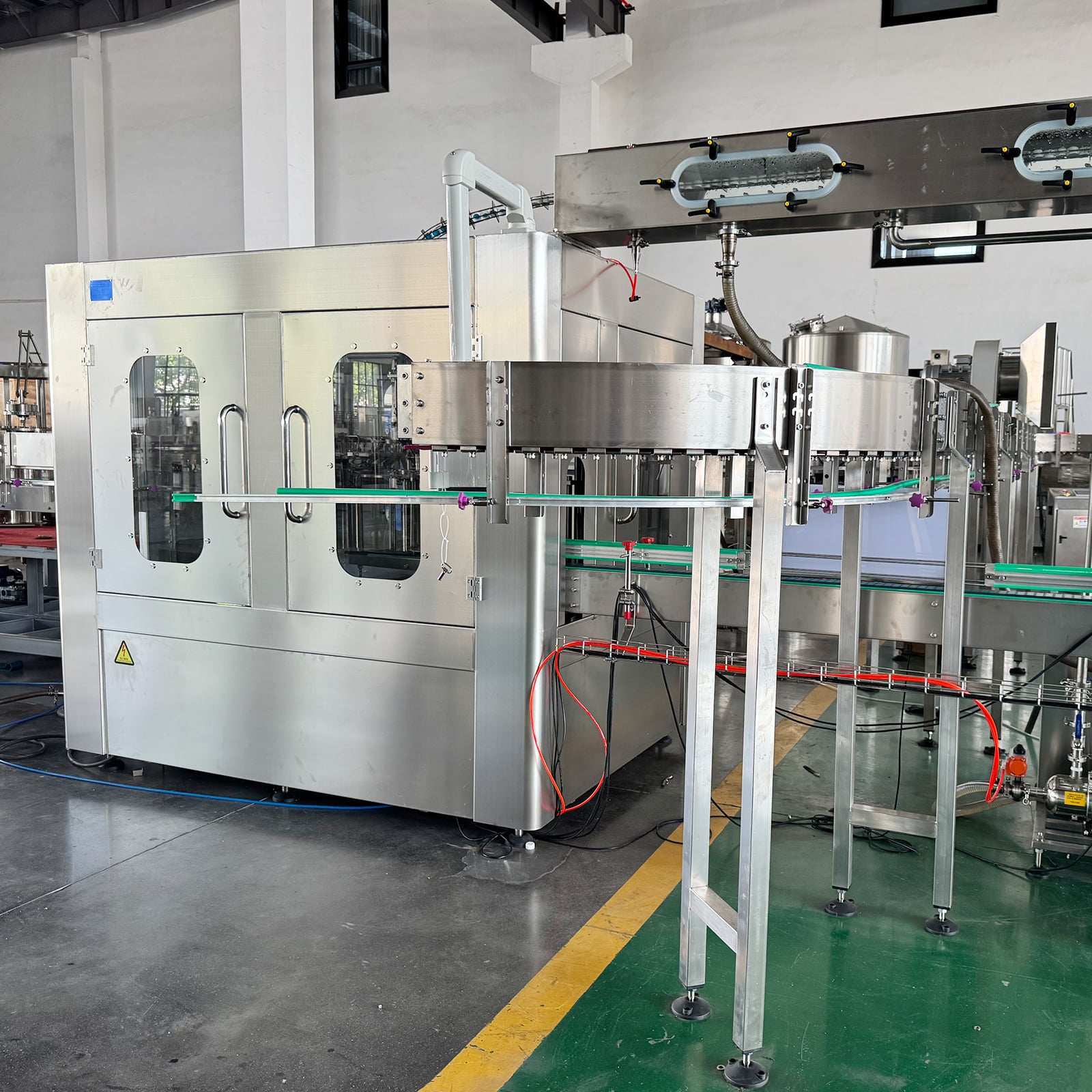
How Smart Automation and AI Are Transforming Water Filling Machines
The Role of AI and IoT in Modern Water Filling Machine Operations
Today's water filling equipment incorporates artificial intelligence and internet of things technology to make bottling processes run smoother. The smart sensors these machines have can track fill levels, pressure changes, and flow rates as they happen, so the system knows when to adjust itself for various bottle shapes and different types of liquids. When it comes to managing several production lines at once, IoT connections let operators monitor everything from one central location while cloud computing helps spot where things might be going wrong. Take leak detection for example - studies show that AI systems catch those tiny leaks about 40 percent quicker compared to what humans can do during regular checks according to research published last year. This means fewer chances of contaminated products getting out there and saves companies from expensive product recalls down the road.
Real-Time Monitoring and Predictive Maintenance for Reduced Downtime
Predictive maintenance powered by artificial intelligence looks at things like vibrations, motor heat, and how tight seals are getting, so it can spot problems before they actually happen. A recent smart manufacturing study from 2024 found that plants implementing this tech saw their monthly maintenance bills drop by around eighteen thousand dollars, plus their machines lasted almost three and a half extra years on average. The cloud dashboards send alerts when parts like gaskets or nozzles need replacing, usually during planned downtime periods. This approach keeps production lines running smoothly most of the time, with facilities reporting about 98.6 percent uptime across the board.
Digitization Trends: From Manual Oversight to Intelligent Bottling Lines
Manufacturers can now test production line changes using digital twin tech before making any real world adjustments, which cuts down on those costly shutdown periods. A major beverage company actually saw their changeover times drop by around 22 percent after running simulations of new bottle shapes instead of going through the whole process of physically adjusting equipment. When it comes to cleaning, automated CIP systems have made a big difference too. These systems analyze how water flows through pipes during cleaning cycles and have cut water usage for sanitization by about 34% when compared to old fashioned manual methods that required so much more water just to get the job done.
Balancing Upfront Investment with Long-Term ROI in Smart Water Filling Systems
The upfront cost for smart water filling systems runs about 15 to 20 percent higher than traditional models, but most businesses see their money back in just 14 to 26 months thanks to lower energy bills and less wasted product. These machines come equipped with variable frequency drives that slash electricity usage by around 31 percent compared to standard equipment. Plus, when manufacturers implement AI scheduling systems, they notice significantly less product loss right at the beginning of production runs. For plants looking to increase output between 10k and 50k bottles per hour, the extra expense for automation tends to pay itself off in about 18 months once workers don't have to manually monitor so many processes anymore.

Maximizing Efficiency and Output with Automated Water Filling Technology
High-Speed Filling Automation for Increased Production Capacity
Water filling machines that are fully automated can crank out around 30,000 bottles every hour, which is roughly triple what semi-automatic systems manage. The reason for this big difference lies in components like servo motors, rotary indexers, and those PLC controllers that handle everything automatically, cutting down on all those time-consuming manual transfers between stations. According to research published by Boston Consulting Group last year, companies switching to these automated production lines typically see their labor expenses drop by about one third. Plus, these systems keep running non-stop day after day in large manufacturing facilities where volume matters most.
Precision Fill Control Using Smart Sensors and Closed-Loop Systems
Modern filling equipment keeps volume measurements within about half a percent accuracy thanks to continuous monitoring through load cells and flow meters working together. The closed loop design lets these systems compensate when viscosity changes or air gets mixed in during operation, cutting down on wasted product by roughly 18% over older timer controlled versions. When the nozzles match up properly with how fast the conveyor belt moves, most facilities report getting close to 99.8% bottle fill rates. For high end bottled water producers where every drop counts, this kind of precision makes all the difference in maintaining brand standards across their entire production line.
Measured Impact: Up to 30% Higher Output in Smart-Equipped Beverage Lines
Recent case studies on automated systems show that water filling operations with IoT technology can boost throughput by around 27 to maybe even 34 percent during the first twelve months of implementation. The main reasons behind these gains? Changeovers happen roughly 45 percent quicker when using preset recipes, while smart maintenance features slash unexpected downtime by about two thirds. Take a medium sized facility making ten million bottles each month for instance. With these efficiency boosts, they could actually produce nearly three and a half million extra units per year without needing any new equipment or space. That kind of output increase represents serious value for manufacturers looking to maximize their current assets.
Sustainable Manufacturing Through Energy- and Resource-Efficient Filling Solutions
Energy-Efficient Water Filling Machine Designs Reducing Environmental Footprint
Newer water filling equipment can cut down on power usage by around 40% when compared to older models. This happens mainly because they come equipped with variable frequency drives and those fancy regenerative braking motors. The fill chambers are also better insulated these days, so there's less heat escaping which means air conditioning systems don't have to work as hard either something that drops HVAC requirements by about 25% according to recent industry reports from Beverage Filling Technology in 2024. What makes all this important? Well, companies using such machines find it easier to meet those ISO 50001 standards for managing energy efficiently. Plus, despite all these green upgrades, factories still manage to keep production going strong at over 200 bottles per minute without slowing things down too much.
Water Conservation and Waste Reduction in Automated Filling Processes
These smart systems can actually get back around 92 to 95 percent of the process water using closed loop filtration methods, which cuts down on how much fresh water needs to be drawn in. The nozzles are pretty precise too, keeping spillage under control at less than half a percent of what comes out overall. Plus there are those ultrasonic sensors that keep track of fill levels so nothing gets overfilled accidentally. Looking at some real world examples from 2023, companies implementing all this tech saw their water usage drop by about 15 to 20% each year. That translates to roughly 2.1 million gallons saved annually just for medium sized operations. And let's not forget about the real time leak detection feature that stops wasted resources before they even happen, keeping mistakes within a third of a percent across different production runs.
Supporting Circular Economy Goals With Sustainable Bottling Technology
Many manufacturers are starting to pair their water filling machines with packaging that contains around 30 to 50 percent recycled content. These packages work well with standard PET plastic, recycled rPET, and even some plant-based alternatives. Take the EcoFill line for instance these machines are built with modular components that can be taken apart easily when it's time for an upgrade. About 85% of the materials get reused rather than thrown away. According to recent findings from the Global Packaging Sustainability Review, this kind of setup cuts down on carbon emissions throughout the product life cycle by roughly 18 metric tons each year per machine. And there's more good news too most modern systems now use closed loop lubrication systems along with biodegradable hydraulic fluids. This means companies stay green while still keeping their operations running smoothly day after day.
Ensuring Hygiene, Safety, and Consistency in Every Fill
Modern water filling machines are engineered for hygienic performance and regulatory compliance, ensuring consistent, safe fills across batches.
CIP/SIP Integration and Hygienic Stainless Steel Construction Standards
Advanced systems combine Clean-in-Place (CIP) and Sterilize-in-Place (SIP) protocols with 316L stainless steel contact surfaces, reducing microbial contamination risk by 99.9% compared to manual cleaning methods (2024 food production safety guidelines). Closed-system designs prevent airborne contaminants from entering filler nozzles, while FDA-compliant seals eliminate risks of chemical leaching.
Achieving Batch-to-Batch Consistency With Precision Control Systems
Modern smart fillers can hold tight volumetric accuracy around the ±0.5% mark thanks to their real time flow meter tweaks and those fancy servo driven pistons. Getting this right matters because when fillers miss their target, consumers notice. Underfilled bottles hurt brand reputation while overfilling costs mid sized operations roughly $18k per year in lost product according to recent beverage industry numbers from 2023. The machines also handle changes in syrup concentration pretty well through automated viscosity compensation systems. And don't forget about those built in checkweighers that sort out bad containers at speeds above 120 per minute, keeping production lines running smoothly despite occasional inconsistencies.
Seamless Integration with Downstream Packaging Equipment
Synchronizing water filling machines with labeling, coding, and packing systems
Smart water filling machines synchronize seamlessly with downstream processes through unified control architectures. PLC-driven systems enable real-time communication between fillers, labelers, coders, and packers, reducing transitional bottlenecks by 35%. This coordination ensures bottles move between stations with millisecond precision, preserving throughput from filling to palletizing.
PLCs, HMIs, and sensor networks enabling end-to-end line coordination
The combination of industrial sensor arrays and PLCs creates what we call a closed loop system where machines can adjust their performance on the fly. Operators get a clear view of everything going on through HMIs, those screens that show all the important information at once. And let's not forget about OPC UA protocols which make it possible for different brands of equipment to talk to each other without headaches. All this tech working together means the system can fix itself when needed. Take the filler rotation and conveyor indexing for example they stay in sync most of the time, usually within about a quarter second give or take. Pretty impressive when you think about it.
FAQs
What technologies are used in modern water filling machines?
Modern water filling machines utilize artificial intelligence and IoT technology to enhance efficiency, including smart sensors, cloud computing for monitoring, and predictive maintenance features to reduce downtime.
How do AI and IoT improve the performance of water filling machines?
AI and IoT improve performance by enabling real-time monitoring, predictive maintenance, and centralized control, which results in increased efficiency, reduced downtime, and minimized waste.
How long does it take for the investment in smart water filling systems to pay off?
The initial investment in smart water filling systems typically pays off in 14 to 26 months through savings in energy and reduced product waste.
How do automated water filling machines contribute to sustainability efforts?
Automated machines are designed for energy efficiency, water conservation, and waste reduction. They also support the use of recycled materials and closed-loop systems to enhance sustainability.
What is the impact of automated systems on production output?
Automated systems significantly increase production output, with some facilities reporting a 27% to 34% boost in throughput within the first year of implementing IoT technology.
Table of Contents
- How Smart Automation and AI Are Transforming Water Filling Machines
- Maximizing Efficiency and Output with Automated Water Filling Technology
- Sustainable Manufacturing Through Energy- and Resource-Efficient Filling Solutions
- Ensuring Hygiene, Safety, and Consistency in Every Fill
- Seamless Integration with Downstream Packaging Equipment
-
FAQs
- What technologies are used in modern water filling machines?
- How do AI and IoT improve the performance of water filling machines?
- How long does it take for the investment in smart water filling systems to pay off?
- How do automated water filling machines contribute to sustainability efforts?
- What is the impact of automated systems on production output?