 EN
EN


When I walk through a bottling plant, I often see the same pattern. The line runs hard, but electricity, steam, and fresh water disappear faster than they should.
I can reduce energy and water waste by fixing leaks, improving rinsing and CIP, upgrading blow molding and refrigeration, using closed-loop recycling, and adding automation and digital monitoring.
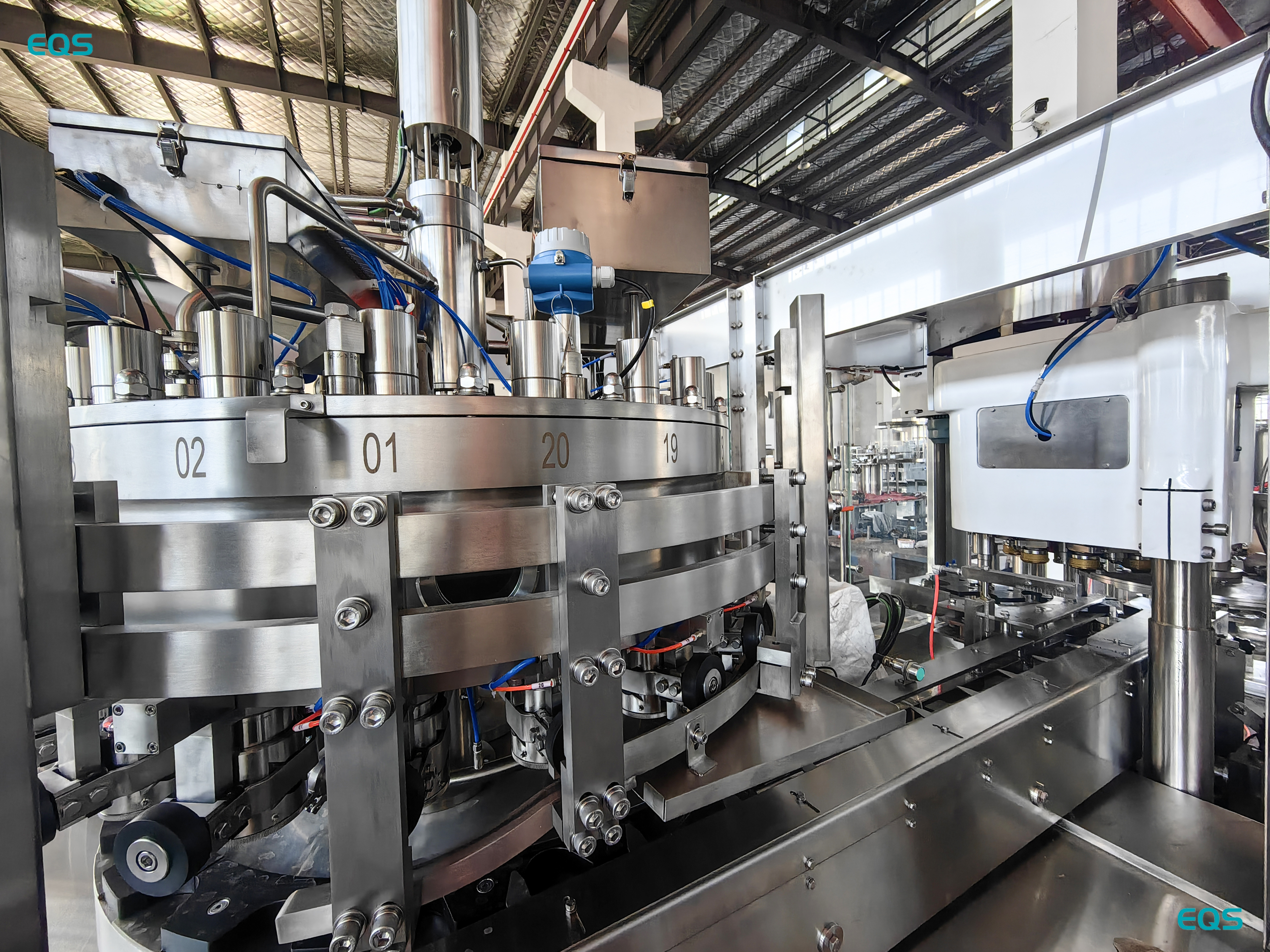
I think this topic matters because bottling plants are heavy utility users by nature. A typical plant may use 3 to 7 liters of water for every liter of finished beverage. That gap is where profit leaks out. I have seen many factories improve cost and stability by treating utilities as part of production, not as an afterthought.
I always begin with the root cause. Bottling is not one process. It is a chain of heat, pressure, water, air, and cleaning steps. Each step can waste resources if it is not controlled well.
Bottle production needs heat and compressed air. If the blow molding system is old or poorly tuned, it can waste a large amount of electricity.
Cooling is not optional in beverage production. But many plants use more cooling than they really need because the system is not balanced.
Cleaning in place is necessary, but it can also become a major source of waste. Long cycles, poor control, and over-rinsing all add up.
I often see rinse systems that run too long or with too much pressure. That creates waste without improving hygiene.
| Waste Source | Main Problem |
|---|---|
| Blow molding | High power use |
| Refrigeration | Constant energy draw |
| CIP cleaning | Water and chemical waste |
| Rinsing | Excess fresh water use |
I prefer to start with water because it is usually the fastest place to find visible savings. Water waste is often easy to measure and easy to explain to the team.
If I can see water use by line, by shift, or by machine, I can find the worst offenders faster. A monthly total alone is not enough.
Leaks from hoses, valves, seals, and connectors are common. They may look small, but they waste water every hour the plant runs.
Rinsing should be enough to meet quality standards, but not more than that. Too much rinse time or too much pressure is wasted water.
Some non-product contact water streams can be reused after treatment. This helps reduce fresh water intake.
| Water Action | Expected Result |
|---|---|
| Meter by line | Better control |
| Repair leaks | Immediate savings |
| Tune rinsing | Lower water use |
| Reuse safe streams | Less fresh water demand |
Energy waste in a bottling plant often hides in moving air, cooling systems, and old motors. I think the best gains come from simple control first, then equipment upgrades.
Compressed air is expensive. If the system has leaks or runs at higher pressure than needed, the plant wastes energy every day.
Old motors often run at full output when they do not need to. Variable control and better matching can cut power use.
Cooling systems should follow real demand. If the plant overcools, it pays for energy that does not improve the product.
Some plants can recover heat from compressors or hot process streams. That recovered energy can support other steps.
| Energy Measure | Benefit |
|---|---|
| Air leak control | Lower compressor load |
| Motor control | Less electricity use |
| Refrigeration tuning | Better cooling efficiency |
| Heat recovery | Reuse of wasted heat |
I have found that a few machines create a big share of the utility problem. If I want the best return, I focus there first.
This area often uses significant heat and air. A modern system can reduce waste with better control and higher efficiency.
Cleaning systems can use too much water, steam, and chemical input if the cycles are not well managed.
If chillers or cooling loops are oversized, badly maintained, or poorly set, the plant pays more than needed.
These systems often work harder than necessary because of leaks, poor pressure settings, or bad load management.
| High-Waste Equipment | Typical Issue |
|---|---|
| Blow molding | High electrical load |
| CIP | Excess water and steam |
| Refrigeration | Overcooling and loss |
| Compressors | Leak-driven energy loss |
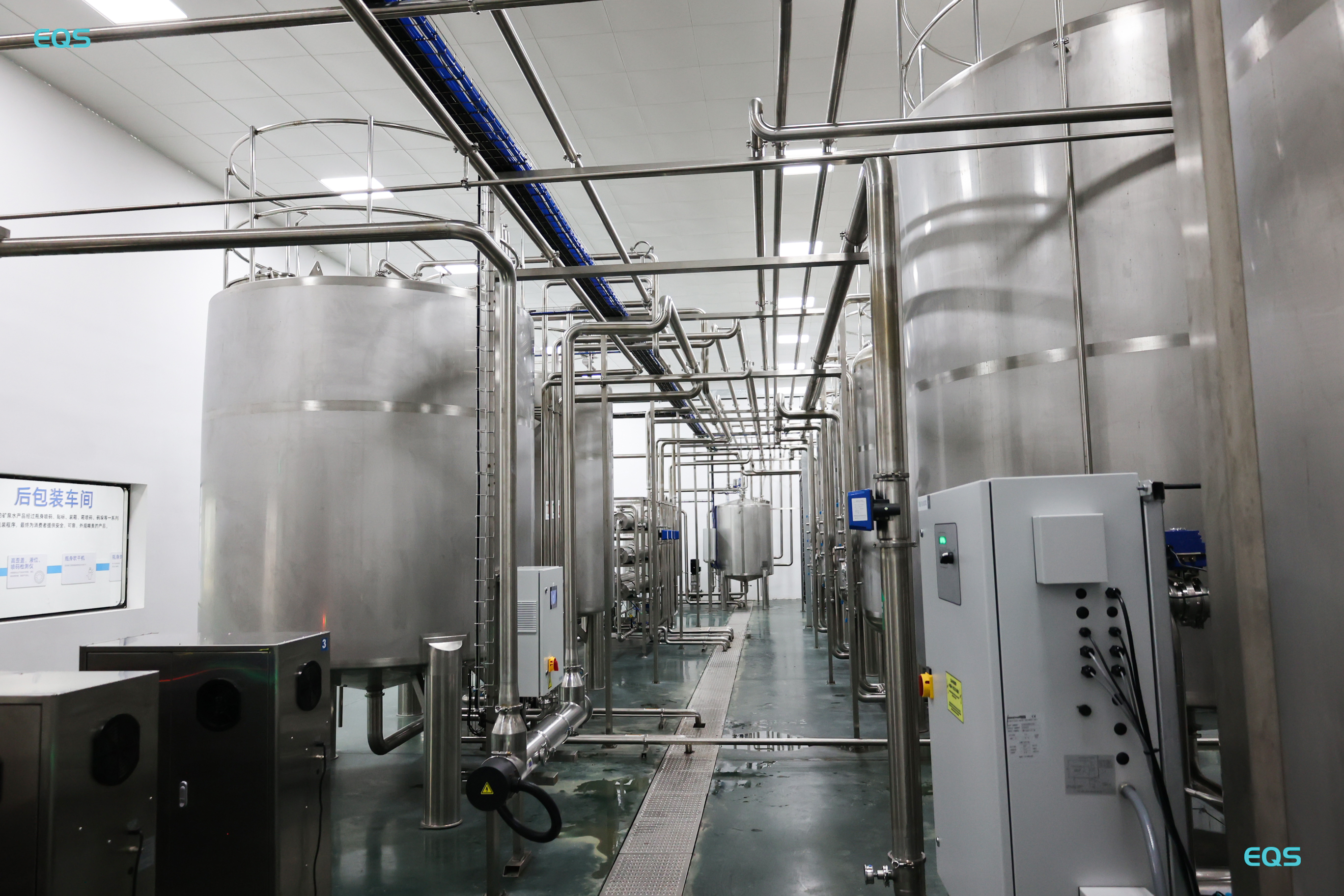
I see closed-loop recycling as one of the most practical long-term tools for a bottling factory. It helps reduce fresh water use and also lowers wastewater load.
Cooling water, rinse water from safe stages, and other non-product contact streams may be recoverable after proper treatment.
Instead of sending every stream out of the factory, the plant can send some water back into approved cleaning or utility steps.
If less water leaves the plant, treatment cost and discharge burden fall too.
Many buyers now care about water performance. Closed-loop systems help a factory show a more responsible operation.
| Recycling Method | Factory Benefit |
|---|---|
| Treated rinse recovery | Lower intake demand |
| Cooling loop reuse | Less discharge |
| Utility water recycling | Lower operating cost |
| Closed-loop control | Better sustainability |
I think automation is not only about speed. It is also about removing human guesswork from utility use. Digital tools help a plant see waste before it becomes expensive.
If the plant can see live utility data, it can react faster when something goes wrong.
A sudden rise in water flow or power draw often signals a leak, a fault, or a process problem.
Automated systems can stop waste by turning off idle equipment, controlling rinse time, and keeping cycles consistent.
When I have utility data, I can see which machine is drifting out of range. That helps maintenance teams act earlier.
| Digital Tool | What It Controls |
|---|---|
| Flow meter | Water use |
| Power meter | Electricity use |
| Alarm system | Fault detection |
| Automation logic | Idle loss reduction |
I do not think technology alone is enough. The factory team must also manage the line well every day.
If every operator uses a different routine, utility use will vary too much.
I like short weekly reviews. They help the plant catch waste early.
Dirty filters, worn seals, and poor calibration all increase waste.
Frequent stops and starts usually waste more water and energy than a stable run.
| Management Habit | Result |
|---|---|
| Operator training | Better consistency |
| Weekly review | Faster problem detection |
| Planned maintenance | Lower waste risk |
| Stable scheduling | Less start-stop loss |
I usually suggest a simple order of action. The goal is to get real savings without making the project too complex.
A factory cannot reduce what it cannot see. Baseline data comes first.
Leaks, over-rinsing, and idle equipment should be handled quickly.
Blow molding, refrigeration, CIP, and air systems often give the best return.
These systems make savings more stable over time.
| Priority | Action |
|---|---|
| 1 | Measure utility use |
| 2 | Fix obvious losses |
| 3 | Upgrade key equipment |
| 4 | Add recycling and monitoring |
My name is Allen, and I'm an expert in filling machine technology at EQS, a leading liquid packaging solution provider based in China. If you're looking for top-quality equipment for your production line, feel free to reach out to me at [email protected]. We specialize in providing customizable solutions with cutting-edge technology.
Copyright © JIANGSU EQS MACHINERY CO.,LTD