 EN
EN


When I speak with plant managers, I often hear the same problem. Old lines still run, but they stop too often, need more labor, and create quality risk every day.
You should repair an old bottling line when the problems are small, local, and cheap to fix. You should replace it with automation when downtime is frequent, labor cost is high, hygiene is weak, and production quality is no longer stable.
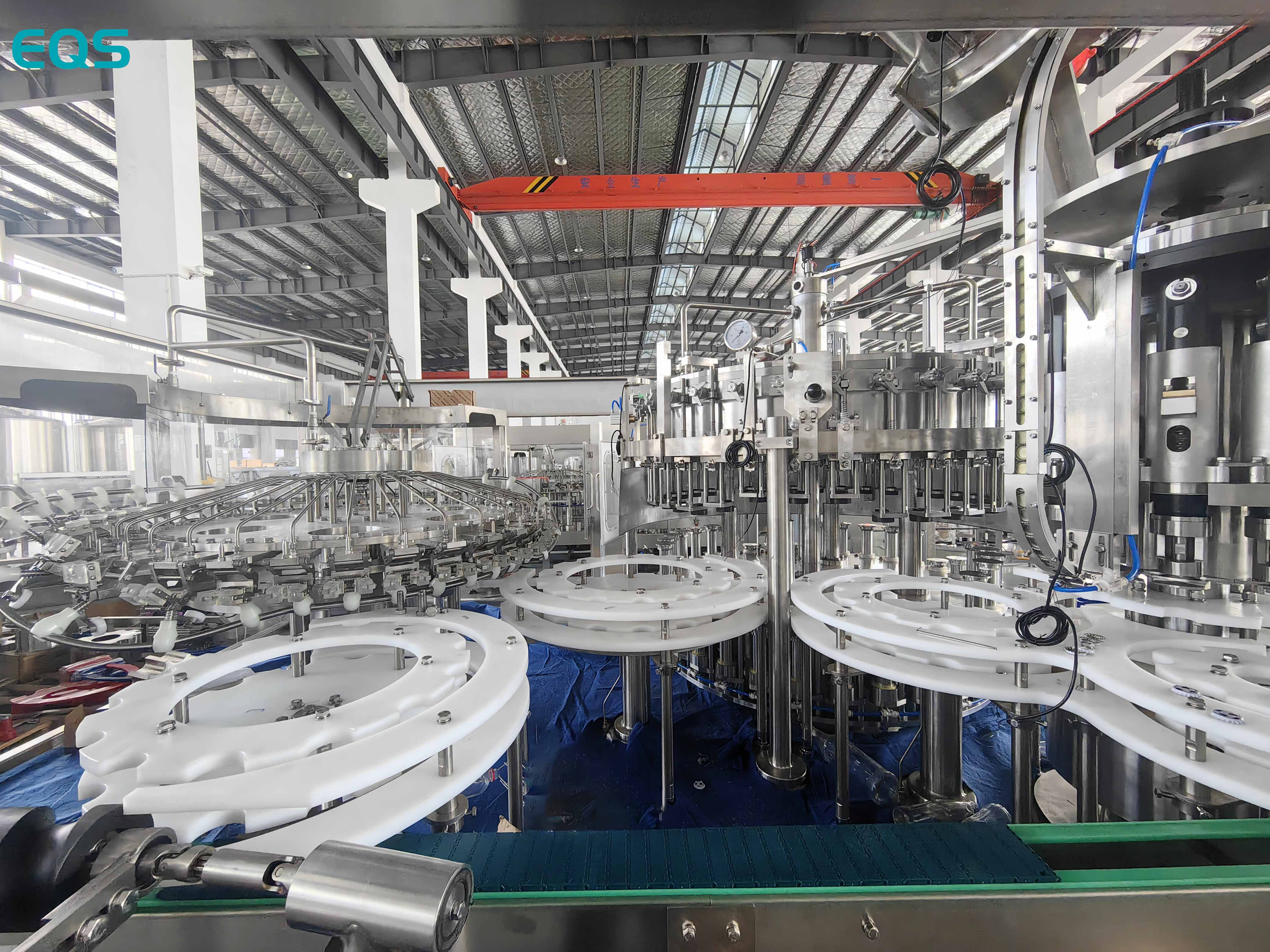
I think this is a very important decision. Many factories keep spending money on repeated repairs, but the line still behaves like an old machine. At some point, repair is no longer the best choice. Then automation becomes the smarter business move.
I usually begin with the real pain points, because this is where the decision starts. An aging line does not only slow production. It also affects the whole factory flow.
When a filling, capping, or labeling line stops often, the factory loses more than time. It loses daily output, order stability, and customer trust.
Old machines often lose accuracy over time. Filling levels may change. Caps may not close evenly. Labels may shift. These small problems can create big quality complaints.
Old lines often need more manual checks and more operator attention. That means the factory must spend more on labor just to keep the same output level.
Modern food and beverage plants need better sanitation and cleaner production. Old equipment may not meet today’s hygiene expectations without major upgrades.
| Old Line Problem | Business Impact |
|---|---|
| Frequent breakdowns | Lower output |
| Uneven filling or capping | Poor product quality |
| High labor need | Higher cost |
| Weak hygiene design | Compliance risk |

I do not believe every old line should be replaced immediately. In some cases, repair is still the right move. The key is to understand the scale of the problem.
If the main frame, drive system, and core structure are still strong, repair may make sense. In that case, the machine has more useful life left.
If only one part is weak, such as a sensor, motor, valve, or cap head, then repair can be enough. I call this a local problem, not a system problem.
If the factory does not need higher speed yet, and the current output still meets the market need, repair may protect cash flow better than a full replacement.
Some companies need a lower-cost solution first. If they only need a short extension of service life, repair can buy more time.
| Repair Is Better When | Why |
|---|---|
| Main structure is good | The base is still useful |
| Problem is local | One part can be fixed |
| Output demand is stable | No urgent expansion needed |
| Budget is limited | Lower short-term cost |
I usually recommend replacement when repair no longer solves the real business issue. If the line keeps failing, the problem is bigger than a single part.
If the line stops again and again, repair becomes a cycle. The factory spends money, but the root problem stays. That is a strong sign that automation replacement is better.
When too many workers are needed for basic line control, the factory loses efficiency. A modern automated line can reduce manual work and improve consistency.
Food and beverage buyers care more about clean production now. If the old line cannot support modern hygiene design, replacement is often the safer long-term choice.
If the line cannot keep filling, capping, and labeling stable, the brand image suffers. I think this is one of the clearest signs that a factory has outgrown the old system.
| Replace When | Why It Matters |
|---|---|
| Repeated downtime | Repair is no longer enough |
| High labor cost | Automation improves efficiency |
| Hygiene gap | Modern standards are not met |
| Quality instability | Brand risk becomes too high |
I like to use a simple business view. A plant manager should not only ask, “Can we fix it?” The better question is, “Will fixing it still bring good value next year?”
If the same machine needs repair many times in a short period, the line is telling you something. It is no longer reliable.
If the yearly repair cost keeps rising and starts to approach the value of a new automated line, replacement may be smarter.
Downtime is often more expensive than the repair bill itself. Lost output, overtime labor, and delayed orders all matter.
If the factory plans to expand, launch new products, or improve packaging standards, a new line can support that growth better.
| Decision Factor | Repair | Replace with Automation |
|---|---|---|
| Repair frequency | Low | High |
| Cost level | Small and rare | Repeated and growing |
| Downtime loss | Acceptable | Too costly |
| Future growth | Stable | Expansion needed |
I often tell buyers that automation is not only about speed. It is also about control, consistency, and long-term profit.
Automated lines reduce human variation. That helps filling, capping, and labeling stay more consistent from start to finish.
When the system is more automated, the factory needs fewer workers for repetitive tasks. This can improve cost structure over time.
New automated equipment is usually designed with cleaner surfaces, easier washing, and better process control. This supports food and beverage standards.
A modern line is easier to monitor with central control. Operators can see problems faster and act sooner.
| Automation Benefit | Factory Result |
|---|---|
| Stable process | Better quality |
| Less manual work | Lower labor cost |
| Cleaner design | Better hygiene |
| Central control | Easier operation |
I always advise managers to stay practical. The best answer comes from real factory data, not emotion.
If downtime is becoming routine, the line is telling you that repair is only a short-term fix.
I recommend adding all repair costs together, not just one service call. Many small repairs can become a large hidden expense.
If the line cannot meet modern hygiene or safety expectations, then the risk is bigger than the repair bill.
If future demand will be higher, a weak old line may slow the whole business.
| Question | What It Reveals |
|---|---|
| Downtime rate | Line reliability |
| Total repair cost | Real financial burden |
| Safety and hygiene | Compliance risk |
| Growth plan | Future suitability |
At EQS, I work with buyers who need more than a machine. They need a complete solution that fits their factory and their market.
I do not only check one filler or one capper. I check the full flow, from plant planning to process optimization.
Sometimes the right answer is repair. Sometimes the right answer is a full automation project. I help customers choose based on real production needs.
Because I work with wholesale B2B buyers, I know they care about return on investment. A good decision today should still make sense after years of use.
Our team also works on intelligent production line design, product technology support, and turnkey filling solutions. That is why we can guide a buyer from the old line to the new one in a more complete way.
| EQS Support Area | Value for Buyer |
|---|---|
| Plant planning | Better layout |
| Process optimization | Higher efficiency |
| Turnkey line solution | Easier project delivery |
| Smart system support | Better future control |
Repair is best for small, local problems, but automation replacement is the smarter choice when downtime, cost, hygiene, and quality issues keep growing.
Copyright © JIANGSU EQS MACHINERY CO.,LTD