 EN
EN


Many water plant owners want a line that works well from the first step to the last step. They do not want weak links, wasted space, or repeated manual handling. I understand this concern, because one bad section can slow the whole factory.
A complete water bottling line solution connects bottle blowing, rinsing, filling, capping, labeling, packing, palletizing, and storage in one smooth process. It is best for medium and large water plants that want stable output and better investment value.
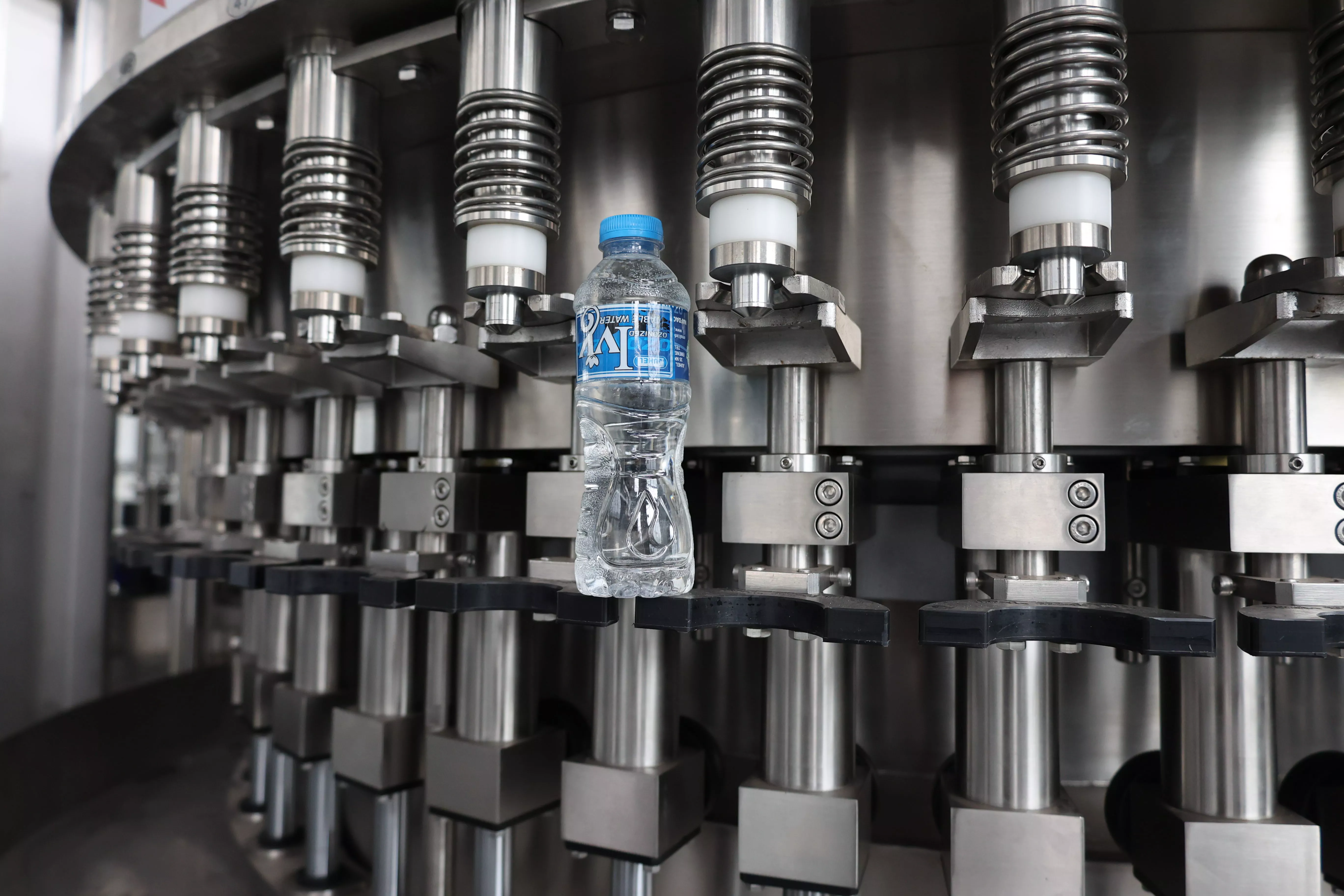
I often see buyers focus only on the filling machine. But a real water plant needs more than that. The line must match the bottle shape, production speed, workshop space, and storage flow. If the system is well planned, the factory can save labor, reduce bottle damage, and keep production more stable.
A complete water bottling line starts with bottle blowing and ends with storage. Each section has a clear job. The machines must work together. If one section is too slow or unstable, the whole line will feel the pressure.
A full water bottling line usually includes bottle blowing, air conveyor, washing or rinsing, filling, capping, labeling, packing, palletizing, and warehouse storage.
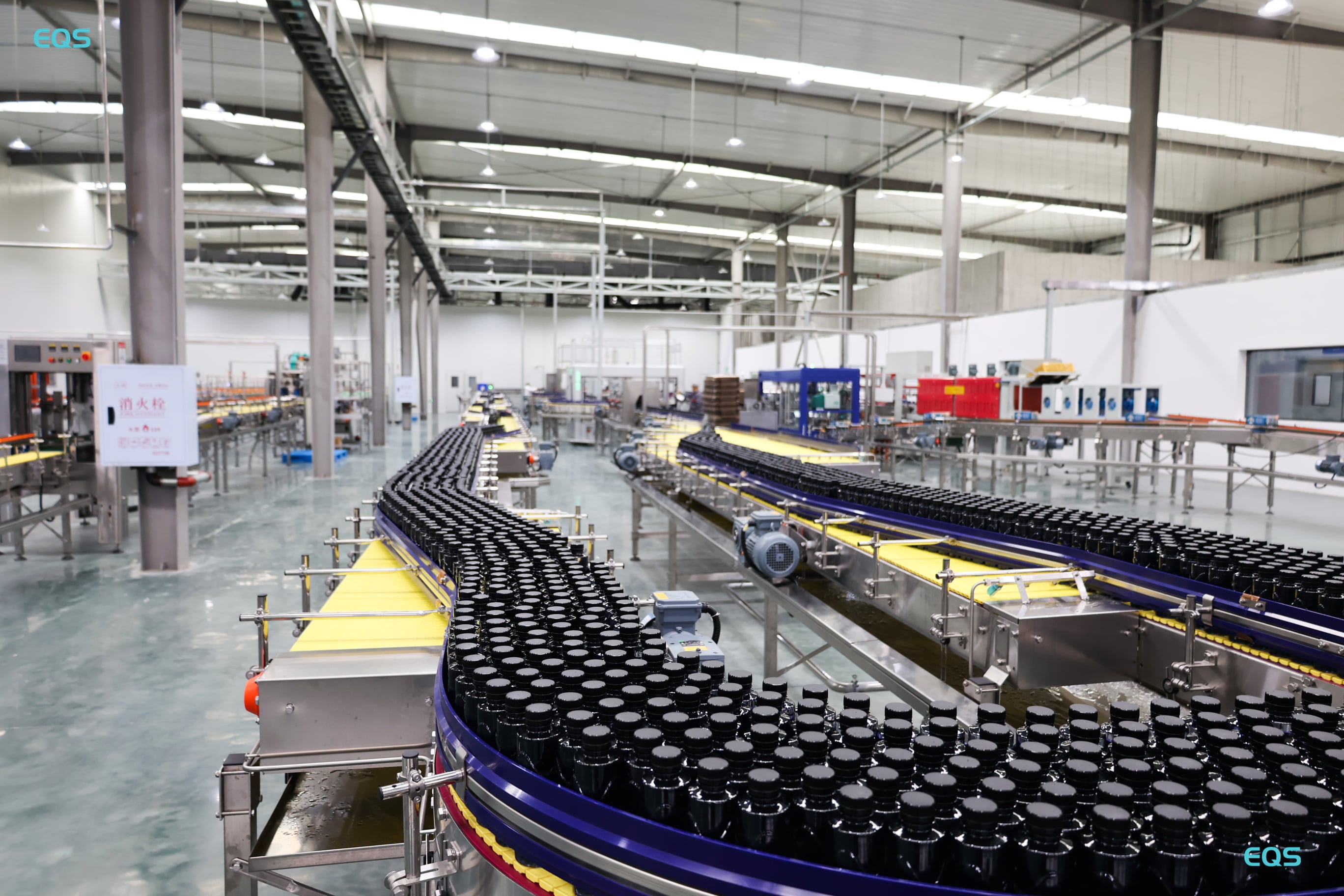
This step turns preforms into bottles. It is important for bottle shape, wall strength, and output speed. A stable blowing machine helps control bottle quality from the start.
The bottles move from the blowing section to the filling section. The system must keep the bottles clean and steady. For water, hygiene is very important.
This is the core part of the line. The machine fills the water and seals the bottle. The process must be accurate, fast, and clean.
The label gives product identity. The packing section groups bottles into cartons or film packs. This makes transport easier and safer.
The final step prepares the products for warehouse storage. This helps the factory manage stock and shipping in an organized way.
| Section | Main role | Why it matters |
|---|---|---|
| Bottle blowing | Make bottles | Controls bottle quality |
| Rinsing | Clean bottles | Supports hygiene |
| Filling | Add water | Ensures accuracy |
| Capping | Seal bottles | Protects product safety |
| Labeling | Identify products | Supports branding |
| Packing | Group bottles | Improves transport |
| Palletizing | Stack products | Saves labor |
| Storage | Hold finished goods | Supports delivery planning |
A water bottling line is not just a list of machines. It is a system. Every machine must match the others in speed, bottle design, and control logic. If the blowing machine is too slow, the filler waits. If the packer is too weak, bottles pile up.
Seamless coordination keeps the whole line stable, reduces downtime, and helps the factory keep a smooth flow from raw material to finished goods.

・Better production speed
・Less manual transfer
・Lower bottle loss
・Fewer stoppages
・Easier operation
・Better hygiene control
If the line is not matched well, the factory may face bottle jams, filling delays, poor packing, or repeated worker intervention. That increases cost and stress. I have seen customers try to save money by buying each machine separately without system planning. In many cases, this later causes more trouble.
I always prefer a line plan that starts from the final product target. I ask: How many bottles per hour do you need? What bottle sizes will you use? Will you expand later? These questions help me design a better flow. A strong line is not only about speed. It is also about balance.
Medium and large water plants usually have stable demand. They need higher output and lower unit cost. They also need better control over labor, space, and product consistency. A complete line fits these needs very well.
This solution is ideal for medium and large water plants because it supports high output, stable quality, rational layout, and better long-term investment value.
Large plants need continuous production. A complete line can keep the process moving without frequent manual stops.
A full line can be arranged with a clear workshop layout. This reduces wasted space and improves movement between sections.
Automation reduces dependence on manual work. This is important when labor cost is high or workers are not easy to train.
A complete system may need a larger first investment, but it often brings better return over time. It reduces bottlenecks and supports future growth.
| Plant type | Need level | Fit with complete line |
|---|---|---|
| Small plant | Lower output | May not need full automation |
| Medium plant | Stable growth | Good fit |
| Large plant | High output | Best fit |
If a customer only wants very small output, I may suggest a simpler setup. But if the customer already plans scale growth, I often recommend a full line. It gives more room for future expansion and more control over product quality.
A rational layout is one of the most important parts of a water bottling project. A good layout saves time, reduces transfer distance, and makes maintenance easier. I always try to design the line according to the real workshop and the real workflow.
A rational water bottling line layout should follow the product flow, reduce cross movement, and keep each machine easy to operate and maintain.
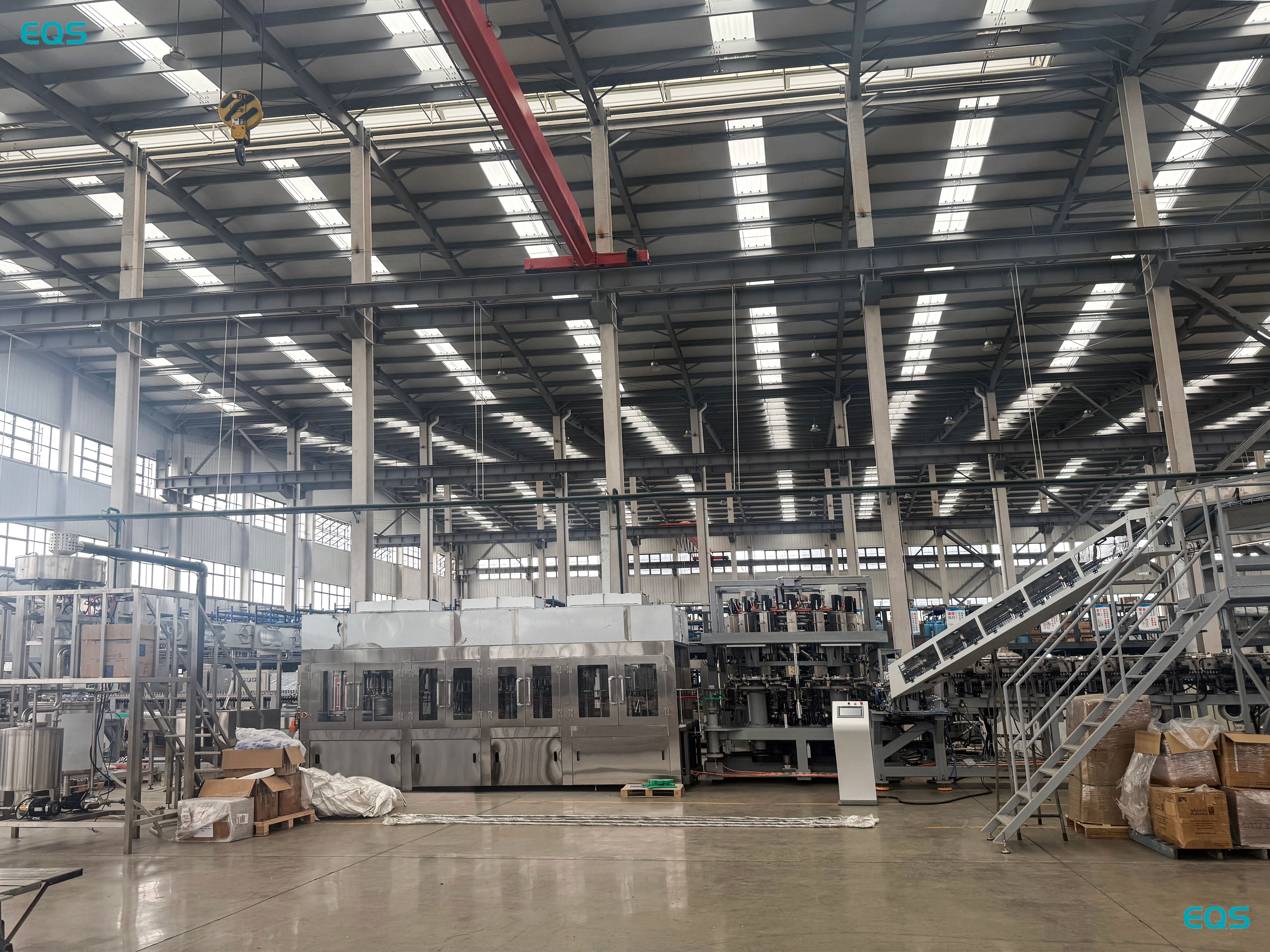
The bottle should move forward step by step. The line should not force workers to carry products back and forth.
Each machine needs room for operation, inspection, and repair. Tight space creates risk and slows maintenance.
For bottled water, hygiene matters. The design should reduce contamination risk and keep the clean area protected.
Finished goods need a clear path to the warehouse. This helps the factory avoid pileups near the production area.
| Layout item | What I check | Why it matters |
|---|---|---|
| Machine order | Process flow | Keeps production smooth |
| Working space | Access and safety | Helps operation and repair |
| Hygiene zone | Clean vs. non-clean area | Protects product quality |
| Storage flow | Finished goods movement | Supports shipping |
Many buyers ask me to make the line compact. I understand that. But I always remind them that compact is not always better. The line must be easy to use. If the layout is too tight, future maintenance becomes hard. A good layout should support both daily production and future changes.
A sound investment is not only about a low purchase price. It is about the total result over time. A full bottling line can reduce waste, improve labor use, and support better market response. That is why many medium and large plants see it as a strong business move.
**The investment value comes from stable production
My name is Allen, and I'm an expert in filling machine technology at EQS, a leading liquid packaging solution provider based in China. If you're looking for top-quality equipment for your production line, feel free to reach out to me at [email protected]. We specialize in providing customizable solutions with cutting-edge technology.
Copyright © JIANGSU EQS MACHINERY CO.,LTD