 EN
EN


Many buyers want one machine to do more work. They worry about space, cost, and future product changes. I understand this concern very well, because it affects the whole factory plan.
Yes, one filling machine can often handle different container sizes if the machine is designed for changeovers. The key methods are mold changing, card position adjustment, and filling height adjustment.
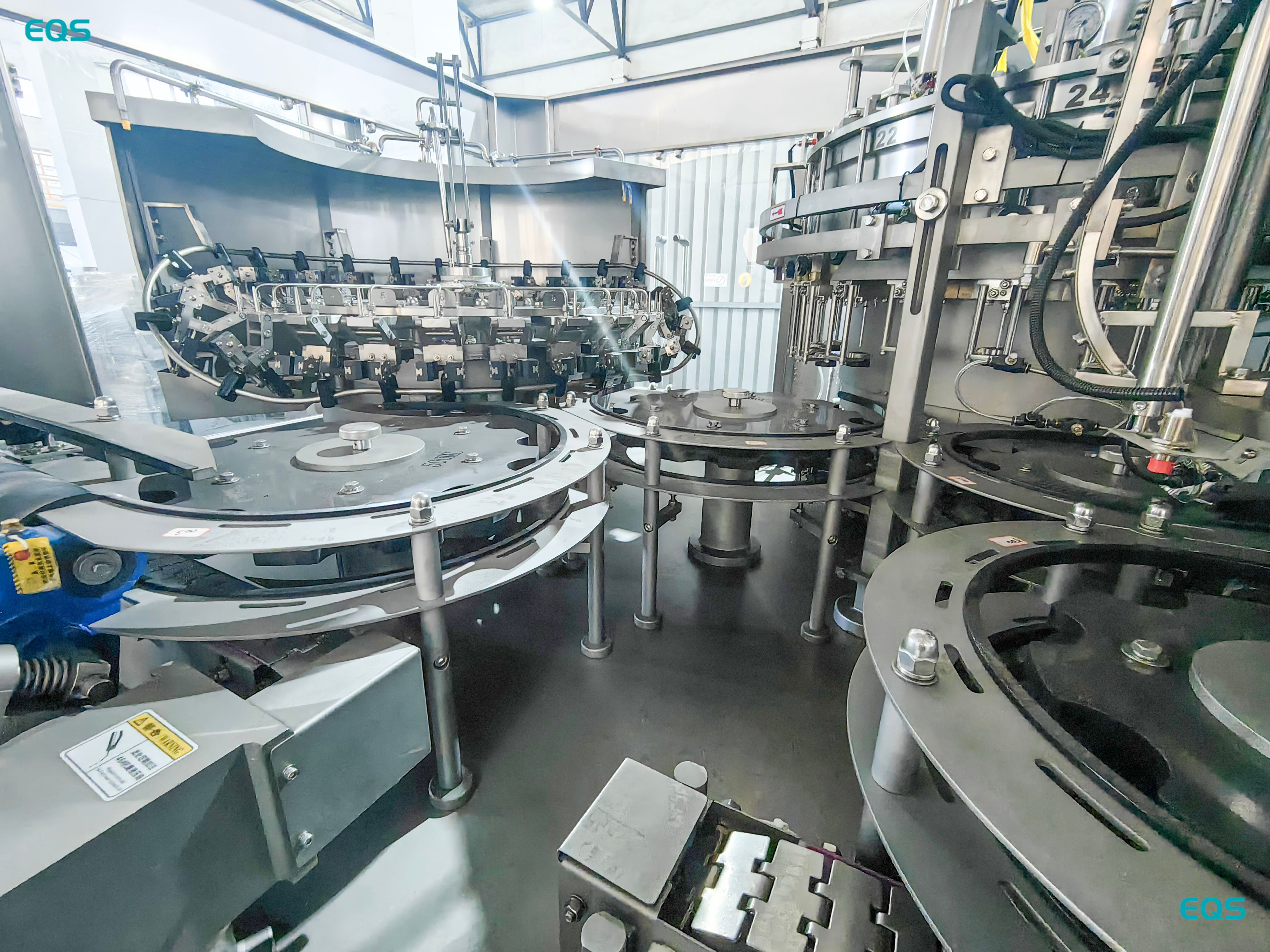
I often tell clients that flexibility is valuable, but it is not free. A machine can support many bottle types, but the bottle shape, neck design, and capacity range all matter. Some containers are easy. Some are not. That is why the machine choice must match the actual product plan.
A filling machine can handle different container sizes by changing molds, adjusting card positions, and setting the filling height again. These changes help the machine match different bottle diameters, heights, and capacities.
One filling machine can adapt to multiple container sizes through mold changes, adjustable guiding parts, and filling height control.
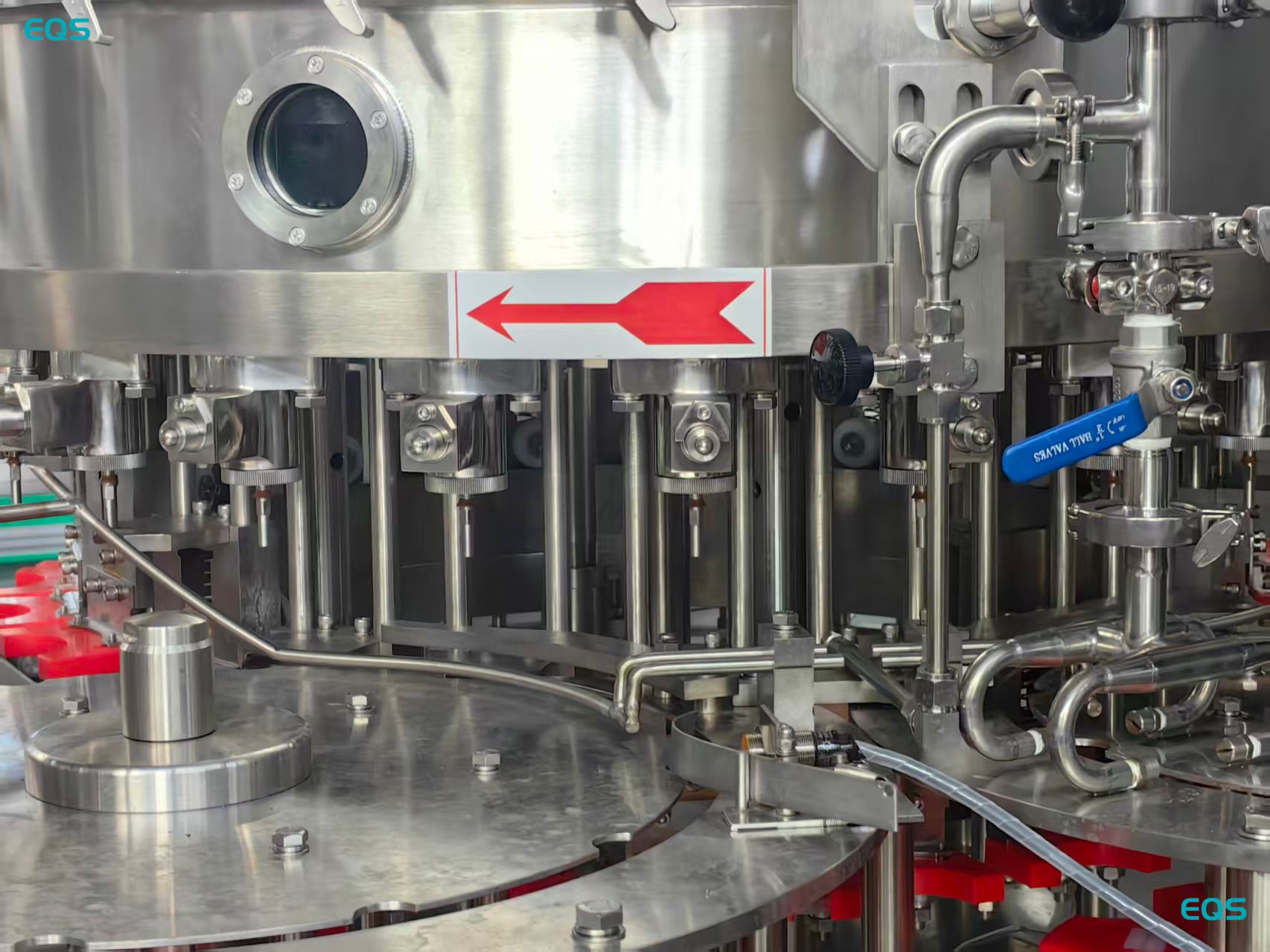
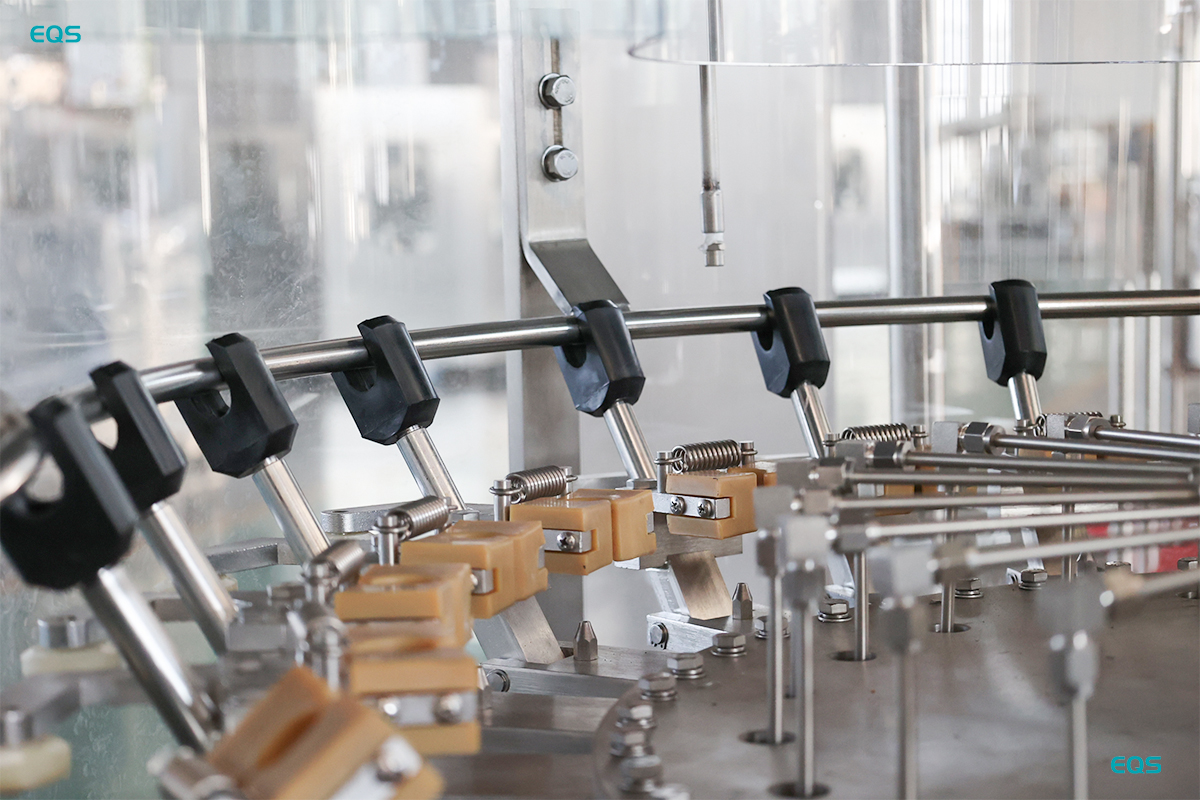
Molds hold or guide the container in the right position. If the bottle size changes, the mold needs to change too. This helps keep the bottle stable during filling and capping.
The card position helps the machine center the bottle. If the bottle is wider or narrower, the card position must be adjusted. This keeps the bottle from shaking or leaning.
Different bottles have different heights. The filling nozzles must match the bottle mouth position. If the height is wrong, the fill level may be uneven, and product waste can increase.
| Adjustment method | What it changes | Why it matters |
|---|---|---|
| Mold changing | Bottle support and guidance | Keeps the bottle stable |
| Card position adjustment | Bottle centering | Prevents misalignment |
| Filling height adjustment | Nozzle and bottle mouth distance | Improves filling accuracy |
I usually explain it in a simple way. A flexible filling machine is like a skilled worker who can handle different jobs after basic setup changes. But the machine still needs the right parts and the right settings. If the changeover is planned well, the line can support many products without buying a second machine.
Not all containers are the same. Round bottles are usually easier. Square bottles can be a little harder. Special shaped bottles are the most difficult. This is because the machine must hold them securely and fill them without errors.
Standard bottle shapes are easier to adapt, while special shaped containers need more careful design and more changeover time.
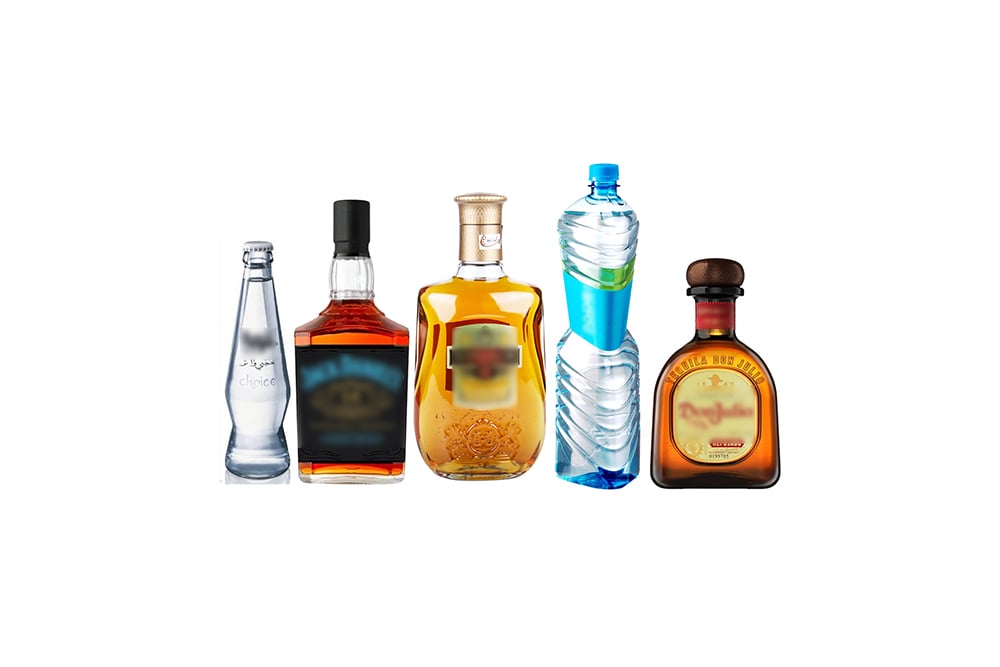
Standard bottles often have simple geometry. Their necks are common. Their body shape is regular. This makes mold design easier, and it also makes the filling path more stable.
Special shaped bottles may have:
・Uneven bodies
・Narrow necks
・Soft walls
・Unusual shoulders
・Off-center balance points
These features create problems during transfer, clamping, and filling. The bottle may tilt. It may slip. It may not sit well in the machine.
| Container type | Adaptation difficulty | Main reason |
|---|---|---|
| Round bottle | Low | Simple shape and stable support |
| Square bottle | Medium | Needs more exact alignment |
| Flat bottle | Medium | Requires careful holding design |
| Special shaped bottle | High | Unusual body structure and balance |
When a client asks for multi-size support, I always ask for real bottle samples or clear drawings. I do not judge by image alone. Small shape changes can create big machine differences. That is especially true for high-speed lines.
I always tell buyers to think beyond the word “universal.” A machine may look flexible, but real flexibility depends on the actual adjustment range, spare parts, and operation time.
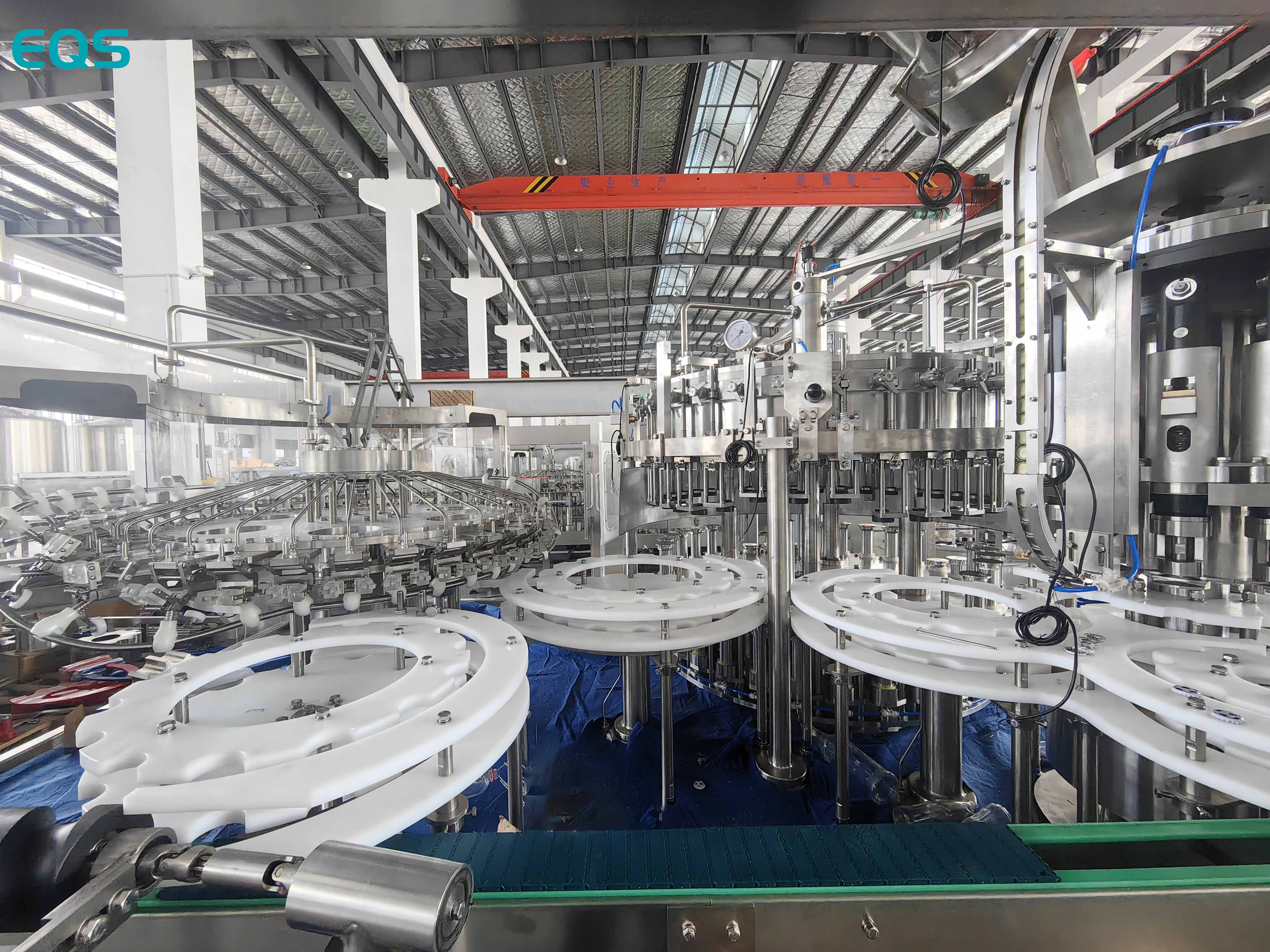
Buyers should check changeover speed, bottle sample range, adjustment method, and special-shaped bottle feasibility before ordering a filling machine.
| Check item | What to confirm |
|---|---|
| Bottle size range | Minimum and maximum height, width, and volume |
| Neck type | Whether the machine supports the neck design |
| Changeover time | How long adjustment takes |
| Spare parts | Whether molds and guides are easy to replace |
| Operator skill | Whether workers can do the adjustment easily |
Special shaped containers often need customized molds and a more careful machine layout. In some cases, they also need slower transfer speed or more stable clamping. This can raise the cost and the setup time. I always tell customers this early, so they can make a clear budget plan.
I think flexibility is very useful, but it should not create too much complexity. A machine that can handle many containers is good, but it must still run smoothly. If every changeover becomes a big problem, the machine loses its value. The best setup is the one that fits the real product mix of the factory.
I often help clients compare bottle samples, production speed, and future product plans. This is important because a filling machine is not only for today. It should also fit next year’s products if possible.
The right filling machine should match current bottle sizes and still leave room for future product changes, especially when the bottle shapes are standard or similar.
1.If the bottle shapes are similar One machine can often handle them with normal adjustment.
2.If the bottle sizes vary a lot The machine needs stronger customization.
3.If the containers are special shaped I recommend testing the bottles first before final design.
4.If the factory plans new products later I suggest leaving some adjustment margin in the design.
| Situation | Recommendation |
|---|---|
| Similar bottle sizes | Standard flexible machine is enough |
| Different heights and capacities | Adjustable filling system is needed |
| Many product changes | Faster changeover design is better |
| Special shaped containers | Custom testing is required |
One filling machine can handle different container sizes, but the real result depends on mold changes, card position adjustment, filling height control, and bottle shape. Special shaped containers are still harder to adapt.
My name is Allen, and I'm an expert in filling machine technology at EQS, a leading liquid packaging solution provider based in China. If you're looking for top-quality equipment for your production line, feel free to reach out to me at [email protected]. We specialize in providing customizable solutions with cutting-edge technology.
Copyright © JIANGSU EQS MACHINERY CO.,LTD