 EN
EN


Many small and mid-size breweries want to bottle beer, but they do not want a machine that is too complex or too expensive. I understand this pressure, because one wrong choice can hurt both budget and daily work.
A glass bottle beer filling machine is a practical all-in-one solution for small and mid-size breweries. It should be easy to operate, cost-effective, and compact, so it can support flexible small-volume beer production.

I often see breweries chase high-end systems that look impressive but are too hard to run. For many clients, the real need is simple: stable filling, clean operation, lower investment, and a layout that fits a small workshop. That is the direction I focus on when I help a brewery plan its line.
Small breweries do not always need a big, fully automatic bottling system. Their output is usually flexible. Their product types may change often. Their factory space may also be limited. A simpler machine often gives better value in this situation.
Small breweries need a glass bottle beer filling machine that is easy to use, affordable, and suitable for changing batch sizes without wasting space or money.
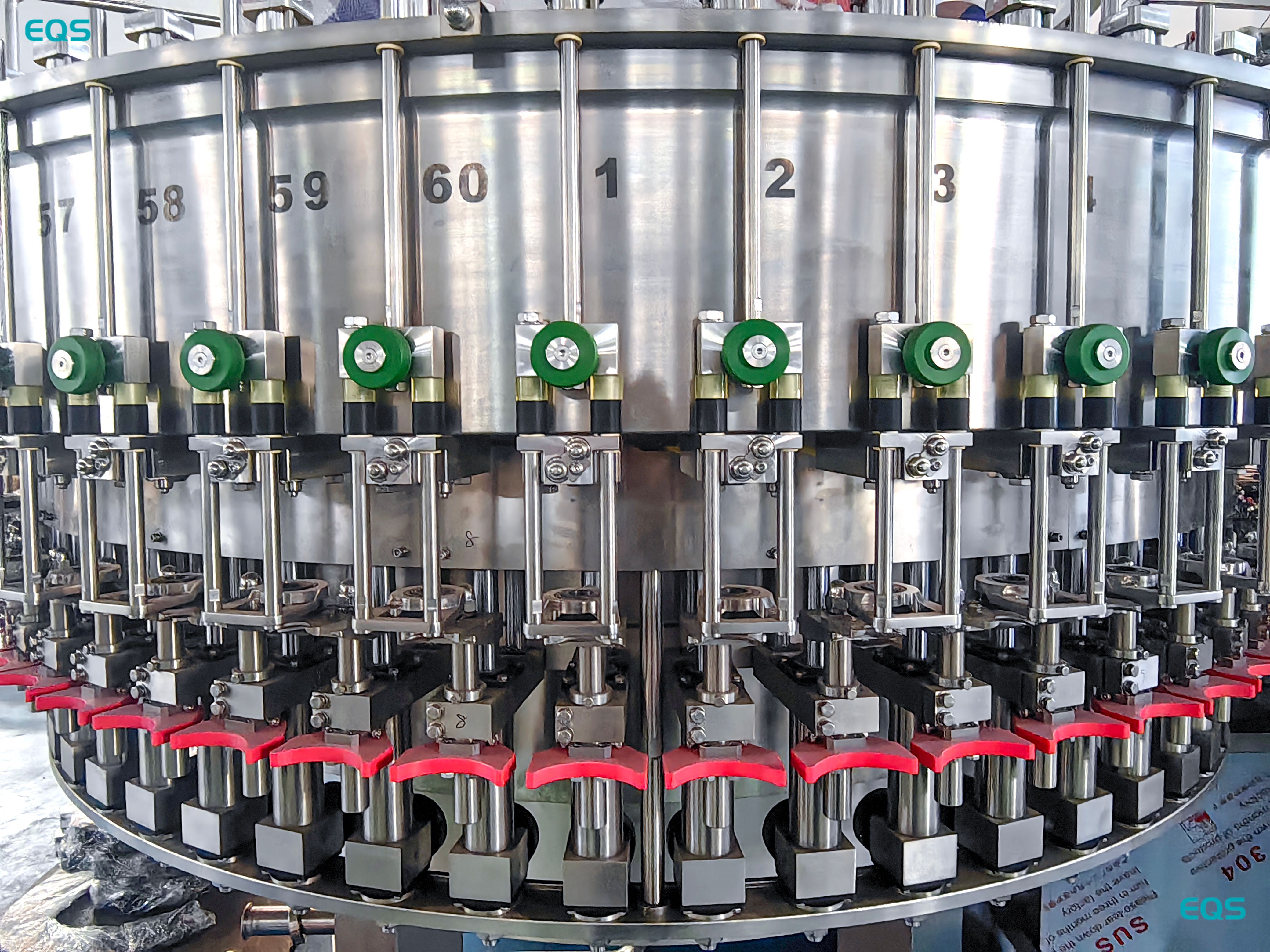
A small brewery must control investment carefully. A simpler filling machine helps reduce the first purchase cost and keeps the project more manageable.
Many breweries do not have a large technical team. If the machine is simple, workers can learn it faster and make fewer mistakes.
Beer production often changes by flavor, season, or sales plan. A flexible machine can support different bottle runs without major trouble.
Space is often limited. A compact machine helps the brewery fit filling, packing, and storage into one reasonable area.
| Need | Small brewery target | Why it matters |
|---|---|---|
| Budget | Lower investment | Reduces financial pressure |
| Operation | Easy control | Lowers training time |
| Production | Flexible batches | Fits market changes |
| Space | Compact layout | Saves workshop area |
I do not think a small brewery should buy complexity just for the sake of technology. The machine should match the business stage. If the brewery is still growing, a simple and reliable solution often makes more sense.
A useful all-in-one solution should handle the main bottling steps without making the process too hard. For glass bottle beer, the system should support rinsing, filling, capping, and basic transfer work in one line.
An all-in-one glass bottle beer filling solution should combine bottle rinsing, filling, capping, and simple line control in one compact system.
Glass bottles must be clean before filling. Rinsing helps remove dust and supports product hygiene.
The filling unit must control beer flow well. It should reduce foam and keep the fill level stable.
Beer needs a strong seal. The capping section protects the product and helps keep carbonation stable.
The machine should move bottles smoothly from one step to the next. If bottle transfer is unstable, the whole line becomes hard to run.
| Function | Main purpose | Result |
|---|---|---|
| Rinsing | Clean the bottle | Better hygiene |
| Filling | Add beer | Stable product volume |
| Capping | Seal the bottle | Protect freshness |
| Transfer | Move bottles | Smooth production |
For small and mid-size breweries, I prefer a solution that removes unnecessary steps. The machine should do the important work well. It should not force the user to manage too many settings or too many separate units.
Beer bottling is not only about speed. It is also about consistency. If the operation is too hard, workers may make mistakes. That can lead to foam, spills, poor seals, or broken bottles. Easy operation gives the brewery more control.
Easy operation matters because it reduces errors, improves bottle quality, and helps small teams run the line with less stress.
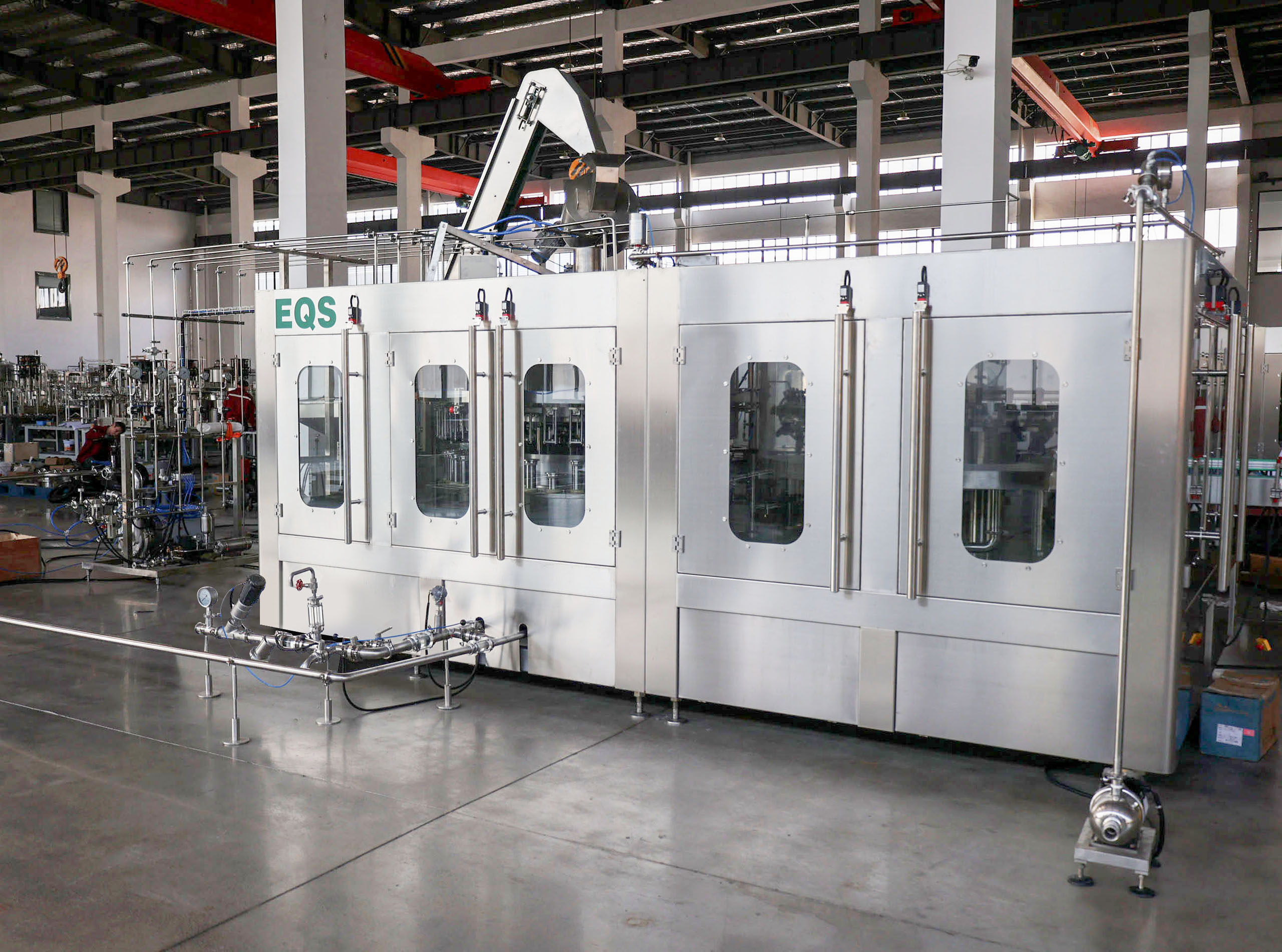
The machine should have clear controls. Workers should know what each button does.
Brewery production often needs cleaning between batches. A machine that is easy to clean saves time.
Bottle size or filling volume may change. The adjustment should be direct and simple.
The machine should keep the line steady even when operators are not highly technical.
| Feature | Benefit |
|---|---|
| Clear controls | Fewer mistakes |
| Easy cleaning | Faster batch change |
| Simple adjustment | Better flexibility |
| Stable running | Less downtime |
I often speak with buyers who are engineers, and they usually understand the technical side quickly. But in small breweries, the daily operator may not be a senior technician. That is why I always value simplicity. A good machine should help the team, not challenge the team every day.
Compact design is very important for breweries with limited space. A smaller footprint can make the workshop easier to organize. It can also help the brewery place the machine close to other work areas, which saves time and effort.
A compact glass bottle beer filling machine helps small breweries save floor space, simplify workflow, and keep the production area organized.
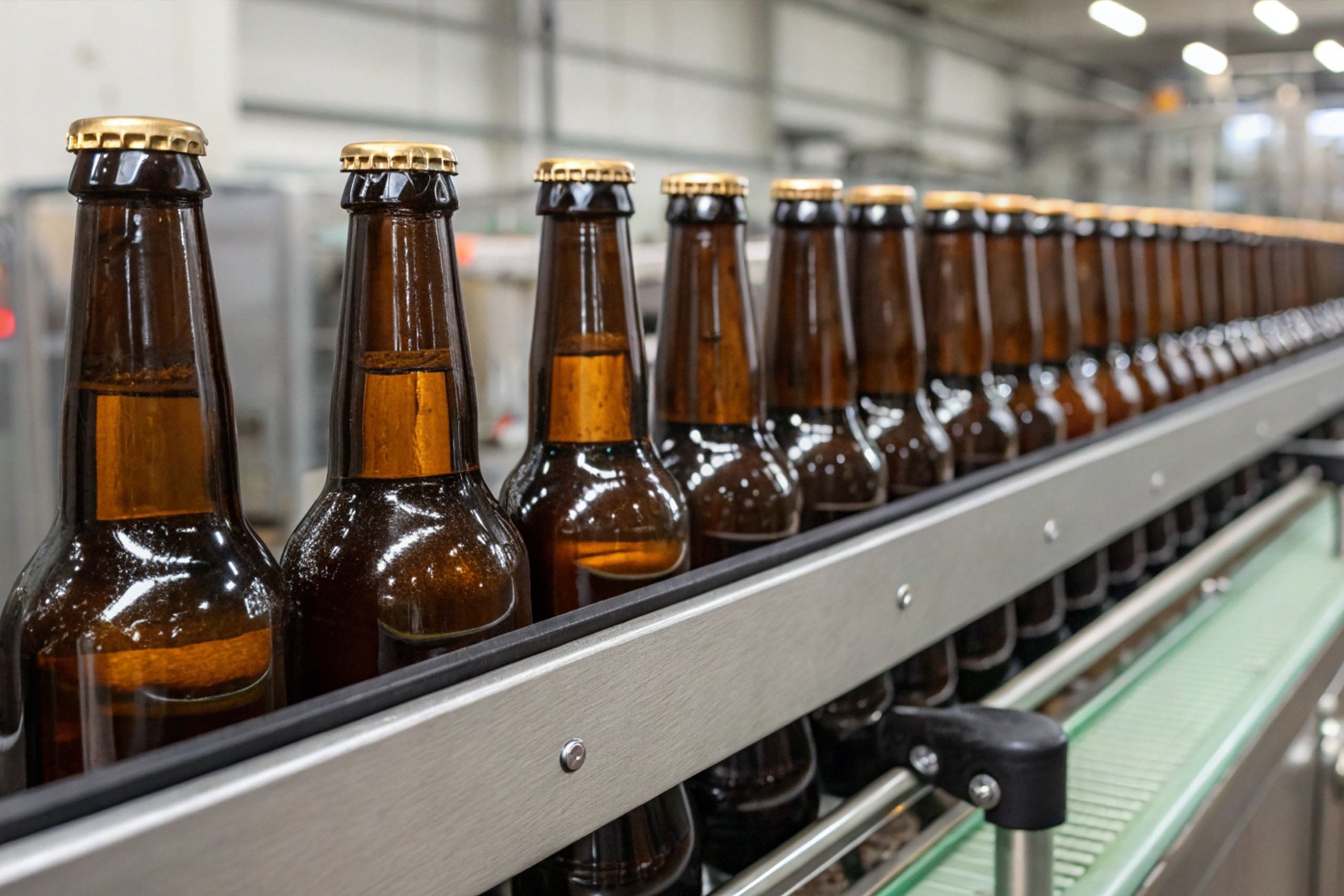
Small breweries often work in tight workshops. A compact machine makes better use of the available area.
If the line is short and well arranged, bottles move more smoothly from one step to the next.
A compact line often needs less auxiliary equipment and fewer material transfer points.
If the first setup is compact and practical, the brewery can add more equipment later in a controlled way.
| Aspect | Effect |
|---|---|
| Floor space | Less space needed |
| Workflow | Shorter movement path |
| Maintenance | Easier access in small areas |
| Expansion | Simpler future planning |
I think compactness is not only about size. It is also about smart layout. A small brewery should not waste space on equipment that does not add value. Every section should support the final bottled beer output.
Buyers should not only ask about price. They should also ask about bottle type, production speed, filling accuracy, and cleaning needs. These points decide whether the machine fits the real brewery operation.
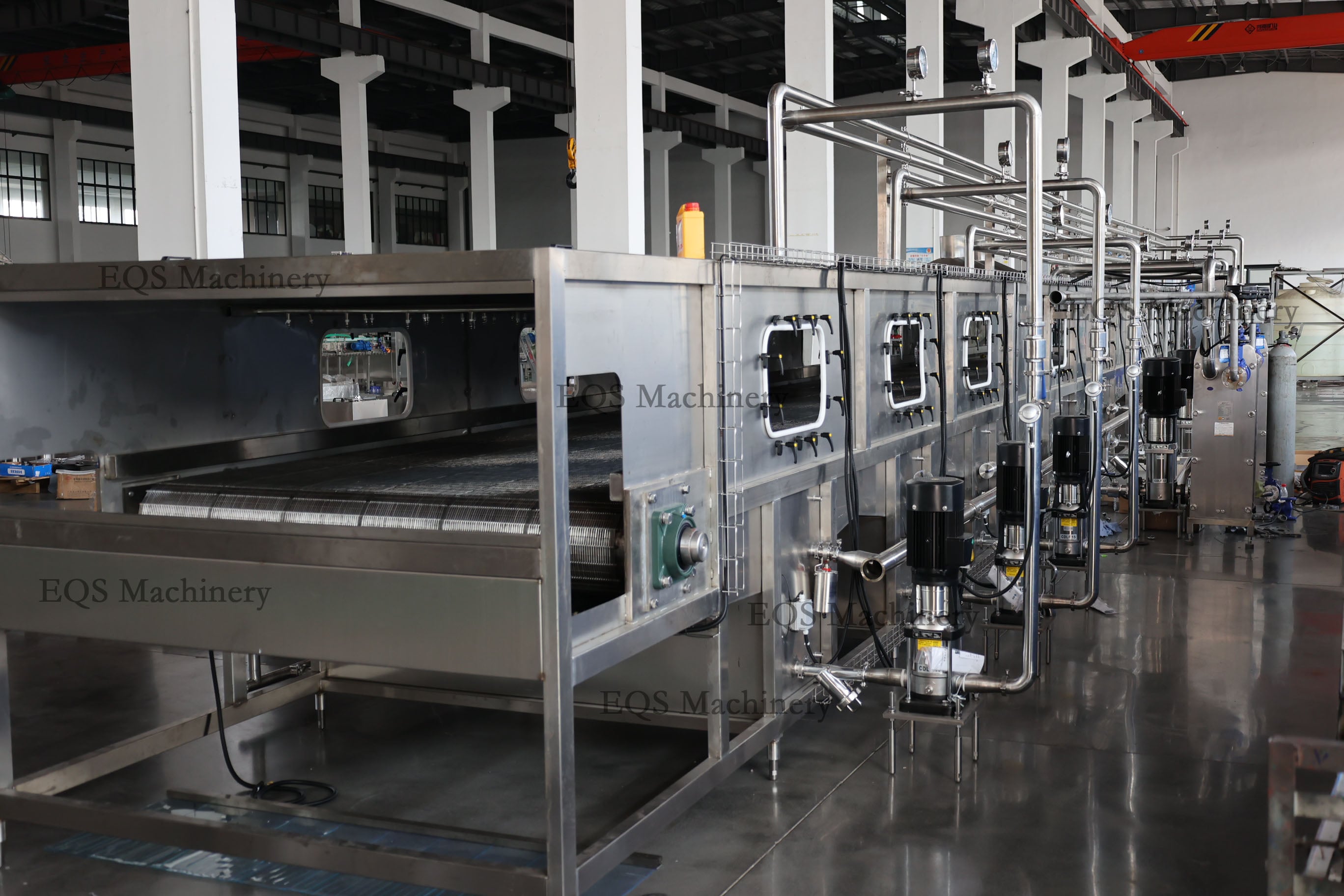
Before buying, breweries should check bottle size range, filling method, capping performance, cleaning ease, and total footprint.
| Check item | What to confirm |
|---|---|
| Bottle type | Glass bottle size and shape |
| Filling speed | Matches daily output |
| Filling quality | Low foam and stable volume |
| Capping quality | Good seal and product safety |
| Cleaning method | Easy sanitation |
| Machine size | Fits workshop layout |
If the brewery plans to launch small-volume products, the machine should support quick changeover and different bottle formats. This is very important for craft beer brands, seasonal products, and local market testing.
I always remind buyers that a bottling machine should serve the business model. For small and mid-size breweries, the best choice is usually not the most advanced one. It is the one that works well, fits the space, and keeps costs under control.
My name is Allen, and I'm an expert in filling machine technology at EQS, a leading liquid packaging solution provider based in China. If you're looking for top-quality equipment for your production line, feel free to reach out to me at [email protected]. We specialize in providing customizable solutions with cutting-edge technology.
Copyright © JIANGSU EQS MACHINERY CO.,LTD