 EN
EN


What is a high-speed water filling machine and how it supports large-volume bottling
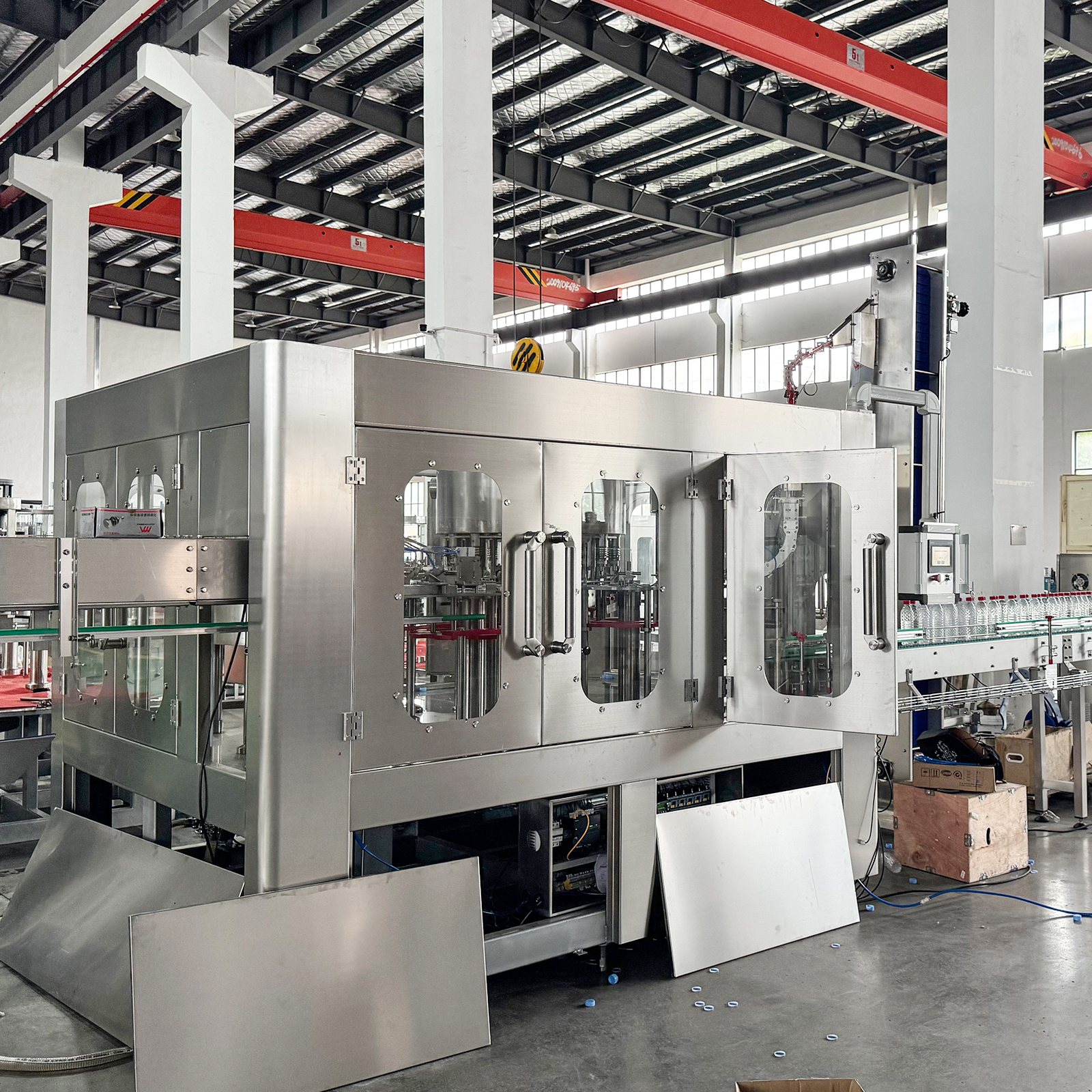
Water filling machines that run at high speeds are basically automated systems capable of filling anywhere between 12,000 to 24,000 bottles each hour, with most variations staying under 3%. The way these work is pretty straightforward. They have these multi nozzle rotary platforms that can fill 24 to 48 containers all at once. What makes them really efficient is how they connect with other parts of the production line like the rinsing station, capper, and label applicator. Everything works together so there's almost no downtime between steps. Newer models come equipped with stainless steel surfaces where the product touches and built in Clean In Place systems. This helps keep things sanitary even when running non stop for days on end, which is essential for maintaining quality control in food and beverage manufacturing.
Key performance indicators: Speed, accuracy, and uptime in modern filling systems
Three metrics define bottling efficiency:
| KPI | Industry Benchmark | Impact |
|---|---|---|
| Speed | 18,000–24,000 BPH | Directly determines production capacity |
| Accuracy | ±0.5% volume tolerance | Prevents product giveaway ($18,000/yr savings at 24k BPH) |
| Uptime | 97.5%+ operational availability | Minimizes $740k/yr downtime costs (Ponemon 2023) |
Advanced servo-driven filling valves achieve 99.8% accuracy while maintaining speeds of 1,800 BPH per nozzle, ensuring consistent output across extended runs.
Simultaneous multi-bottle filling: Enhancing throughput in automated production lines
The latest generation of bottling equipment features those fancy 48-nozzle rotary fillers which can handle whole pallet grids all at once during their synchronized operation cycles. The big advantage here is parallel processing cuts down on downtime between production runs by around 72 percent when compared to older linear systems. Take for example this mineral water company somewhere in Europe that boosted their yearly production by no less than 18 million bottles once they switched to multi-lane filling technology. And get this the time it takes to switch formats? Less than nine minutes thanks to those clever quick release nozzle adapters they installed on the machines.
Case study: A leading manufacturer's impact on high-speed water filling technology
A Chinese company has been making waves in the industry with their new modular filling systems that can handle both PET and glass containers. These machines come equipped with smart algorithms that adjust for different viscosities automatically, plus they have remote monitoring capabilities through what's called IIoT technology. When installed at a local 5 gallon water production facility last year, these systems hit speeds around 1,100 bottles per hour while cutting down on spillage by about half a percent. This kind of flexibility allows manufacturers to tackle all sorts of packaging requirements without having to compromise on speed or quality, which is pretty impressive when considering the variety of products companies need to package nowadays.
Core Technologies Behind Automatic Water Filling Machine Efficiency
Advanced Control Systems for Precision and Consistency in Liquid Filling
Integrated PLCs and real-time sensor networks enable fill tolerances of ±0.5ml even at peak speeds. Touchscreen interfaces provide predictive diagnostics, reducing unplanned downtime by 22% (Equipment Maintenance Report 2023). These systems automatically adjust for container irregularities and temperature-induced expansion, ensuring consistent fills across variable conditions.
Automatic vs. Semi-Automatic Filling Machines: Evaluating Scalability for Growth
Fully automatic lines process 300% more volume than semi-automatic counterparts while requiring 40% fewer operators. Robotic arm integration enables format changeovers in under eight minutes—compared to 45 minutes manually—allowing rapid adaptation to market shifts without disrupting throughput.
Integrating Water Filling Machines into Efficient Bottling Line Systems
Achieving Seamless Integration with Capping, Labeling, and Conveyance Systems
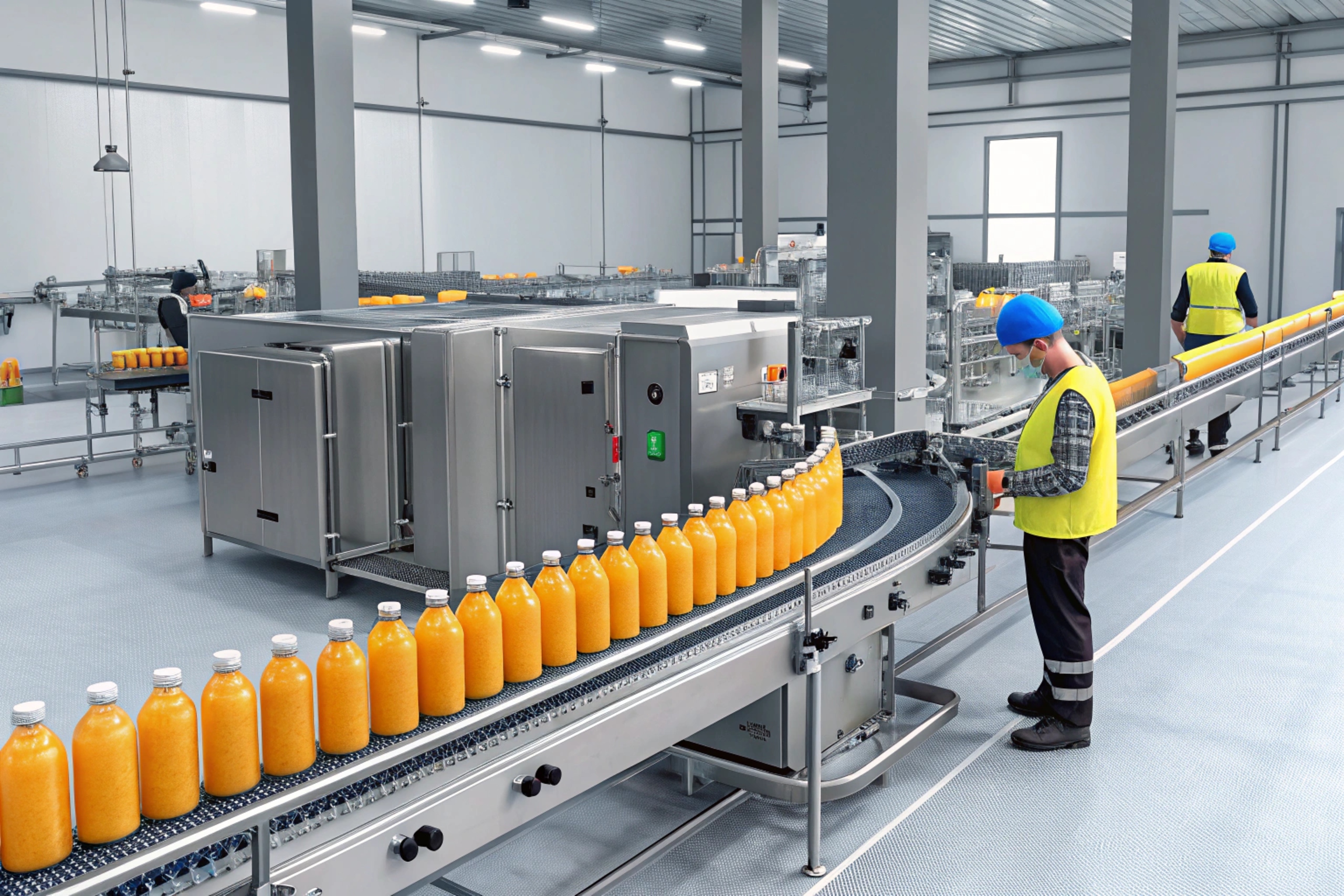
Water filling machines work best when they're properly matched with their supporting components. On high speed production lines, automatic fillers team up with rotating capper units, label placing devices, and smart conveyor belts to keep everything moving smoothly. Newer packaging setups handle bottle placement, adjust fill levels, and set cap tightness all at once while switching between different product formats much faster than before some reports say around 40% quicker actually. Bottles go through the whole process from cleaning to being filled, capped, and labeled without anyone needing to step in manually most of the time. These systems can maintain impressive output rates well above 12 thousand bottles per hour on average days.
Maintaining Filling Accuracy and Hygiene Standards at High Speeds
Precision remains critical at high throughput. Flow meters and load cells regulate fill volumes within ±0.5% accuracy, while stainless-steel construction and CIP systems prevent microbial growth. Fully enclosed 3-in-1 filling systems reduce airborne contamination risks by 92% compared to standalone units, supporting compliance with FDA and ISO 22000 standards.
Scalability and Adaptability for Evolving Production Volume and Market Demand
The modular design approach makes it possible to expand production capacity step by step. Take a basic setup that handles around 2,000 bottles per hour as an example. With just a few added components like extra filling heads and upgraded conveyor belts, this same system can easily reach output levels of about 8,000 units per hour when needed. What really stands out is how quickly everything can be reconfigured too. The quick change tooling lets operators switch between different bottle formats in less than 15 minutes flat. This flexibility becomes crucial during busy seasons when manufacturers need to pivot rapidly between products. Think about companies needing to shift from producing those popular 500ml sports bottles to larger 5 gallon containers for corporate water delivery services right before summer hits.
Adapting High-Speed Filling Lines for Different Container Sizes and Types
Handling 5-Gallon Jugs and Large Containers in Automated Water Filling Systems
The latest generation of water filling machines hits around 99.2% accuracy rate when dealing with those big 5 gallon containers, moving through them at impressive speeds of up to 400 bottles per hour according to Packaging Digest from last year. These machines use servo driven grippers that can place even the largest containers within about half a millimeter of where they need to be. And let's not forget about those special nozzles designed to prevent any kind of spillage during the filling process. What really stands out though is how modular these systems are built. They allow operators to switch seamlessly between different container sizes like going from 3 liters all the way up to 25 liters without having to halt production completely. A recent case study back in 2024 found something pretty interesting too: adjustable cleated conveyors cut down on changeover times by roughly three quarters compared to what was possible with older belt systems. For anyone working with bulk quantities, there are several other notable features worth mentioning as well.
- Reinforced stainless steel frames supporting up to 50 kg loads
- Dual-stage rinsing heads for wide openings
- Radar-based level sensors compensating for tilt
Flexible Design for Diverse Beverage Types and Bottle Formats
The 2024 Material Flexibility Study found 89% of beverage producers require filling lines capable of handling at least five container types. Modern machines accommodate this through:
| Feature | Standard Range | Extended Capacity |
|---|---|---|
| Neck Diameter Support | 20–120 mm | 15–150 mm |
| Height Adjustment | 100–350 mm | 50–500 mm |
| Viscosity Handling | 1–1000 cPs | 0.5–5000 cPs |
Integrated conveyance maintains 600 BPM across PET, glass, and aluminum using dynamic height sensors and programmable torque controls. For flavored or sparkling water, quick-change nozzle banks allow same-line production with automatic CIP cycles preventing cross-contamination.
Strategic Planning for Setting Up a High-Efficiency Water Bottling Plant
Step-by-step guide to setting up a water bottling plant with integrated filling solutions
Getting started on building a really efficient bottling operation begins with picking the right location first things first. Look for places near good quality water supplies, make sure there's proper industrial zoning paperwork sorted out, and try to find somewhere close to where products will actually get shipped from. The way we arrange everything matters too. Good layout design means keeping different processes separated raw water treatment here, filling machines there, caps go over there, packaging happens elsewhere. This kind of organization cuts down on moving stuff around by roughly 40 percent compared to when everything just gets crammed together randomly. And don't forget about all those permits and approvals needed before opening day. Health department checks, environmental impact studies these things usually take anywhere between half a year to a full year to sort through. That's why smart operators start working on these requirements way ahead of schedule instead of waiting until last minute.
Critical infrastructure considerations include:
- Machine footprint: Allocate 25–30% extra floor space for maintenance and future upgrades
- Utility requirements: High-speed fillers require 3-phase power (380–480V) and compressed air (6–8 bar)
- Hybrid conveyor systems: Combine rotary fillers for small bottles with linear setups for 5-gallon jugs
Future-proofing your production line for multiple beverage applications
Manufacturers can grow their operations without tearing out entire production lines thanks to scalable setups. The modular nature of modern equipment means companies can easily add things like nitrogen dosing systems for carbonation work or install UV sterilizers when they need to handle cold fill processes. Most industry experts point towards control systems that remember recipes for over 50 different product formats, along with tooling that changes out in under 15 minutes between runs. Looking at data from the Bottling Line Optimization Report released in 2024, facilities that implement predictive maintenance see around 92 percent uptime compared to just 78 percent for those stuck with reactive approaches. This makes sense given how many bottlers now want flexible spaces where they can switch between spring water, functional drinks, and all sorts of flavored beverages without constantly rebuilding their infrastructure.
FAQ
What are the main advantages of high-speed water filling machines?
High-speed water filling machines offer several advantages, including increased production capacity, enhanced accuracy, minimal downtime, and integrated systems that ensure hygiene standards. These machines can fill a large number of bottles quickly and accurately.
How do modern bottling systems maintain high accuracy during fast operations?
Modern bottling systems use advanced servo-driven filling valves, integrated PLCs, and real-time sensor networks to maintain fill tolerances. Techniques like using flow meters and load cells also help in achieving high accuracy levels during fast operations.
Can high-speed water filling machines handle different container sizes?
Yes, most modern high-speed water filling machines are designed to handle various container sizes due to their modular build and adjustable components, which allow for a seamless transition between different container types without production halts.
Table of Contents
- What is a high-speed water filling machine and how it supports large-volume bottling
- Key performance indicators: Speed, accuracy, and uptime in modern filling systems
- Simultaneous multi-bottle filling: Enhancing throughput in automated production lines
- Case study: A leading manufacturer's impact on high-speed water filling technology
- Core Technologies Behind Automatic Water Filling Machine Efficiency
- Integrating Water Filling Machines into Efficient Bottling Line Systems
- Adapting High-Speed Filling Lines for Different Container Sizes and Types
- Strategic Planning for Setting Up a High-Efficiency Water Bottling Plant
- FAQ