 EN
EN


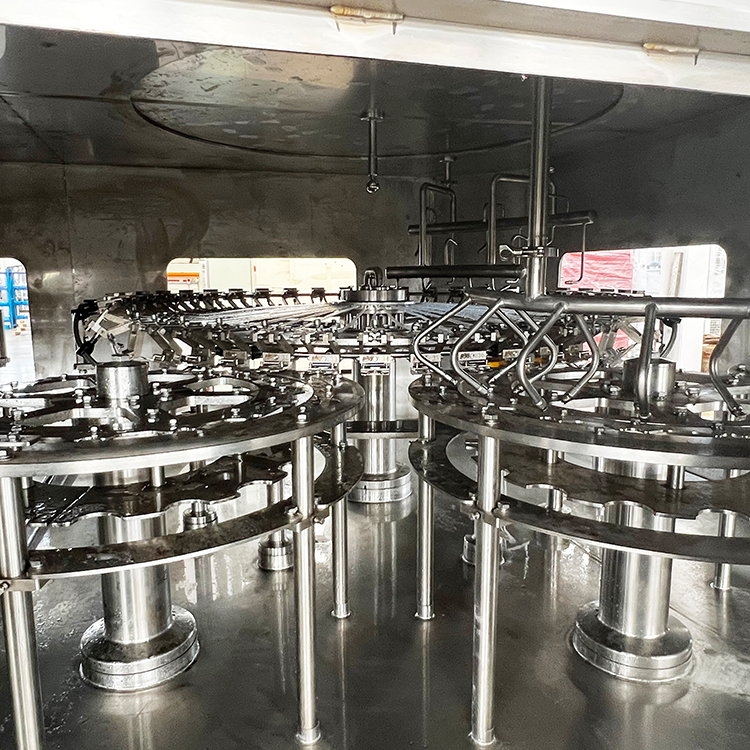
How Ultra Clean Filling Machines Achieve Aseptic Integrity
Sterile chamber design with HEPA-filtered overpressure and zero dead-leg geometry
The core defense against contamination begins with an engineered sterile chamber. Ultra clean filling machines maintain ISO Class 5 air quality through HEPA-filtered overpressure systems, where continuous positive airflow prevents external contaminants from entering critical zones. This creates a validated microbiological barrier—confirmed by real-time particle counters during operation. Enclosed stainless steel chambers with zero dead-leg geometry eliminate stagnation points where microbes could proliferate. Seamless welding and radiused corners exceed EHEDG hygienic design standards, reducing contamination risk by 99.97% compared to conventional filling environments. Modern units incorporate enclosed stainless steel chambers with HEPA filtration and real-time pressure monitoring to ensure consistent environmental control throughout production cycles.
Integrated sterilization units (SIP/CIP) and surface finish standards (Ra ≤ 0.8 µm)
Post-production sterilization is equally critical. Advanced units feature integrated Sterilize-in-Place (SIP) and Clean-in-Place (CIP) systems that automate vessel sterilization using validated temperature–time protocols—delivering saturated steam or chemical sterilants to all product-contact surfaces without disassembly. Surface finish specifications (Ra ≤ 0.8 µm) create microscopically smooth surfaces that resist microbial adhesion and support effective cleaning. Together, these features reduce bioburden by 4-log, per 2023 pharmaceutical hygiene studies, and achieve a 99.9999% reduction of heat-resistant microorganisms when validated per FDA-approved protocols.
Precision Filling Technologies That Eliminate Contamination Risk
An ultra clean filling machine relies on precision technologies to prevent contamination at the point of product transfer. Two key methods—non-contact filling and validated rinsing protocols—form the foundation of aseptic bottling.
Non-contact weight-based filling: hygienic accuracy without nozzle-bottle contact
In non-contact weight-based filling, the nozzle remains suspended above the bottle neck during dispensing. A load cell continuously monitors container weight and stops flow at the exact target volume. This closed-loop control ensures consistent fill levels across thousands of bottles per hour—without physical contact between nozzle and container. Eliminating contact removes cross-contamination risk from prior cycles and avoids crevices where microbes could accumulate. Operators can quickly switch between container sizes without mechanical adjustments, minimizing downtime while preserving sterility. This approach is especially valuable for products sensitive to particulate or microbial contamination, as it significantly reduces environmental exposure.
Chemical and sterile rinsing protocols aligned with ISO 13408-1 and EU GMP Annex 1
Before filling, every container and closure must undergo a validated rinsing process. Chemical rinsing uses antimicrobial solutions—such as peracetic acid or hydrogen peroxide—at controlled concentrations and contact times. Sterile rinsing employs high-temperature water or steam to achieve equivalent microbial reduction. Both methods are designed to deliver a sterility assurance level (SAL) of 10⁻⁶, as required by ISO 13408-1 and EU GMP Annex 1. Equipment includes integrated monitoring systems to log and verify each rinse cycle’s temperature, concentration, and duration. The choice between chemical and sterile rinsing depends on packaging material thermal tolerance and product sensitivity to chemical residues.
Sterile Cap Handling and Validation-Backed Sterilization Methods
Comparative efficacy of UV, auxonia, steam, and sterile water for cap sterilisation
Sterile cap handling demands rigorous sterilization methods validated to achieve an SAL of 10⁻⁶. Among common techniques, steam sterilization delivers the highest microbial kill rate—validated at 99.9999% efficacy against resistant spores like Geobacillus stearothermophilus. UV treatment offers rapid cycle times but is limited by shadowed areas on complex cap geometries. Auxonia (chemical vapor) provides compatibility with sensitive polymers yet requires extensive residue validation. Sterile water rinsing serves primarily as a supplementary step—not a standalone sterilization method. Crucially, each approach must undergo performance qualification (PQ) with biological indicators to meet ISO 13408 standards. Recent validation studies confirm steam maintains superiority for terminal sterilization where material compatibility permits.
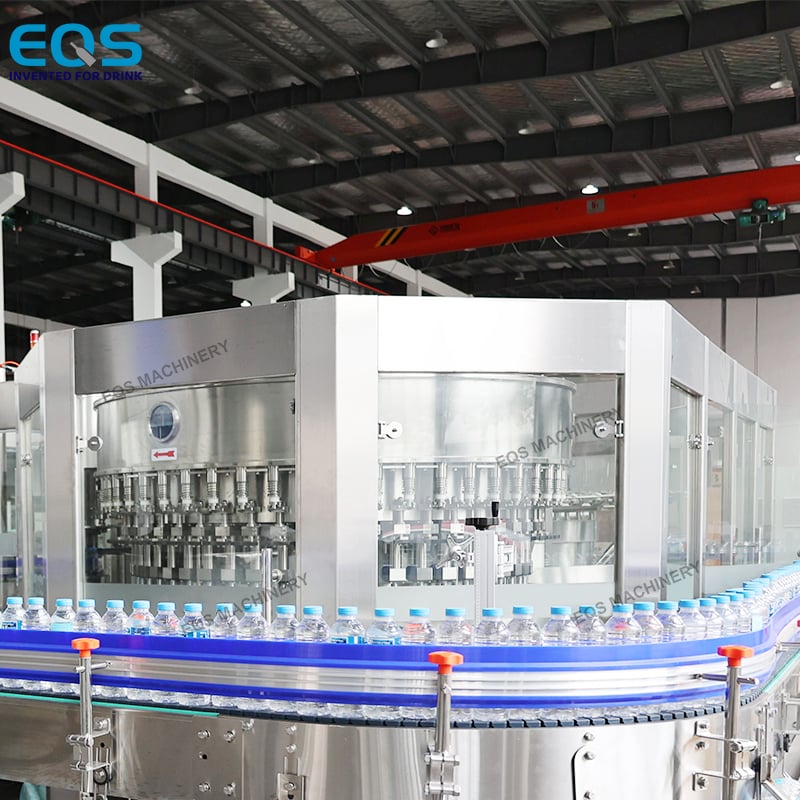
Balancing Throughput and Sterility: Resolving the Automation–Asepsis Paradox
Pharmaceutical manufacturers face a critical challenge: achieving high-speed production while maintaining uncompromised sterility. Traditional methods often force a trade-off between these objectives. However, modern ultra clean filling machine designs resolve this conflict through integrated barrier technologies and intelligent automation. Isolators or Restricted Access Barrier Systems (RABS) create sealed environments, replacing high-risk cleanroom operations and minimizing human intervention. Precision robotics handle container transport, filling, and sealing with sub-millimeter accuracy—reducing particulate generation. Simultaneously, these systems incorporate real-time monitoring—such as 100% in-process weight checks—to instantly detect and reject non-conforming units without slowing the line. This closed-loop control delivers throughput gains exceeding 30% while enhancing sterility assurance levels (SAL), aligning with stringent regulatory expectations like FDA cGMP and EU GMP Annex 1. The result is a scalable solution that meets both efficiency targets and patient safety imperatives.