 EN
EN


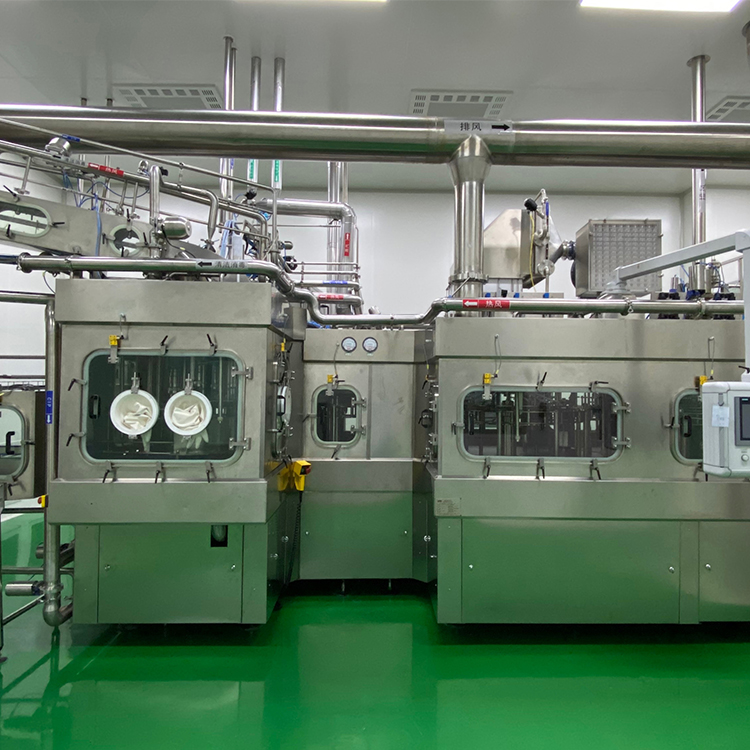
How Smart Aseptic Filling Machines Enable End-to-End Sterility and Traceability
Modern aseptic filling machines go beyond basic sterilization by embedding intelligence that monitors, records, and predicts every step. This end-to-end approach ensures sterility is never a single checkpoint—but a continuously verified condition, backed by full batch traceability.
Real-Time Microbial Monitoring and AI-Powered Anomaly Detection
Smart aseptic filling machines incorporate continuous environmental monitoring sensors that track viable particles (>0.5 µm) and pressure differentials in Grade A zones. If thresholds exceed 1 CFU/m³—the limit defined by EU GMP Annex 1—the system triggers an immediate alert, preventing contamination before it spreads. Advanced AI algorithms analyze these data streams in real time to detect subtle, non-obvious patterns—such as gradual microbial ingress from a failing isolator seal—that may escape human observation. This predictive anomaly detection enables the machine to autonomously adjust filling parameters or initiate a controlled shutdown, eliminating reliance on delayed lab results. The outcome is earlier intervention, fewer false positives, and sustained sterility assurance without compromising throughput.
IoT Integration for Full Batch Traceability and Predictive Maintenance
Each aseptic filling machine connects to a plant-wide IoT network that logs every fill cycle, temperature profile, sterilization event, and environmental parameter. Radio-frequency identification (RFID) tags on containers and tooling create a seamless digital thread—from pre-sterilization through final closure—enabling full batch traceability. Should a post-fill quality issue arise, operators can instantly identify the exact line, station, and timestamp of every affected unit. Beyond traceability, this same data stream powers predictive maintenance algorithms. By analyzing vibration signatures, pressure fluctuations, and cumulative runtime trends, the system forecasts component wear and schedules interventions before failure occurs. This reduces unplanned downtime by up to 40%, extends the service life of critical components, and preserves sterile integrity across production cycles.
Performance Breakthroughs in Modern Aseptic Filling Machine Systems
High-Speed Operation (30,000+ BPH) Without Sacrificing Aseptic Integrity
Modern aseptic filling machines now operate at speeds exceeding 30,000 bottles per hour (BPH) while maintaining strict compliance with ISO 14644-1 Class 5 (Grade A) requirements. High-speed rotary systems use servo-controlled nozzles and fully enclosed isolator technology to eliminate exposure during high-velocity filling. Blow-fill-cap combiblock designs further reduce risk by eliminating intermediate transfer points between bottle formation and filling. Together, these innovations allow beverage producers to scale output efficiently—without extending sanitation cycles or compromising the validated aseptic environment.
Cold Aseptic Filling Technology for Heat-Sensitive Beverages
Cold aseptic filling enables product introduction at ambient or chilled temperatures—bypassing the thermal stress of traditional hot-fill methods. This preserves sensory qualities, nutritional integrity, and enzymatic stability in heat-sensitive beverages like dairy-based drinks, cold-pressed juices, and functional teas. It also eliminates energy-intensive cooling tunnels and reduces packaging material demands—since lower fill temperatures allow use of lighter-weight, more sustainable polymers. With shelf lives comparable to hot-filled products and significantly lower operational costs, cold aseptic filling has become a strategic enabler for innovation in premium beverage portfolios.
Operational Flexibility and Sanitation Advancements in Aseptic Filling Machines
Quick-Change Tooling and Format Adaptability Across Bottles, Cartons, and Pouches
Modern aseptic filling machines support rapid format changes—between bottles, cartons, and pouches—in under 15 minutes—without compromising sterility validation. Quick-change tooling, guided by IoT-connected position sensors and automated calibration routines, ensures mechanical repeatability and consistent barrier integrity across configurations. This adaptability supports agile production strategies, including short-run SKUs and seasonal launches, while maintaining compliance with FDA 21 CFR Part 117 and EU Regulation (EC) No 852/2004 hygiene standards.
Advanced Sanitation: VHP, UV-C, and Optimized CIP Protocols
Sanitation is no longer a static process—it’s a dynamic, data-informed layer of defense. Integrated vaporized hydrogen peroxide (VHP) systems achieve ≥6-log microbial reduction in isolators and fill zones, while UV-C emitters provide continuous surface decontamination of critical contact points. These non-thermal technologies protect both product quality and equipment longevity. Coupled with optimized clean-in-place (CIP) protocols—validated using conductivity, temperature, and flow-rate monitoring—these systems reduce chemical consumption by up to 30% and cut cycle times by 25%. When combined with real-time sterility verification (e.g., rapid ATP bioluminescence assays), they deliver consistent, auditable hygiene performance across all production runs.
FAQ
What is an aseptic filling machine?
An aseptic filling machine is a device used in the bottling process to fill sterile products into sterilized containers under sterile conditions, ensuring the product remains free from contamination.
How do smart aseptic filling machines ensure sterility?
They utilize real-time microbial monitoring, AI-powered anomaly detection, and IoT integration for continuous verification and quick intervention to maintain sterility throughout the process.
What are the advantages of cold aseptic filling technology?
Cold aseptic filling preserves the product's sensory qualities and nutritional integrity, eliminates energy-intensive cooling tunnels, and allows for the use of more sustainable packaging materials.
How does IoT enhance aseptic filling machine performance?
IoT enables full batch traceability, predictive maintenance, and detailed logging of every fill cycle, sterilization event, and environmental parameter for better operational control.
What sanitation technologies do aseptic filling machines use?
They use advanced sanitation technologies like vaporized hydrogen peroxide (VHP), UV-C emitters, and optimized clean-in-place (CIP) protocols for consistent hygiene performance.