 EN
EN


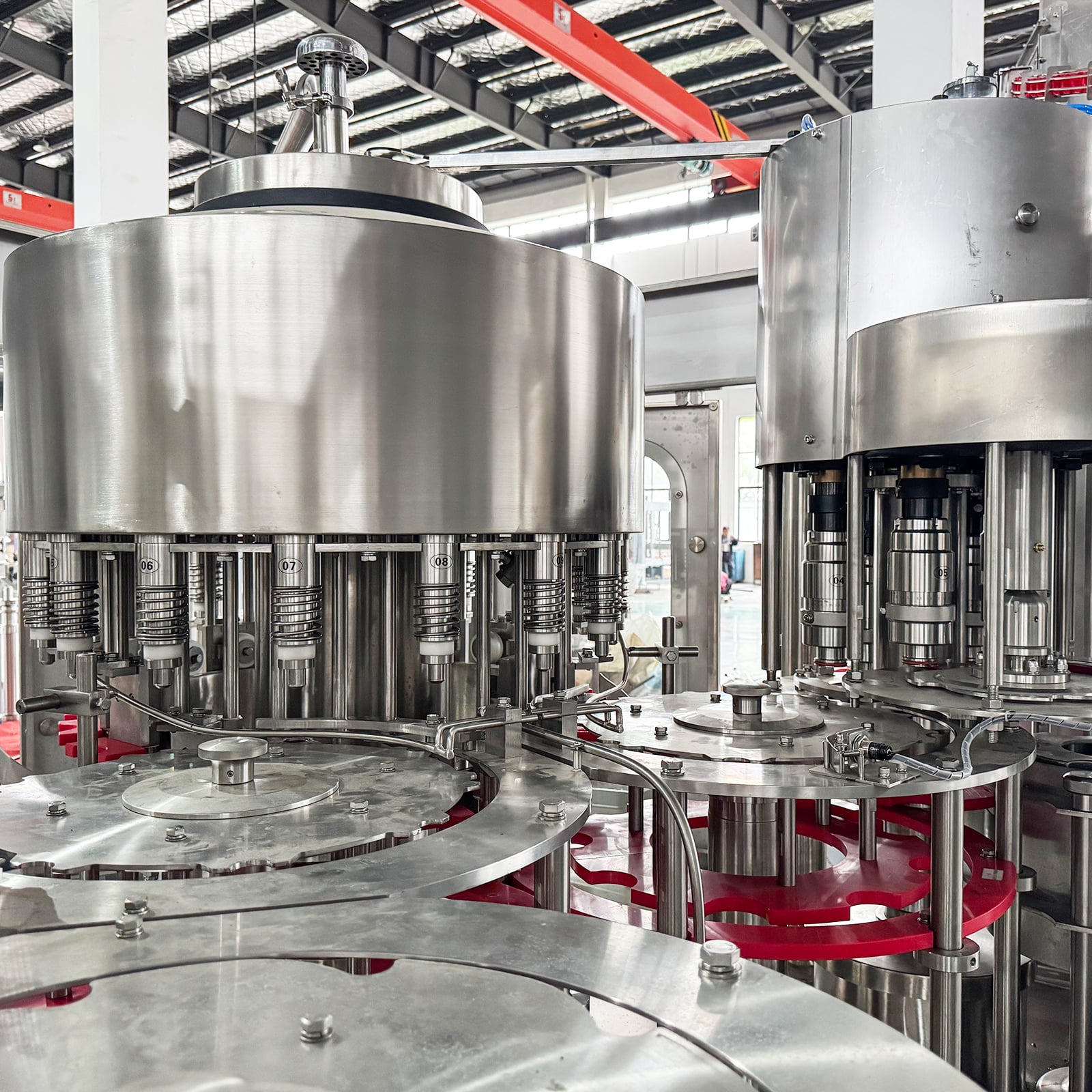
Ensuring Product Quality Through Precision Water Filling Technology
Modern bottling operations rely on precision water filling machines to maintain strict quality standards while meeting high production demands. These systems achieve fill accuracy within ±0.5%, reducing product giveaway by 3–5% compared to manual methods (Beverage Packaging Journal 2023).
The impact of filling technology on product quality
Advanced filling systems eliminate human error through automated volume verification and closed-loop feedback controls. This precision correlates with a 32% reduction in customer complaints related to inconsistent fill levels (2023 Beverage Industry Quality Report).
Filling accuracy and volume control in bottled water production
Flow meters, load cells, and optical sensors work together to maintain ±1mm fill height consistency across container sizes. This multi-sensor approach prevents overfills, ensures compliance with FDA standard 21 CFR §129.40 for packaged water, and supports long-term shelf stability.
Manual vs. automated water filling machine systems: A quality comparison
Automated systems generate four times fewer fill volume deviations than manual operations, particularly in challenging environments such as high humidity, where operator fatigue affects consistency. This reliability is critical when bottling premium waters requiring precise preservation of mineral content and taste profile.
Achieving Consistent Output with Automated Water Filling Systems
Automated water filling systems integrate precision engineering with real-time monitoring to deliver unmatched consistency. Advanced models maintain ±0.25% volume accuracy at speeds up to 800 bottles per minute—a vital capability given that just 1% overfilling can cost $40,000 annually per line (Food Engineering 2023).
Consistency and Quality Control in High-Speed Packaging Lines
Load cell verification paired with electromagnetic flow meters ensures fill variance stays below 0.5ml, even on lines exceeding 600 containers per minute. This dual-measurement system eliminates the 2–7% discrepancies common in manual processes and maintains compliance with FDA 21 CFR Part 129 standards.
Reduction of Overfilling and Underfilling With Modern Water Filling Machines
Closed-loop control systems dynamically adjust for temperature and viscosity fluctuations that cause fill variation. According to a 2023 Beverage Production Audit, plants using this technology reduced product giveaway by 89% compared to time-based filling methods, while also cutting label application errors caused by uneven fill heights.
Real-Time Monitoring for Consistency in Beverage Production
Laser sensors perform up to 200 micro-adjustments per second, integrated with statistical process control software to sustain six-sigma quality levels. This enables near-elimination of batch recall risks and helps facilities achieve 98.6% overall equipment effectiveness (OEE), as demonstrated in benchmark testing.
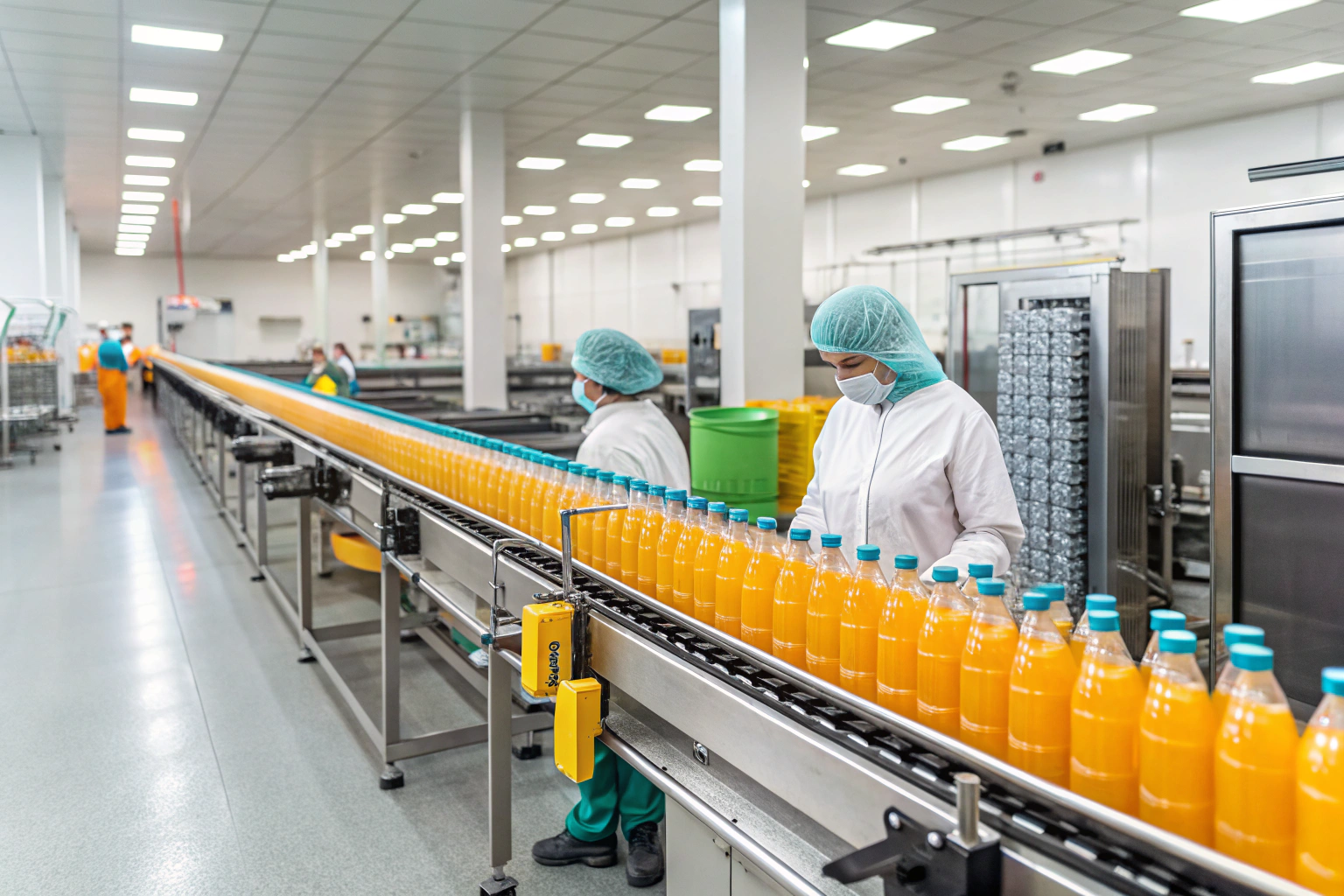
Hygiene and Contamination Prevention in Water Filling Machine Operations
Maintaining Sterile Filling Environments for Product Safety
Water filling machines today are built to handle ISO 14644-1 Class 7 cleanrooms thanks to their multi-stage air filters which capture about 99.99 percent of particles 0.5 microns or larger. The system maintains positive around 10 to 15 pascals so no dirty outside air can sneak into the production area. Between cleaning cycles, UV C light modules knock down surface germs at an impressive rate of nearly 99.99%. These machines are made from electropolished 316L stainless steel with a finish roughness below 0.8 microns, meeting all the FDA 21 CFR Part 117 rules for food safety. According to research published in Food Safety Magazine last year, facilities using this kind of equipment saw contamination incidents drop by roughly 92% when compared to older manual filling setups.
How Water Filling Machines Prevent Microbial Contamination
The closed-loop systems that come with automatic CIP sterilization really cut down on those handling mistakes which account for around 74 percent of all beverage product recalls according to the FDA report from 2022. When it comes to rotary fillers, they have these special chambers flushed with nitrogen gas that keeps oxygen content under 0.5 percent, making it tough for aerobic bacteria to grow at all. For monitoring contamination, many plants now use real-time ATP bioluminescence sensors instead of relying on old-fashioned weekly swab testing methods. These sensors check for microbial residue every fifteen seconds straight through production runs. This helps companies stay within WHO standards for water safety when it comes to coliform bacteria counts (zero colony-forming units per 100 milliliters) while keeping their manufacturing lines running smoothly without interruptions.
Balancing High Output With Hygiene: Addressing the Industry Paradox
Advanced systems resolve the trade-off between speed and sanitation through integrated innovations:
| Feature | Throughput Impact | Contamination Reduction |
|---|---|---|
| Self-sealing fill heads | +12% capacity | 80% fewer particle intrusions |
| Infrared cap sterilizers | No speed loss | 99.9% pathogen elimination |
| Predictive CIP timing | -18% downtime | 55% lower sanitizer use |
According to a PMMI report (2024), facilities using these solutions achieve 98.6% OEE while maintaining non-conformance rates below 0.1% in microbial testing—proving automation enhances both productivity and safety.
Optimizing Efficiency, Reliability, and Maintenance of Water Filling Machines
Reducing Waste and Improving Process Reliability
Modern systems maintain ±0.5% accuracy for water and ±1% for viscous liquids (Packaging Materials Journal 2023). Flow meters with self-diagnostics reduce overfilling by 19% compared to manual setups. One manufacturer reported a 42% decrease in product loss after implementing automated feedback loops.
Peristaltic Pump Systems for Sensitive and High-Value Applications
These sealed, lubrication-free pumps prevent cross-contamination, making them ideal for pH-balanced drinking waters and medical-grade fluids. Their design supports 99.9% hygiene compliance in pharmaceutical audits, where sterility is non-negotiable.
Predictive Maintenance Trends in Water Filling Machine Operations
IoT-enabled sensors detect bearing wear up to 30 days before failure, reducing unplanned downtime by 40% (Automation Today 2024). A 2023 case study showed vibration analysis tools extended mean time between failures (MTBF) by 17 months in a leading bottling facility.
Long-Term Performance Through Proactive Equipment Maintenance
Daily cleaning extends equipment lifespan by 8–12 years. Regular maintenance delivers measurable improvements:
| Maintenance Frequency | Uptime Improvement |
|---|---|
| Weekly sensor calibration | 15% |
| Monthly belt tension checks | 22% |
Plants using condition-based monitoring achieve 85% higher operational lifespan than those relying on reactive repairs, according to the 2024 Beverage Maintenance Guide.
FAQ
What is the main benefit of precision water filling technology?
Precision water filling machines ensure high fill accuracy, reducing product variance and maintaining quality standards across production lines.
How do automated water filling systems maintain consistency?
These systems use advanced technology like electromagnetic flow meters and load cells to ensure precision in high-speed packaging lines, minimizing fill variance.
What measures are in place to prevent contamination in water filling operations?
Water filling machines utilize closed-loop systems, UV C light sterilization, and multi-stage air filtration to maintain sterile environments and prevent microbial contamination.
How does predictive maintenance benefit water filling operations?
Predictive maintenance uses IoT-enabled sensors to detect early signs of wear and tear, reducing unplanned downtime and extending the lifespan of equipment.