 EN
EN


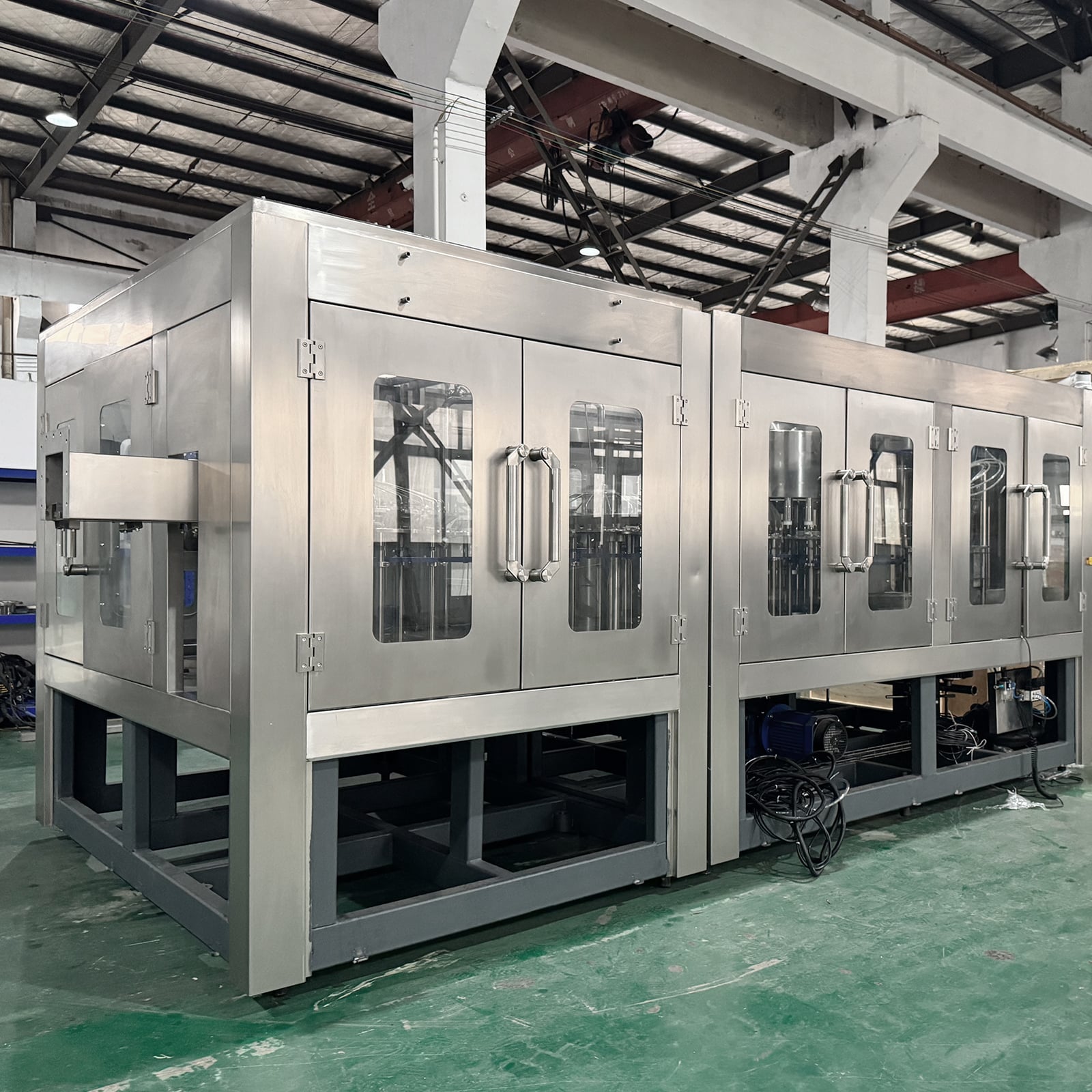
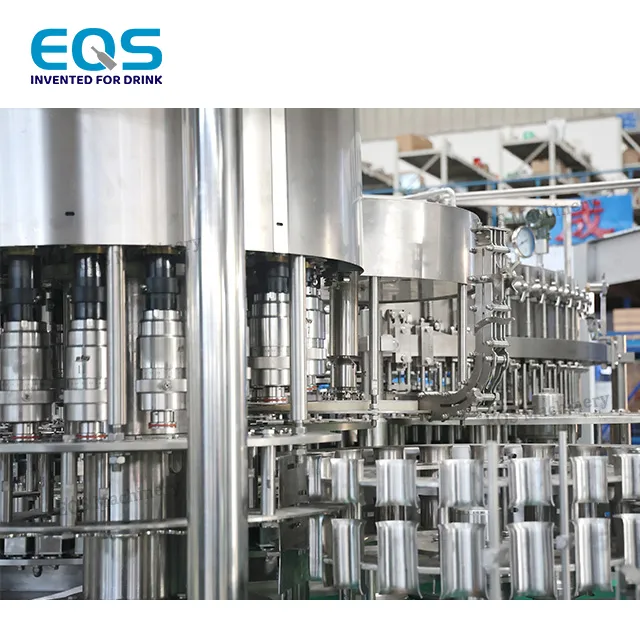
Core Functions of Water Filling Machines in Modern Production Lines
Water filling machines are basically what keeps beverage manufacturing running smoothly these days. They blend advanced engineering techniques with automated processes to handle all those production requirements we see in modern factories. Bottling facilities can actually process over 20 thousand containers every single hour thanks to these systems. And here's something interesting - they manage to keep fill levels accurate within just half a percent variation. That kind of precision helps manufacturers stick to international quality guidelines such as ISO 22000 standards according to Beverage Industry Reports from 2023. Pretty impressive when you think about it.
How Water Filling Machine Technology Enables Scalable, High-Speed Production
The latest filling tech handles all sorts of production needs thanks to volumetric systems that can adapt to different bottle heights ranging anywhere from around 150mm right up to 350mm. Gravity based fillers work great for getting the right flow rate too, anywhere between roughly 200ml per second and as much as 5 liters per second depending on what's needed. And then there are those multi head rotary fillers which can handle between 24 and almost 50 containers each time they go through a cycle. What makes these systems so valuable is how quickly they let manufacturers switch products. A plant can move from small 250ml pouches straight into handling massive 19 liter bulk containers within just about 15 minutes flat. This kind of speed cuts down on downtime when changing over between different products, something that really matters in fast paced manufacturing environments where every minute counts.
Integration of Water Filling Machines in End-to-End Automated Packaging Systems
Today's production lines bring together bottle cleaning, liquid dispensing, and cap application into one smooth operation. When machines take over these tasks, they can handle anywhere between 1,200 and 22,000 bottles every hour during the rinse stage. The filling process becomes much more accurate too, going from around 98 percent correct fills to nearly 99.8 percent. And those pesky cap defects? They drop dramatically from about 3 out of every 100 bottles to just 0.2%. What does all this mean for workers on the floor? Well, automation handles most of the work now, cutting down manual labor by roughly 80%. Plus, since everything happens inside sealed systems, there's almost no chance of outside contaminants getting into the product during processing.
| Process | Manual Line Output | Automated Line Output | Error Reduction |
|---|---|---|---|
| Bottle Rinsing | 1,200/hr | 22,000/hr | 92% |
| Liquid Filling | 98% Accuracy | 99.8% Accuracy | 85% |
| Cap Sealing | 3% Defect Rate | 0.2% Defect Rate | 94% |
Precision Liquid Level Control: Meeting Quality Standards in Bottled Water
The nozzles controlled by microprocessors along with those servo driven valves keep fill heights pretty consistent within about 1mm across different types of containers. There are infrared sensors watching the liquid's clarity as it goes through the line, and if a bottle doesn't look clean enough according to set standards, it gets rejected automatically. Getting this kind of accuracy is actually important for factories wanting to comply with the new EU regulations for bottled water from 2023. These rules demand that commercial products have less than half a percent variation in volume, something that these systems help achieve without much hassle.
Automation and Smart Technology in Water Filling Machine Operations

Real-time monitoring through digitalization and industrial IoT integration
Water filling equipment today is packed with those fancy IoT sensors and connected to cloud dashboards so operators can keep tabs on fill accuracy down to about half a milliliter and monitor line speeds as they happen. The constant flow of data means problems get fixed fast, which cuts down mistakes during production by roughly 38%, at least that's what the numbers from last year's bottling sector reports show. Some of the better systems actually look back at past performance metrics when analyzing current operations. This helps spot potential issues early on before they start messing with overall production rates, something plant managers really appreciate during busy seasons when every drop counts.
Closed-loop control systems for consistent performance and error reduction
Self-correcting mechanisms automatically adjust nozzle flow rates and conveyor speeds based on inline quality checks. This ensures 99.9% fill volume consistency across varying bottle geometries without manual input. Manufacturers report 72% fewer product recalls after implementing these systems, as documented in a 2024 packaging technology review.
Predictive maintenance powered by smart sensors and data analytics
Vibration analysis and thermal imaging predict bearing failures and motor wear 3–6 weeks before breakdowns occur. By analyzing equipment performance alongside maintenance logs, algorithms prioritize service tasks, extending machine lifespan by 40% and reducing spare parts inventory costs by $18 per machine-hour (Food Production Analytics 2023).
Case Study: Implementation of a smart filling line by a leading machinery manufacturer
One Chinese machinery maker recently overhauled twelve production lines by installing AI vision systems that spot misaligned bottle caps at a rate of 160 units per minute. After implementing this tech upgrade, they saw a pretty impressive drop in packaging waste materials - around 23 percent reduction. Their equipment effectiveness score jumped too, going from just 76% up to nearly 90% over the course of about half a year. These kinds of improvements show why investing in smart technologies makes real business sense for large scale water bottling operations where even small efficiency gains translate into big savings over time.
Synergy Between Water Purification Systems and Filling Line Efficiency

Modern water bottling plants achieve operational excellence through the precise coordination of purification technologies and filling line mechanics. This synergy ensures microbiologically safe products while meeting strict throughput demands.
Reverse Osmosis (RO) as a Critical Pre-Filling Treatment for Pure Water Production
RO systems get rid of about 95-99% of those pesky dissolved solids and other nasties before water goes into bottles, something that's actually required under the latest World Health Organization guidelines from 2022. Most high end setups use three stage processes these days, featuring those super fine 0.0001 micron filters along with automatic TDS checks so they can hit below 10 parts per million of impurities, which is what the big name water companies need. The whole process stops mineral buildup in the rest of the system while keeping that clean fresh taste customers expect every time they open a bottle.
Final Disinfection With Ultraviolet (UV) Technology to Ensure Microbiological Safety
UV-C reactors with high intensity placed right before the filling machines kill off almost all bacteria and viruses, leaving no chemical traces behind. These systems work at around 40 mJ per square centimeter, which is actually 33% higher than what the FDA requires, so they keep things sterile as products move from storage tanks down to the filling nozzles. The built-in flow controls make sure each bottle gets enough UV exposure even when production lines are running fast, handling up to 12 thousand bottles every single hour without compromising effectiveness.
Balancing Energy Efficiency and Contamination Removal in Purification Processes
| Technology | Energy Use (kWh/m³) | Contaminant Removal Rate | Maintenance Interval |
|---|---|---|---|
| Standard RO | 3.2 | 95–98% | 6–8 weeks |
| Hybrid RO+UF | 2.8 | 99.9% | 10–12 weeks |
| Low-Energy RO | 2.1 | 94% | 4–6 weeks |
Hybrid configurations using RO with ultrafiltration (UF) membranes reduce energy consumption by 28% compared to conventional systems while improving microbial removal efficacy. Variable-frequency pump drives automatically adjust to water conductivity levels, cutting idle power draw by up to 60% during line stoppages.
Design Innovations for Flexibility, Hygiene, and Performance

Modular Water Filling Machine Designs Supporting Multiple Bottle Sizes and Shapes
Today's packaging equipment comes with modular designs that let manufacturers switch formats quickly from small 200ml bottles all the way up to 5 liter containers. The real game changer? Quick change parts like adjustable fill heads and grippers that can swap out different bottle styles within just 15 minutes. That cuts down on downtime by almost 70% when compared to older fixed design systems according to Packaging World last year. What does this mean for producers? They can run multiple product lines side by side these days - think mineral water alongside flavored drinks and even purified water products without having to shut everything down for reconfiguration.
Hygienic Engineering and Easy-Clean Surfaces to Prevent Microbial Contamination
The stainless steel build with those super smooth electropolished surfaces (Ra less than or equal to 0.8 micrometers) really helps cut down on bacteria sticking around and can handle all those daily cleanups without breaking a sweat. The filler valves have gotten smarter too, with these split body designs that come apart easily by hand for thorough cleaning. According to Food Safety Magazine from last year, this design actually tackles about 92% of the contamination problems they found during their inspections at bottling plants. And let's not forget about the integrated CIP systems which take care of sterilizing everything automatically through those hot 75 degree Celsius rinse cycles mixed with peracetic acid solutions. Makes sense when dealing with food production environments where cleanliness is non negotiable.
Optimizing High-Speed Filling Without Sacrificing Precision or Increasing Spillage
The latest generation of servo driven volumetric fillers can hit around 0.5% accuracy when running at speeds up to 20 thousand bottles an hour, thanks to their ability to adjust for viscosity changes on the fly. These machines typically work in two stages first they do a quick bulk fill, then follow up with a slow precision feed that brings the level just right. This approach cuts down on spills to under 0.1%, which is pretty impressive considering the strict requirements of ISO 22000 certification. What really stands out though is how these systems use laser guidance to prevent alignment issues. This becomes especially important when dealing with those tricky narrow neck PET bottles that make up such a big part of the bottled water industry today.
Sustainability and Energy Efficiency in Water Filling Machine Systems

Modern water filling machine manufacturers prioritize sustainable engineering, with next-generation systems reducing energy consumption by 30% compared to legacy equipment (2024 Water Bottling Innovations Report). This shift addresses both operational costs and environmental regulations through two key innovations.
Energy-Saving Motors, Drives, and System Design in Next-Generation Filling Machines
Modern filling lines now come equipped with high efficiency motors, variable frequency drives or VFDs for short, plus smart PLC systems all working together to slash power consumption. The efficiency gains are pretty impressive too. High efficiency motors can cut down on electricity losses somewhere around 10 to maybe even 20 percent. Then there are those VFDs which really make a difference by adjusting speeds dynamically, saving about 20 to 30 percent on energy costs. And let's not forget the intelligent PLC systems that bring in another 15 to 25 percent savings just by predicting when maintenance is needed before problems happen. When all these components work hand in hand, they manage to cut down wasted energy during idle states by roughly 40 percent. Pretty cool fact here though - the VFDs themselves actually help prevent anywhere from 18 to 22 percent of motor wear over time, which means machines last longer without breaking down unexpectedly.
| Technology | Energy Saving Potential | Primary Impact |
|---|---|---|
| High-Efficiency Motors | 10–20% | Reduced electrical losses |
| Variable Frequency Drives | 20–30% | Dynamic speed control |
| Intelligent PLC Systems | 15–25% | Predictive maintenance |
Reducing Water Waste Through Closed-Loop Purification and Recycling Technologies
Closed loop systems manage to get back around 92 percent of rinse water that would otherwise go down the drain, which means factories need way less fresh water coming in from outside sources. Combine these systems with reverse osmosis purification technology and suddenly plants are able to clean and reuse about 85% of their waste water streams without compromising on those important microbial safety requirements. The math adds up pretty nicely too. For every 10,000 bottles processed through such a setup, facilities save approximately 50 cubic meters of water. To put that into perspective, this amount equals what nearly 5,200 households might consume over the course of a year in areas where access to clean water remains a real challenge. Makes sense why more companies are looking at implementing these kinds of water saving measures nowadays.
FAQ Section
What are the main functions of water filling machines?
Water filling machines automate the bottling process in factories, ensuring precise fill levels and supporting high-speed production while adhering to international quality standards.
How do water filling machines contribute to automation?
These machines integrate bottle cleaning, liquid dispensing, and cap application, significantly reducing manual labor and contamination risks while enhancing production efficiency.
What role does smart technology play in water filling operations?
Smart technologies, such as IoT sensors and digital dashboards, provide real-time monitoring and predictive maintenance, improving accuracy and reducing production errors.
How do water purification systems enhance filling line efficiency?
Purification systems like RO and UV technologies ensure microbiologically safe water, reducing contaminants before bottling and fulfilling stringent health guidelines.
What sustainable practices are used in water filling machines?
Next-generation machines utilize energy-saving motors and closed-loop recycling systems, reducing energy consumption and water waste effectively.
Why is modular design important in water filling machines?
A modular design allows quick adaptation to various bottle sizes and shapes, reducing downtime and supporting simultaneous multiple product lines.
Table of Contents
- Core Functions of Water Filling Machines in Modern Production Lines
-
Automation and Smart Technology in Water Filling Machine Operations
- Real-time monitoring through digitalization and industrial IoT integration
- Closed-loop control systems for consistent performance and error reduction
- Predictive maintenance powered by smart sensors and data analytics
- Case Study: Implementation of a smart filling line by a leading machinery manufacturer
- Synergy Between Water Purification Systems and Filling Line Efficiency
- Design Innovations for Flexibility, Hygiene, and Performance
- Sustainability and Energy Efficiency in Water Filling Machine Systems
-
FAQ Section
- What are the main functions of water filling machines?
- How do water filling machines contribute to automation?
- What role does smart technology play in water filling operations?
- How do water purification systems enhance filling line efficiency?
- What sustainable practices are used in water filling machines?
- Why is modular design important in water filling machines?