 EN
EN


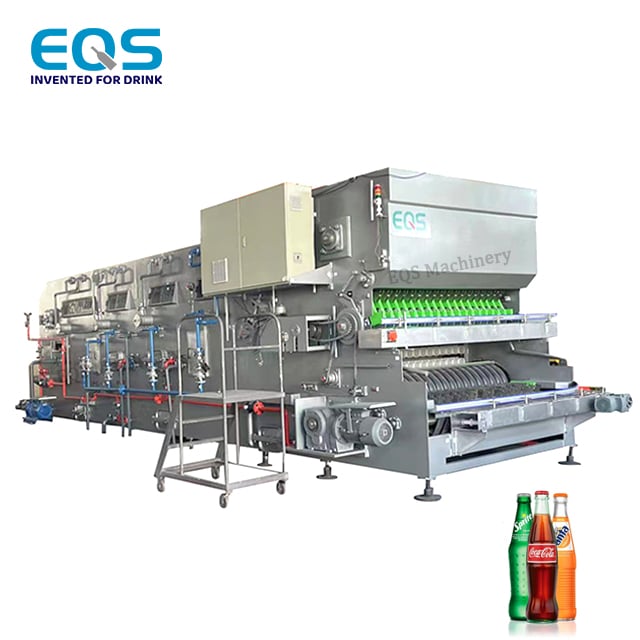
Core Smart Capabilities of Modern Glass Bottle Washing Machines
HMI-Driven Preset Programs for Consistent, Operator-Efficient Operation
Glass bottle washing machines these days come equipped with user-friendly HMI systems that help keep sanitization processes consistent across the board. When operators pick from pre-set programs designed for different bottle shapes, types of residue buildup, or compliance standards, it cuts down on mistakes during setup and ensures every batch gets cleaned properly. The automation behind these settings means new workers need only half the training time compared to old manual methods, allowing a single technician to manage several production lines at once. Even inexperienced staff can't mess up temperature controls, chemical measurements, or timing because everything stays locked in place according to factory specs. This consistency not only saves money on labor but also prevents those costly contamination incidents that happen when procedures get messed around with over time.
IoT-Enabled Remote Monitoring and Predictive Maintenance for Uptime Assurance
Industrial IoT sensors embedded throughout manufacturing systems keep a constant watch on key performance indicators like motor vibrations, water conductivity levels, and nozzle pressure readings. These real time monitoring tools give operators concrete data points about cleaning effectiveness and how resources are actually being consumed, which makes it possible to tweak operations from afar when needed. The system runs predictive models based on past sensor readings to anticipate when parts might start failing, cutting down unexpected equipment shutdowns by around 60 percent according to field tests. Such forward looking maintenance helps facilities stay within FDA and European Commission hygiene standards without constantly stockpiling replacement components. Plus, plant managers no longer have to send workers out for regular visual checks along production lines, saving both time and money in the long run.
Sanitization Technologies in Glass Bottle Washing Machines: Efficacy and Compliance
UV and Ozone Sanitization: Log-Reduction Performance and Regulatory Validation (FDA/EC)
The combination of UV-C light and ozone offers a way to kill microbes without heat or chemicals. When properly set up according to standards like ISO 15883-5 and meeting FDA requirements from 21 CFR Part 117 plus EC Regulation 1935/2004, these systems can reduce harmful organisms by about five to six logs. What makes this approach stand out is how it gets into those tricky shapes of bottles without causing any heat damage. That's why many companies in the pharmaceutical sector and those making premium drinks prefer this method. After treatment, there needs to be a check that leftover ozone stays under 0.1 parts per million. Testing by independent labs with real pathogens is also essential to confirm everything works as intended. Compared to traditional heating techniques, this UV and ozone combo keeps labels intact on containers and doesn't create problems with glass weakening over time.
Steam and Hot Water Sanitization: Validated Time–Temperature Profiles for Glass Bottles
When it comes to killing microbes on glass containers, thermal sanitization still stands out as the best method around. Industry standards typically call for heat treatments like holding at 85 degrees Celsius for 15 minutes or heating to 93 degrees for just 5 minutes. These parameters get put through their paces with tests involving Geobacillus stearothermophilus spores, which act as reliable biological indicators of effectiveness. Contemporary equipment now comes equipped with built-in temperature monitoring systems and data loggers that track every step of the process against those established curves. The result? Automated reports that satisfy all the necessary regulatory checks from FDA, GMP guidelines, and ISO 22000 requirements. This means manufacturers can prove sterility at the batch level without relying on anyone's subjective judgment during inspections.
Adjustable Speed and Parameter Control for Versatile Glass Bottle Washing
Rotation Speed Optimization Across Bottle Shapes and Fill Volumes
Frequency conversion drives let machines adjust their spinning speed on the fly, changing RPM based on things like how big the bottles are, where the weight sits inside them, and how full they get filled. This helps avoid those annoying collisions that happen at top speeds and stops the uneven cleaning issues we see so often. Really matters for stuff like those tricky narrow neck vials versus the wider mouth jars that take longer to clean properly. Operators can set custom speed settings right from the control panel interface these days, which means no more messing around with gears or other mechanical parts every time they switch product types, say from those small 250 mL medicine bottles to larger 1 liter drink containers. Plants that have made the switch typically see around 18 percent fewer broken items and about 22 percent less water going down the drain compared to older fixed speed systems. Makes a big difference especially with lighter weight containers that tend to get damaged easily when filled to capacity.
Integrated Temperature and Pressure Tuning for Soil-Specific Cleaning Cycles
Modern cleaning systems automatically adjust temperature and pressure settings according to preset soil profiles, aligning the cleaning intensity with what kind of residue is actually present. When dealing with proteins like those found in dairy products, the equipment maintains steady heat around 85 degrees Celsius for about ninety seconds. Particulate matter gets blasted with powerful water jets reaching pressures as high as sixty pounds per square inch. Viscous substances require something different altogether, so the system focuses more on letting the cleaner sit rather than blasting everything with intense heat. The result? Glassware stays intact without cracking from sudden temperature changes, yet still meets those strict six log reductions in pathogens that both FDA and European Commission regulations demand. Factory workers who need to switch their lines from producing juices to lotions find themselves saving roughly thirty percent of their time during transitions, plus they get reliable results no matter what product formulation comes through next week.
| Parameter | Sticky Residues (e.g., Honey) | Oily Residues (e.g., Lotions) | Particulate Matter (e.g., Pulp) |
|---|---|---|---|
| Temperature | 70–75°C | 80–85°C | 60–65°C |
| Pressure | 40–45 PSI | 30–35 PSI | 55–60 PSI |
| Cycle Time | 110 seconds | 95 seconds | 75 seconds |
FAQ
What are the core advantages of using HMI-driven programs in glass bottle washing machines?
HMI-driven programs simplify operations, reduce setup errors, and allow consistent cleaning results, minimizing training time and human error.
How does IoT-enabled monitoring enhance glass bottle cleaning processes?
IoT monitoring allows for real-time observation of key performance metrics, facilitating remote management, reducing unexpected breakdowns, and ensuring compliance with hygiene standards.
What makes UV and ozone treatment effective in glass bottle sanitization?
UV and ozone technology offers high log-reduction of microbes without heat, preserving the bottle integrity and preventing label damage.
Why is rotation speed optimization critical in modern glass bottle washers?
Adjusting rotation speed based on bottle types prevents collisions, ensures thorough cleaning, and reduces breakage, saving resources.
Table of Contents
- Core Smart Capabilities of Modern Glass Bottle Washing Machines
- Sanitization Technologies in Glass Bottle Washing Machines: Efficacy and Compliance
- Adjustable Speed and Parameter Control for Versatile Glass Bottle Washing
-
FAQ
- What are the core advantages of using HMI-driven programs in glass bottle washing machines?
- How does IoT-enabled monitoring enhance glass bottle cleaning processes?
- What makes UV and ozone treatment effective in glass bottle sanitization?
- Why is rotation speed optimization critical in modern glass bottle washers?