 EN
EN


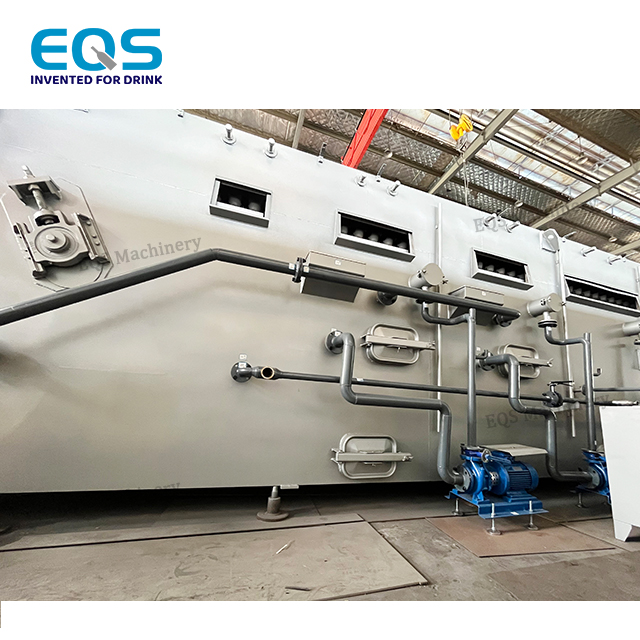
Why Energy-Saving Glass Bottle Washing Machines Are Essential for Modern Beverage Plants
The beverage industry is under growing pressure to slash both costs and their environmental footprint as regulations around sustainability keep getting tougher. Old school bottle cleaning systems eat up way too many resources, sometimes taking more than 40% of a facility's total energy budget, which really strains finances and makes hitting carbon reduction goals harder. Newer glass bottle washing tech addresses all this with built-in efficiency features. These machines work smarter by cutting down heat loss and reusing water better, resulting in about 20 to maybe 30 percent less energy needed and up to half the fresh water consumption compared to older equipment. While the initial price tag is definitely higher, most companies find they get their money back pretty quickly, sometimes as fast as two and a half years according to reports from actual plants. From an environmental standpoint, these machines also check boxes on ESG standards that matter to investors and customers alike. Recent surveys show around 73 percent of people buying drinks care about going green when choosing brands. Facilities that switch to this newer technology not only save money month after month but also look good to eco-conscious consumers and can weather those ever increasing utility bills without breaking stride.
Core Energy-Saving Technologies in Glass Bottle Washing Machines
Modern beverage production demands sustainable solutions. Glass bottle washing machines now integrate three core technologies to slash resource consumption while maintaining hygiene compliance.
Thermal Recovery Systems and Variable-Frequency Drives (VFDs)
Heat exchangers capture up to 80% of residual thermal energy from rinse cycles, cutting steam demand by 20%. Simultaneously, VFDs dynamically adjust motor speeds to match conveyor loads, eliminating constant full-power operation and reducing electricity use by 15–30% during partial-line runs.
Closed-Loop Water Reclamation Reducing Freshwater Use by 60%
Advanced filtration membranes and UV sterilization enable safe water reuse across multiple wash cycles. This closed-loop approach typically decreases freshwater intake by 1,800 liters per hour in standard operations. Multi-stage filtration removes 99.8% of organic residues, ensuring consistent cleaning efficacy without new water inputs.
Smart Load Sensing and Adaptive Cycle Timing
Infrared sensors detect bottle volume and soil levels, triggering customized wash programs. Key optimizations include:
- Cycle shortening for lightly soiled containers (saving 12% energy)
- Pressure modulation based on real-time residue scans
- Idle-mode activation during line stoppages, cutting standby power by 40%
These technologies collectively transform glass bottle washing machines from utility-intensive assets into efficiency anchors on food and beverage production lines.
Seamless Integration and Operational Efficiency on Food and Beverage Lines
Plug-and-Play Compatibility with Fillers, Cappers, and Labelers
Today's glass bottle washers come with modular setups that make connecting them to other machinery much easier. Most modern systems have standard mechanical connections and common communication standards like Ethernet/IP and Profinet, so they can just plug right into fillers, cappers, and labeling machines without all the hassle of custom installations. This cuts down on setup time dramatically, sometimes as much as 70% compared to older models. The conveyor belts work together seamlessly, adjusting their speed based on what the filler is doing at any given moment. This helps keep things moving smoothly without getting stuck or creating empty spots on the production line. When problems start to show up, the whole system shares diagnostic information instantly, which means maintenance teams get warnings before equipment actually breaks down. Take load sensors for instance they'll tell the labeling machine to stop temporarily when there's a backup somewhere else in the process, keeping the entire operation running at around 30 thousand bottles per hour even during busy periods. All these connected features help maintain clean processing conditions while making sure the whole production line runs as efficiently as possible.
ROI, Sustainability, and Regulatory Alignment of Advanced Glass Bottle Washing Machines
2.3-Year Average Payback Period Despite Higher Initial Investment
Modern glass bottle washing machines deliver rapid ROI through operational savings. Facilities achieve a 2.3-year average payback period by reducing water, energy, and labor costs. Automation cuts expenses by $0.09–$0.18 per case, while energy-efficient designs boost profit margins by 3–5 percentage points (Beverage Marketing Corporation, 2023). This efficiency stems from:
- 22% lower energy consumption
- 30% reduced labor requirements
- 18,000 bottles/hour throughput
According to the 2024 Beverage Automation ROI Report, these savings offset higher upfront costs within 14–28 months.
Lifecycle CO₂e Reduction: ’8.2–4.7 kg per 1,000 Bottles Washed
When it comes to sustainability, these new technologies are making a real difference for the environment. Water recycling systems cut down on fresh water consumption by around two thirds, and heat recovery methods significantly lower energy needs too. The overall effect? Emissions drop dramatically from about 8.2 kilograms to just 4.7 kilograms of CO2 equivalent per thousand bottles produced, which means roughly a forty-two percent improvement in carbon footprint. These systems make it much easier for companies to stay within EPA guidelines and hit those international carbon goals. Plus, the automated cleaning processes ensure everything meets FDA and ISO standards for cleanliness, so there's less chance of running into trouble with regulators or facing costly fines for not following rules properly.
Frequently Asked Questions (FAQ)
Why are energy-saving glass bottle washing machines important for beverage plants?
They reduce energy and water consumption, helping beverage plants decrease operational costs and meet environmental standards.
What technologies enable energy savings in these machines?
Core technologies include thermal recovery systems, variable-frequency drives, closed-loop water reclamation, and smart load sensing.
How quickly can facilities expect a return on investment?
Although the initial investment is higher, most facilities experience a payback period of approximately 2.3 years due to operational savings.
How do these machines support sustainability goals?
By significantly reducing water and energy use, they lower CO2 emissions by approximately 42%, aiding in meeting environmental regulations.
Table of Contents
- Why Energy-Saving Glass Bottle Washing Machines Are Essential for Modern Beverage Plants
- Core Energy-Saving Technologies in Glass Bottle Washing Machines
- Seamless Integration and Operational Efficiency on Food and Beverage Lines
- ROI, Sustainability, and Regulatory Alignment of Advanced Glass Bottle Washing Machines
- Frequently Asked Questions (FAQ)