 EN
EN


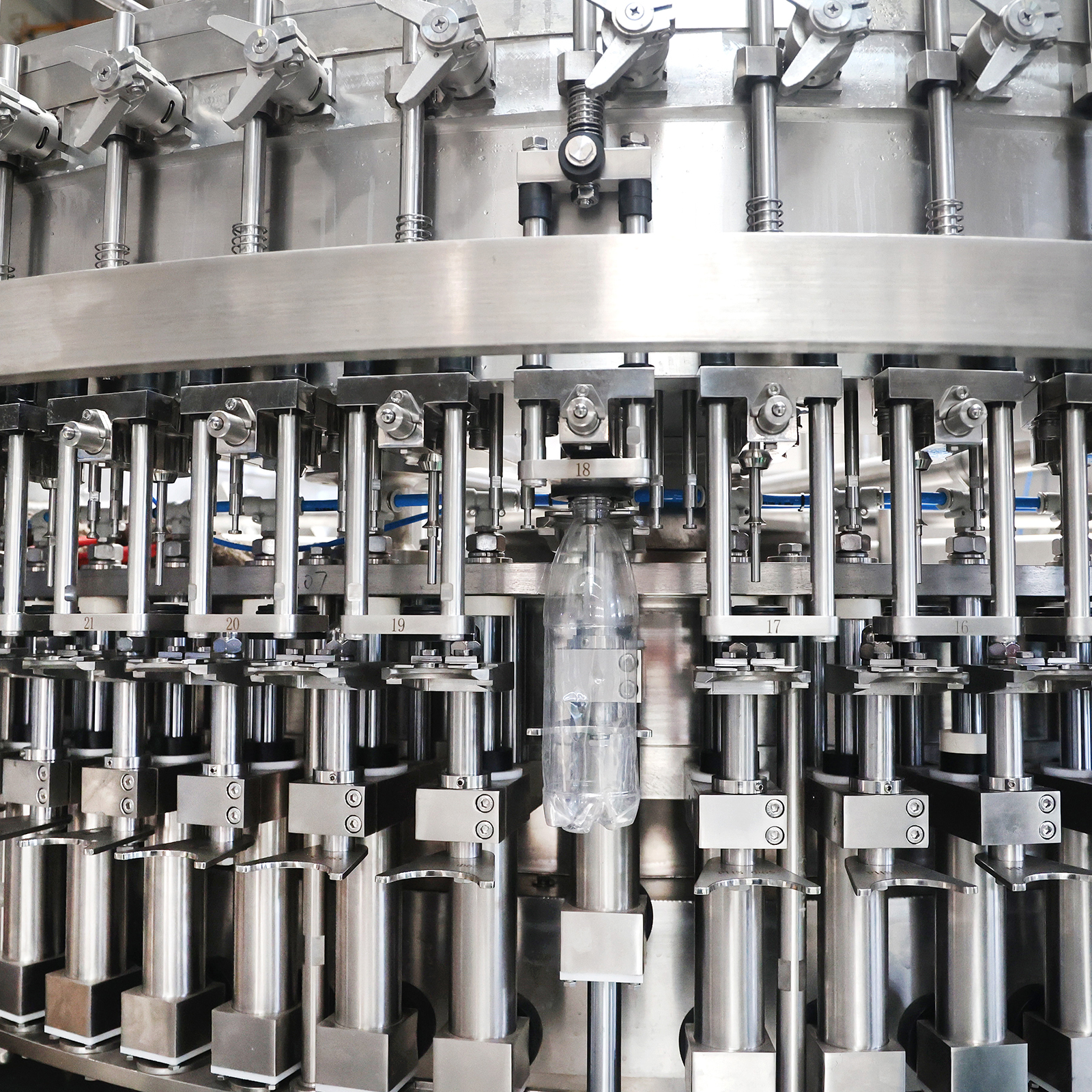
How Blowing-Filling-Capping Integration Eliminates Process Silos
Traditional beverage production operates in fragmented stages, creating bottlenecks, contamination risks, and inefficiencies. Integrated blowing-filling-capping (BFC) systems unify these processes through synchronized engineering and fully enclosed workflows—eliminating transitional delays while preserving sterility from resin to sealed container.
Sincro Bloc Technology and Unified Motion Control for Seamless Synchronization
The Sincro Bloc system brings together blowing, filling, and capping functions under one central programmable logic controller (PLC). This PLC handles all the servo-driven parts as they work in real time. When bottles finish their blow molding process, built-in sensors kick off the filling nozzles right away without needing any conveyor belts to move them between stages. The whole setup runs continuously, which means production cycles can be up to 30% faster compared to traditional systems where machines are spread out along different lines. With everything controlled from a central point, operators can keep an eye on pressure levels, temperatures, and how much each bottle gets filled at every station. This not only keeps the quality of the bottles consistent but also makes motors run more efficiently, cutting down on overall power consumption for the factory floor.
Aseptic, Enclosed Transfer Paths Preventing Contamination Between Stages
BFC systems basically get rid of open air handling by using these sealed transfer tunnels between different parts of the system that stay pressurized with clean HEPA filtered air. What this means is that microbes cant get in during those important moments when products move from one stage to another. Independent tests show these systems cut down on contamination risks by around 99% compared to old school conveyor belts. The whole setup also has automated cleaning protocols that take care of everything that touches the product including those stainless steel channels with special smooth welds that dont trap anything. This kind of closed loop design matters a lot for things like milk drinks, fruit juices, and even some ready to drink meds where keeping everything sterile makes all the difference between good shelf life and not so good. Plus it helps manufacturers meet those strict FDA and EU requirements without breaking a sweat.
Quantifiable Efficiency Gains from Blowing-Filling-Capping Integration
25–40% Smaller Footprint and 30% Lower Energy Use vs. Traditional Line-Integrated Systems
By consolidating three standalone processes into a single vertical platform, integrated BFC systems deliver dramatic resource savings. Floor space requirements shrink by 25–40%, enabling facilities to repurpose valuable production area or scale output within existing footprints. For example:
| System Type | Avg. Space Requirement | Energy Consumption per 1k Units |
|---|---|---|
| Traditional Lines | 1,200 sq. ft. | 18 kWh |
| Integrated BFC | 680 sq. ft. | 12.6 kWh |
Eliminating redundant conveyors, inter-stage heating/cooling losses, and hydraulic power systems contributes to a 30% annual reduction in energy use—verified through third-party plant-level benchmarking across 12 North American and European beverage facilities.
Cycle Time Reduction by Eliminating Inter-Station Conveying and Handling Delays
When we take out those middle steps where bottles get transferred between machines, they can actually move straight through the whole process from when they're first formed as parisons all the way to getting sealed at the end, everything happening within stable environmental conditions. Getting rid of these transfer points means no more waiting around, less chance of things getting misaligned, and definitely fewer people needing to step in manually. The result? Production speeds jump by about 22%. Factories that have implemented this system report keeping up with 14,600 bottles per hour consistently, which is pretty impressive compared to older systems that only managed around 12,000. At the sealing station itself, there's built-in camera inspection that spots any problems with seals right away. This catches issues before they cause bigger headaches later on down the line. Most importantly, this setup maintains around 99.2% uptime during operations, meeting those industry standards for food safety and production reliability set by ISO 22000.
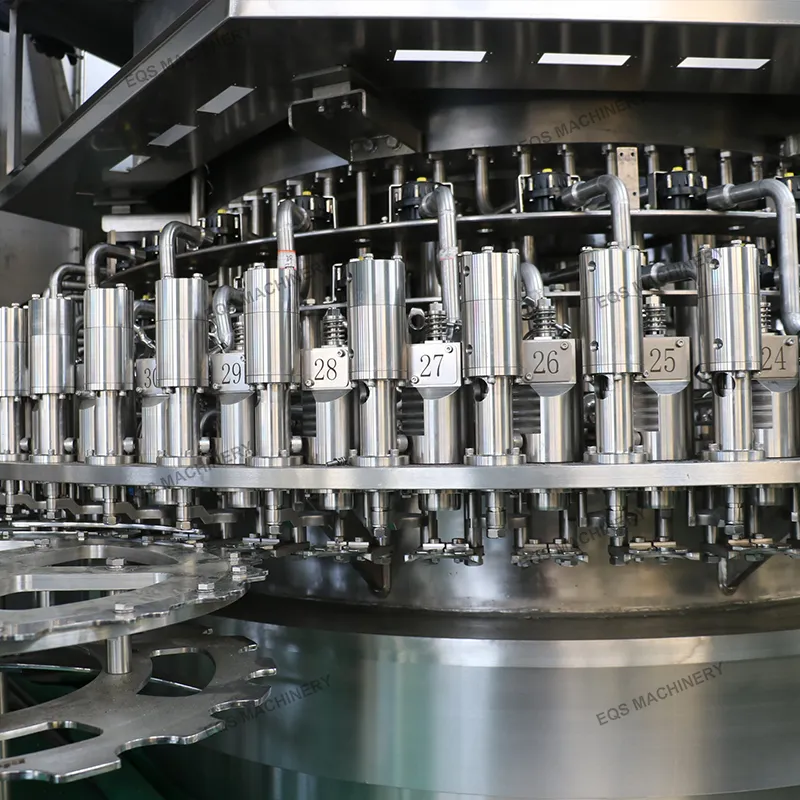
Hygiene, Flexibility, and Future-Proof Scalability in Modern Blowing-Filling-Capping Lines
Modular Architecture Enables Rapid Changeover Across 0.2L–2L PET Formats Without Downtime
Today's integrated BFC platforms come equipped with standard mechanical and electrical connections plus tool-free adjustment features. These allow complete format changes from small 0.2 liter travel bottles right up to large 2 liter family packs within just ten minutes flat. Traditional production lines used to take hours for mechanical adjustments and sanitation checks, but modern systems keep everything clean during transitions thanks to automatic cleaning processes and sterile air purging technology. The system scales easily too. Adding parallel processing modules boosts capacity anywhere between fifty to a hundred percent without needing to replace any main control systems or existing infrastructure. This kind of flexible design works across various products including fizzy drinks, health-focused beverages, and even sterile liquid medications all on the same certified platform. Industry reports show contract packaging companies save about thirty four percent on capital costs over five years when they consolidate their product ranges onto these integrated BFC lines. This matches what was found in the recent 2024 Flexible Production Survey published by PMMI, the Packaging Machinery Manufacturers Institute.
FAQ Section
1. How does the Sincro Bloc system work?
The Sincro Bloc system uses a central programmable logic controller to synchronize the blowing, filling, and capping processes, eliminating the need for conveyor belts and increasing production efficiency by up to 30%.
2. What are the benefits of using a BFC system?
Benefits include a smaller production footprint, reduced energy use, lower contamination risks, increased production speeds, and flexibility in handling different product sizes.
3. How does the BFC system ensure product hygiene?
The system uses aseptic, enclosed transfer paths and automated cleaning protocols to prevent contamination and maintain product sterility throughout the production process.
4. What is Blowing-Filling-Capping (BFC) integration?
BFC integration is a system that unifies the blowing, filling, and capping stages of production into a single, continuous process, reducing inefficiencies and contamination risks.