 EN
EN


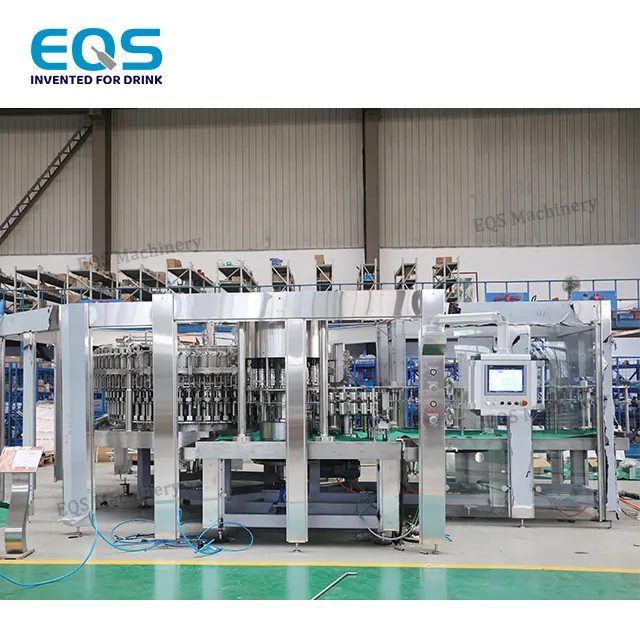
Why Integrated Blowing Filling Capping Machines Maximize Line Efficiency
Eliminating Transfer Losses and Footprint Reduction Through Inline Monoblock Design
Blow fill cap units combine three essential steps - creating the bottle shape, filling it with liquid, and putting on the lid - all within one compact system instead of using separate machines side by side. When manufacturers run these processes individually, bottles get moved from machine to machine across conveyor belts. This movement causes problems like misalignment issues, bottle distortion during transport, and risk of contamination from dust and particles floating around the factory floor. The newer inline system cuts out all this middle step handling completely. Factories report about 70 fewer touchpoints between machines and overall space requirements drop somewhere between 35% to maybe even half what they used to be. These improvements mean companies spend less on building maintenance, waste less product during production runs, and can scale operations much faster when demand increases. Since everything works together at the same time, changing formats happens smoothly without needing to stop and adjust settings or wait for systems to catch up, which stops potential slowdowns right at the start.
35–45% Faster Cycle Times vs. Standalone Systems: Data-Backed Productivity Gains
The numbers don't lie when it comes to integrated blowing filling capping systems. These setups typically cut cycle times by around 35 to 45 percent compared to traditional line setups. What makes them so fast? The secret lies in how well the servo electric controls work together across all three main stations - blowing, filling, and sealing. There's practically no delay between each step of the process. Regular standalone machines actually waste about 23% of their operating time just moving products between different machines. That kind of downtime simply doesn't happen with monoblock designs. A recent study from Packaging Efficiency Review (2023) found that plants switching to integrated systems saw their monthly output jump by roughly 1.2 million extra units, all without needing more workers or power than before. And there's more good news too. With quick changeovers, smooth running operation that rarely jams, and solid handling of containers throughout, these systems can keep going at over 24,000 bottles per hour while still keeping PET materials intact, even when working with lighter weight bottles under 18 grams.
Precision Engineering Behind High-Speed Blowing Filling Capping Performance
Servo-Electric Synchronization and Neck-Handling Technology for PET Bottle Integrity
Modern integrated systems achieve ±0.5mm positional accuracy between bottle shaping and filling through servo-electric synchronization—reducing cycle intervals by 75% compared to semi-automated lines (Packaging Automation Review, 2023). Real-time infrared tracking ensures precise neck positioning as containers move from blow zone to sterile filling area, minimizing contamination risk during transition.
Critical neck-handling features include:
- Radial grippers with force-limiting sensors to prevent PET deformation during high-speed handling
- Torque-controlled capping heads calibrated for consistent hermetic seals at speeds exceeding 400 bottles/minute
- Vibration-dampening platforms that stabilize containers throughout conveyance and sealing
These engineering controls reduce container rejection rates by 40% and support carbonated beverage production at 1,200–1,500 units/hour without compromising package quality or seal reliability.
Hygienic Assurance in Blowing Filling Capping Operations
ISO Class 5 cleanroom compliance via overpressure + HEPA filtration in blow zones
Blowing filling capping machines that integrate proper containment solutions can achieve ISO Class 5 cleanroom standards in the blow molding area by combining controlled overpressure with HEPA filters. The two part system acts as a barrier against outside contaminants getting into where containers are actually formed. Most modern setups filter out over 99.99% of particles larger than 0.3 microns, keeping airborne particles under 3,520 per cubic meter at 0.5 microns or bigger which matches the strict requirements for ISO Class 5 environments. Air flows consistently outward from these sensitive areas throughout production until the containers are properly sealed and ready for filling. Major players in the beverage industry regularly check these systems using continuous monitoring tools built right into their quality control processes to ensure everything stays within spec.
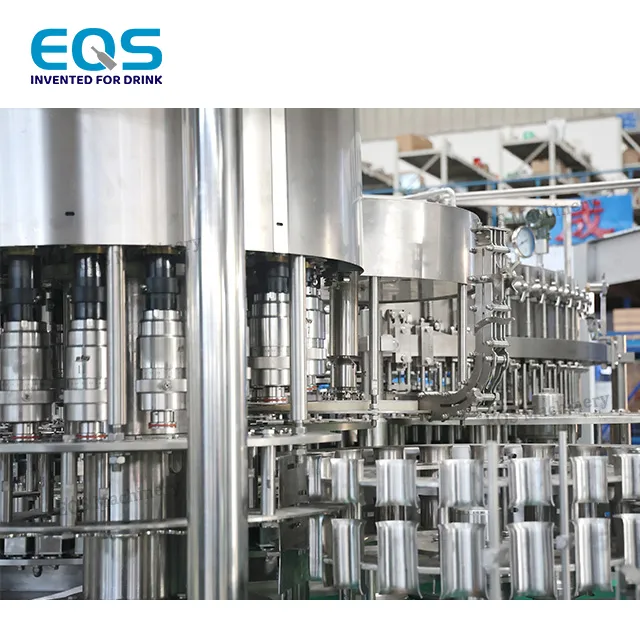
CIP/COP validation reducing microbial risk by 92% in carbonated beverage lines
Clean-in-Place (CIP) and Clean-out-of-Place (COP) protocols that have been properly validated cut down on microbial contamination risks by around 92% in making carbonated drinks compared with old fashioned manual cleaning approaches. These automated cleaning processes mix hot water washing stages with approved food chemicals to get into areas people just can't reach with their hands. Think about those tiny spaces inside nozzles, tricky valve systems, and complex capping equipment where bacteria love to hide. The system is programmed to run through these cleaning steps automatically after each production batch. There's also this clever closed loop system that keeps injecting disinfectants at regular intervals so the strength stays consistent across all parts of the cleaning process. According to recent research published in the Journal of Food Engineering back in 2023, these kinds of systems actually knock out about 99.7% of microbes when everything goes according to plan. That matters a lot because it stops unwanted yeast or mold from getting introduced when switching between different drink formats, something particularly important for delicate sparkling beverages that are so sensitive to contamination.
Operational Flexibility Across Beverages and Packaging Formats
Blow fill cap machines have become really versatile for different types of beverages these days. They work great for carbonated soft drinks, fruit juices, energy drinks, and even plant-based milk alternatives. Packaging options include standard PET bottles, traditional glass containers, aluminum cans, and flexible pouches too. Most models handle container sizes from around 200 milliliters all the way up to 2 liters. What makes them stand out is their modular design that allows complete format changes within just half an hour. The machines use servo motors for adjustments and come with tooling that releases quickly, so there's no need for manual setup when switching between products. Production lines can keep running at impressive speeds of about 24 thousand bottles per hour no matter what kind of container they're filling. This kind of flexibility helps manufacturers respond to changing seasons, launch special edition products, and meet new environmental targets like using lighter weight plastics or incorporating recycled materials. And best of all, companies don't need extra factory space for these operations. When compared against separate filling and capping units, integrated systems typically reduce waste during changeovers by roughly forty percent while making better use of equipment investments in facilities that run multiple product lines simultaneously.
FAQ
How do integrated systems improve cycle times?
These systems improve cycle times by utilizing servo-electric controls that synchronize the blowing, filling, and capping processes, thereby reducing downtime typically seen in standalone setups.
What benefits come from using integrated systems?
Benefits include up to a 45% reduction in cycle times, decreased operational footprints, enhanced hygienic assurance, and increased operational flexibility across various beverage and packaging formats.
Can integrated systems handle different types of containers?
Yes, integrated systems are versatile and can handle various container types, including PET bottles, glass containers, aluminum cans, and flexible pouches, while accommodating different beverage types.
What are integrated blowing filling capping machines?
Integrated blowing filling capping machines combine the processes of bottle blowing, filling, and sealing into one compact system, eliminating the need for separate machines and reducing transfer losses.