 EN
EN


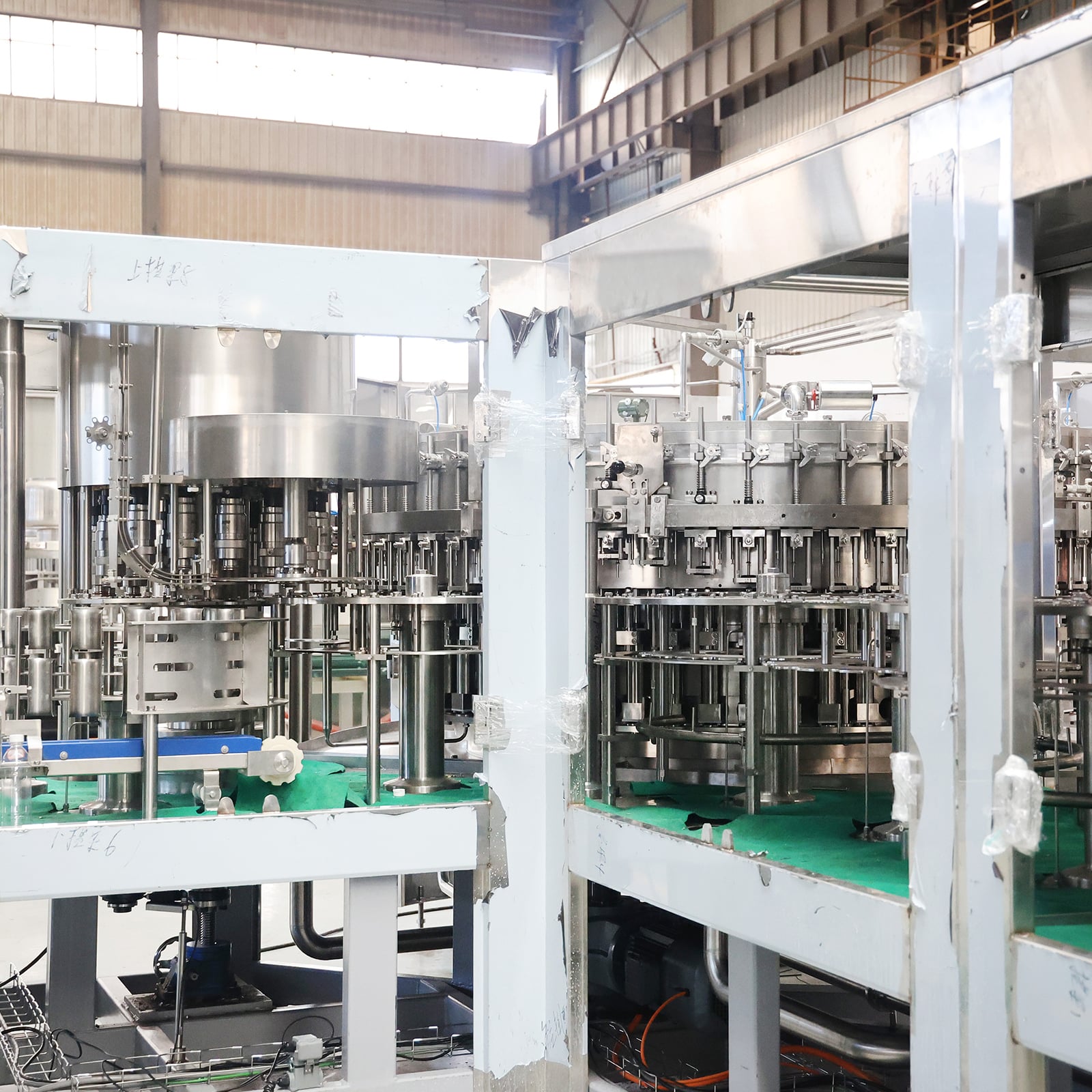
What Is a Blowing Filling Capping Machine? Core Functionality and Integrated Workflow
Blow fill cap machines bring together three main steps of packaging all at once: making the containers, filling them with product, and putting on the seals. Traditional setups often involve separate stations where workers have to move things manually from one place to another, which creates delays and mistakes along the way. These integrated systems work differently though. They combine the actual blowing process for plastic containers, accurate volume measurements when filling, and controlled tightening of caps everything happens right there on the same equipment. The result? Better protection against contamination since materials don't get handled as much during transit between machines. Plus factories report saving around half their labor expenses compared to older methods, sometimes even more than that depending on how they're set up.
Single-Platform Synchronization of Blow Molding, Filling, and Capping
All the steps happen one after another inside this compact system. PET preforms get blown into actual bottles when heated past 180 degrees Celsius. Right after shaping, these containers get filled with stuff like drinks or industrial liquids through those fancy servo controlled nozzles we see today. Then they slap on the lids automatically too. No need for any humans to touch things along the way. What's really impressive is how much faster everything goes compared to older methods where different machines handled each step separately. Some tests show transition times drop around 90 percent with this setup. Plus there's built in sterilization happening throughout the whole process so nothing gets contaminated. Products stay protected from air and bacteria because they don't have to move between separate machines as they would in half automated factories.
Key Design Advantages Over Standalone or Semi-Automated Systems
| Attribute | Standalone Systems | Blowing Filling Capping Unit |
|---|---|---|
| Space Requirement | 25–40 m² | 8–12 m² |
| Changeover Time | 45–90 minutes | ≈15 minutes |
| Defect Rate | 3–5% | <0.8% |
When different parts of a manufacturing system work together seamlessly instead of operating separately, it cuts down on those frustrating coordination delays we all know too well. Plus, there's less mechanical stuff going on overall. Fewer conveyors running around the place means fewer sensors to maintain. Maintenance bills can actually go down by about 30 to 40 percent when this happens. And guess what? The filling accuracy gets really good too, within plus or minus 0.3%. That matters a lot for quality control. These smart programmable controllers automatically tweak things like how tight the caps get sealed during production runs. They prevent problems where bottles are either too loose (leading to leaks) or way too tight (which breaks caps). Manual operations suffer from these issues about 71% of the time according to industry reports. Speaking of waste reduction, real time rejection systems spot bad containers right away before they even get filled. This saves tons of raw materials that would otherwise end up in the trash bin.
Blowing Filling Capping Productivity Gains: Speed, Consistency, and Uptime
Integrated blowing filling capping systems transform production efficiency through synchronized operations. By eliminating manual transfers between standalone machines, these solutions maximize throughput while minimizing floor space requirements.
Throughput Scaling: From 8,000 to 36,000 Bottles/Hour with Minimal Footprint
Today's blowing filling capping machines can produce around 36,000 bottles per hour which is roughly 350% faster than older semi-automated versions that typically managed about 8,000 bottles an hour. What makes this even more impressive is how these high speeds fit into smaller spaces. Manufacturers have designed these systems so they take up about 35% less floor area compared to when companies used separate machines for each step. One clever design feature involves stacking the blow molding towers right above the filling carousel. This setup keeps everything moving continuously without needing those extra storage areas in between steps. The machines also rely on servo motors that keep things running precisely on time. Plus there are smart control systems that automatically adapt to different bottle sizes and shapes, making it much quicker to switch from one product line to another during production shifts.
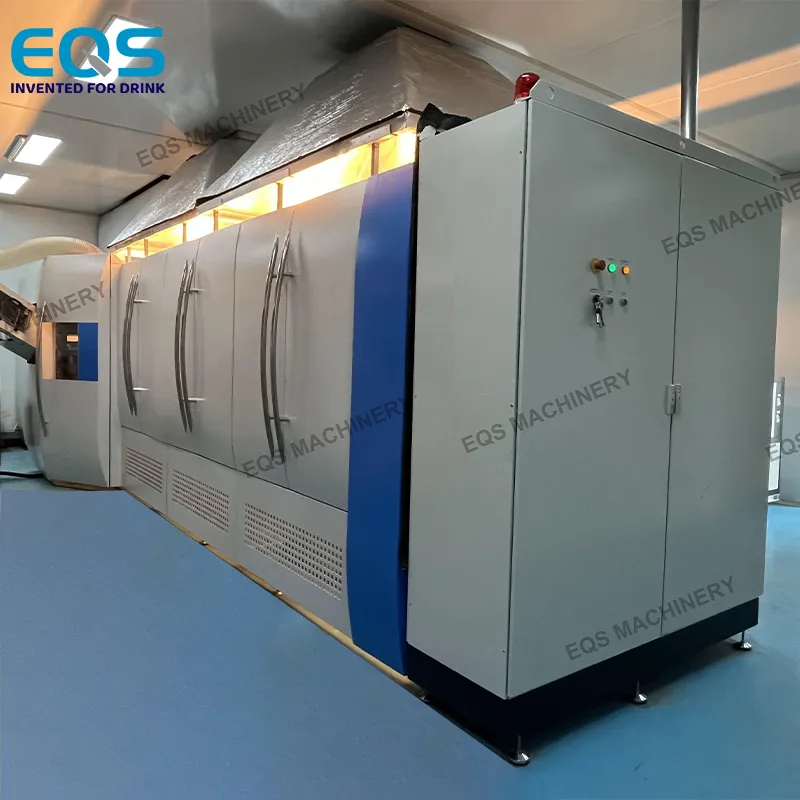
Industry 4.0 Integration: Real-Time Monitoring, Auto-Adjustments, and Predictive Maintenance
IoT-enabled blowing filling capping systems leverage real-time sensors to track fill volumes (±0.5% variance), cap torque, and thermal conditions. Machine learning algorithms analyze this data to:
- Automatically calibrate filling nozzles based on viscosity changes
- Adjust capping pressure to prevent leakage or container damage
- Predict bearing/motor failures 72+ hours before malfunction
This predictive capability sustains 99.2% operational uptime—a 10% improvement over conventional systems—while reducing energy consumption by 40% per thousand units. Centralized dashboards provide actionable insights, enabling remote optimization of entire production lines.
Blowing Filling Capping Waste Reduction: Precision Filling and Torque-Controlled Capping
Integrated blowing filling capping systems drastically reduce material waste through precision engineering. By consolidating three critical packaging stages into one automated workflow, these machines eliminate transfer errors and contamination risks inherent in standalone equipment.
±0.3% Filling Accuracy Eliminates Overfill and Underfill Waste
The latest generation of volumetric piston fillers and flow meters delivers impressive accuracy rates around ±0.3%, even when dealing with all sorts of different viscosities. Getting such precise measurements really pays off because it stops companies from giving away expensive product through overfilling and also cuts down on rejected containers that are underfilled. Take pharmaceutical manufacturing for instance where these small tolerances can actually save hundreds of thousands each year in wasted materials. Modern systems now incorporate weight based feedback mechanisms that automatically adjust fill levels whenever there's a change in container weight. This means consistent output remains possible even when things get a bit unpredictable on the production floor.
Smart Capping Algorithms Prevent Leakage, Rework, and End-of-Line Rejection
Torque-controlled servo cappers apply exact closure forces tailored to each cap-container combination. Real-time sensors detect:
- Under-torque risks (causing leaks)
- Over-torque deformation
- Cross-threading defects
Automated rejection gates remove faulty units before labeling, reducing rework labor by 70% compared to manual inspection. This closed-loop control prevents post-shipment recalls due to seal failures.
Total Cost of Ownership Benefits: Labor Savings, ROI, and Sustainability Impact
Putting in place a blowing filling capping machine brings real improvements to total cost of ownership (TCO) across several dimensions including labor savings, faster return on investment, and better sustainability outcomes. When manufacturers combine three separate production steps into a single synchronized system, they typically cut down on staff requirements by around 60% when compared to what's needed for semi-automated setups. Plus, there are fewer mistakes made during manual handling and no need for constant employee retraining either. The machines offer pretty impressive precision too, with filling accuracy at plus or minus 0.3%, and controlled torque for capping that cuts down on wasted products and costly rework. Most factories see their money back within just 18 to 24 months after installation. From an environmental standpoint, these systems consume 15 to 25% less energy than running multiple standalone pieces of equipment would require. They also generate far less plastic waste because there aren't as many rejected bottles ending up in landfills, which means companies can meet both their operational goals and green initiatives simultaneously without compromising either side.
FAQ Section
What are the key benefits of using a blowing filling capping machine?
Blowing filling capping machines integrate three major packaging steps into one streamlined workflow, offering benefits like reduced labor costs, faster production speeds, improved protection against contamination, enhanced accuracy in filling, and significant energy savings.
How does a blowing filling capping machine improve production efficiency?
These machines increase efficiency by synchronizing operations, minimizing manual transfers, reducing floor space requirements, and optimizing throughput. They also incorporate technology for real-time monitoring and auto-adjustments to maintain consistent production quality.
What is the accuracy of the filling process in blowing filling capping machines?
The filling process in these machines is extremely accurate, with a precision rate of around ±0.3%, which helps eliminate overfill and underfill waste.
How do blowing filling capping machines contribute to sustainability?
By consuming less energy and reducing waste, blowing filling capping machines contribute to sustainability. They minimize the number of rejected bottles, and their streamlined design supports green initiatives without compromising operational goals.
Table of Contents
- What Is a Blowing Filling Capping Machine? Core Functionality and Integrated Workflow
- Blowing Filling Capping Productivity Gains: Speed, Consistency, and Uptime
- Blowing Filling Capping Waste Reduction: Precision Filling and Torque-Controlled Capping
- Total Cost of Ownership Benefits: Labor Savings, ROI, and Sustainability Impact
- FAQ Section