 EN
EN


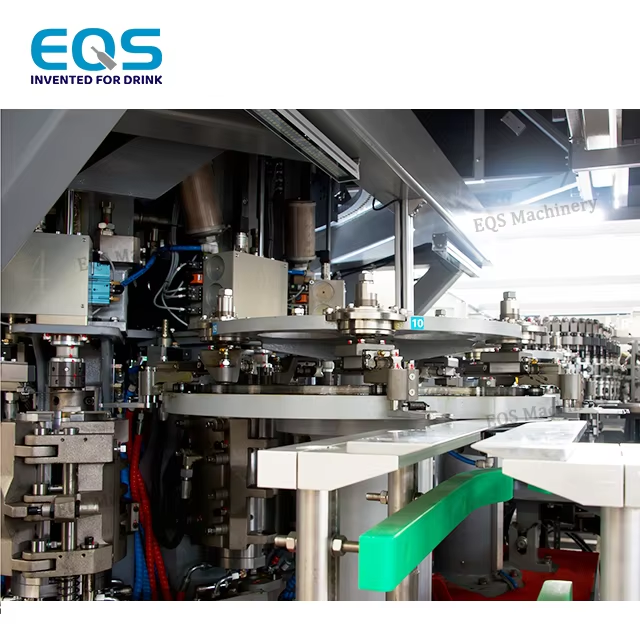
How Integrated Blowing Filling Capping Machines Cut Energy Use by Design
Shared Drive Architecture and Synchronized Motion Control
Blow fill cap (BFC) systems cut down on wasted energy because they combine everything into one machine instead of having separate units. Traditional setups need individual motors, drives, and controls for each function, but BFC machines work differently. They share a single efficient motor that handles blowing, filling, and capping at the same time. The system uses smart motion control software to synchronize all the moving parts across these functions. This coordination means less downtime between operations, which saves about 17% on idle cycles and reduces peak power needs by around 31%. When bottles move from one machine to another in traditional lines, there are big energy spikes. BFC systems avoid this problem completely. For mid sized manufacturing facilities, this can translate to roughly $420,000 saved on electricity bills every year according to recent industry data from 2023.
Case Study: Sidel Matrix™ BFC Line Achieves 23% Lower Total Energy vs. Standalone Units
One major beverage company saw its overall energy usage drop by 23% after they installed an integrated BFC line, according to figures from their 2024 Sustainable Packaging Report. The system actually recaptured around 15% of the energy used during blow molding and put it back into the filling pumps. At the same time, real time temperature checks kept the preforms heated just right for whatever production speed was needed, which cut down on wasted compressed air by nearly 28% and reduced cooling demands by about 19%. When looking at all these energy efficiencies plus lower maintenance costs, the investment paid itself back within just 14 months.
Key Energy-Saving Technologies in the Blowing Filling Capping Process
Variable Frequency Drives (VFDs) and Regenerative Braking in Blow Stations
VFDs change motor speeds in blow molding stations based on what the production line actually needs at any given moment. This means no more running motors full blast when output is low, which wastes a lot of energy. Some facilities report cutting energy costs by around 40% just in the air compression part of the process alone. When machines slow down, regenerative braking systems kick in to capture that leftover motion energy and turn it back into usable power instead of letting it all escape as heat. The combination works wonders for keeping voltage stable throughout operations while also bringing down those big power surges that happen when forming bottles. For manufacturers running multiple shifts, these improvements translate to real money saved month after month without sacrificing productivity.
LED + Infrared Preform Heating Optimization Reduces Thermal Energy by 31%
The latest preform heating technology brings together LED lights and infrared elements to hit PET material right where it needs the most heat. These LED units emit specific wavelengths that PET actually soaks up pretty well, whereas the infrared parts work hard to spread warmth evenly all over the preform surface. Smart sensors constantly tweak how much heat each part gives off depending on how thick the preform is and what's going on around it in the environment. This means no wasted energy heating up stuff we don't want to touch, and heating happens much quicker too. When companies switch from those old fashioned oven systems to this new approach, they typically cut down their thermal energy usage somewhere around 31%. That kind of saving adds up fast when looking at energy costs for every single bottle produced.
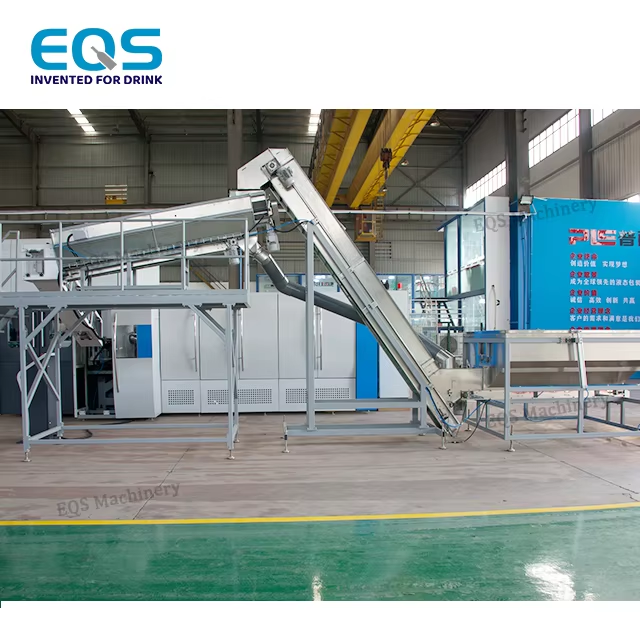
Optimizing the Blowing Stage Within the Blowing Filling Capping Workflow
Eliminating Compressed Air Waste via Two-Stage Low-Pressure Blowing
Today's blow molding systems use a two step process that cuts down on how much compressed air gets used overall. Stage one runs at around 12 to 15 bars of pressure and basically stretches those plastic preforms into rough shapes before moving onto the second phase. Then comes the real work at pressures between 25 and 40 bars where the actual forming happens. By splitting these expansion steps apart, manufacturers can cut their peak air requirements by about 37% compared to older single stage methods. Plus this approach puts less heat stress on the PET material itself. What does that mean practically? Bottles can be made thinner and lighter while still keeping all their structural strength intact.
Air Recovery Loops and Real-Time Pressure Regulation
Air recovery systems in closed loop configurations work by capturing the exhaust air when molds open and bottles get ejected. The system then filters this air and brings it back up to pressure so it can be used again during the pre-blow stage of production. This approach cuts down on how much outside air needs to be brought in, sometimes by as much as 40 percent depending on conditions. Pressure sensors inside the cavities keep an eye on both inflation and cooling phases throughout the process. These sensors adjust valve settings automatically to stay within about 0.2 bar of target pressure. Such tight control helps avoid situations where too much pressure builds up, but still makes sure materials spread properly across the mold surface without wasting extra energy in the process.
ROI, Sustainability, and Operational Impact of Modern Blowing Filling Capping Lines
Integrated BFC lines are making waves in the industry thanks to their impressive return on investment. Energy savings typically range between 20% to 30% compared to traditional standalone setups according to industry standards. What does this mean practically? Lower running costs for sure, but also significant reductions in carbon footprint around 35 metric tons saved each year per production line. Plus maintenance downtime drops by roughly 40%, which means machines stay productive longer. The continuous flow of materials through these systems actually increases overall output capacity, so companies often see their initial investment paid back within just two years. Looking at it from another angle, businesses adopting these integrated solutions aren't just cutting costs. They're building stronger sustainability profiles that meet what regulators require while appealing to customers who care about green practices. This gives them two advantages at once cheaper products and proven environmental responsibility.
Frequently Asked Questions
What are Blow Fill Cap systems?
Blow Fill Cap systems, or BFC systems, integrate the processes of blowing, filling, and capping bottles into one streamlined operation. This design saves energy and reduces peak power requirements.
How much energy savings are achieved with integrated BFC lines?
Integrated BFC lines typically offer energy savings ranging from 20% to 30% compared to traditional standalone setups.
How does the two-stage low-pressure blowing process work?
The two-stage low-pressure blowing process involves an initial stage at lower pressure to shape preforms, followed by a higher-pressure stage for final forming. This method significantly reduces compressed air and energy usage.
What ROI benefits do BFC systems provide?
BFC systems offer impressive ROI through reduced energy and maintenance costs, increased output capacity, and improved sustainability, with a typical payback period of around two years.
What technologies contribute to energy savings in blowing filling capping systems?
Key technologies include Variable Frequency Drives (VFDs), regenerative braking, LED and infrared preform heating, two-stage low-pressure blowing, and air recovery loops.
Table of Contents
- How Integrated Blowing Filling Capping Machines Cut Energy Use by Design
- Key Energy-Saving Technologies in the Blowing Filling Capping Process
- Optimizing the Blowing Stage Within the Blowing Filling Capping Workflow
- ROI, Sustainability, and Operational Impact of Modern Blowing Filling Capping Lines
- Frequently Asked Questions