 EN
EN


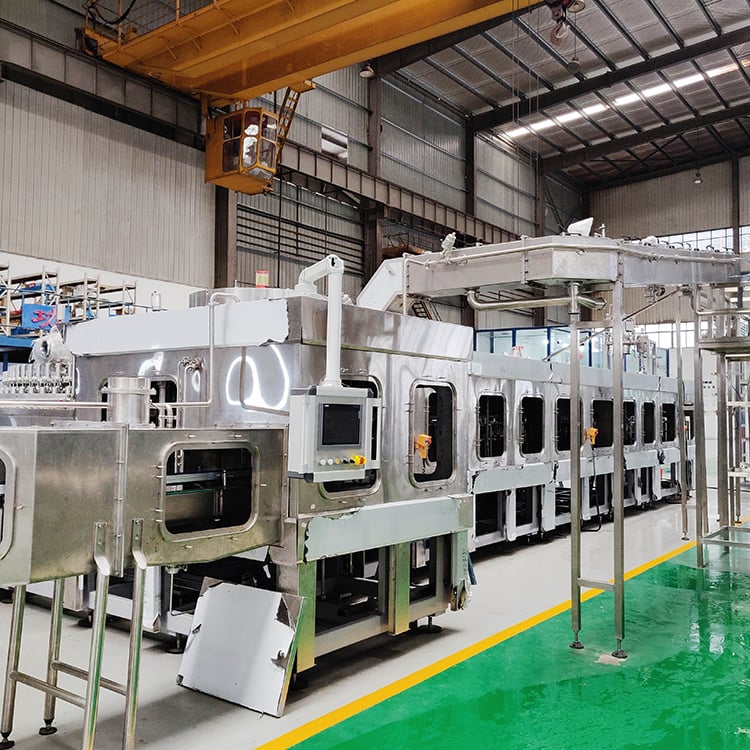
What Makes an Ultra Clean Filling Machine Different?
Core engineering principles: ISO Class 5 equivalence, laminar airflow, and isolator-integrated design
An ultra clean filling machine bridges conventional hot filling and full aseptic processing—delivering extended shelf life without preservatives, while preserving flavor, nutrients, and product integrity at lower temperatures. Its defining feature is a controlled environment equivalent to ISO Class 5 (Class 100) cleanliness, achieved through three interlocking engineering principles: laminar airflow, isolator-integrated architecture, and hygienic fluid-path design.
Laminar airflow systems direct HEPA-filtered, sterile air downward across the filling zone in a unidirectional curtain—effectively sweeping airborne particles away from critical surfaces. An isolator-integrated design physically seals the entire filling chamber from ambient production areas, with glove ports enabling operator access without compromising sterility. Bottles and closures are sterilized in situ using hydrogen peroxide vapor or UV radiation—eliminating chemical residues and ensuring compatibility with sensitive formulations. Filling valves and piping are engineered with minimal dead zones, smooth internal finishes, and CIP/SIP compatibility to prevent microbial harborage. Together, these features reduce energy use versus hot filling, support preservative-free claims, and uphold stringent food- and pharma-grade standards—all at high throughput.
How real-time contamination monitoring enables proactive quality control without slowing throughput
Sustaining ISO Class 5 equivalence at speed demands more than passive environmental control—it requires continuous, intelligent oversight. Ultra clean filling machines embed inline particle counters, differential pressure sensors, and rapid microbial detection systems at strategic points: pre-fill, during fill, and post-seal. These sensors feed data into the machine’s control system in real time. If a parameter breaches its validated limit—such as a transient pressure drop or elevated particle count—the system responds autonomously: adjusting airflow velocity, pausing fill cycles for localized decontamination, or flagging a station for manual verification. Unlike end-of-line testing, this closed-loop monitoring prevents compromised batches before they’re completed, eliminating rework and waste. Logged data supports trend analysis, root-cause investigation, and predictive maintenance—ensuring that safety and speed reinforce, rather than compete with, each other.
Ensuring Product Safety Through Validated Aseptic Filling Processes
An ultra clean filling machine relies on a rigorously validated aseptic process—not just hardware—to guarantee sterility. Without validation, even the most advanced engineering cannot ensure consistent product safety.
FDA/EMA-Compliant Aseptic Validation: From Media Fills to Environmental Monitoring Protocols
Validation begins with media fills: sterile growth medium replaces product in simulated production runs under worst-case conditions—including maximum run duration, personnel activity, and container complexity. Regulatory acceptance requires multiple consecutive successful runs with zero microbial growth. This is complemented by ongoing environmental monitoring aligned with FDA and EMA guidance: viable and non-viable particle counts, surface sampling of isolator interiors and glove ports, and personnel gowning assessments—all documented and trended. Critically, validation confirms that the entire integrated system—airflow, sterilization, isolator integrity, and operator interaction—functions as a unified, robust barrier against contamination.
FSMA-Aligned Traceability: Integrating Fill Data, Batch Logs, and Preventive Controls Into One System
Traceability transforms validation from a point-in-time exercise into a living quality system. Modern ultra clean fillers capture granular data for every container: fill weight, seal integrity metrics, timestamp, environmental readings (pressure, particles), and valve actuation history. This data is automatically synchronized with batch production records and preventive control logs—creating a single, auditable chain of evidence. Such integration fulfills FSMA’s requirement for proactive risk mitigation: deviations can be traced to root causes within minutes, corrective actions initiated before cross-contamination occurs, and audit responses generated on demand. It turns compliance from a documentation burden into an operational advantage.
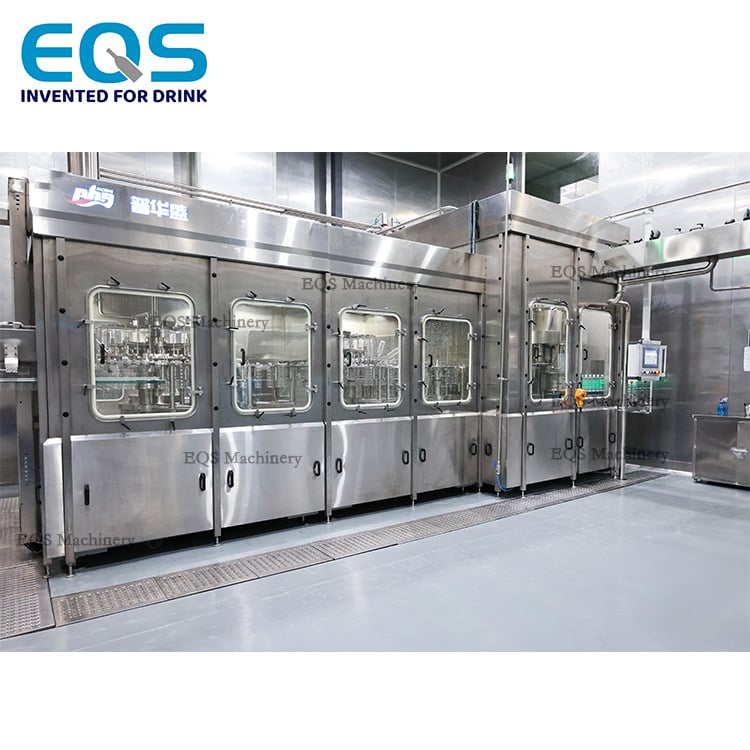
High-Speed Performance Without Quality Trade-Offs
Speed and sterility are not opposing forces—they are co-dependent outcomes of purpose-built engineering. Ultra clean filling machines routinely operate above 400 containers per minute while maintaining ISO Class 5 equivalence, because their architecture eliminates traditional bottlenecks. Parallel processing—filling, checkweighing, capping, and leak testing—occurs entirely within the sealed isolator, removing transfer-related contamination risks and mechanical delays. Automated rejection systems instantly divert containers failing fill-weight or seal-integrity thresholds, ensuring only conforming units proceed. Real-time environmental monitoring allows operators to fine-tune parameters during production—adjusting airflow or sterilization cycles without line stoppages. This responsiveness reduces unplanned downtime and rework, which industry studies identify as the largest throughput drag in conventional aseptic lines. Ultimately, quality isn’t sacrificed for speed; it’s engineered into every motion, sensor input, and control decision—enabling pharmaceutical-grade assurance in high-volume beverage, dairy, and bioprocess applications.
Frequently Asked Questions
What is ISO Class 5 equivalence?
ISO Class 5 equivalence refers to a cleanliness standard where the environment has a maximum allowable limit of 3,520 particles per cubic meter that are 0.5 micrometers or larger. This standard is crucial for maintaining sterility during filling processes.
How does laminar airflow work in an ultra clean filling machine?
Laminar airflow directs sterile air in a unidirectional curtain, sweeping away airborne particles from essential surfaces in the filling zone. This helps maintain a sterile environment by keeping contaminants out of critical areas.
What is the role of an isolator-integrated design?
An isolator-integrated design seals off the filling chamber from external contamination, allowing operators to access it without compromising sterility through glove ports. This ensures the filling area remains uncontaminated.
Why is real-time contamination monitoring important?
Real-time contamination monitoring allows immediate detection of any deviation in the cleanliness levels. This proactive approach ensures compromised batches are flagged before completion, reducing waste and maintaining high-quality standards.
How does traceability help in quality assurance?
Traceability captures and synchronizes detailed data for each container, allowing for quick identification of deviations and initiating corrective measures. This integrated system turns compliance into an operational advantage by streamlining audit responses and preventive controls.