 EN
EN


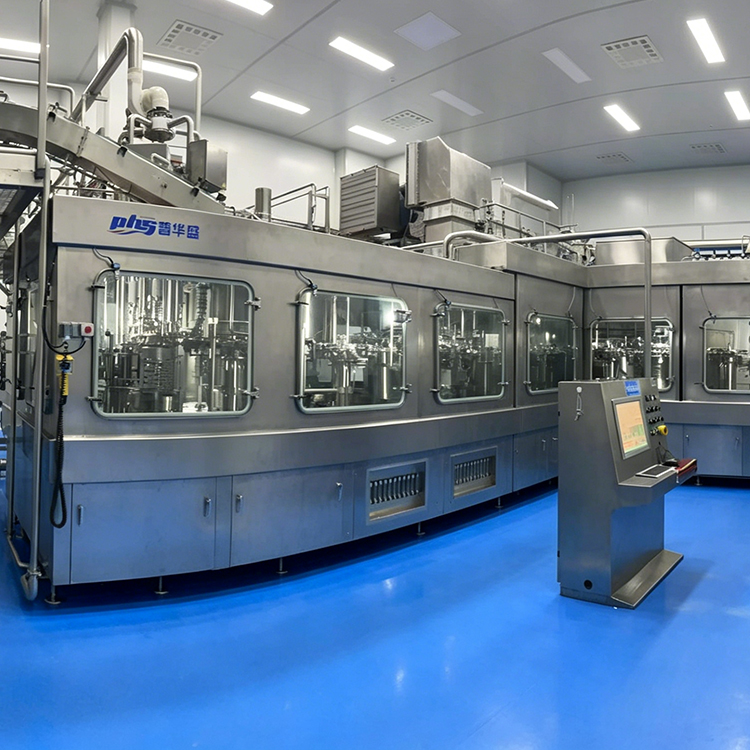
How Energy-Saving Aseptic Filling Machines Achieve Sustainable High-Speed Operation
Modern aseptic filling machines integrate heat regeneration systems that capture thermal energy during cooling phases and reuse it to preheat incoming products—reducing steam consumption by up to 40% (Food Engineering 2023). High-efficiency heat exchangers optimize thermal transfer while maintaining the precise temperature control essential for sterilization.
Heat regeneration and high-efficiency heat exchangers in modern aseptic filling machines
Advanced plate heat exchangers enable rapid, low-loss thermal recovery by transferring heat between outgoing sterile product and incoming cold product streams. This dual-purpose design cuts energy demand for both heating and cooling cycles. Optimized heat transfer surfaces support laminar flow—preserving product integrity—while achieving up to 92% thermal efficiency in validated installations.
Green Aseptic™ non-thermal sterilization: reducing steam demand and CO₂ footprint
Green Aseptic™ technology replaces steam-intensive sterilization with a synergistic combination of hydrogen peroxide (H₂O₂) vapor and UV-C light. By eliminating boiler-dependent steam generation, it reduces steam demand by approximately 65% and removes associated carbon emissions entirely—without compromising sterility assurance levels (SAL) of 10⁻⁶ required for aseptic processing.
High-Speed Filling Performance of Modern Aseptic Filling Machines
Throughput benchmarks: up to 72,000 bottles per hour with consistent aseptic integrity
Advanced aseptic fillers achieve throughput rates exceeding 72,000 bottles per hour while sustaining ISO Class 5 air quality and microbial barrier integrity throughout operation. This represents a 300% improvement over conventional systems (Packaging Digest 2023), made possible by rotary indexing mechanisms, real-time flow balancing, and adaptive servo-controlled nozzles—all calibrated to preserve sterility at scale.
Uptime optimization: predictive maintenance and hygienic design for minimal downtime
Reliability at high speed is sustained through two integrated strategies:
- Predictive maintenance, powered by IoT sensors that track sterilization cycle consistency, seal performance, and mechanical wear—cutting unplanned stops by up to 45% (Food Manufacturing Journal 2024);
- Hygienic design, featuring crevice-free stainless-steel surfaces, full CIP/SIP compatibility, and tool-less changeover components—reducing line clearance time by 60% without breaching aseptic conditions.
Together, these approaches support sustained operational efficiency above 95%, a critical threshold for capital-intensive continuous production where hourly downtime costs exceed $740k (Ponemon 2023).
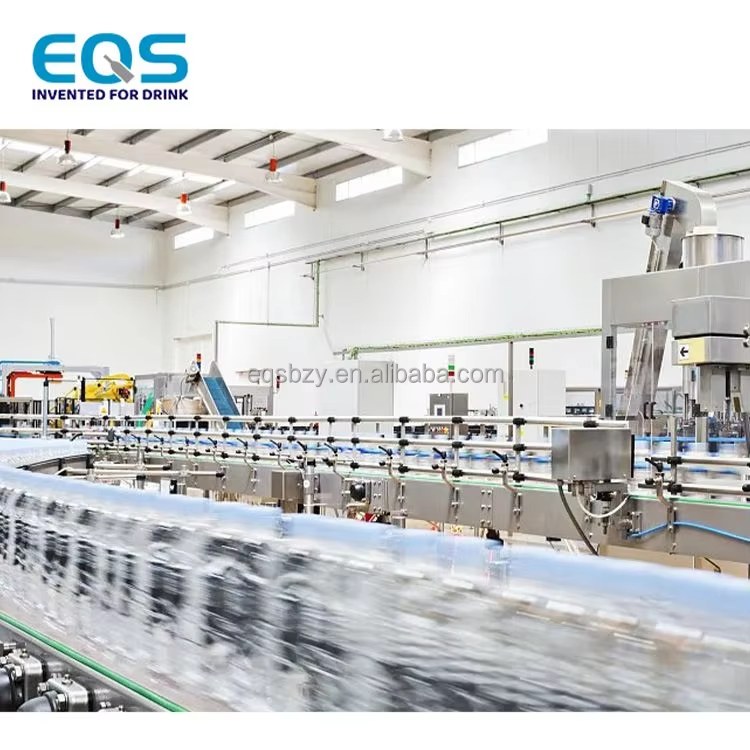
Quantifying the Sustainability Advantage: Aseptic vs. Hot Filling Systems
Life cycle assessments confirm that modern aseptic filling delivers a measurable environmental advantage over hot filling. On average, aseptic systems emit 24.9 g CO₂e per bottle—significantly less than hot filling’s typical footprint. This benefit arises from fundamental process differences: aseptic technology sterilizes product and packaging separately at lower temperatures, avoiding the energy-intensive step of heating the entire beverage volume to 85–95°C solely to sterilize containers on contact. That thermal inefficiency cascades—requiring thicker, heavier packaging to withstand thermal stress and vacuum formation, increasing raw material use by 10–15%. When combined with reduced cooling water demand and higher equipment uptime, the sustainability case for aseptic filling becomes unequivocal for beverage producers committed to decarbonization and resource efficiency.