 EN
EN


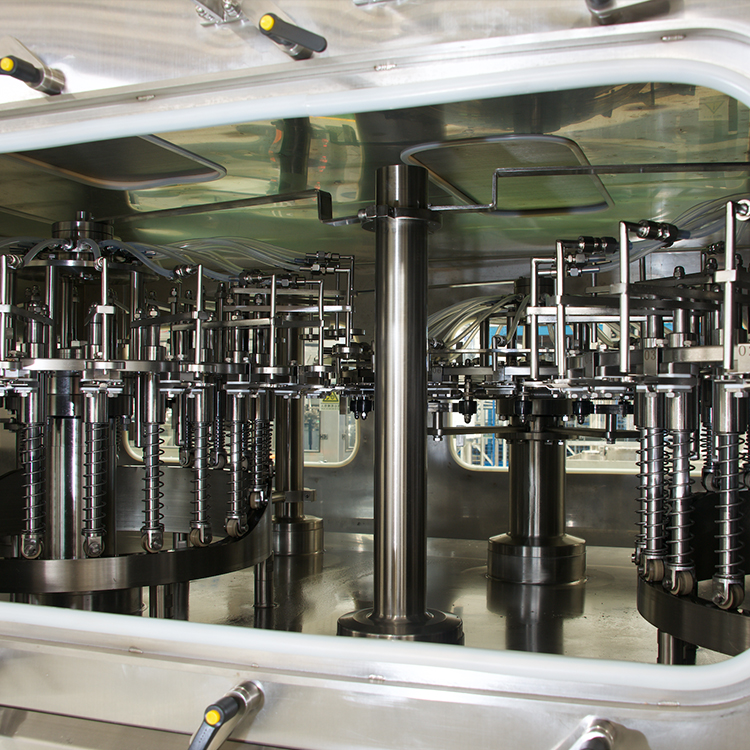
Why Reliability Is Non-Negotiable in an Aseptic Filling Machine
In pharmaceutical manufacturing, a single sterility breach can trigger costly recalls and endanger patient safety. An aseptic filling machine must therefore operate with near-absolute dependability. Reliability ensures that the sterility assurance level (SAL ≤ 10⁻⁶) is consistently achieved across millions of vials—because even a momentary fault can introduce pathogens, rendering an entire batch unusable.
Mechanical Stability and Component Longevity Directly Protect Sterility Assurance Level (SAL ≤ 10⁻⁶)
Every moving part—from servo-driven pumps to valve seals—must maintain tight tolerances over thousands of cycles. Worn components create micro-gaps where contaminants can ingress, pushing SAL above the required threshold. Robust materials such as stainless steel and ceramic, combined with precision engineering, minimize friction and fatigue. This mechanical stability allows the machine to run extended campaigns without degrading the sterile barrier, ensuring each filled vial meets regulatory limits.
Real-World Impact: How MTBF ≥ 1,200 hrs and <0.5% Unplanned Downtime Prevent Sterility Breaches
A high mean time between failures (MTBF ≥ 1,200 hours) and unplanned downtime below 0.5% are not just efficiency metrics—they’re direct safeguards of sterility. Frequent stoppages force operators to re-validate the aseptic environment, increasing the risk of human error during intervention. In contrast, a reliable machine sustains continuous Class A conditions, eliminating environmental fluctuations that compromise SAL. Predictable uptime also protects production schedules, reducing pressure to rush restart procedures that might bypass critical sterilization steps.
Advanced Aseptic Systems That Sustain Sterility Across Extended Campaigns
RABS vs. Isolators: Trade-offs in human intervention risk, validation burden, and operational flexibility
Choosing between Restricted Access Barrier Systems (RABS) and isolators shapes the risk profile of any aseptic filling machine. RABS provide a physical barrier but permit limited manual intervention, which increases human error risk and demands more stringent operator training. Isolators are fully sealed, eliminating direct human contact and thereby reducing contamination risk to near zero. However, isolators require more extensive validation—including glove integrity testing—and carry a higher initial investment. The trade-off also extends to operational flexibility: RABS allow faster adjustments during a campaign, while isolators offer superior long-term sterility assurance for extended runs. Below is a quick comparison:
| Factor | RABS | Isolator |
|---|---|---|
| Human intervention risk | Moderate (limited access) | Very low (sealed) |
| Validation burden | Lower (simpler qualification) | Higher (requires glove integrity testing, etc.) |
| Operational flexibility | Higher (easier reconfiguration) | Lower (fixed environment) |
Tool-Less Design as a Proven Enabler of Consistent Class A Integrity Over 100+ Cycles
A well-engineered aseptic filling machine incorporates tool-less changeover mechanisms to preserve Class A integrity across repeated cycles. By eliminating the need for wrenches or screws, technicians can perform part swaps without introducing particulate or microbial contaminants. This design reduces the duration that critical zones remain exposed, directly supporting SAL targets. Over 100+ production cycles, tool-less components maintain consistent sealing force and alignment—preventing micro-gaps that could compromise air overpressure. The result is a robust, repeatable process that sustains sterility even during high-frequency format changes.
Production Efficiency Gains Driven by Intelligent Automation in the Aseptic Filling Machine
Robotic Handling and Modular Architecture Cut Changeover Time by 89% Without Compromising SAL
Traditional manual changeovers often introduce contamination risks and extended downtime. Modern aseptic filling machines eliminate this bottleneck through robotic handling and modular tool sets. Robotic arms swap filling nozzles, stopper bowls, and transport rails automatically in under 15 minutes—a reduction of 89% compared to manual procedures. The entire exchange occurs within a sealed Class A environment, preserving the Sterility Assurance Level (SAL ≤ 10⁻⁶). Modular architecture further accelerates setup by allowing operators to pre-sterilize change parts offline. Major pharmaceutical firms report that this design reduces batch-record reviews and re-qualification steps, directly boosting overall equipment effectiveness (OEE)—more production shifts per week, with no sterility trade-off.
Scalable Throughput: Achieving 420 vials/min While Maintaining Process Robustness and Regulatory Compliance
Demand for high-volume output often conflicts with aseptic integrity. Advanced aseptic filling machines resolve this tension by combining high-speed servo drives with real-time weight control. Systems now sustain 420 vials per minute for 2R to 10R formats, while holding fill-weight variation below ±0.5%. This throughput does not rely on pushing mechanical limits; instead, intelligent sensors adjust filling parameters dynamically, preventing splashing or droplet formation that could breach sterility. Regulatory audits confirm these machines meet Annex 1 requirements for cleanroom classification and particle monitoring—even at full speed. The ability to scale from 50 to 420 vials/min on the same platform allows manufacturers to launch products quickly and ramp production without revalidation.
CIP/SIP Integration: Ensuring Repeated Sterility Without Biofilm Carryover
Clean-in-Place (CIP) and Sterilize-in-Place (SIP) systems work together to maintain sterility across multiple production cycles without disassembly. CIP uses detergents, caustics, and rinses to remove residues and reduce bioburden, while SIP applies validated steam to kill remaining microorganisms and spores. This two-step process prevents biofilm formation—a persistent layer of microbes that can survive incomplete cleaning. A robust aseptic filling machine relies on rigorous CIP/SIP integration to achieve Sterility Assurance Levels (SAL ≤ 10⁻⁶) repeatedly. Proper hold-time studies and pressure-hold tests confirm that equipment remains sterile between cycles, avoiding the need for re-sterilization. By embedding CIP/SIP as a linked pair, manufacturers eliminate the risk of biofilm carryover and ensure each campaign starts with a validated sterile boundary.
FAQ
What is the importance of reliability in an aseptic filling machine?
Reliability ensures the sterility assurance level (SAL ≤ 10⁻⁶) is consistently achieved, preventing contamination and maintaining patient safety.
How does mechanical stability affect sterility assurance?
Mechanical stability prevents wear and tear that could introduce contaminants, ensuring consistent and safe operations.
What is the difference between RABS and isolators?
RABS allow limited manual intervention with moderate human error risk, while isolators provide a sealed environment with reduced contamination risk but higher validation burdens.
How does automation enhance aseptic filling machines?
Automation, like robotic handling, reduces changeover time and contamination risk while maintaining sterility assurance levels.
What is the role of CIP/SIP systems?
CIP/SIP systems ensure repeated sterility by cleaning and sterilizing without disassembly, preventing biofilm formation and contamination.
Table of Contents
- Why Reliability Is Non-Negotiable in an Aseptic Filling Machine
- Advanced Aseptic Systems That Sustain Sterility Across Extended Campaigns
- Production Efficiency Gains Driven by Intelligent Automation in the Aseptic Filling Machine
- CIP/SIP Integration: Ensuring Repeated Sterility Without Biofilm Carryover