 EN
EN


I hear this question a lot from beverage buyers. They want better taste, better shelf life, and lower long-term cost. At first, hot filling looks simpler. But the market is changing fast.
Premium beverage brands are switching to aseptic cold filling because it protects nutrition, reduces heat damage, and can lower total energy use over time. The initial investment is higher, but the long-term cost-effectiveness is often better than hot filling.
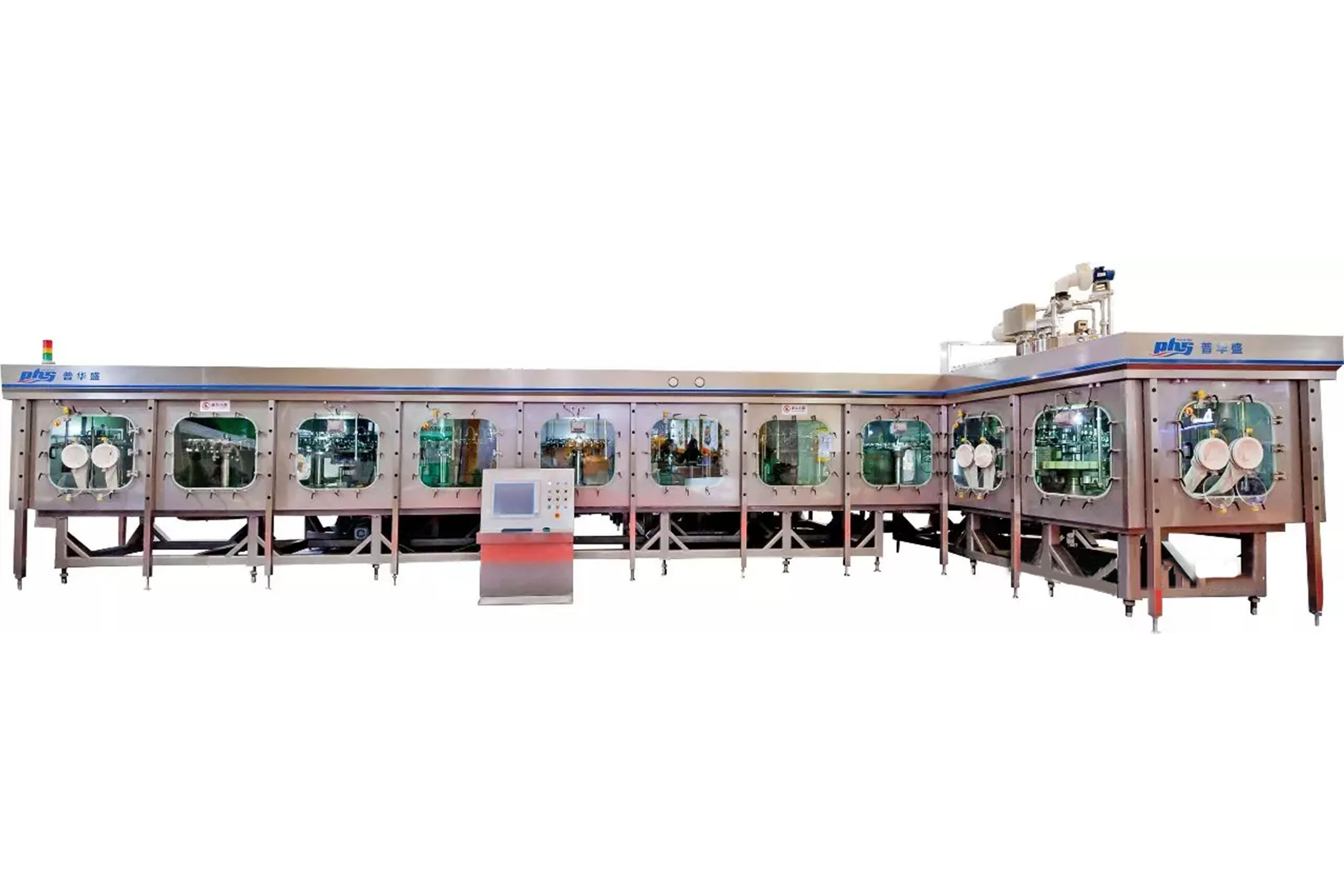
I work with clients who compare machines very carefully. Some focus only on the first price. But I always ask them to look at the full picture. The real value is not only in the equipment cost. It is also in product quality, energy use, and how well the brand can win in the premium market.
Hot filling uses high temperature to sterilize the product and container. Aseptic cold filling sterilizes the product and packaging separately, then fills under sterile conditions at low temperature. This difference changes the final drink quality, especially for sensitive products.
Aseptic cold filling is better for drinks that need to keep natural taste, color, vitamins, or delicate ingredients. Hot filling is better for some simple products, but it can reduce product quality because of heat exposure.
When I explain this to buyers, I keep it simple. Heat is useful for killing bacteria, but heat also changes the drink. Some vitamins become weaker. Some flavors become flat. Some tea drinks, functional drinks, and juice drinks lose their fresh taste.
| Item | Hot Filling | Aseptic Cold Filling |
|---|---|---|
| Product temperature | High | Low |
| Taste retention | Medium to low | High |
| Vitamin protection | Lower | Better |
| Packaging stress | Higher | Lower |
| Energy use | Often higher during heating | Lower in many cases |
Premium brands do not only sell a liquid. They sell a feeling. Customers expect fresh taste, clean label claims, and stable quality. If the drink tastes cooked, the brand loses part of its value.
I have seen many buyers reach a point where they ask a simple question: “Can my product stand out on the shelf?” If the answer is yes, aseptic cold filling usually gives them more room to build a better brand story.
Many buyers feel surprised when I say that a more expensive line can be more cost-effective. But this is true in many cases. Aseptic filling often needs higher upfront investment because the system is more advanced. Still, the running cost can be better over time.
Aseptic filling can be more cost-effective because it helps keep the product’s nutrition and quality, and it often uses less energy during production. This means the brand can save money in operation and also create a higher-value product
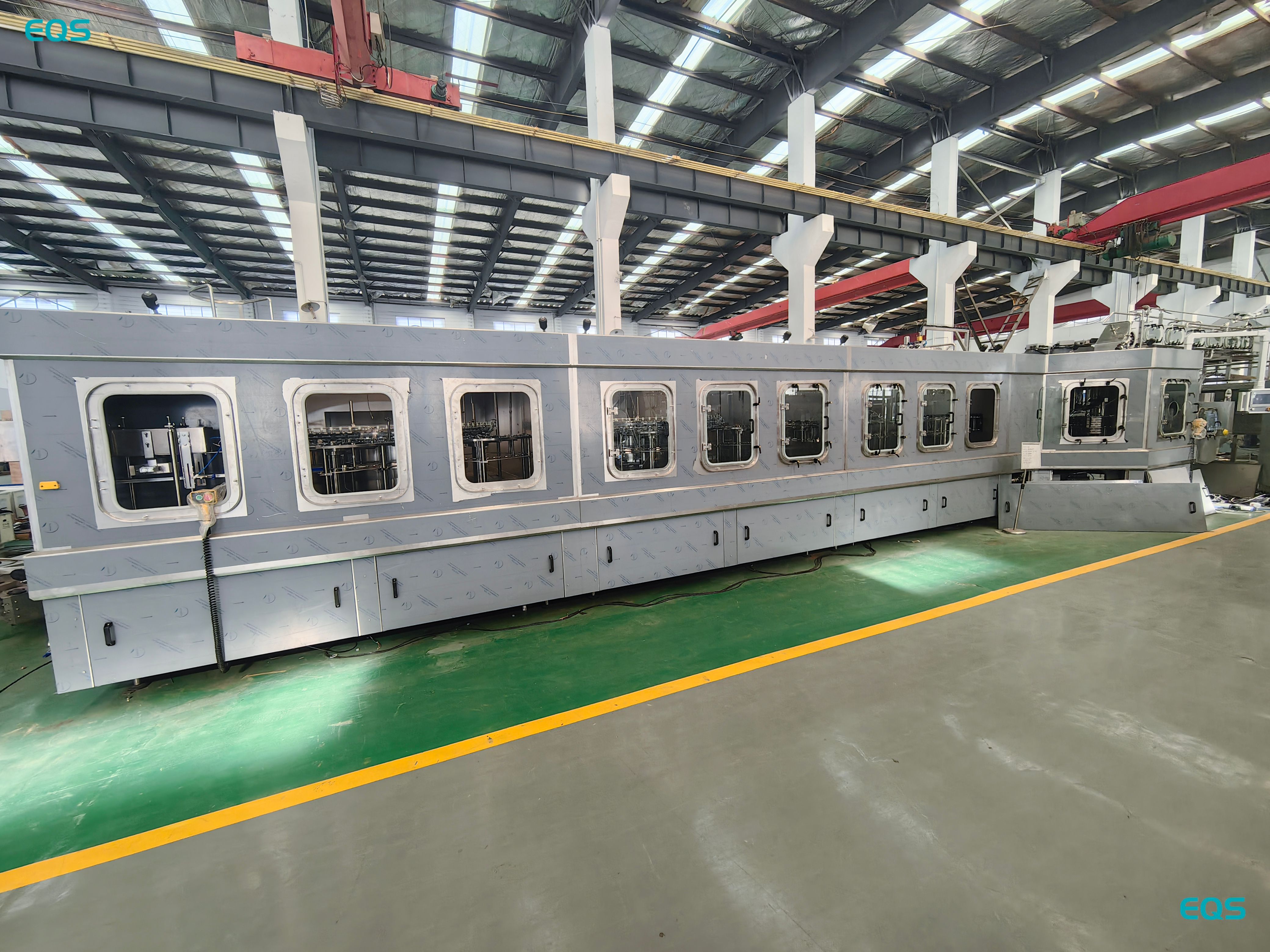
I always tell clients to separate “purchase price” from “total cost.” Purchase price is only one part. Total cost includes energy, product loss, quality complaints, shelf life, and market pricing power.
If a line helps the brand:
・ reduce heat damage
・ keep more nutrition
・ lower product waste
・ improve shelf life
・ support premium pricing
then the return can be better than a cheaper line.
Some drinks do not just need to be safe. They need to stay close to the original recipe. Functional drinks, vitamin drinks, plant-based drinks, and premium teas all benefit from cold aseptic technology.
| Cost factor | Hot Filling | Aseptic Cold Filling |
|---|---|---|
| Initial machine investment | Lower | Higher |
| Energy during production | Higher in many cases | Lower in many cases |
| Product quality loss | Higher | Lower |
| Market price potential | Medium | High |
| Long-term cost-effectiveness | Moderate | Often higher |
Energy prices are not stable. That means every factory must pay attention to consumption. Hot filling needs more thermal treatment. Aseptic cold filling can reduce some of this heat load. So even if the system is more advanced, it can use energy in a smarter way.
For many of my clients, this becomes the key point. They may pay more at the start, but they can get better performance for years. That is why they often move toward aseptic filling when they want to grow in the premium segment.
Not every beverage needs the same process. I always look at the formula first. Some products are simple. Some are sensitive. The more sensitive the product is, the more value aseptic cold filling can bring.
Aseptic cold filling is best for drinks that need better nutrition retention, fresher taste, and strong shelf stability without heavy heat treatment. It is a strong choice for premium beverages.
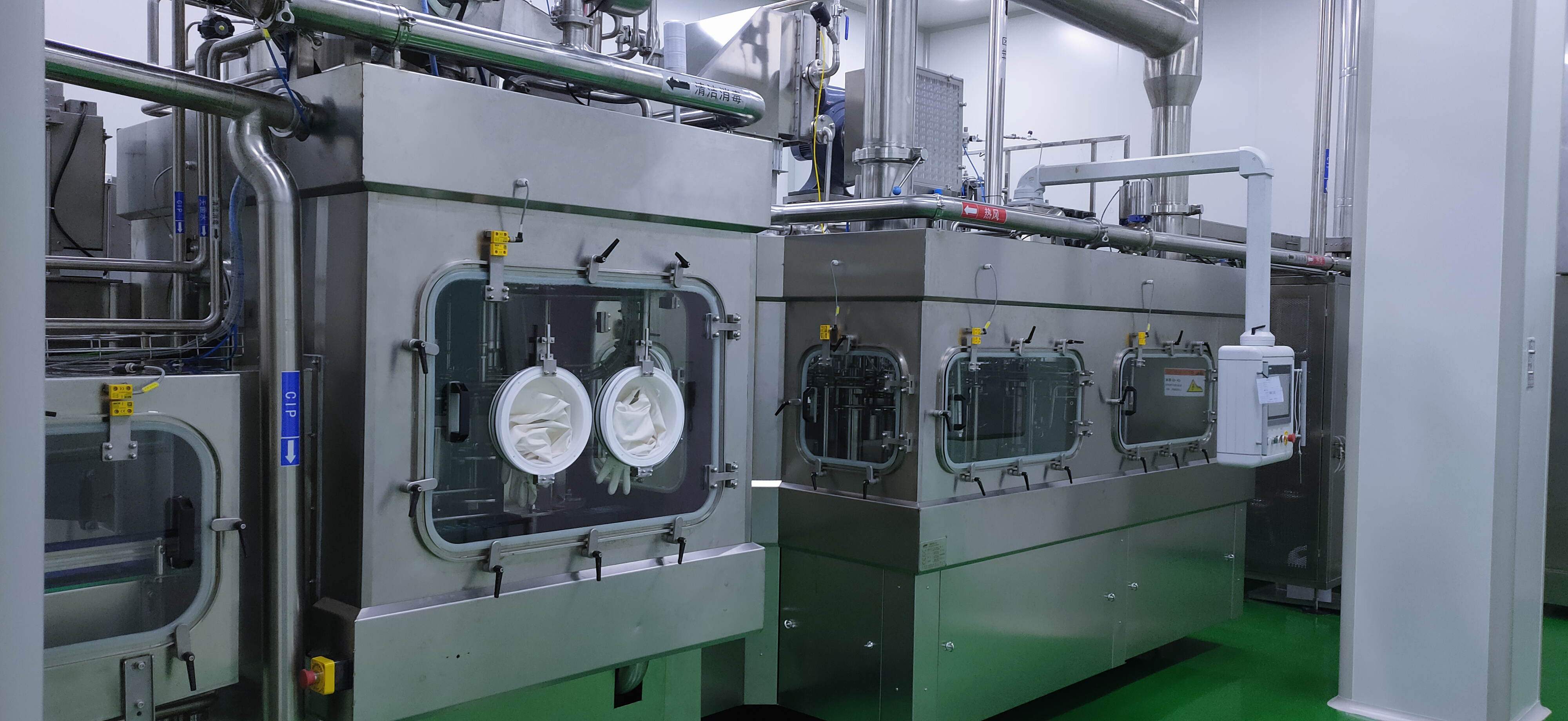
Here are the products I usually recommend for aseptic cold filling:
| Beverage type | Why aseptic works well |
|---|---|
| Juice drinks | Keeps taste and vitamins better |
| Tea beverages | Protects delicate flavor |
| Functional drinks | Supports active ingredients |
| Dairy-based drinks | Helps with shelf stability |
| Plant-based drinks | Preserves natural profile |
| Premium flavored water | Supports clean and fresh image |
I do not say hot filling has no value. It still works for many products. If the formula is simple and the brand is very price sensitive, hot filling can be a practical choice. It is often used when the product can tolerate heat and the market does not demand very high sensory quality.
When a buyer asks me for advice, I start with three questions:
・ What is the product formula?
・ What shelf life does the market need?
・ Is the brand selling value or only volume?
If the client wants premium positioning, I usually lean toward aseptic cold filling. If the client only wants low-cost production for a basic product, hot filling may still be enough.
The market is not the same as before. Consumers read labels more carefully. They compare taste more carefully. They also care more about quality, clean processing, and product image. That is why many premium brands are making the switch.
Premium beverage brands are moving to aseptic cold filling because customers expect better taste, better nutrition retention, and a more modern production standard. The technology also supports stronger brand positioning in competitive markets.
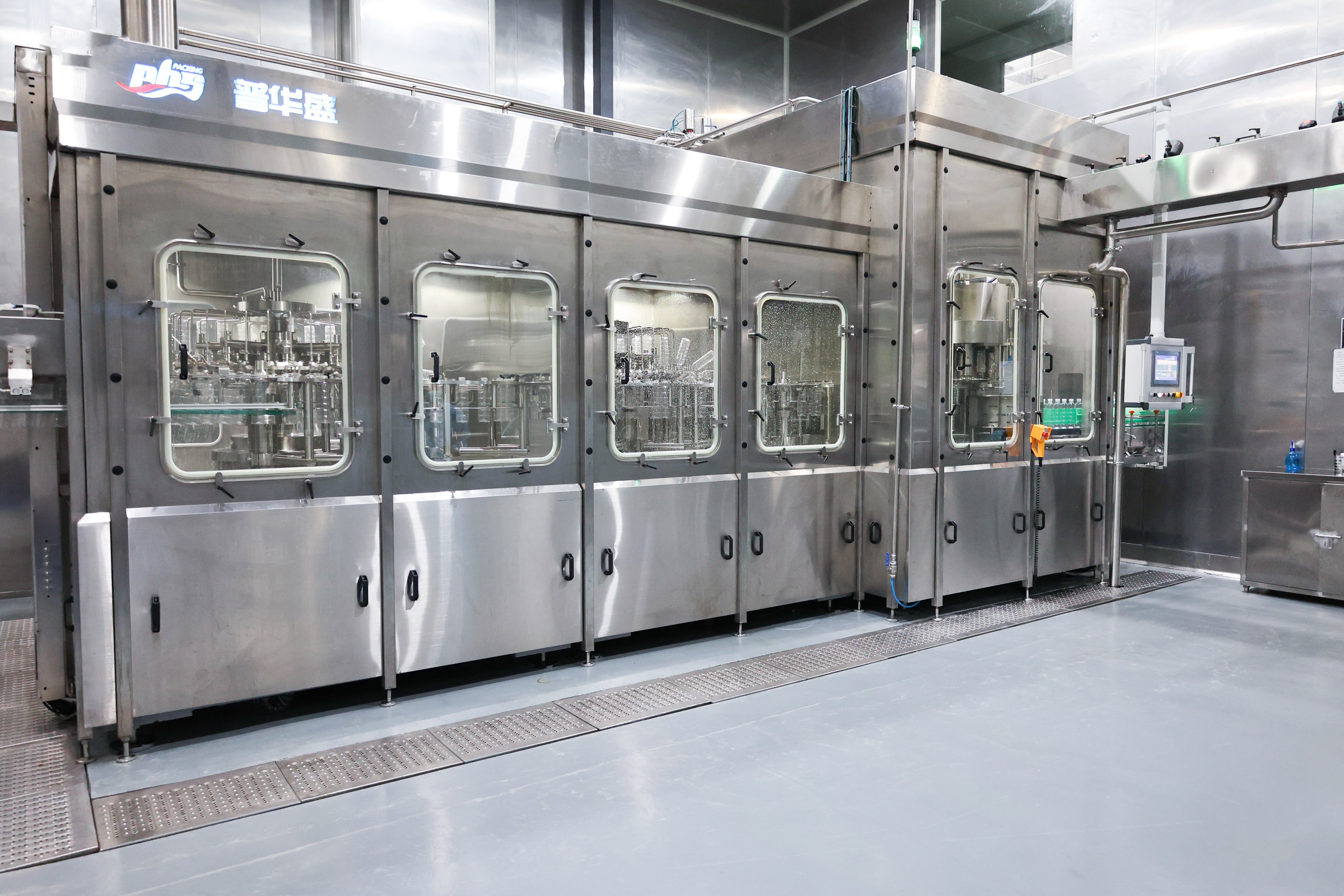
I often remind buyers that the machine is not only for production. It is part of the brand promise. If a company says it sells premium juice or premium tea, the production method should match that message.
Aseptic cold filling helps brands say:
・ we care about quality
・ we protect ingredients
・ we use modern technology
・ we build for the long term
When the product keeps its natural taste and nutrition better, the consumer can notice it. That helps repeat sales. It also helps exporters, because overseas buyers often ask for more stable quality and stronger process control.
For companies that sell in North America, South America, and other competitive markets, this matters a lot. A better process can support better trust. And trust supports sales.
Aseptic cold filling often has a higher starting cost, but it protects nutrition, lowers energy use in many cases, and gives premium brands a better long-term return.
My name is Allen, and I'm an expert in filling machine technology at EQS, a leading liquid packaging solution provider based in China. If you're looking for top-quality equipment for your production line, feel free to reach out to me at [email protected]. We specialize in providing customizable solutions with cutting-edge technology.
Copyright © JIANGSU EQS MACHINERY CO.,LTD