 EN
EN


I often see bottle producers reach a point where the old setup starts to slow the whole plant down. The line still works, but waste, space, and labor costs keep rising.
You should upgrade to a Blow-Fill-Cap Combi-block system when your production volume is medium to high, your factory space is limited, and you want better efficiency, lower cost, and stronger hygiene control.
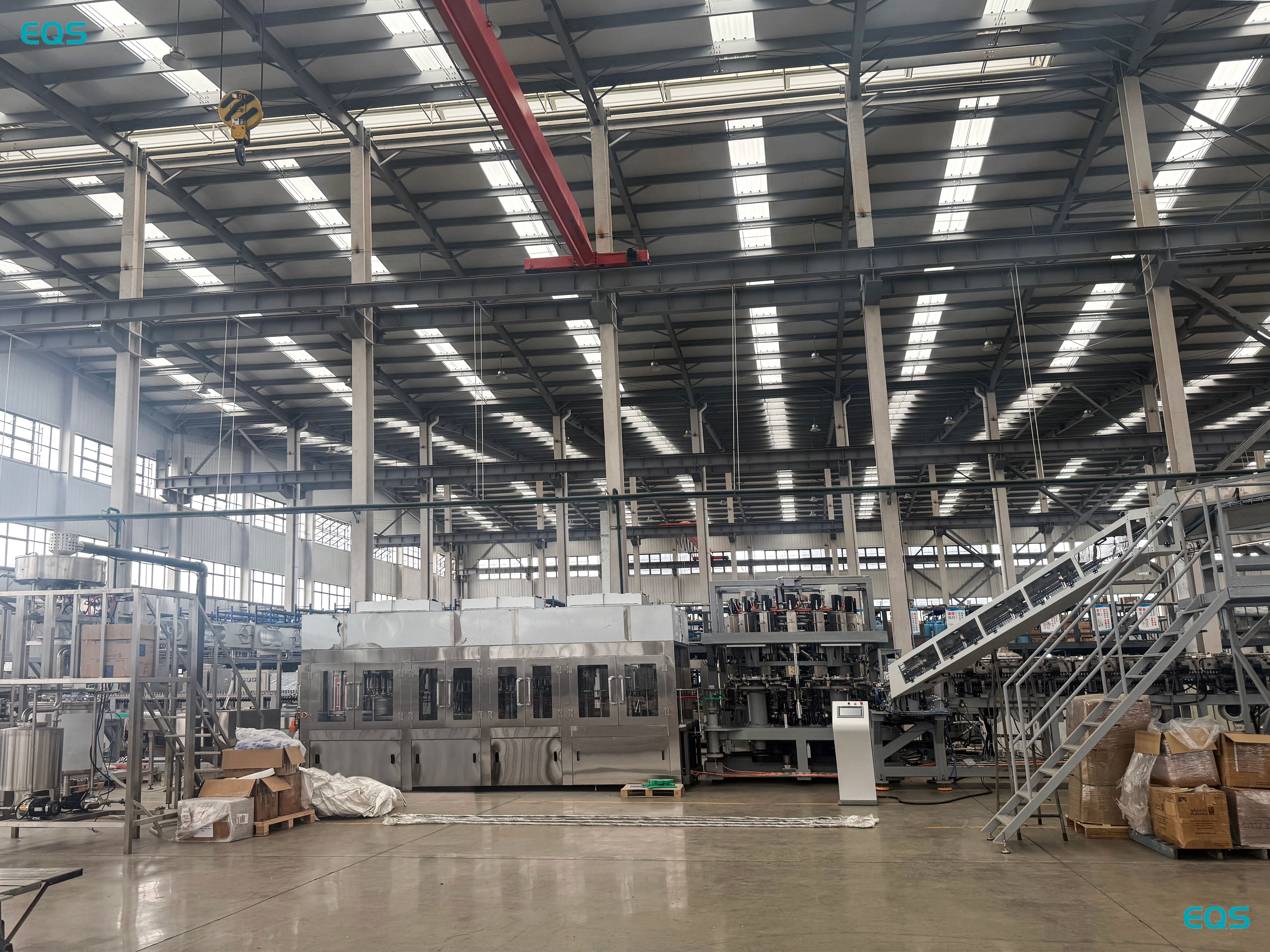
I talk with many buyers who first ask about machine price. That is normal. But I usually ask them to look at the whole line. A BFC combi-block system is not only about speed. It is about how a factory can produce more with fewer steps, fewer risks, and less manual work.
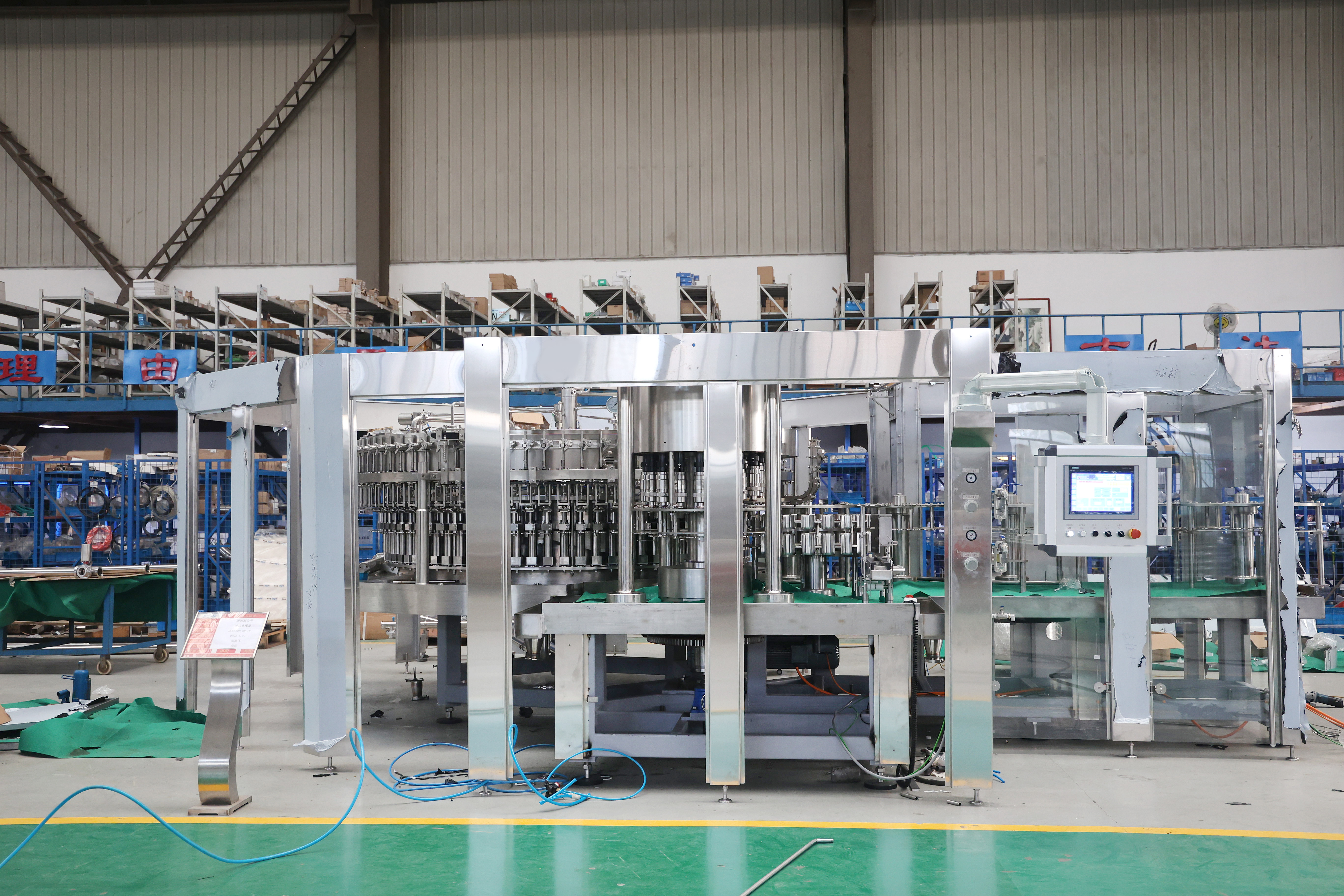
A Blow-Fill-Cap system combines three steps into one unit: bottle blowing, liquid filling, and cap sealing. This means the empty PET preform is blown into a bottle, the bottle is filled, and the cap is closed in one connected process.
A BFC Combi-block system is a compact production solution that reduces bottle handling, shortens transfer time, and improves hygiene by linking blowing, filling, and capping in one line.
In a traditional setup, the bottle moves from one machine to another. That means more conveyors, more air exposure, more labor, and more chance for contamination or bottle damage.
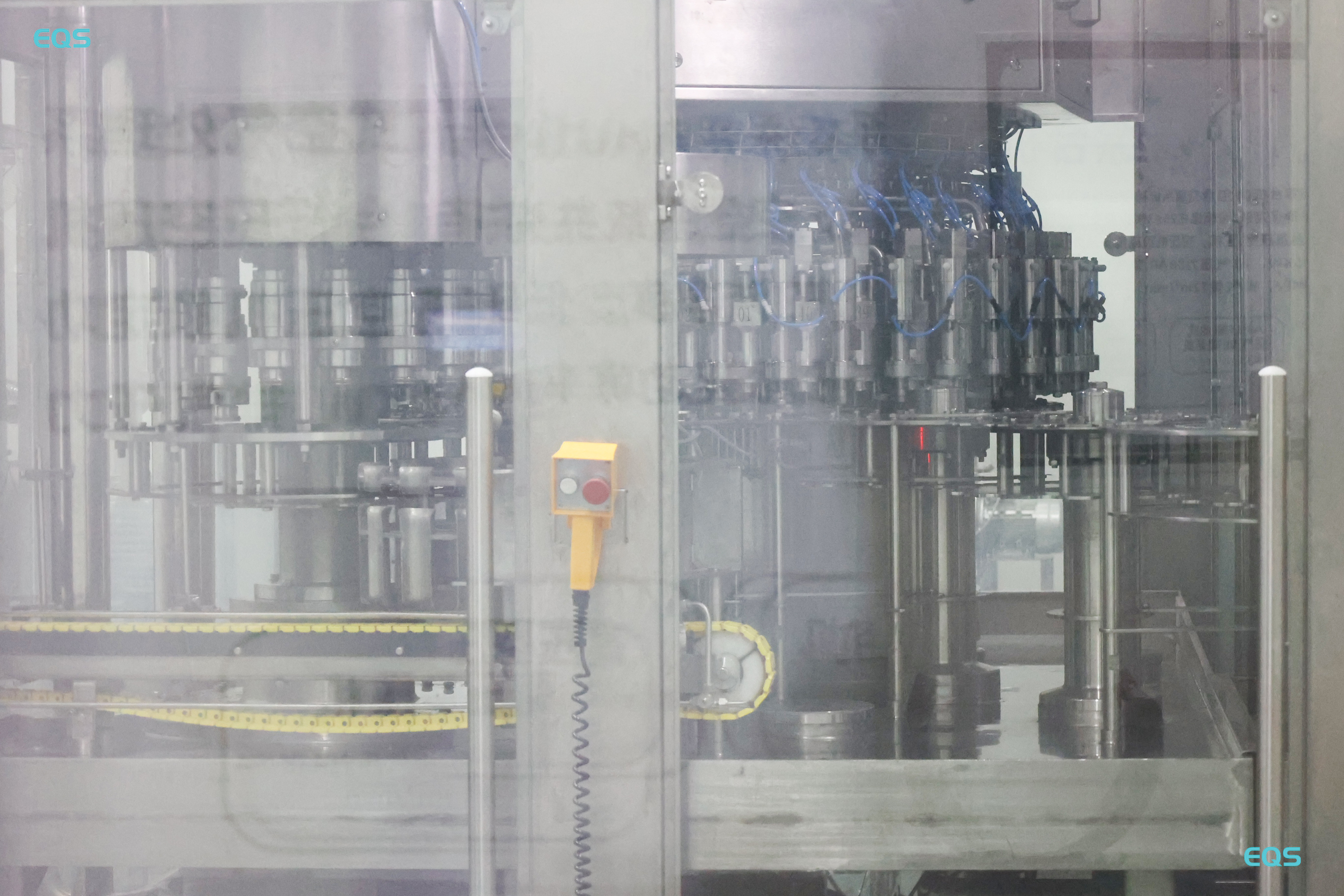
A BFC system changes this. The bottle is formed and filled in a tighter process flow. This makes the line cleaner and faster. It also helps the factory use space in a smarter way.
| Item | Traditional line | BFC Combi-block |
|---|---|---|
| Production steps | Separate | Integrated |
| Floor space | Larger | Smaller |
| Manual handling | More | Less |
| Hygiene control | Lower | Higher |
| Energy use | Often higher | Often lower |
| Line efficiency | Moderate | High |
I usually tell clients that the best time to upgrade is when the old system starts holding back growth. If the line can no longer support demand, or if the plant keeps paying too much for labor, waste, and space, then the upgrade starts to make sense.
A factory should consider upgrading to a BFC system when output demand is rising, hygiene standards are becoming stricter, and the existing production line is no longer efficient enough.
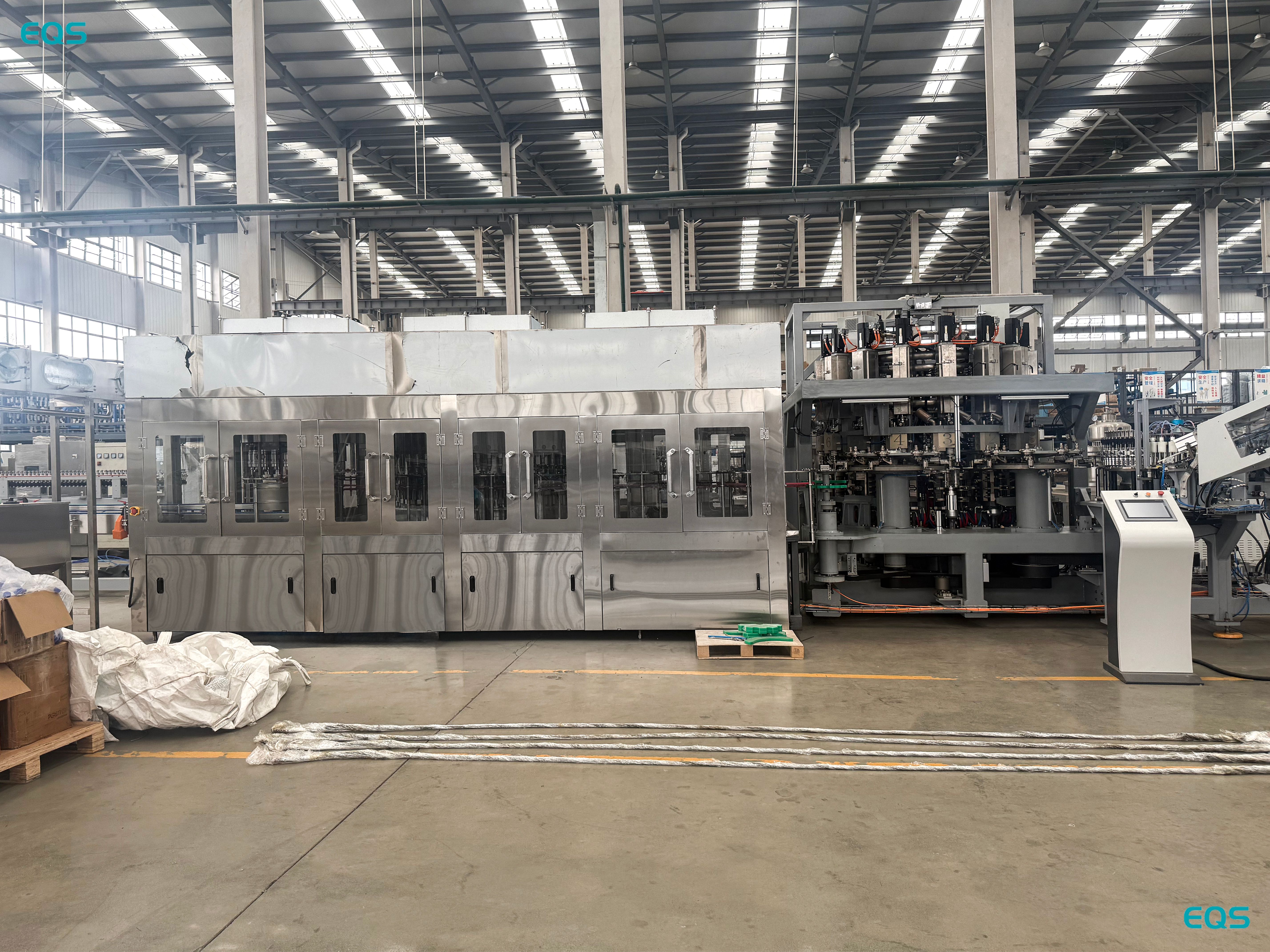
A BFC system is usually most useful for medium-to-high volume PET bottle producers. If a factory runs a small line, the return may not be strong enough. But when output grows, the savings from better efficiency become much more visible.
I often see this pattern:
・low volume plants stay with simpler equipment
・growing plants begin to feel the pain of slow line transfer
・larger plants need higher throughput and more stable hygiene control
Many plants have a space problem. They want more output, but they do not want to build a new factory. A combi-block system helps because it packs more function into a smaller area.
If a customer asks me how to fit more capacity into the same building, I often point to this system. It is not only a technical choice. It is also a layout choice.
The more steps a bottle passes through, the more exposure risk it has. A BFC system reduces this risk because the bottle moves through fewer open areas. This is important for brands that care about clean production and stable quality.
For drinks with higher quality expectations, that matters a lot. Premium PET beverage producers often see hygiene as part of brand value, not only as a compliance item.
Not every producer needs a BFC system right away. I look at the customer’s product type, bottle type, output plan, and factory layout before I give advice. Some producers gain a lot from this upgrade. Others may not yet need it.
Medium-to-high volume PET bottle producers benefit most from a Blow-Fill-Cap system because they need speed, lower operating cost, and better process control.
| Customer type | Fit for BFC system | Reason |
|---|---|---|
| Small startup plant | Low to medium | Output may be too low |
| Growing regional brand | High | Needs more speed and efficiency |
| Large beverage factory | Very high | Needs stable high-volume output |
| Premium beverage producer | High | Needs better hygiene and quality |
| Contract packer | High | Needs flexibility and productivity |
BFC systems are often used for PET bottled beverages like:
1. bottled water
2. carbonated soft drinks
3. juice drinks
4. tea drinks
5. functional drinks
Some product types need special process control, but the BFC structure still brings value when the filling process is built correctly.
Many buyers focus on the new investment. I understand that. But I always ask them to compare the long-term savings too. A BFC system can reduce labor, floor space, transfer loss, and sometimes energy use.
The upgrade can lower total operating cost because it combines machines, reduces bottle movement, and improves line efficiency.
| Cost area | Traditional line | BFC Combi-block |
|---|---|---|
| Labor demand | Higher | Lower |
| Bottle transfer loss | Higher | Lower |
| Maintenance points | More | Fewer |
| Factory space cost | Higher | Lower |
| Production efficiency | Lower | Higher |
When a line runs faster with fewer workers and less waste, the savings build up every day. For a plant with steady demand, this can create a clear return on investment.
I have seen clients who first worry about the price. But after they compare yearly operating cost, they start to see the value more clearly. In many cases, the combi-block system pays back through efficiency, not only through output.
There is also another point. Better control often means fewer broken bottles, fewer contamination risks, and more stable filling accuracy. That can protect the brand and reduce complaints.
This is why I do not treat the upgrade as only a machine purchase. I treat it as a production strategy.
Before I recommend a BFC system, I always check a few practical things. If the plant is not ready, the upgrade can become expensive and slow. A good decision needs good planning.
Before upgrading, you should check output demand, bottle type, factory space, hygiene goals, and your budget for both equipment and installation.
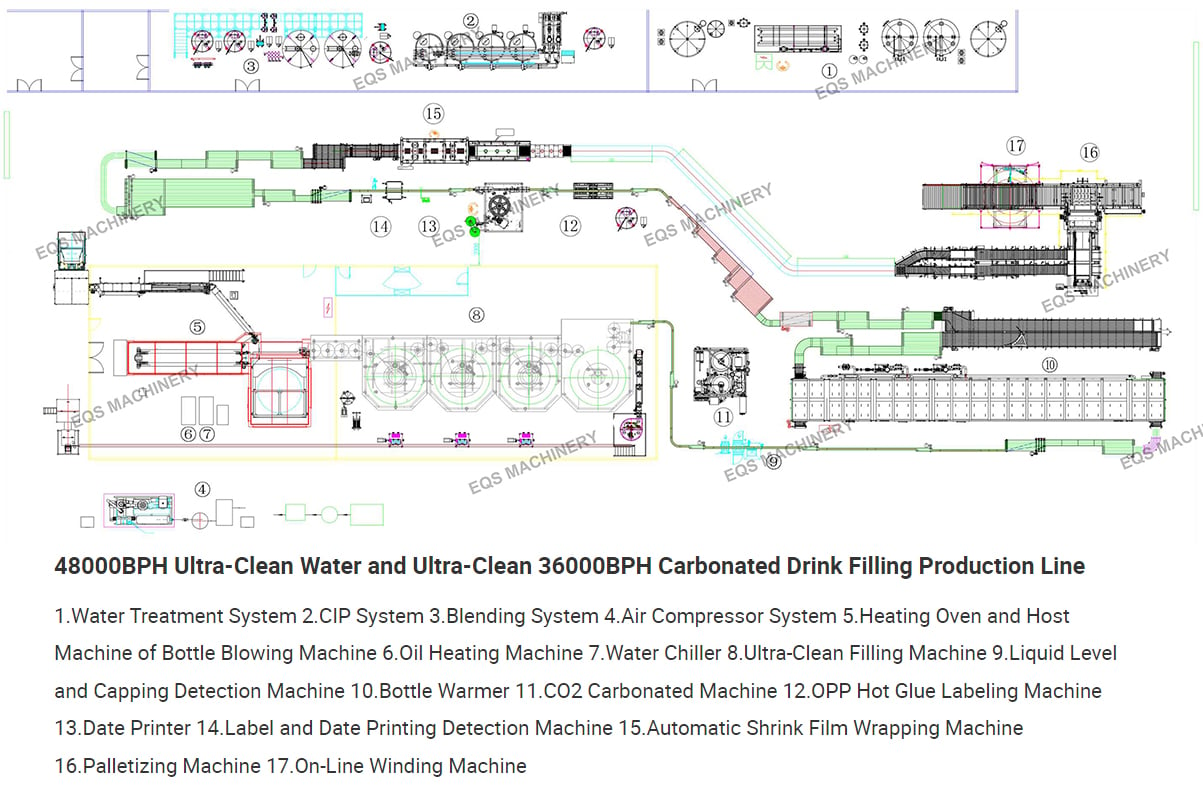
1. How many bottles do you need per hour now?
2. How much do you expect to grow in the next few years?
3. Do you have enough space for a new integrated line?
4. Is labor cost becoming a problem?
5. Do you need stronger hygiene control?
6. Can your water, air, and utility systems support a faster line?
| Situation | Upgrade now? | Why |
|---|---|---|
| Output is growing fast | Yes | The line may become a bottleneck |
| Plant space is tight | Yes | Combi-block saves space |
| Labor cost is high | Yes | The system reduces handling |
| Output is still low | Maybe not yet | Return may be too slow |
| Budget is very limited | Maybe later | Planning is still needed |
If a customer has a clear growth plan, I usually suggest looking seriously at BFC. If the plant is still very small, I may suggest waiting or choosing a simpler line first. I always want the customer to buy the right machine for the real stage of the business.
A Blow-Fill-Cap combi-block system is best when production is growing, space is limited, and the factory needs better efficiency, hygiene, and long-term cost savings.
My name is Allen, and I'm an expert in filling machine technology at EQS, a leading liquid packaging solution provider based in China. If you're looking for top-quality equipment for your production line, feel free to reach out to me at [email protected]. We specialize in providing customizable solutions with cutting-edge technology.
Copyright © JIANGSU EQS MACHINERY CO.,LTD