 EN
EN


Starting a bottling business can look simple from the outside. But once I map the real equipment list, the budget can rise fast. A wrong setup can drain cash before the first sale.
The real cost of a complete filling line depends on production capacity, bottle type, automation level, and backend packaging needs. For 2,000-10,000 BPH, I usually recommend a washing filling capping machine. For above 10,000 BPH, I recommend a blow-fill-seal integrated machine. For low budgets, I suggest a semi-automatic packaging machine

I often speak with buyers who want to enter the beverage market with a limited budget. I understand that pressure. I also know that a line should not be priced only by the main machine. It must be priced by the full system, because every part affects output and profit.
The real cost is not one fixed number. I always break it into three parts: the filling system, the packaging system, and the support system. If a buyer only asks for the filler price, I know the final budget will be incomplete.
In 2026, a complete filling line may start from a lower semi-automatic budget for small capacity projects, and it can rise to a much higher investment for full automatic high-speed lines. The final cost depends on how much automation and capacity the buyer wants
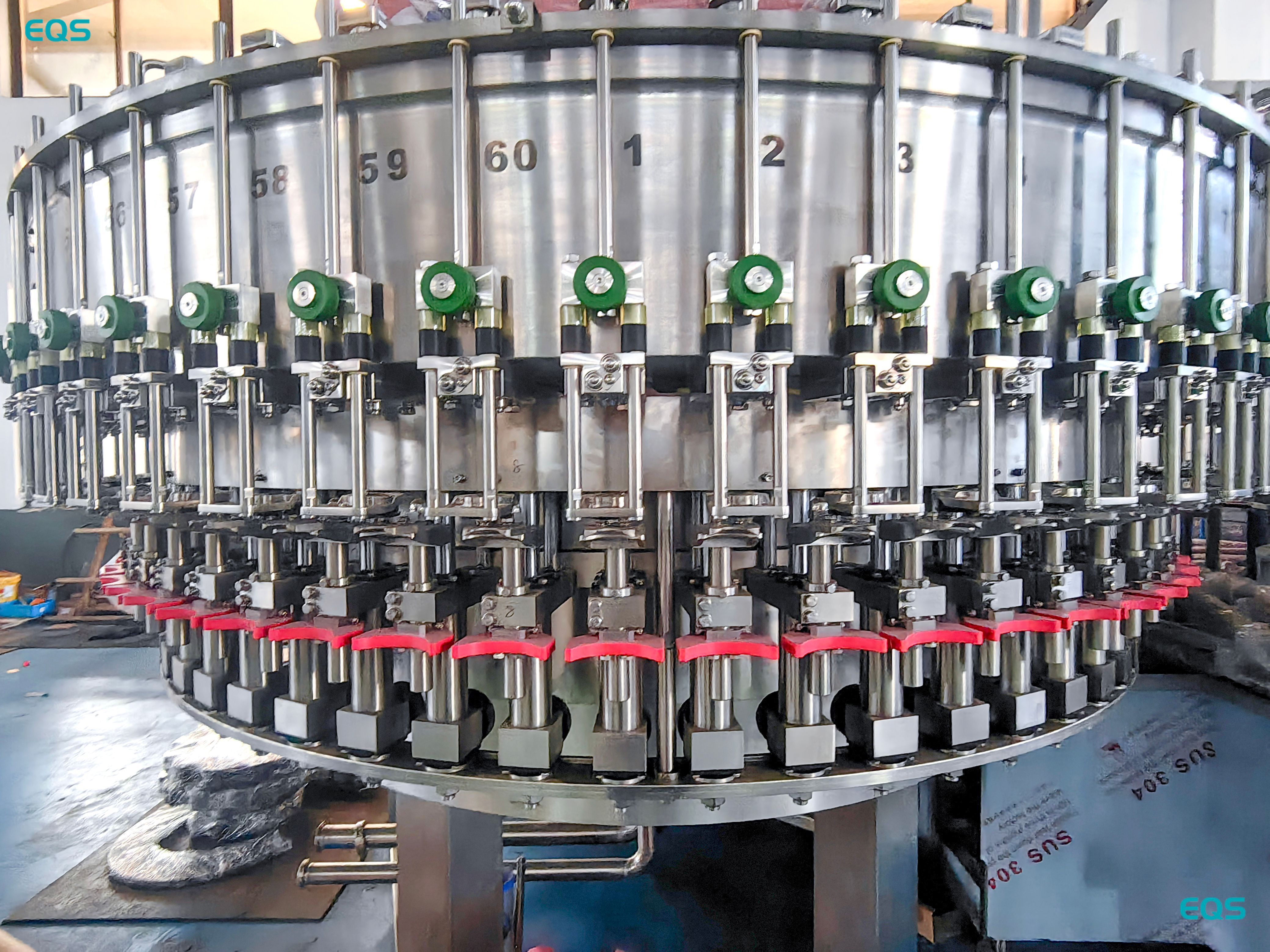
If the production capacity is 2,000-10,000 BPH, I usually recommend a three-in-one filling machine. This means rinsing, filling, and capping are combined into one unit. It keeps the line simple and more affordable.
If the production capacity is above 10,000 BPH, I usually recommend a blow-fill-seal integrated machine. This solution combines bottle blowing, filling, and capping. It is better for higher output and more stable automatic production.
A complete line is not finished at the capper. I still need labels, date coding, shrink wrapping or carton packing, and palletizing. For low-budget customers, I often suggest semi-automatic backend equipment. This lowers the first investment and helps the buyer enter the market faster.
The buyer also needs to think about water treatment, air compressors, conveyors, electrical installation, and factory layout. These items are easy to ignore, but they affect the success of the whole line.
| Capacity Range | Suggested Main Solution | Budget Level | Typical Use |
|---|---|---|---|
| 2,000-10,000 BPH | Three-in-one filling machine | Medium | Small and medium beverage factories |
| Above 10,000 BPH | Blow-fill-seal integrated machine | Higher | Growing factories and larger operations |
| Low budget | Semi-automatic backend | Lower first investment | New entrants and small launches |
I always start with the business goal. If the buyer wants to test the market, I do not push a very large line. If the buyer already has sales channels and strong demand, I plan for higher speed and more automation.
My budget plan starts with the target capacity, then the bottle type, then the machine structure, and finally the backend packaging level. This gives a clear investment path and avoids waste.

I ask the buyer how many bottles they want to produce per hour. This decides the line size. A small output target gives more flexible options. A larger output target needs stronger automation and better line stability.
For medium capacity, the three-in-one machine is usually enough. For larger capacity, the blow-fill-seal solution becomes more practical. I do not recommend overbuying if the market is still uncertain.
Some buyers want simple label and carton packing. Others need full automatic film wrapping and palletizing. I always explain that backend packaging can be semi-automatic at first, and upgraded later when sales grow.
| Budget Decision Point | My Recommendation | Why |
|---|---|---|
| Low market test | Semi-automatic backend | Lower starting cost |
| Stable medium demand | Three-in-one line | Balanced investment |
| Fast growth plan | Blow-fill-seal line | Better long-term efficiency |
I always warn buyers about hidden costs. These costs are not hidden on purpose, but they are often forgotten during early planning. If I ignore them, the project budget becomes too optimistic.
The machine must be installed and tested. This takes time and labor. I also need to include technical support during startup.
Different markets need different standards. The buyer may need certification, inspection, or local compliance documents. This can affect the final project cost.
Shipping a complete line can be expensive, especially for large equipment. I also recommend spare parts in the first order, because they help reduce downtime later.
I always include operator training and maintenance guidance in the initial plan. A cheap machine with poor training can become expensive very quickly.
I keep the first investment under control by matching the line to the actual business stage. I do not recommend a buyer spend like a large factory if they are still testing the market. I also do not recommend cutting too much from the line, because that can hurt future growth.
This approach helps the buyer enter the beverage market with a clear plan. It also leaves room for later expansion. In my experience, that is better than buying too much too soon or too little for real production.
The real cost of a complete filling line depends on capacity, automation, and packaging needs. I always build a clear budget plan first, so the buyer can enter the market with confidence.
My name is Allen, and I'm an expert in filling machine technology at EQS, a leading liquid packaging solution provider based in China. If you're looking for top-quality equipment for your production line, feel free to reach out to me at [email protected]. We specialize in providing customizable solutions with cutting-edge technology.
Copyright © JIANGSU EQS MACHINERY CO.,LTD