 EN
EN
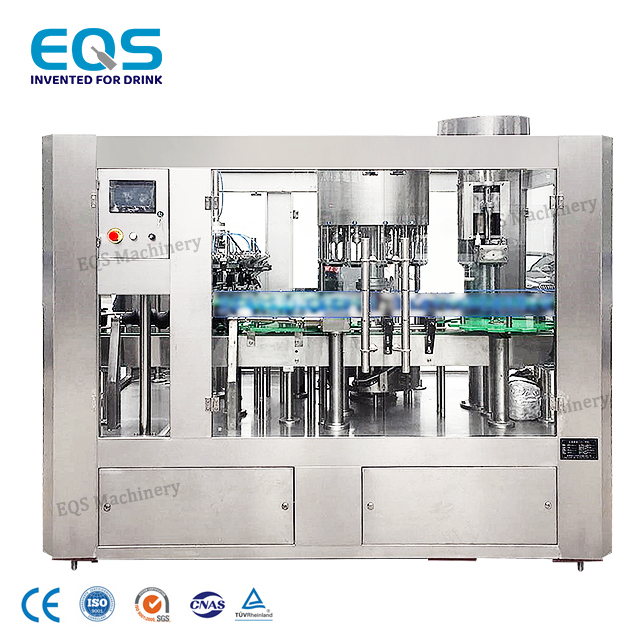
The application prospects of modern automated wine bottling lines have long transcended the realm of traditional wine production, evolving into an efficient, scalable solution for the broader liquid packaging industry. Its core value lies in providing manufacturers of all sizes with precise, stable automation capabilities that grow alongside their business.
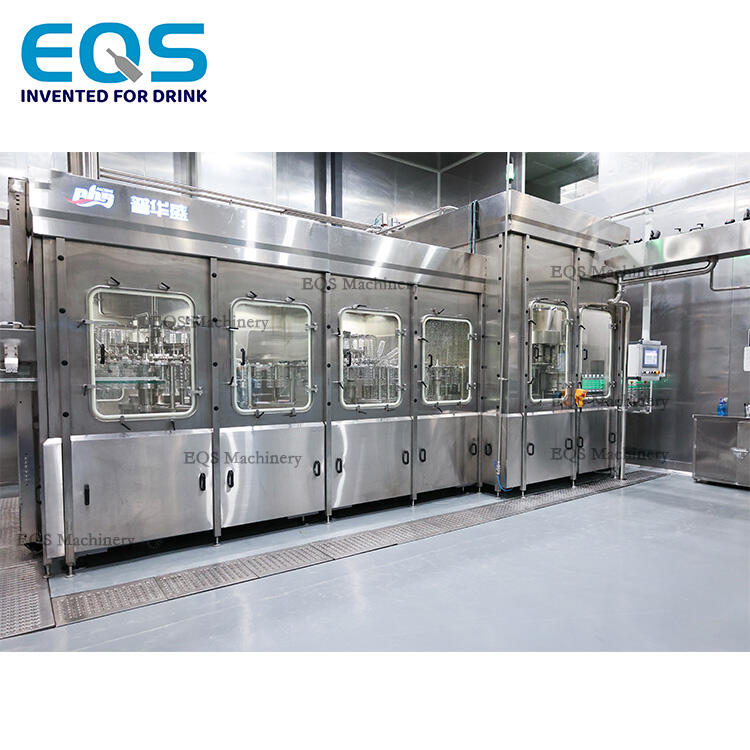
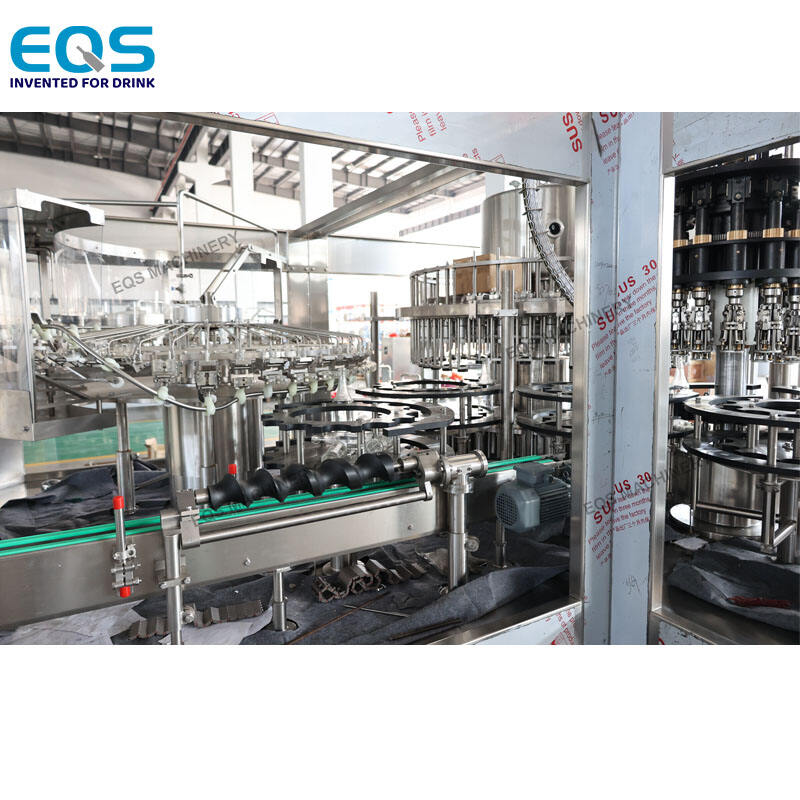
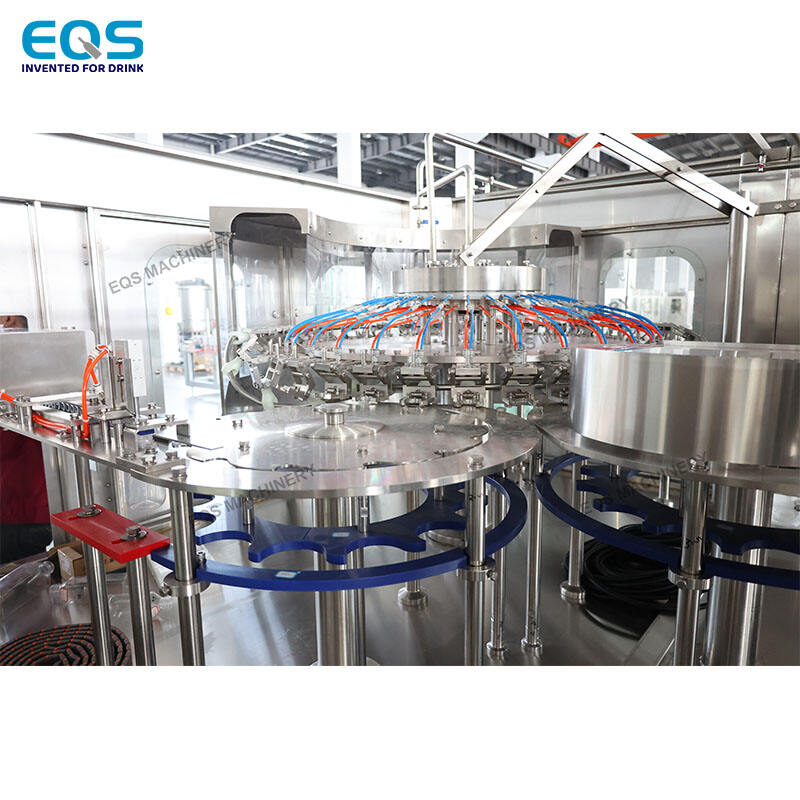
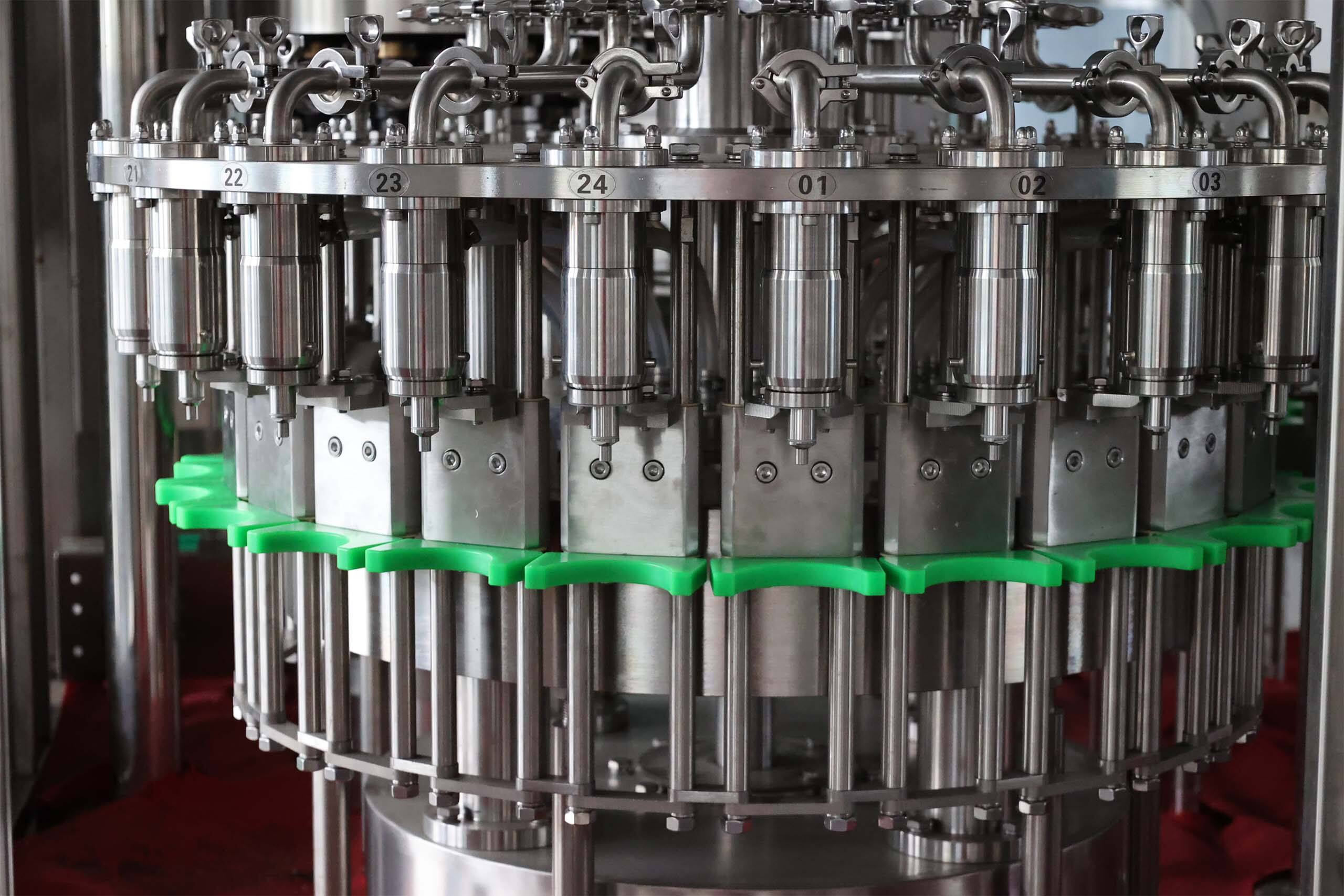
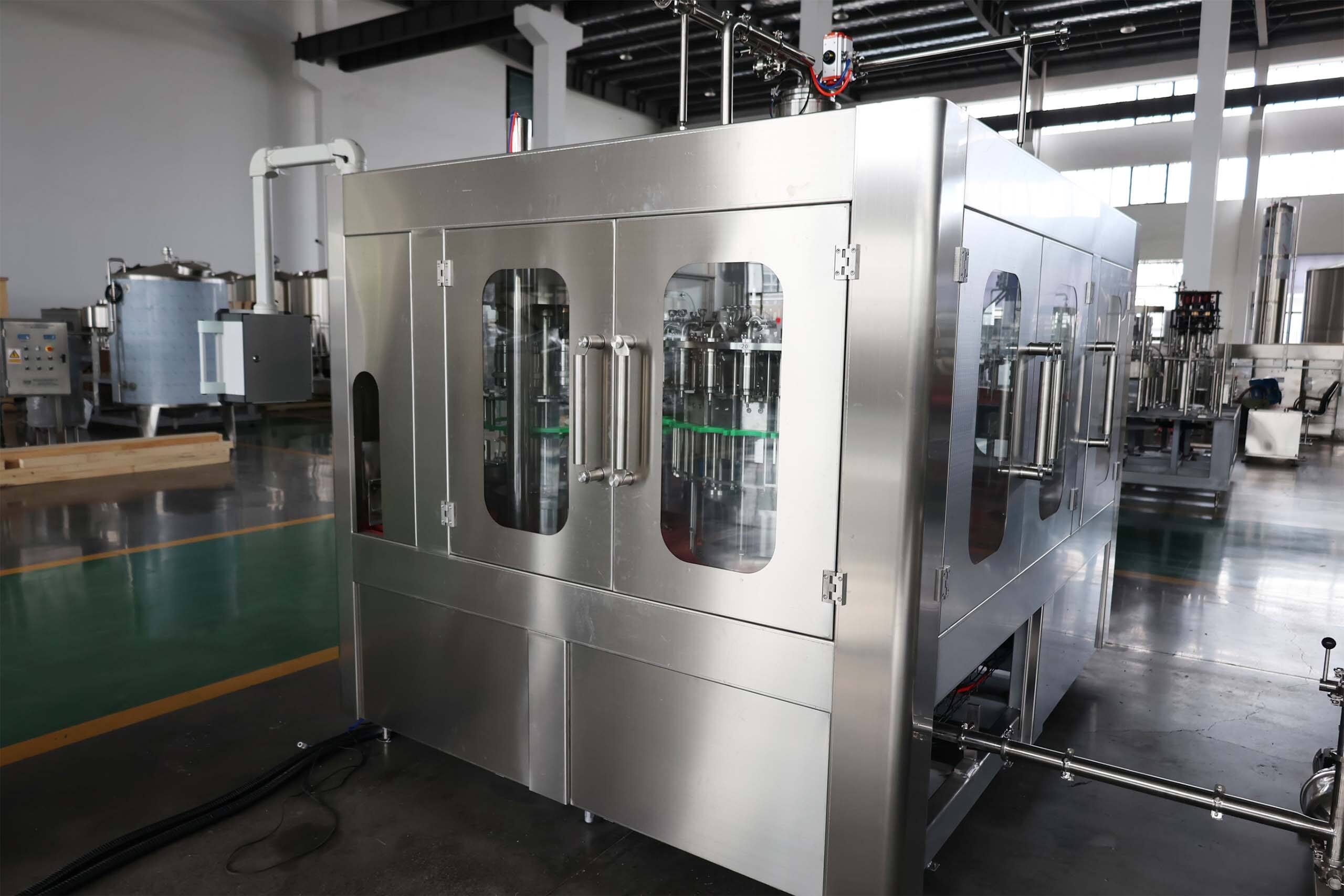
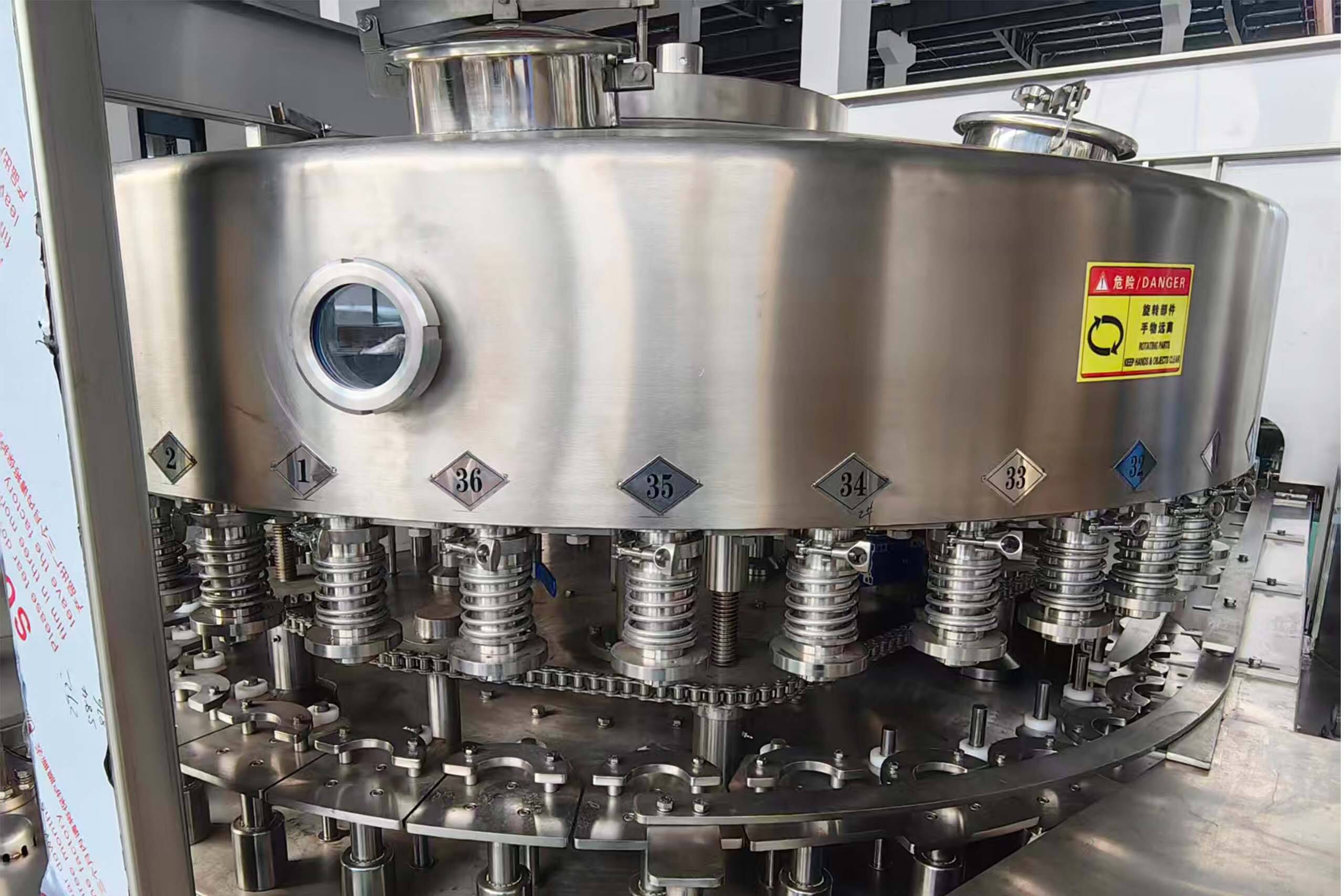
Within the wine industry itself, the value of this production line varies according to winery scale. For boutique wineries and artisanal breweries, a compact semi-automated line enables them to move beyond time-consuming manual bottling. It facilitates standardized production of small batches with high quality, allowing them to focus valuable resources on grape cultivation and market expansion. For established mid-sized wineries, a high-speed fully automated filling line becomes the cornerstone for ensuring production capacity and brand reputation. It seamlessly handles the entire process—from bottle washing, precise filling, and corking/capping to labeling and packaging—to meet substantial market demand. For large commercial wineries and cooperatives, a fully integrated, customizable turnkey solution forms the production core. It can modularly incorporate sparkling wine filling, barrel lines, or palletizing robots to handle extremely high production volumes.
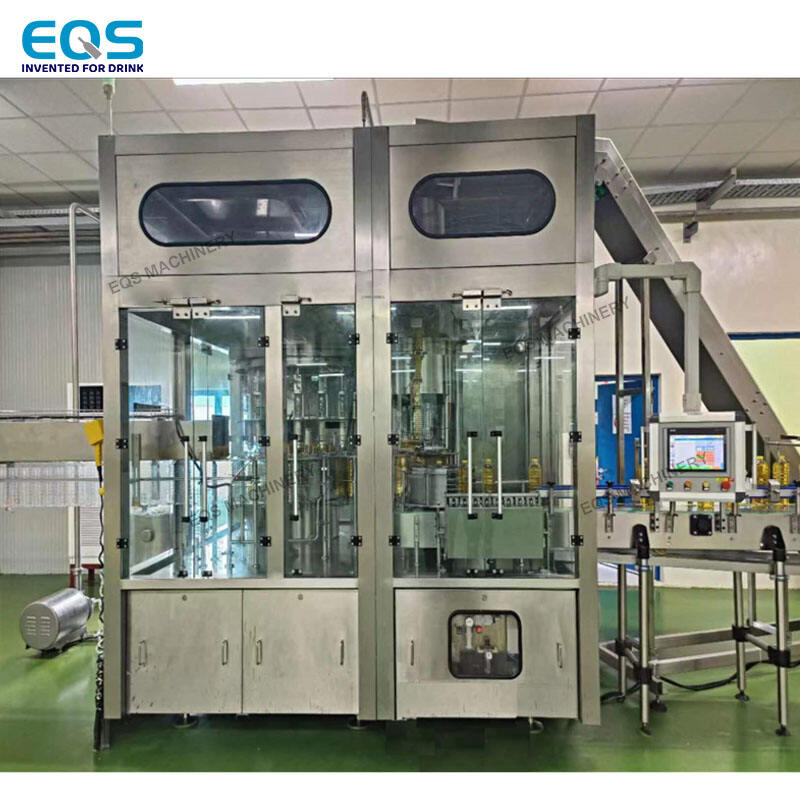
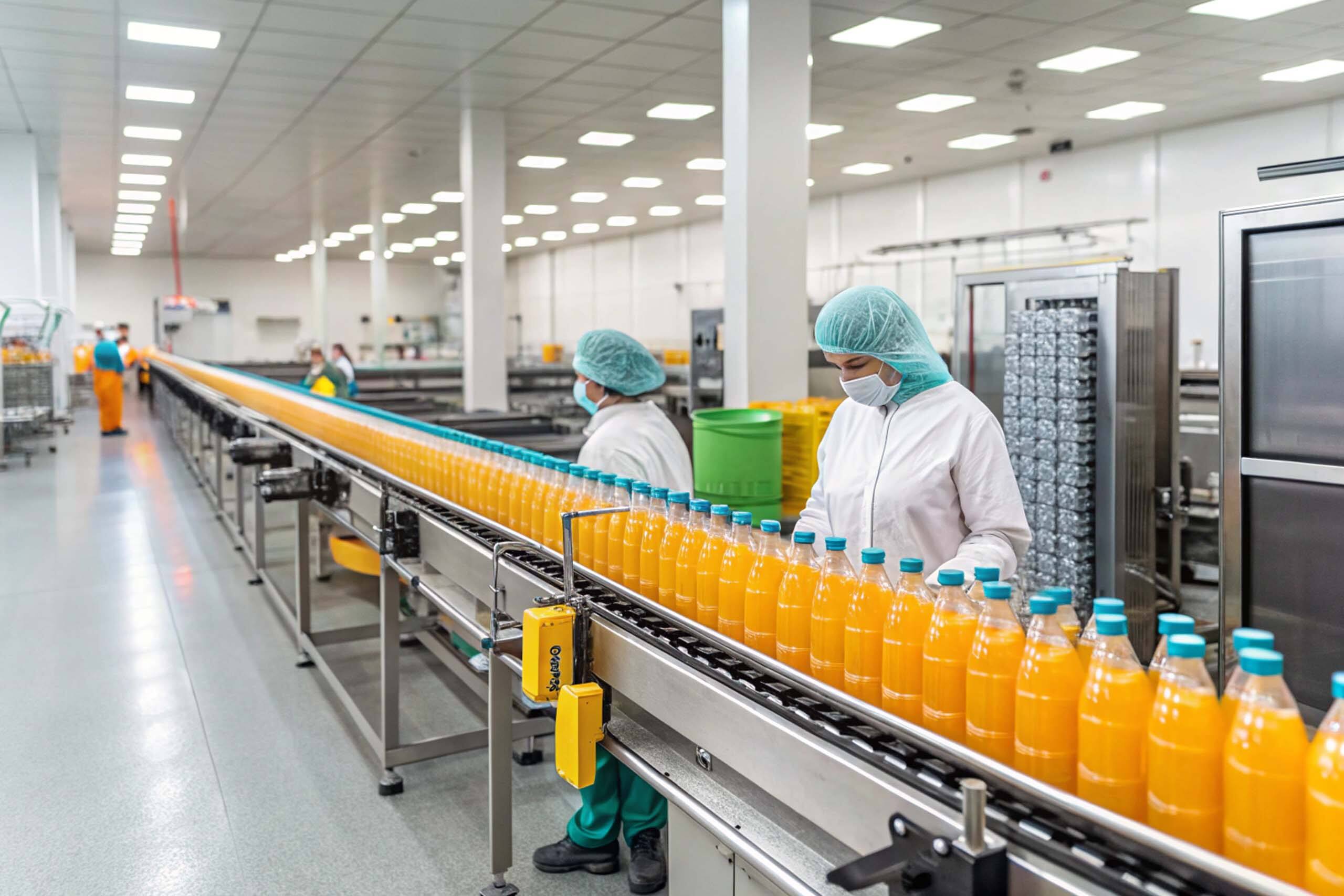
More importantly, the application prospects of wine filling lines have expanded into numerous other beverage sectors. Within alcoholic beverages, the same technology seamlessly adapts to packaging cider, mead, and spirits, requiring only minor adjustments to handle diverse bottle shapes and liquid values with precision. For non-alcoholic beverages, this system symbolizes premium quality, widely used for fresh juices, cold brew coffee, and craft sodas. Its gentle handling and precise filling technology effectively prevent oxidation and preserve flavor. It even extends to premium food applications like olive oil and vinegar, ensuring flawless packaging presentation and contamination prevention.
From an operational perspective, investing in a wine filling line delivers tangible profitability and growth potential. The line's modular design ensures exceptional scalability, allowing businesses to start with semi-automation and gradually upgrade to fully automated turnkey solutions as operations expand. Automated production also delivers significant brand consistency and quality control by eliminating human error, ensuring every bottle meets the highest standards for liquid level and appearance. Ultimately, this translates directly into substantial labor and cost savings. By reducing reliance on repetitive manual tasks, it significantly lowers long-term operational costs and enhances return on investment.

”Simple operation with an extremely low failure rate, significantly reducing our maintenance costs and product losses“

‘It has resolved the bottleneck issues on our production line, offering high speed and stable operation“
Copyright © JIANGSU EQS MACHINERY CO.,LTD