EN
EN

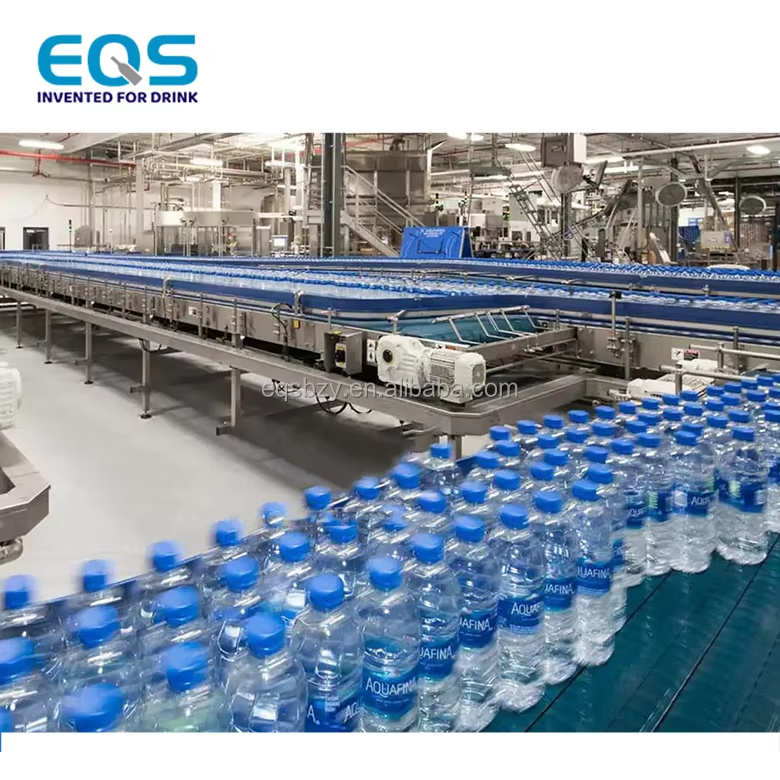
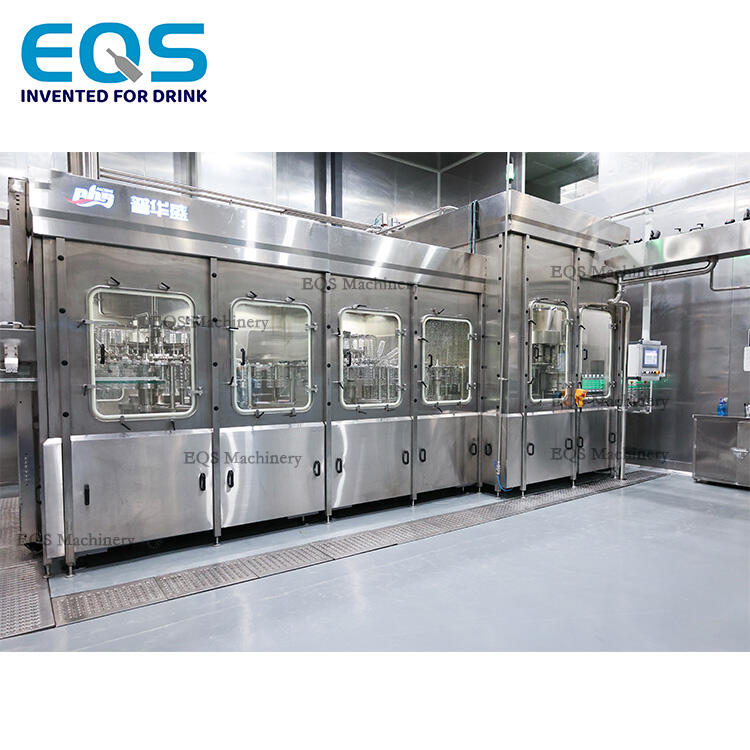
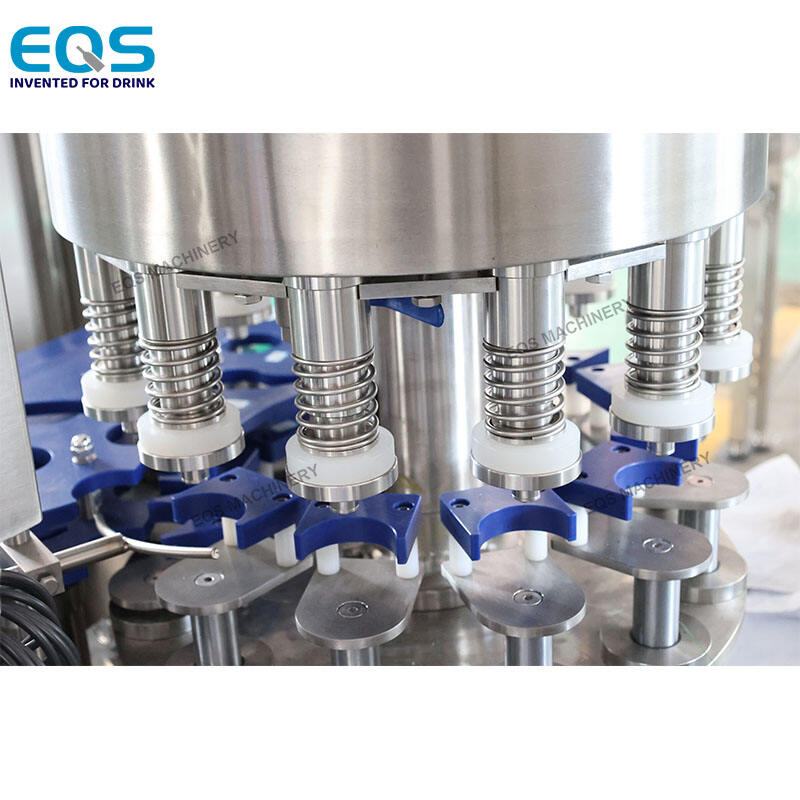
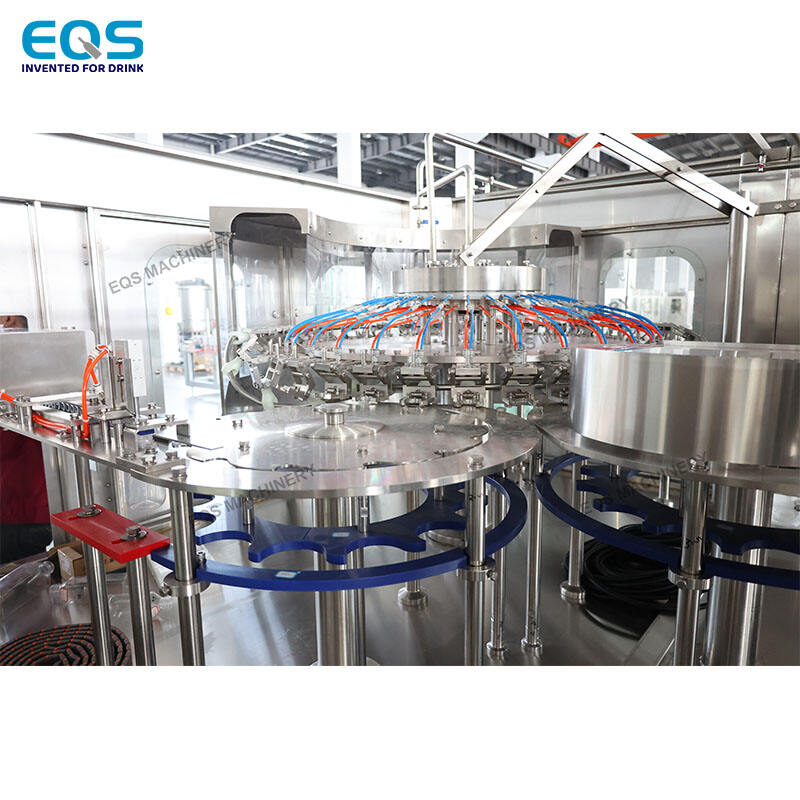
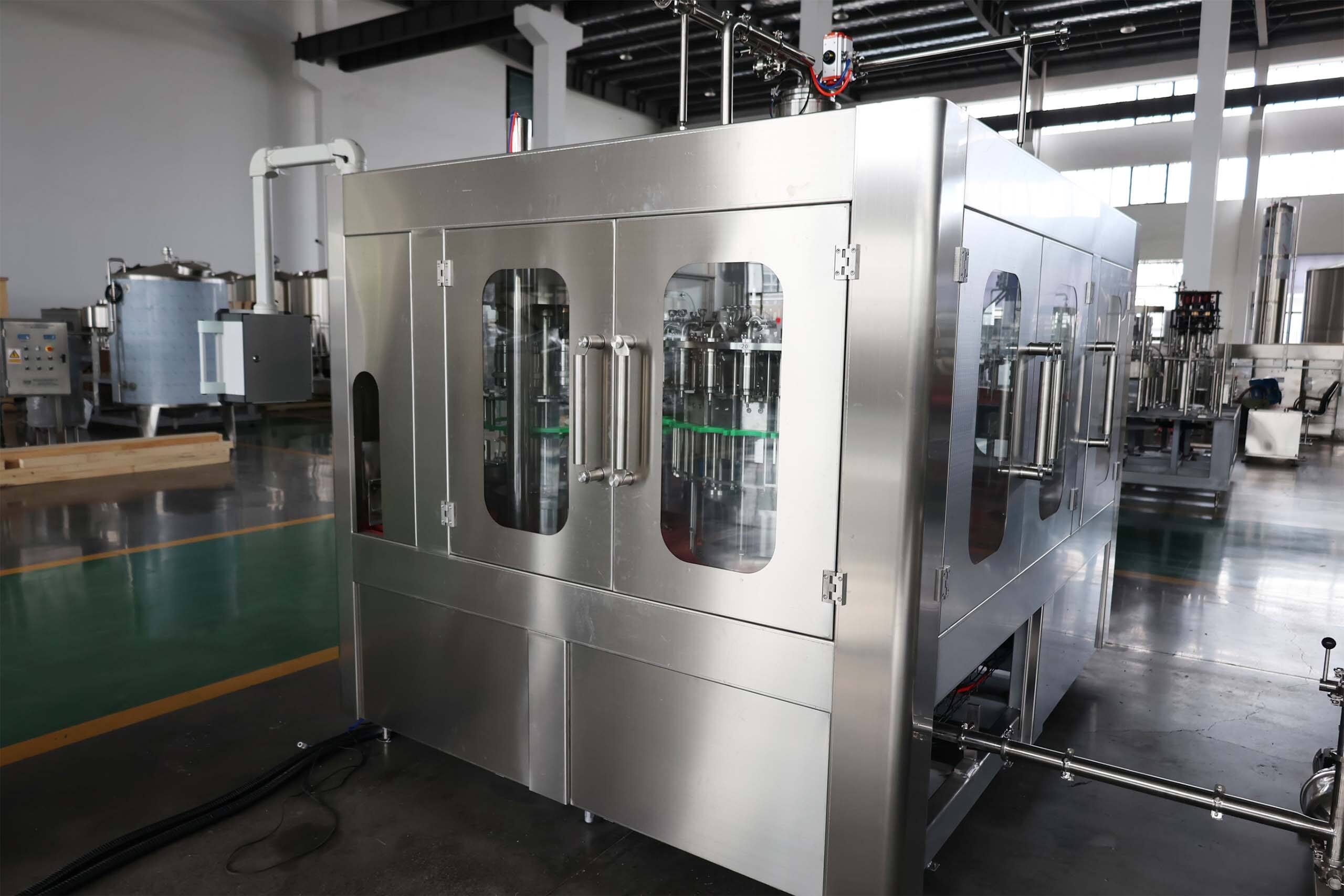
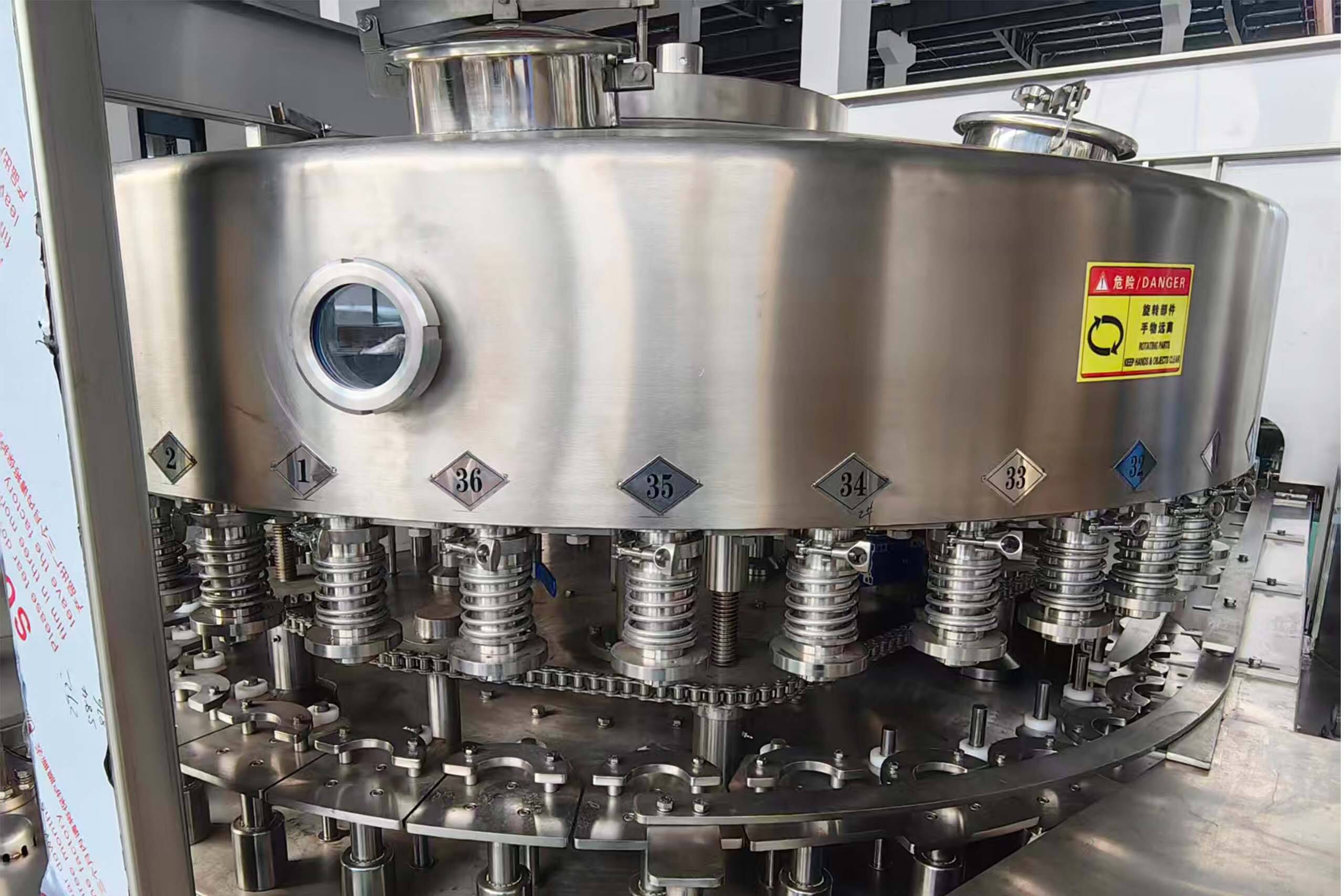
The significance of modern wine filling equipment extends far beyond simply transferring liquid into containers. It serves as a core component in safeguarding wine quality, enhancing production efficiency, and upholding brand reputation. Throughout the journey from fermentation to market release, filling represents a critical step in ensuring the final product's quality. Through advanced inert gas purging technology, residual oxygen within bottles is effectively minimized, preventing oxidation and precisely preserving the wine's flavor, aroma, and color. Automated filling systems further ensure consistent liquid levels in every bottle, guaranteeing product stability and enabling consumers to experience consistent high quality with every pour.
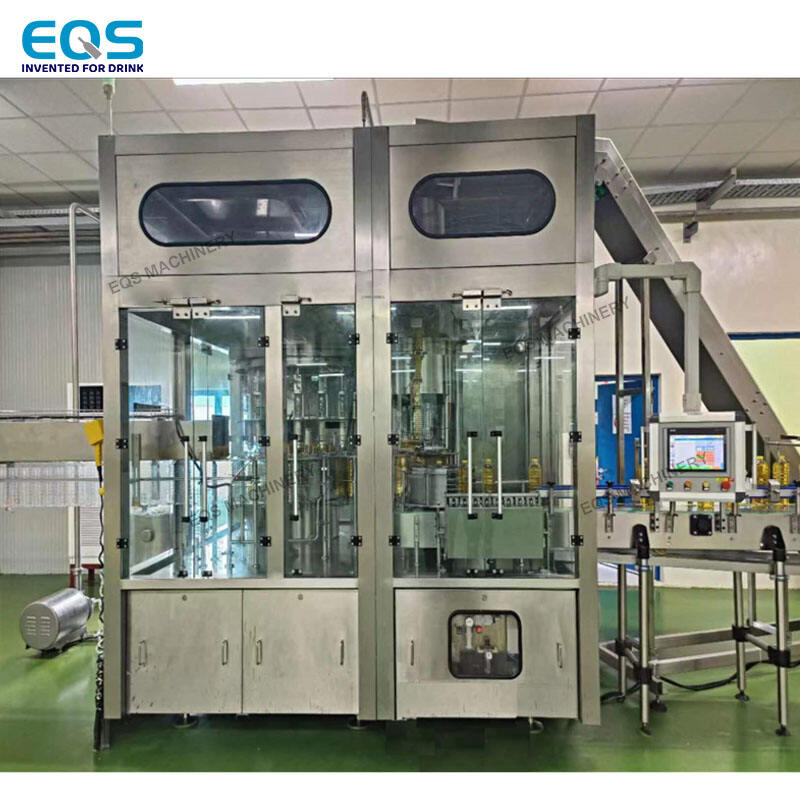
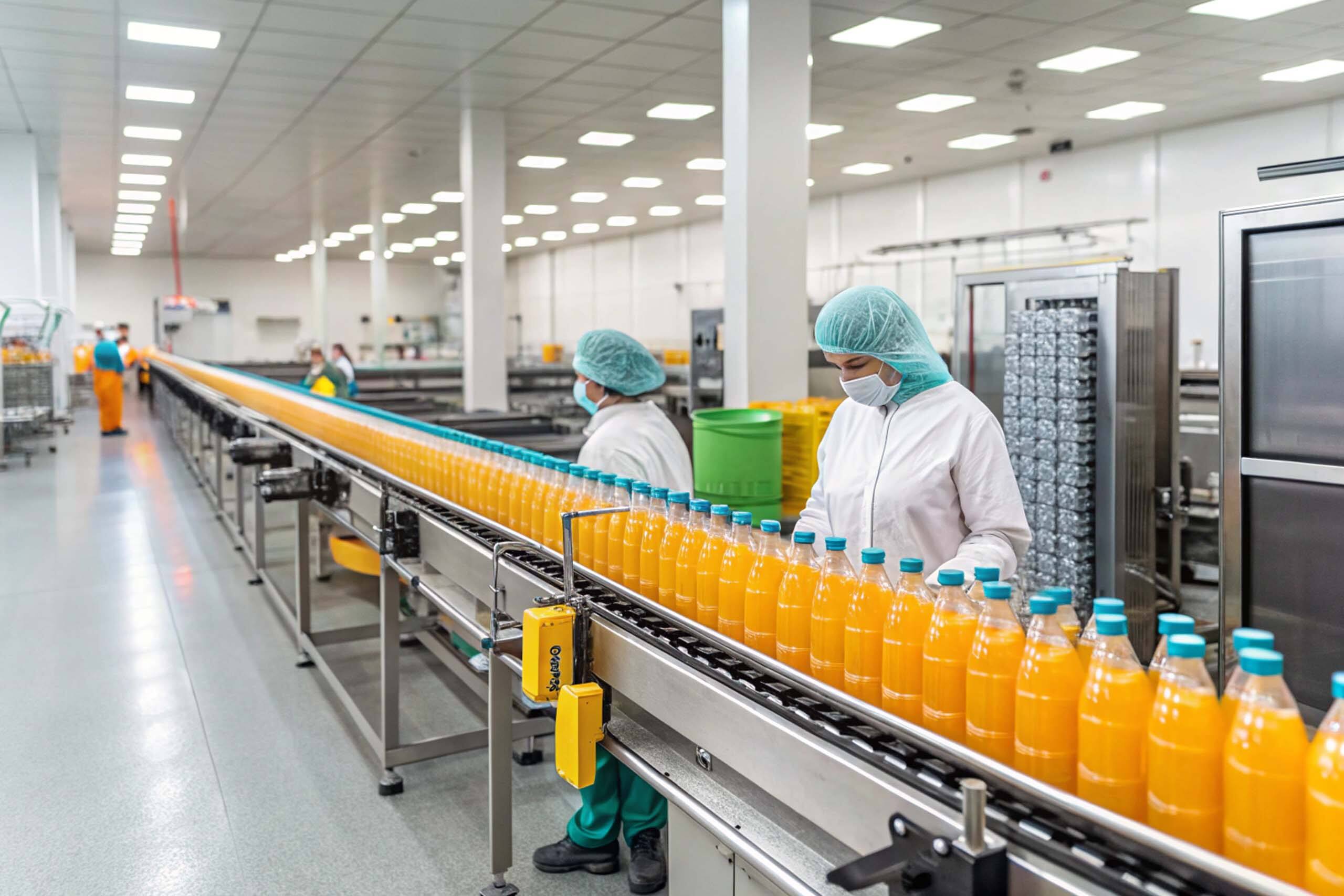
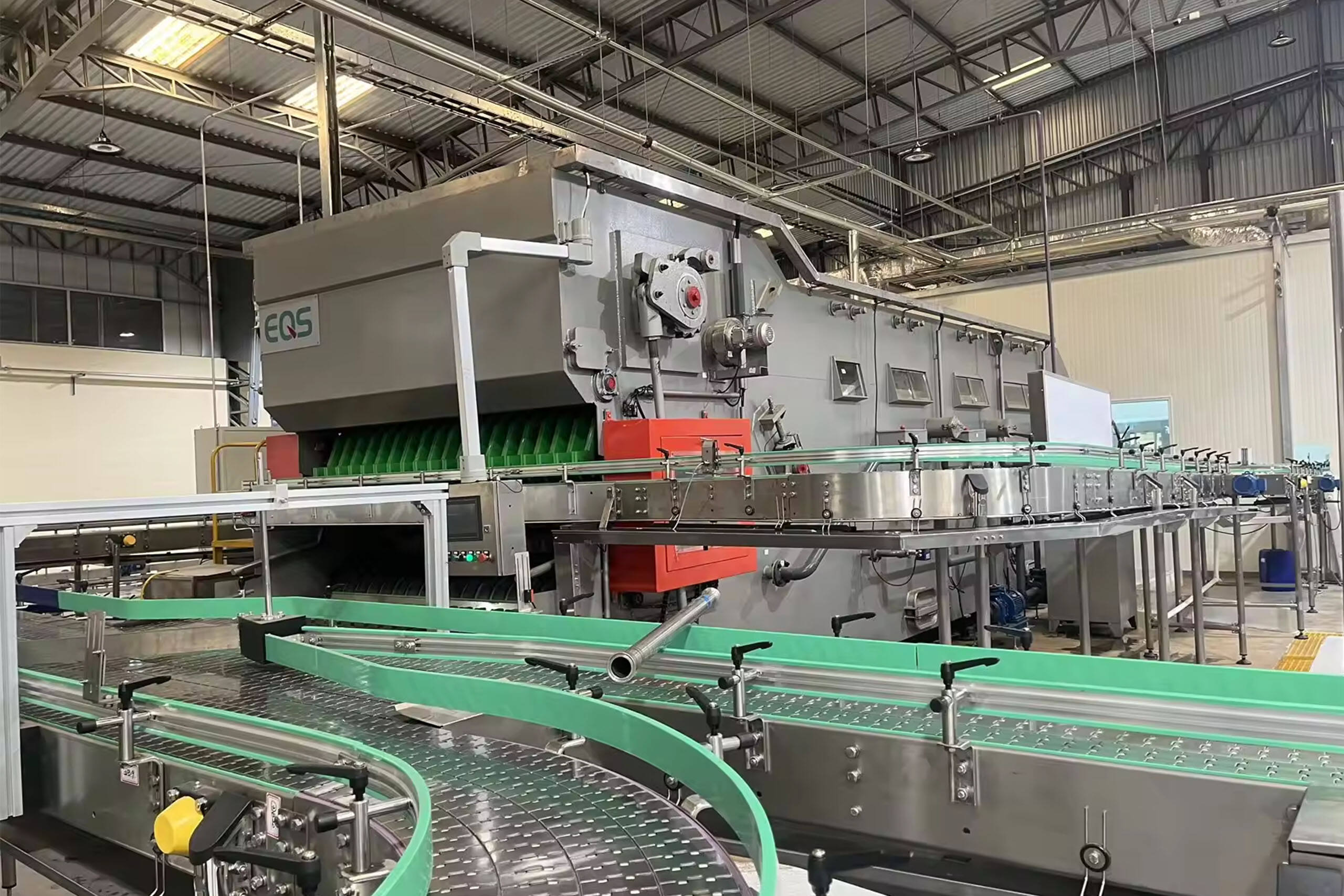
In terms of operational efficiency, modern filling equipment significantly boosts production capacity while reducing costs. A single automated filling line can process hundreds to thousands of bottles per hour, far surpassing manual speeds and enabling wineries to scale production efficiently. Automation also reduces reliance on labor, minimizing issues like mislabeled bottles, underfilled containers, or cork contamination caused by inconsistent or human error. This boosts overall productivity while controlling long-term operational costs.
Furthermore, the filling process directly impacts brand image and market competitiveness. Exquisite label application and meticulous sealing create consumers' first visual and tactile impressions of a brand. Precise labeling machines, reliable corking equipment, and capsule sealing technology collectively impart a professional, premium appearance to products, strengthening consumer confidence in quality. Thus, investing in advanced filling equipment not only optimizes production processes but also represents an investment in a brand's long-term value—a crucial safeguard for achieving sustainable growth for wineries.

”Simple operation with an extremely low failure rate, significantly reducing our maintenance costs and product losses“

‘It has resolved the bottleneck issues on our production line, offering high speed and stable operation“
Copyright © JIANGSU EQS MACHINERY CO.,LTD