 EN
EN


I often see buyers focus on the first quotation. That is natural. But a cheap line can become expensive very fast when it breaks, stops, or wastes product.
Quality matters more than price because a good beverage production line gives stable output, lower downtime, better hygiene, longer service life, and lower total cost over time.
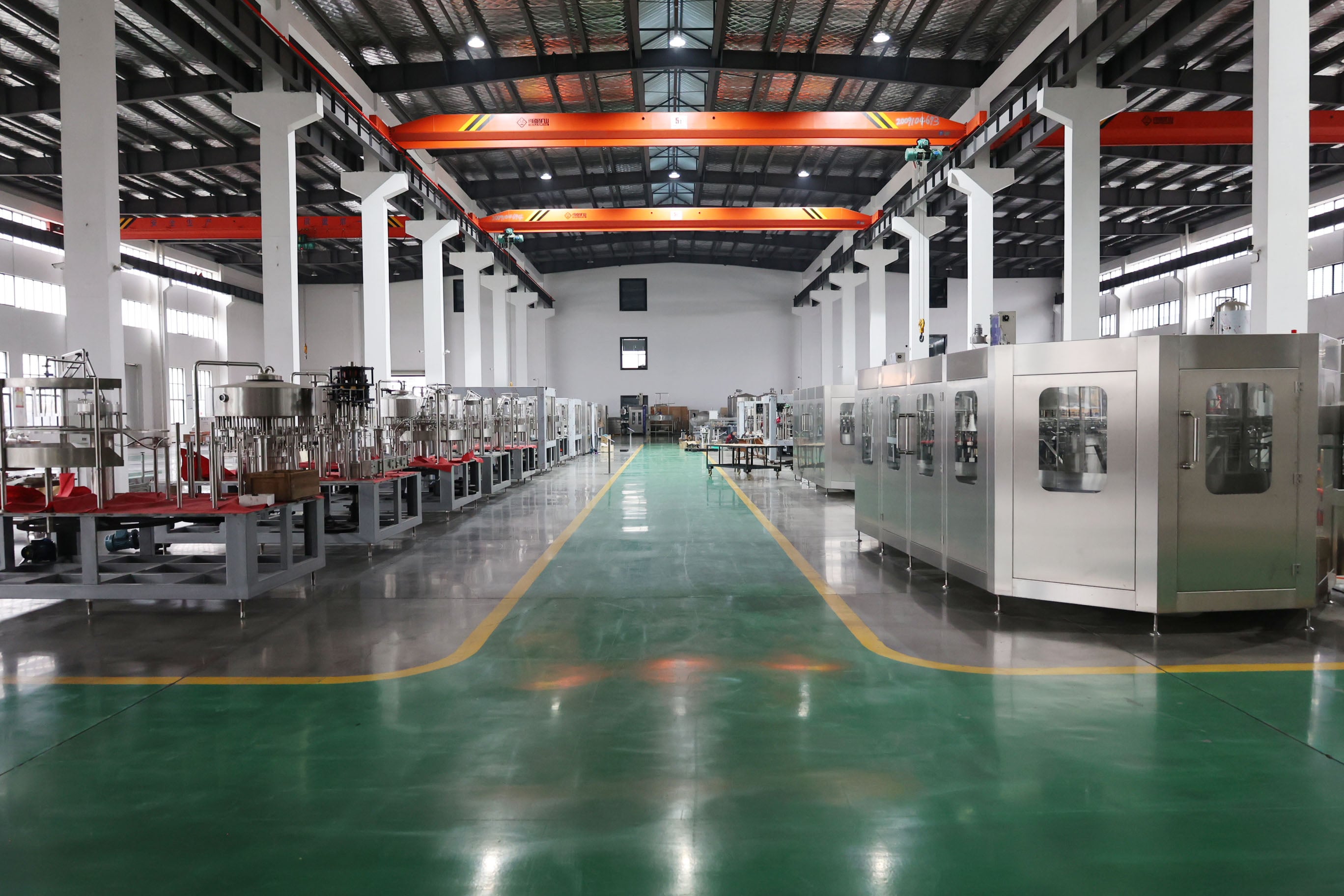
I know many buyers compare numbers first. I also know budget matters. But if I only look at the purchase price, I may miss the real cost that comes later in daily operation.
I understand why many buyers start with price. A lower quotation looks safer at the beginning, especially for a new project or a tight budget.
Many factory owners want to launch fast and keep the first investment low.
Some buyers do not calculate downtime, repair, labor, and waste.
When local beverage markets are crowded, buyers want to reduce spending as much as possible.
| Buyer Reason | What They Think | What Often Happens |
|---|---|---|
| Low initial budget | Save cash first | Higher long-term spending |
| Fast project launch | Start production quickly | More risk of rework |
| Price comparison habit | Choose the cheapest offer | Lower line stability |
| Limited technical knowledge | Focus on quotation only | Miss important quality details |
I do not treat quality as one single thing. I see it as a full system that affects the whole line.
A stable line runs longer and stops less.
Good machines help keep the drink clean and safe.
Each unit should work well with the next unit.
A strong line should last for years, not months.
| Quality Area | What I Expect | Business Result |
|---|---|---|
| Stability | Smooth operation | Less downtime |
| Hygiene | Clean product contact parts | Better product safety |
| Matching | Good system integration | Better production flow |
| Durability | Long service life | Lower replacement cost |
I have seen this many times. A low-cost machine can look good on paper. But when it enters real production, it starts to show weak points.
Cheap parts and weak assembly often cause frequent failure.
Every stop reduces daily production and hurts delivery plans.
Small problems keep coming back, so the service cost rises.
Poor filling accuracy or sealing quality can create waste.
| Hidden Cost | Low-Price Equipment Risk | Long-Term Result |
|---|---|---|
| Breakdown | Frequent failure | More downtime |
| Repair | Repeated service calls | Higher maintenance cost |
| Waste | Product loss | Lower profit |
| Delay | Missed production schedule | Lost sales chance |
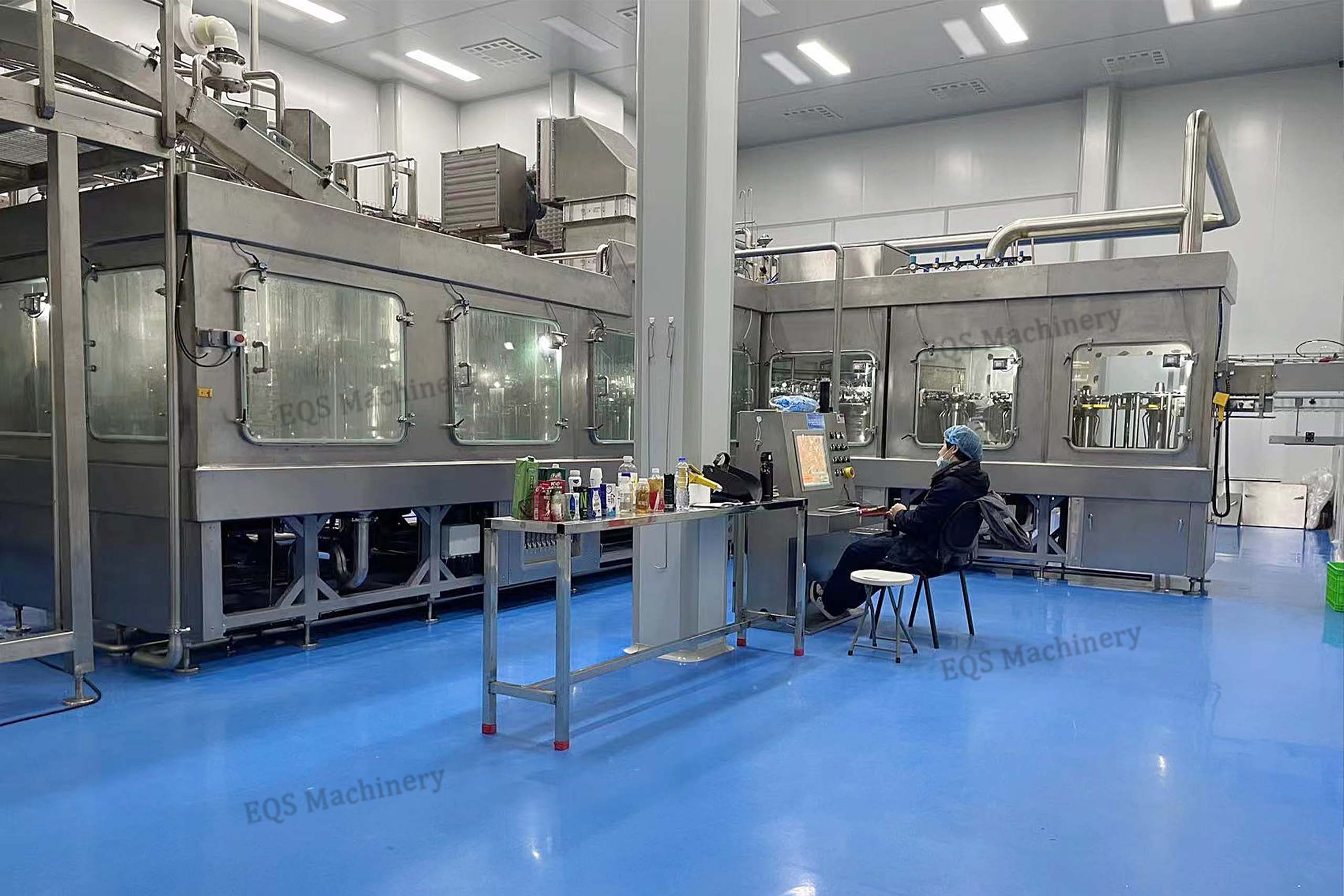
Daily production is where the real value shows up. I care less about the brochure and more about how the line performs every day.
A good line keeps the planned output without large fluctuation.
Operators should be able to learn the system fast.
The final product must look good and stay safe.
A better line needs fewer manual corrections.
| Daily Factor | High-Quality Line | Low-Quality Line |
|---|---|---|
| Output stability | More consistent | More unstable |
| Operation | Easier to run | Harder to control |
| Product appearance | Better finish | More defects |
| Labor demand | Lower effort | Higher effort |
I always tell buyers to look beyond the purchase price. The real cost of ownership is more important.
A machine with poor design may waste power and air.
Frequent repair becomes a real burden.
A difficult line needs more people and more supervision.
Stopped production often costs more than the machine itself.
| Cost Item | What It Includes | Why It Matters |
|---|---|---|
| Purchase price | First payment | Only one part of cost |
| Energy use | Electricity, air, water | Affects monthly bills |
| Maintenance | Parts and service | Affects long-term budget |
| Downtime | Lost production time | Affects revenue directly |
I prefer to help buyers think like operators, not just like purchasers. A machine is not valuable because it is cheap. It is valuable because it helps the plant make money day after day. If the line runs well, the plant can sell more products, keep better quality, and reduce stress on the team. If the line breaks often, the factory may save money at purchase time but lose much more later. That is why I always ask buyers to compare long-term use, not only initial quotation. This is the most practical way to judge a project.
A beverage company does not sell only liquid. It also sells trust. The machine quality affects the product image more than many people expect.
Good filling and capping help the final pack look clean and professional.
Customers like products that taste and look the same every time.
If a brand has leaks, wrong fill levels, or dirty packs, buyers lose confidence.
| Brand Factor | Quality Impact | Market Result |
|---|---|---|
| Package look | Better line control | Stronger shelf appeal |
| Product consistency | Stable filling | Better repeat sales |
| Consumer trust | Fewer defects | Better brand image |
I think a smart buyer should ask better questions. Price is still important, but it should not be the only filter.
I look at motors, pumps, valves, sensors, and control systems.
I pay attention to stainless steel grade and food-contact parts.
I want to know how fast the supplier can help after delivery.
I trust suppliers who have real project cases in the same industry.
| Check Point | What I Ask | Why It Helps |
|---|---|---|
| Core parts | Brand and quality | Better stability |
| Material | Food-grade standard | Better hygiene |
| Service | Response time | Less downtime |
| Project history | Similar line cases | Lower project risk |
I know most buyers cannot buy the most expensive line. I also know they should not buy the weakest one. So I try to balance the two.
I match the machine level to the actual output target.
I do not overbuild, and I also do not underbuild.
I put money where it matters most, like filling accuracy and line stability.
I leave room for expansion when the market grows.
| Budget Strategy | My Approach | Benefit |
|---|---|---|
| Need-based design | Match capacity to demand | Avoid waste |
| Smart automation | Use the right level | Better ROI |
| Key-part focus | Spend on core systems | Better performance |
| Future planning | Keep upgrade space | Easier growth |
I see beverage production lines as business tools, not just machines. A good tool helps the factory earn money. A weak tool creates pressure every day.
Stable equipment helps the buyer protect output and margin.
Better machines reduce surprise problems.
A quality line is easier to expand and improve later.
| Long-Term Benefit | Quality Equipment | Low-Cost Equipment |
|---|---|---|
| Profit stability | Stronger | Weaker |
| Operational risk | Lower | Higher |
| Growth path | Easier | Harder |
Quality always gives more value than price alone in beverage line investment. I believe the best choice is the one that supports stable production, long-term savings, and real business growth.
My name is Allen, and I'm an expert in filling machine technology at EQS, a leading liquid packaging solution provider based in China. If you're looking for top-quality equipment for your production line, feel free to reach out to me at [email protected]. We specialize in providing customizable solutions with cutting-edge technology.
Copyright © JIANGSU EQS MACHINERY CO.,LTD