 EN
EN


I have seen many overseas beverage plant projects look simple at the start and become hard later. The real problem is not the machine. The real problem is the gap between design, delivery, and local operation.
To support overseas beverage plant projects successfully, I focus on pre-sales planning, custom engineering, cross-border execution, standard commissioning, after-sales service, and long-term compliance support. I also control risks at every stage so the plant can run well after installation.
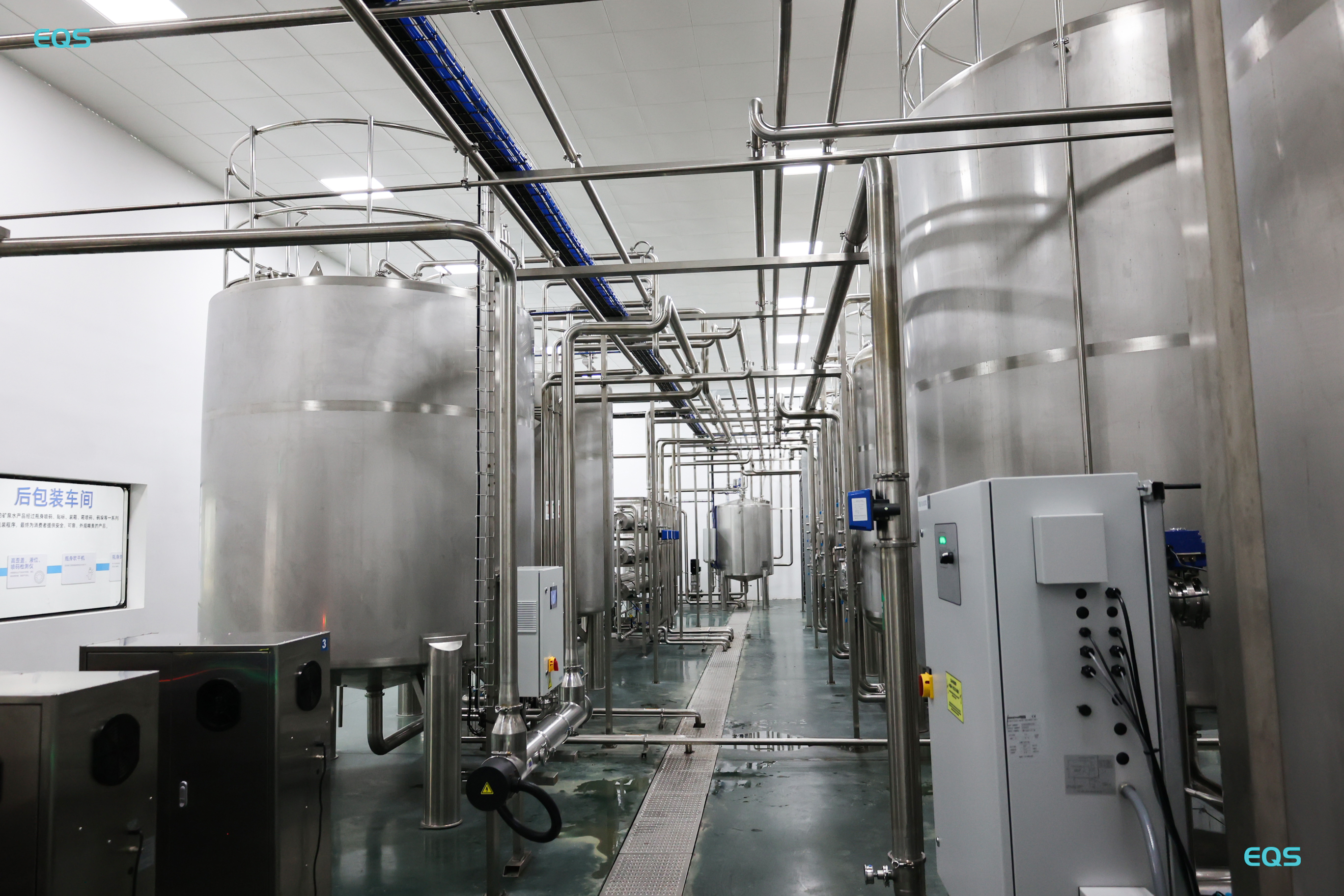
I think overseas projects need more than equipment supply. They need a full support system. If I miss one link, the whole project can face delay, cost loss, or poor performance after startup.
I always begin with pre-sales planning. This step tells me if the project idea is realistic and what kind of support the buyer really needs.
I need to know the product type, target price, bottle style, and daily demand in the local market.
I look at local food safety rules, import rules, electrical standards, and factory site rules.
I make sure the buyer and I agree on output, product type, plant size, and level of automation.
| Pre-Sales Item | What I Check | Why It Matters |
|---|---|---|
| Market demand | Product type and sales volume | Confirms project direction |
| Local rules | Food, import, and site rules | Avoids later problems |
| Output target | BPH and shift plan | Helps design the line |
| Budget range | Total investment level | Matches the solution to the buyer |
I do not believe one machine layout fits every country. Each overseas plant has its own conditions. The building, climate, power system, labor skill, and product plan all matter.
I study the factory building and then design the production flow around it.
Water, juice, carbonated drinks, and dairy drinks all need different systems.
I keep in mind operator habits, spare part access, and maintenance ease.
| Engineering Point | What I Customize | Result |
|---|---|---|
| Plant layout | Machine position and flow | Better space use |
| Product system | Filling and process design | Better product fit |
| Utility system | Power, air, water, steam | Stable operation |
| Operation style | Local labor and training level | Easier daily use |
Cross-border execution is where many projects get delayed. I always try to make this part very clear and very simple.
I prepare packing lists, drawings, manuals, shipping files, and customs papers before shipment.
I make sure the equipment arrives when the site is ready.
I use clear meeting times, photos, videos, and progress reports so the buyer always knows the status.
| Execution Step | My Focus | Main Risk Reduced |
|---|---|---|
| Document preparation | Customs and shipping files | Delay at port |
| Shipping control | Right packing and transport | Equipment damage |
| Site coordination | Installation timing | Idle machines |
| Progress updates | Weekly communication | Project confusion |
I think commissioning is the point where the project becomes real. A good machine without good commissioning can still fail in production.
I test the equipment step by step instead of rushing to full speed.
I teach operators how to run, clean, and check the line.
I keep output data, failure notes, and adjustment records so the buyer can use them later.
| Commissioning Task | What I Do | Why It Helps |
|---|---|---|
| Single machine test | Check one unit first | Find basic issues early |
| Line test | Run the full line | Confirm line matching |
| Operator training | Teach local staff | Better daily operation |
| Performance check | Measure output and stability | Clear acceptance result |
I have learned that speed at startup can create long-term trouble. If I skip small checks, the buyer may face repeated failures later. If I spend enough time on debugging, cleaning, and operator training, the plant can start with more confidence. This is especially true in overseas projects because the local team may not know the equipment well at first. I want them to leave commissioning with real skills, not just notes on paper. That is how I help the plant run smoothly after I leave.
After-sales service is not a small extra. It is part of the project from day one.
If the line has a fault, I help the buyer check it fast by video, phone, or remote system access.
I keep key parts available so the buyer does not wait too long.
I guide the buyer on cleaning, inspection, lubrication, and part replacement.
I follow the project after handover and help solve early problems.
| After-Sales Service | My Action | Buyer Benefit |
|---|---|---|
| Remote support | Fast troubleshooting | Less downtime |
| Spare parts | Quick shipment | Faster recovery |
| Maintenance guide | Clear routine support | Better machine life |
| Follow-up service | Regular communication | More stable production |
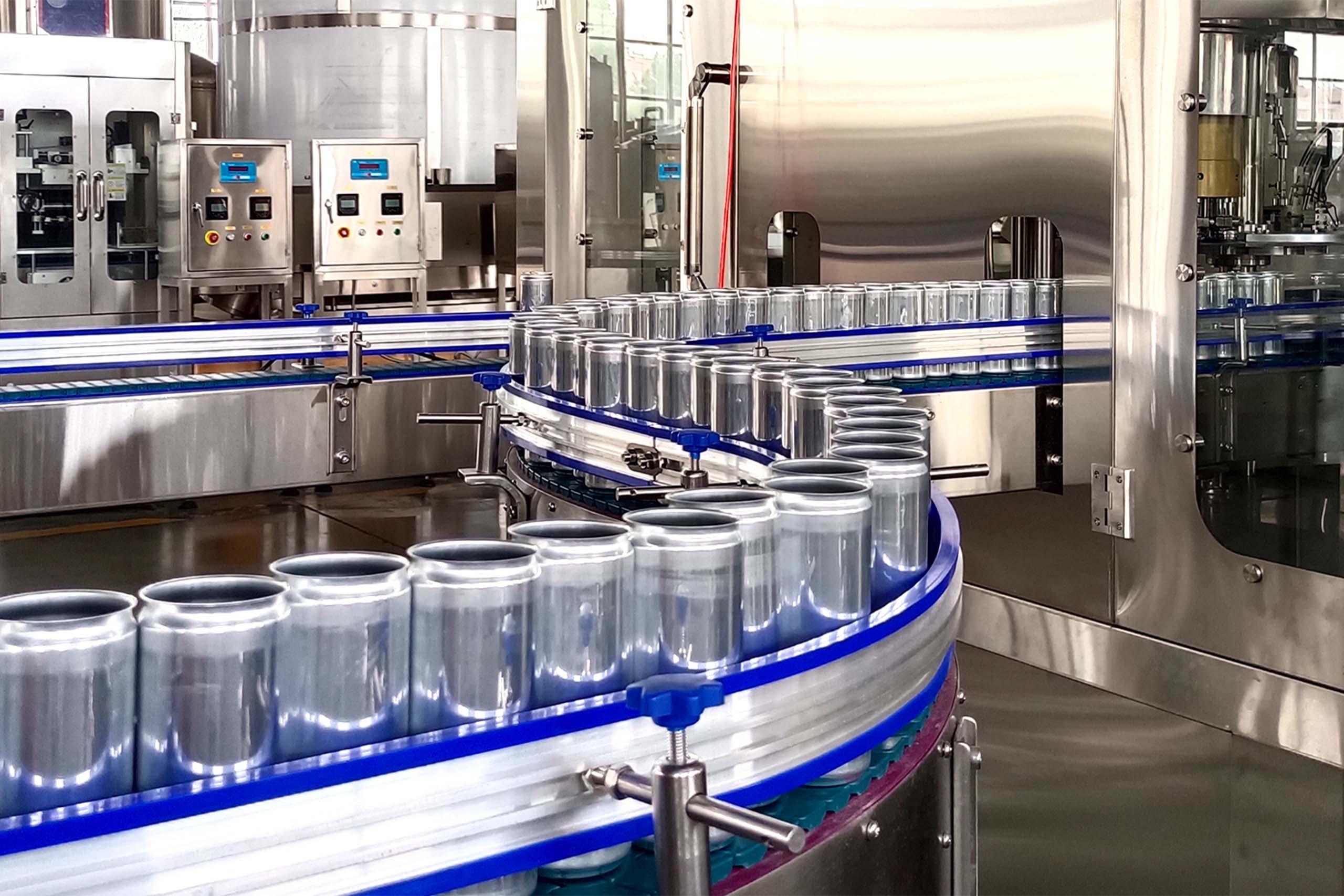
I think real project success is not only the first launch. It is also the next three years, five years, and beyond.
When the buyer wants a new bottle or new product, I help them adjust the line.
If local standards change, I help the buyer review the machine and process.
When demand grows, I help expand capacity or add new modules.
| Long-Term Support Area | What I Do | Why It Matters |
|---|---|---|
| Product change support | Adapt the line for new drinks | Keeps the plant competitive |
| Compliance support | Review rules and standards | Avoids legal problems |
| Capacity upgrade | Add more speed or units | Supports business growth |
| Technical review | Check wear and stability | Maintains output quality |
Overseas projects always have risk. I do not try to ignore that. I try to manage it early.
I reduce this risk by checking packing, shipping, and schedule control.
I reduce this risk by giving clear drawings, photos, and site instructions.
I reduce this risk by training the local team well.
I reduce this risk by checking local regulations before the project starts.
| Risk Type | My Prevention Method | Result |
|---|---|---|
| Delivery risk | Good logistics planning | On-time arrival |
| Installation risk | Clear site guidance | Faster setup |
| Operation risk | Strong training | Fewer mistakes |
| Compliance risk | Early rule check | Lower legal risk |
I think many project problems come from bad communication, not bad machines.
I avoid vague promises. I speak in clear steps and clear numbers.
This helps reduce confusion and repeated questions.
Photos, videos, meeting notes, and checklists help everyone stay aligned.
| Communication Tool | How I Use It | Value |
|---|---|---|
| Weekly meeting | Review progress | Keeps work on track |
| Photo update | Show real site status | Reduces misunderstanding |
| Video call | Check problems live | Faster decisions |
| Checklist | Track each task | Better control |
A plant project crosses borders, time zones, and work habits. If I do not communicate clearly, even a small issue can become a big delay. I want the buyer to know what I need from them, and I want to know what they expect from me. This is the only way I can keep the project moving in the right direction. I have found that simple, direct communication works best. It saves time and it also builds trust. Trust matters a lot in overseas equipment projects because the buyer depends on me from the first drawing to the final startup.
I build trust by staying responsible at every stage.
If a project idea is too risky or too expensive, I say so early.
I use past project examples to prove that I can handle the work.
I do not disappear after shipment. I stay involved until the line runs well.
| Trust Factor | My Behavior | Buyer Result |
|---|---|---|
| Honesty | Clear advice | Better decisions |
| Proof | Real project cases | More confidence |
| Follow-through | Continued support | Stronger partnership |
Successful overseas beverage plant support needs planning, engineering, execution, commissioning, and long-term service. I focus on the full process so the plant can run safely and grow well.
My name is Allen, and I'm an expert in filling machine technology at EQS, a leading liquid packaging solution provider based in China. If you're looking for top-quality equipment for your production line, feel free to reach out to me at [email protected]. We specialize in providing customizable solutions with cutting-edge technology.
Copyright © JIANGSU EQS MACHINERY CO.,LTD