 EN
EN


I often see buyers worry that one machine will be too fast or too slow. That fear is real, because a bad speed match can stop the whole line.
The bottle blowing machine and the labeling machine usually match the filling machine speed, while the back-end packaging speed is often a little faster. The whole line speed is based on the filling machine.
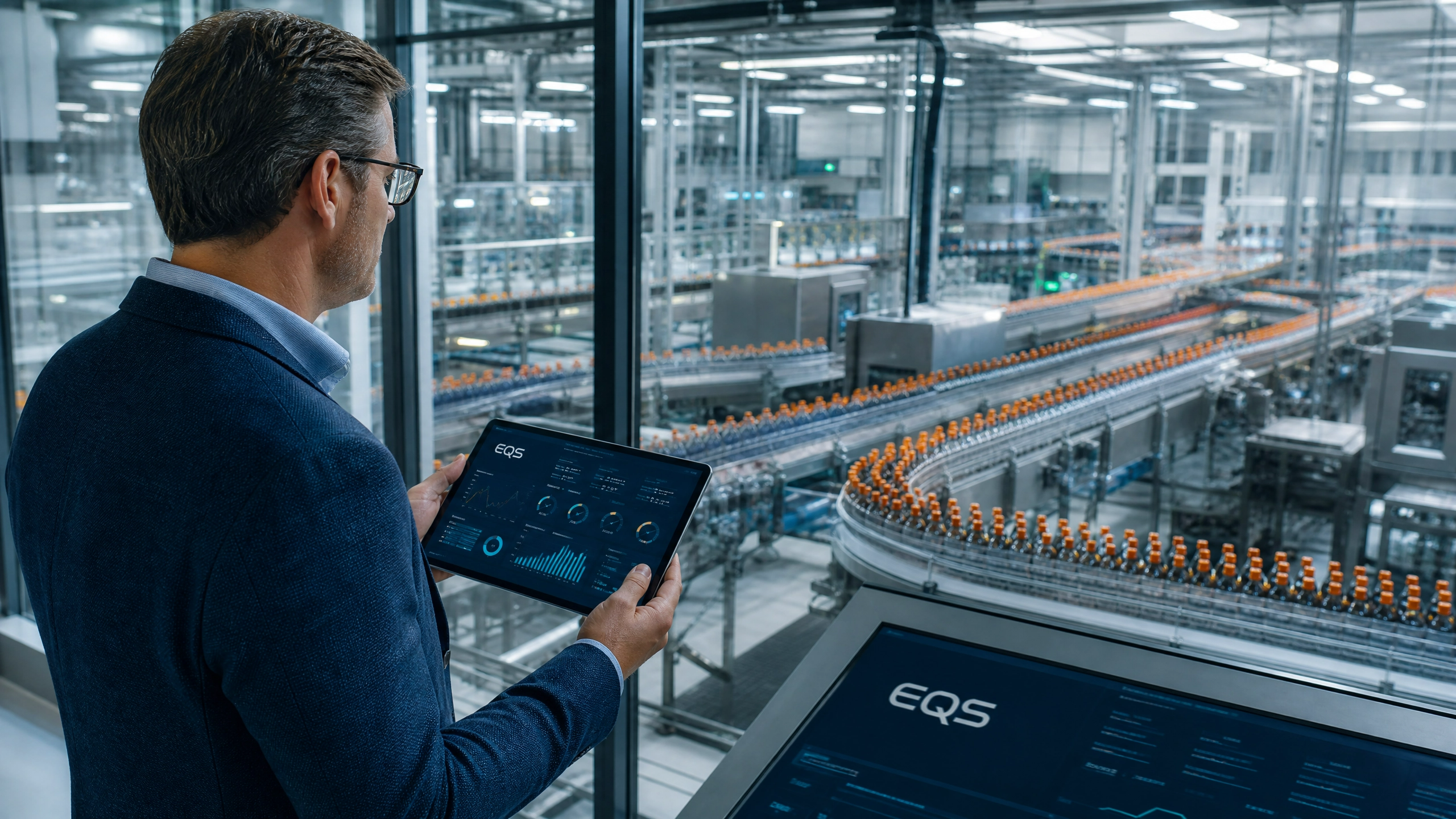
I know a line looks simple from far away. But when I design it, I always treat speed balance as the core point. If one unit cannot follow the main speed, the whole project will suffer.
I always say that a beverage line is only as strong as its slowest machine. If the speed is not matched well, the line loses value fast.
When one machine is slower, the whole line must wait.
A smooth flow helps the factory keep stable output.
Wrong speed balance can increase wear and shutdowns.
| Speed Problem | What Happens | Result |
|---|---|---|
| Machine too slow | Bottleneck forms | Lower output |
| Machine too fast | Product backup | Higher risk of fault |
| Poor line match | Frequent stops | More labor and cost |
I always use the filling machine as the main reference point. This is because the filler is the center of the production flow.
Every bottle must pass through filling at a stable pace.
Bottle blowing and labeling should support the filling pace.
The back end should clear products without delay.
| Line Section | Speed Role | Reason |
|---|---|---|
| Bottle blowing | Matches filler | Keeps bottle supply stable |
| Filling | Sets main speed | Core production point |
| Labeling | Matches filler | Keeps pack appearance stable |
| Packaging | Slightly faster | Prevents product pile-up |
I usually match the bottle blowing machine speed to the filling machine speed. This keeps empty bottles ready when the filler needs them.
The filling machine should never wait for bottles.
Too much bottle output can create waste and space problems.
A steady rhythm helps every machine work better.
| Bottle Blowing Setting | What I Recommend | Why |
|---|---|---|
| Too slow | Not recommended | Causes filler shortage |
| Match filler | Best choice | Keeps supply stable |
| Too fast | Only with buffer control | May create bottle pile-up |
I also usually match labeling speed to filling speed. A label machine that is too slow will delay the line, and one that is too fast may create timing problems.
Labels must be placed cleanly and accurately.
Bottles should move from filler to labeler without delay.
Good labeling speed helps keep a neat finished product.
| Labeling Factor | Matching Speed | Mismatch Risk |
|---|---|---|
| Bottle movement | Smooth | Jam or delay |
| Label position | Accurate | Higher error |
| Line output | Stable | Unstable |
I prefer the back-end packaging machine to be a little faster than the filling machine. This gives the line more room to breathe.
A slightly faster packaging unit can clear bottles before they pile up.
The back end should always stay ready.
If the packaging side is too slow, the whole line may stop.
| Back-End Unit | Speed Level | Purpose |
|---|---|---|
| Film wrapping | Slightly faster | Clears finished packs |
| Carton packing | Slightly faster | Keeps output moving |
| Palletizing | Slightly faster or buffered | Supports clean transfer |
I have seen many cases where buyers try to mix machines with different speeds without a full line plan. The result is usually trouble.
The fastest machine must wait for the slowest one.
Bottles can fall, jam, or get damaged.
Workers must fix timing issues again and again.
| Mismatch Type | Main Problem | Business Impact |
|---|---|---|
| Blower too slow | Empty bottle shortage | Filler idle time |
| Filler too slow | Queue forms before filler | Lower throughput |
| Labeler too slow | Pack delay | Line backup |
| Packaging too slow | Finished product pile-up | Full-line stop |
I always start from the target filling capacity. Then I adjust the other machines around it.
This is the real line baseline.
Different bottle sizes and drinks need different speed control.
The packaging side should stay a bit ahead.
| Step | What I Do | Result |
|---|---|---|
| 1 | Set filling speed | Main line target |
| 2 | Match blowing speed | Stable bottle supply |
| 3 | Match labeling speed | Smooth bottle flow |
| 4 | Set packaging slightly faster | Better line release |
If I design a line, I do not ask, “Which machine is the fastest?” I ask, “Which machine defines the real output?” In most beverage projects, the answer is the filling machine. That is why I let the filler set the pace, then I make the bottle blowing and labeling units follow that pace. For the back end, I give a little extra speed. This is a simple rule, but it helps a lot. It keeps the line balanced. It also helps the plant avoid sudden stops and waste. This rule works especially well for buyers who want stable operation and easy daily management.
I always tell buyers to ask practical questions before they make a decision.
The supplier should confirm the real working speed, not only the theoretical speed.
Different packaging styles affect line balance.
The line should have room for expansion if the business grows.
| Buyer Question | Why It Matters |
|---|---|
| What is the real filling speed? | It sets the whole line |
| Can the blower and labeler match it? | It avoids bottlenecks |
| Is the packaging unit faster? | It helps keep flow smooth |
| Can the line expand later? | It supports future business |

I usually start with the project goal. Then I match each machine based on the filler speed and the production layout.
A simple line is easier to run and maintain.
Each machine should support the main output target.
Slightly faster packaging helps the line stay smooth.
| My Design Focus | What I Do | Benefit |
|---|---|---|
| Main speed | Use filler as base | Clear production target |
| Upstream match | Align bottle blowing | Stable supply |
| Middle match | Align labeling | Clean final product |
| Downstream buffer | Make packaging faster | Better flow control |
I always match bottle blowing and labeling to filling speed, and I keep packaging slightly faster. This is the best way to protect line stability and output.
My name is Allen, and I'm an expert in filling machine technology at EQS, a leading liquid packaging solution provider based in China. If you're looking for top-quality equipment for your production line, feel free to reach out to me at [email protected]. We specialize in providing customizable solutions with cutting-edge technology.
Copyright © JIANGSU EQS MACHINERY CO.,LTD