 EN
EN


When I work with carbonated beverage buyers, I often see the same problem. They want fast filling, but they also want to protect gas, reduce foam, and keep every bottle consistent.
Isobaric filling is a filling method for carbonated drinks that balances bottle pressure with tank pressure before filling. This keeps CO₂ inside the drink, reduces foaming, lowers waste, and supports stable high-speed production
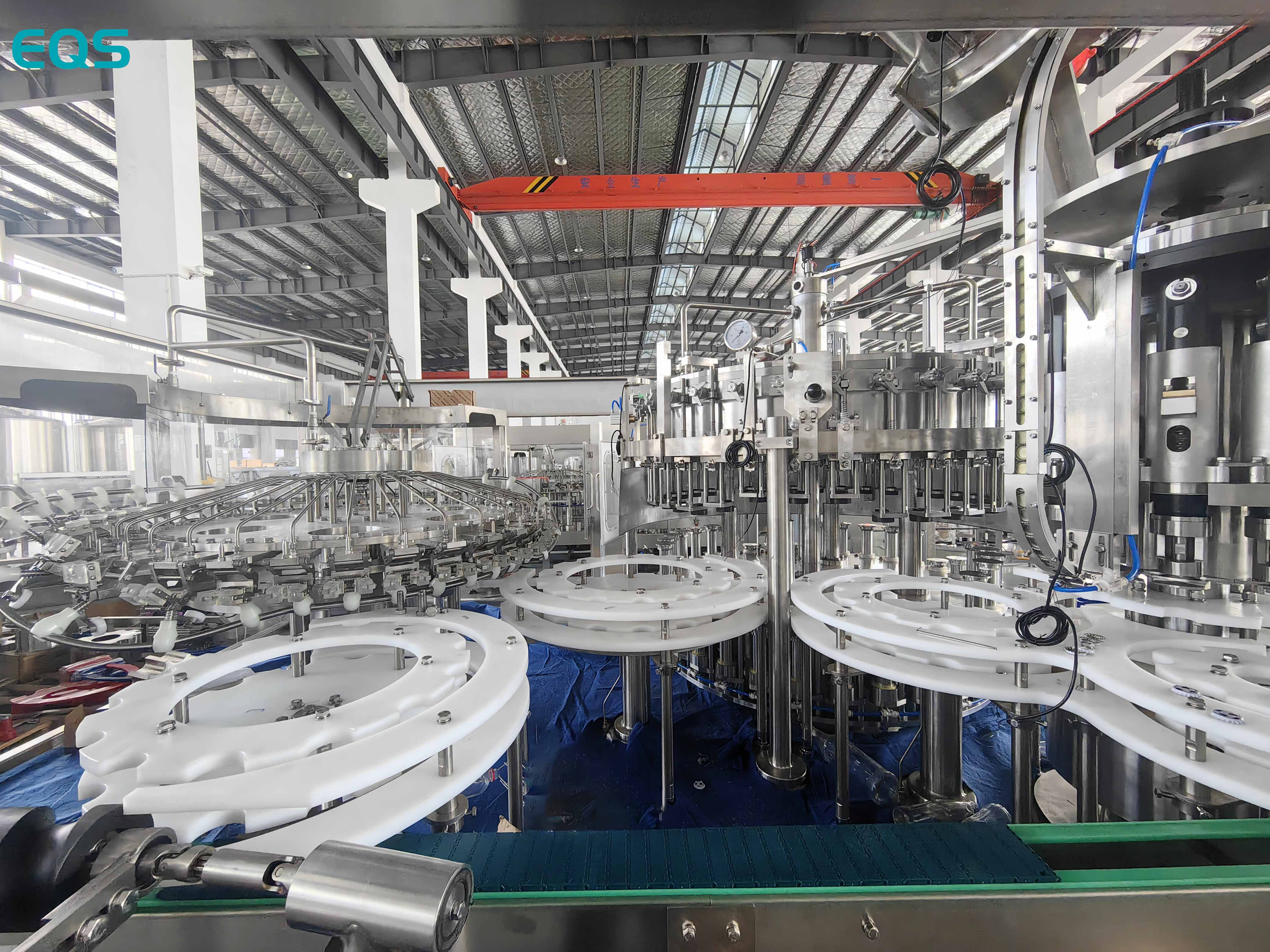
I like this topic because many buyers think bottling is only about speed. It is not. For carbonated drinks, pressure control is the real secret. If pressure control is weak, the drink loses gas, the bottle foams, and the line becomes unstable.
I always explain to customers that carbonated drinks are not the same as still water. They carry dissolved gas, and that gas reacts fast when pressure changes.
If the pressure drops too fast, CO₂ comes out of the liquid too quickly. That causes foam and overflow. Isobaric filling helps keep the gas inside the drink for a longer time.
A carbonated drink line needs exact control. When the pressure is balanced, the liquid flows more smoothly into the bottle. This makes the filling volume more stable from bottle to bottle.
Foam overflow is not only messy. It also wastes product. I always tell buyers that waste costs money every day. A stable filling method helps protect profit.
| Problem Without Isobaric Filling | Result | Business Impact |
|---|---|---|
| Fast pressure drop | CO₂ escapes fast | Foam and overflow |
| Unstable flow | Uneven filling | Product inconsistency |
| Excess foam loss | Product waste | Higher cost |
I find that the easiest way to understand this system is to break it into simple steps. The idea is very logical once the pressure path becomes clear.
Before filling starts, the bottle is charged with gas pressure. This pressure is made equal to the pressure in the liquid storage tank. I call this the balance point.
After the pressure is equal, the liquid can flow into the bottle more smoothly. Gravity helps the liquid move, but it does not rush too hard because the pressure is already balanced.
As the liquid enters the bottle, the gas inside the bottle must move out. It returns to the tank through the return pipe. This protects the drink and keeps the system stable.
When the liquid level covers the return pipe, the system stops the filling process. This gives a clean and controlled final level.
This final step is very important. The bottle pressure must be released slowly. If the pressure drops too fast, CO₂ can come out too quickly and cause foaming overflow.
| Filling Stage | What Happens | Why It Matters |
|---|---|---|
| Pre-charge | Bottle pressure matches tank pressure | Prevents shock |
| Liquid flow | Liquid enters smoothly | Stable filling |
| Gas return | Gas moves back to tank | Keeps balance |
| Auto stop | Filling ends at set level | Accurate volume |
| Slow release | Pressure drops gradually | Reduces foam |
I often compare isobaric filling with normal filling when buyers ask why they need a special line for soda, beer, or other gas drinks. The answer is simple: gas drinks need pressure control.
Normal filling works fine for still liquids. But for carbonated drinks, it often creates too much foam. That is because the bottle pressure is not controlled well during filling.
The main goal of carbonated bottling is to keep dissolved CO₂ inside the drink. Isobaric filling does this better because it balances pressure before the liquid moves.
A good carbonated line must run fast and stay stable. Isobaric filling supports mass production because it keeps the process controlled even at high speed.
| Filling Method | Best For | Main Strength | Main Weak Point |
|---|---|---|---|
| Normal filling | Still water, non-gas drinks | Simple and fast | Not good for foam control |
| Isobaric filling | Carbonated drinks, beer | Pressure balance | More complex syste |

I usually recommend this method for customers who produce gas-containing drinks. That includes soda, sparkling water, beer, and some other fizzy beverages.
These drinks need stable gas retention and clean bottle filling. If the pressure is not controlled, the drink loses its fresh taste and the bottle looks messy.
Beer is very sensitive to foam. I always tell beer buyers that stable pressure is not optional. It is necessary for quality and filling speed.
Sparkling water looks simple, but it still needs pressure balance. If not, the product can lose its crisp character before it even reaches the shelf.
Any drink with dissolved gas can benefit from this system. The exact design may change, but the pressure idea stays the same.
| Beverage Type | Need for Isobaric Filling | Reason |
|---|---|---|
| Carbonated soft drinks | Very high | Protects CO₂ and taste |
| Beer | Very high | Prevents foam overflow |
| Sparkling water | High | Keeps crisp quality |
| Other gas drinks | Medium to high | Depends on formula |
I like to talk about real business problems, because buyers care about production results, not only machine theory.
If foam spills, the factory loses product. I have seen this happen in lines that use weak pressure control. Isobaric filling reduces this risk.
Consumers notice when one bottle looks different from another. Stable filling helps every bottle look and perform the same. That supports brand trust.
When the process is stable, the line does not need to stop often for cleaning or correction. That helps the customer improve output.
A stable system is easier to monitor. Operators can focus on a clear process instead of constantly fixing foam, spill, or volume issues.
| Business Problem | How Isobaric Filling Helps |
|---|---|
| Product loss | Reduces foam overflow |
| Weak brand image | Keeps bottle quality stable |
| Low output | Supports high-speed filling |
| Hard quality control | Makes process more predictable |
I never look at the filler alone. A carbonated beverage line must work as one system. If the filler is good but the rest of the line is weak, the whole project still suffers.
The bottle shape, strength, and mouth design all matter. If the bottle cannot hold pressure well, the filling result will not be good.
After filling, the cap must close quickly and tightly. If the seal is weak, gas loss starts right away.
Clean equipment supports stable production. Residue or contamination can also affect pressure behavior and product quality.
At EQS, I always look at the complete production plan. I help customers with plant planning, process optimization, and full line integration. This is important because isobaric filling is only one part of the full carbonated bottling system.
| Line Element | Why It Matters |
|---|---|
| Bottle design | Handles pressure safely |
| Filler | Controls gas and liquid balance |
| Capper | Protects carbonation after filling |
| Hygiene | Supports stable output |
| Plant layout | Improves line flow |
I always advise buyers to ask practical questions. This helps them match the machine to the real production goal.
The answer changes the machine design. Beer, soda, and sparkling water may need different pressure settings.
Different bottle sizes need different filling behavior. The machine must fit the package line, not the other way around.
Some buyers need medium output. Some need high-speed production. The filling head design and control system must match the target.
Some customers want basic automatic lines. Others want a full turnkey line with more control and less labor.
| Buyer Question | Why I Need the Answer |
|---|---|
| Drink type | Sets pressure design |
| Bottle size | Affects filling setup |
| Target speed | Defines machine capacity |
| Automation level | Affects cost and control |
Isobaric filling is the best way to keep carbonated drinks stable, reduce foam, protect CO₂, and support fast, consistent bottling in a real production line.
My name is Allen, and I'm an expert in filling machine technology at EQS, a leading liquid packaging solution provider based in China. If you're looking for top-quality equipment for your production line, feel free to reach out to me at [email protected]. We specialize in providing customizable solutions with cutting-edge technology.
Copyright © JIANGSU EQS MACHINERY CO.,LTD