 EN
EN


When I compare bottle cleaning systems, I see one big problem. Many buyers want strong hygiene, but they also need low cost, simple operation, and stable output.
High-pressure rinsing is usually better for pharma-grade hygiene because it uses soaking and spray cleaning, saves space, and gives strong cleaning results. Brush washing can work for some containers, but it is less flexible and often needs more labor and more upkeep.
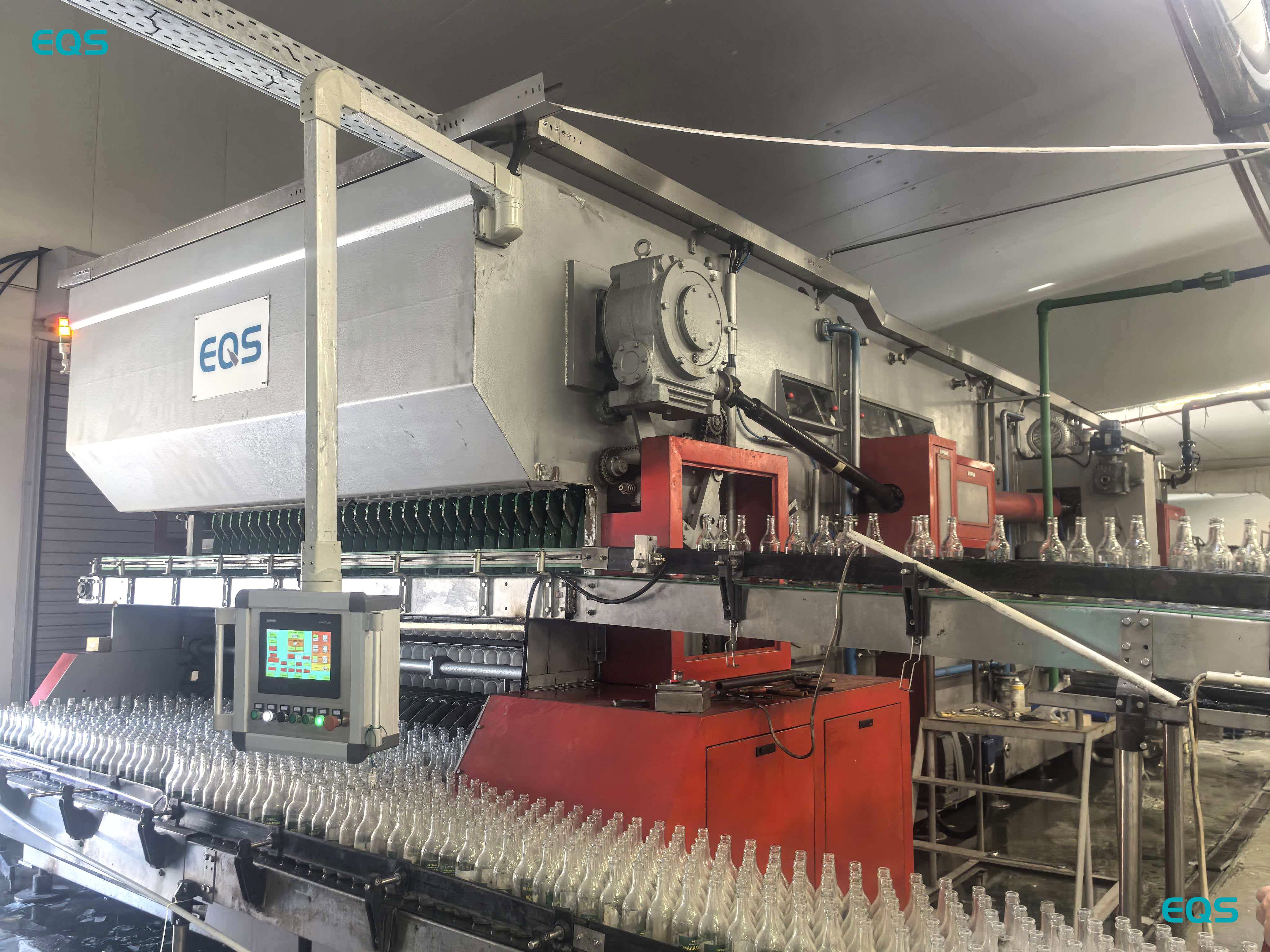
I know many factories do not only need clean bottles. They need a system that fits the workshop, the container type, and the production target. That is why the choice between high-pressure rinsing and brush washing matters so much.
I always start from the hygiene standard. If the customer needs a clean result for food, beverage, or medicine-like production, then the washing method must be stable and easy to control.
High-pressure rinsing uses soaking spray cleaning. This makes it suitable for recyclable glass containers and plastic containers. It also works well for different label forms and workshop sizes. I like this system because it can adjust to different customer needs.
Brush washing relies on contact cleaning. It can remove dirt from some containers, but it depends more on physical friction. That means it may not be the best choice when the buyer wants a cleaner and more controlled result.
A high-pressure washer gives a more uniform cleaning effect. It can reach inside the container better and reduce the risk of leftover dirt. For buyers who care about food-grade cleanliness, this is a strong advantage.
| System | Cleaning Method | Hygiene Level | Flexibility |
|---|---|---|---|
| High-pressure rinsing | Soaking + spray | High | High |
| Brush washing | Mechanical brushing | Medium | Lower |
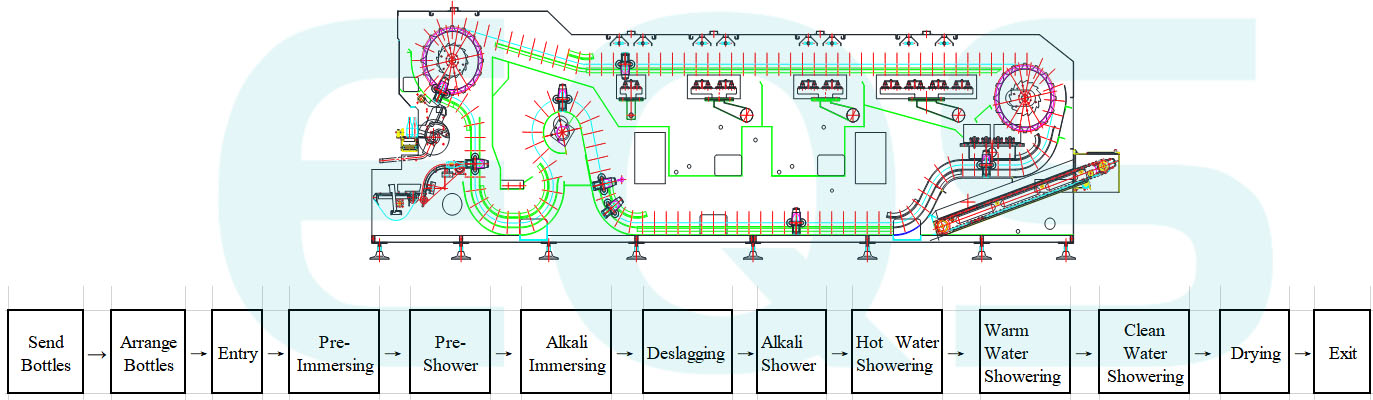
I think many buyers understand the machine better when I explain the working idea in a simple way. High-pressure rinsing is not just spraying water. It is a full cleaning process built for speed, space saving, and low operating cost.
This machine has a compact structure and modular combination. That means it does not need a very large workshop to run well. For factories with limited space, this is a practical choice.
The machine uses soaking and spray washing to remove dust and small particles from the bottle. This method gives a better cleaning result for many recyclable containers. It also helps reduce manual work.
I value this point a lot. The machine has low energy consumption and low operation cost. For medium and low output customers, this can make the whole line more affordable.
The machine can be flexibly adjusted according to container type, label form, and existing workshop space. This is very useful when the customer has an old factory and cannot rebuild everything from zero.
| Feature | Benefit |
|---|---|
| Compact structure | Saves workshop space |
| Modular design | Easier layout planning |
| Soaking spray cleaning | Better cleaning effect |
| Low energy use | Lower daily cost |
| Flexible adjustment | Fits different container types |
I do not say that brush washing has no value. It still has a place in some production lines. But I only recommend it when the cleaning demand is lower and the operation model is simple.
Brush washing can work for containers that do not need very strict hygiene levels. If the customer handles simple packaging and short production runs, it may still be an option.
The brush touches the container surface directly. That can help remove visible dirt. But it can also create more wear over time. The brushes themselves also need replacement and maintenance.
Modern factories often need quick changeover and different container sizes. Brush washing is usually less flexible in this case. It may not fit well when the customer wants a more advanced and controlled production line.
| Cleaning Need | High-Pressure Rinsing | Brush Washing |
|---|---|---|
| Strict hygiene | Better | Weaker |
| Low labor use | Better | Weaker |
| Equipment flexibility | Better | Lower |
| Maintenance simplicity | Better | Depends on brush wear |
This machine was designed for medium and low output ranges. I think that is important because not every factory needs a huge, expensive cleaning system. Some buyers need a smart balance between investment and performance.
Many customers want a strong machine but do not want to spend too much at the start. High-pressure rinsing gives them a good entry point. It offers solid hygiene without a large setup cost.
The machine is suitable for food-grade cleaning in soy milk, beer, yellow wine, beverages, soy sauce, and vinegar factories. This wide use case shows that the system can handle many production needs.
I always look at the full life cycle cost. A machine may look cheap at first, but if it uses too much energy or needs too much labor, the real cost becomes high. High-pressure rinsing helps control that problem.
Because the machine is compact and modular, it fits well into existing workshops. This is a big advantage for customers who already have a plant and want to upgrade without major building work.
| Buyer Need | High-Pressure Rinsing Advantage |
|---|---|
| Limited budget | Low investment pressure |
| Small workshop | Compact design |
| Medium output | Good production match |
| Food-grade cleaning | Strong hygiene support |
| Lower operating cost | Better long-term value |
I always tell buyers to compare more than one point. Hygiene is important, but the final choice should also fit the plant plan, the container type, and the production target.
If the factory uses recyclable glass containers or plastic containers, high-pressure rinsing is often a better fit. The system can adjust to different bottle types more easily.
Space is a real issue in many factories. If the workshop is small, a compact modular system can save a lot of trouble. Brush washing may need a different layout and more manual support.
The machine can adapt to different label forms. This is useful when the customer runs more than one product line or changes packaging often.
I always check energy use, labor use, and maintenance cost. The best machine is not only the one that cleans well. It is also the one that stays efficient after months of use.
| Selection Factor | What I Check |
|---|---|
| Container type | Glass or plastic |
| Workshop space | Existing factory size |
| Label form | Product packaging style |
| Running cost | Energy and labor |
| Hygiene target | Food-grade or higher |
At EQS, I work with buyers who want reliable production systems, not just machines on paper. My goal is to help them build a line that runs well in real life.
I do not only look at one machine. I look at the full line, from cleaning to filling to packaging. This helps the customer avoid mismatch between equipment stages.
Many of our customers source from China because they want better value and flexible engineering. I understand that need. I also know that buyers want stable quality and clear service support.
Every factory is different. Some buyers have small workshops. Some need faster output. Some want low energy use. I work to match the machine design to the real plant condition.
High-pressure rinsing is usually the better choice for pharma-grade hygiene because it gives strong cleaning, low cost, and better flexibility. Brush washing still has use, but it is less suitable for modern hygiene-focused lines.
My name is Allen, and I'm an expert in filling machine technology at EQS, a leading liquid packaging solution provider based in China. If you're looking for top-quality equipment for your production line, feel free to reach out to me at [email protected]. We specialize in providing customizable solutions with cutting-edge technology.
Copyright © JIANGSU EQS MACHINERY CO.,LTD