 EN
EN


When I talk with small factory buyers, I hear the same pain again and again. They need more output, but they do not have much space, and they cannot afford a complex line.
A 3-in-1 monoblock combines rinsing, filling, and capping in one machine. It saves space, improves efficiency, and makes maintenance easier for small factories.
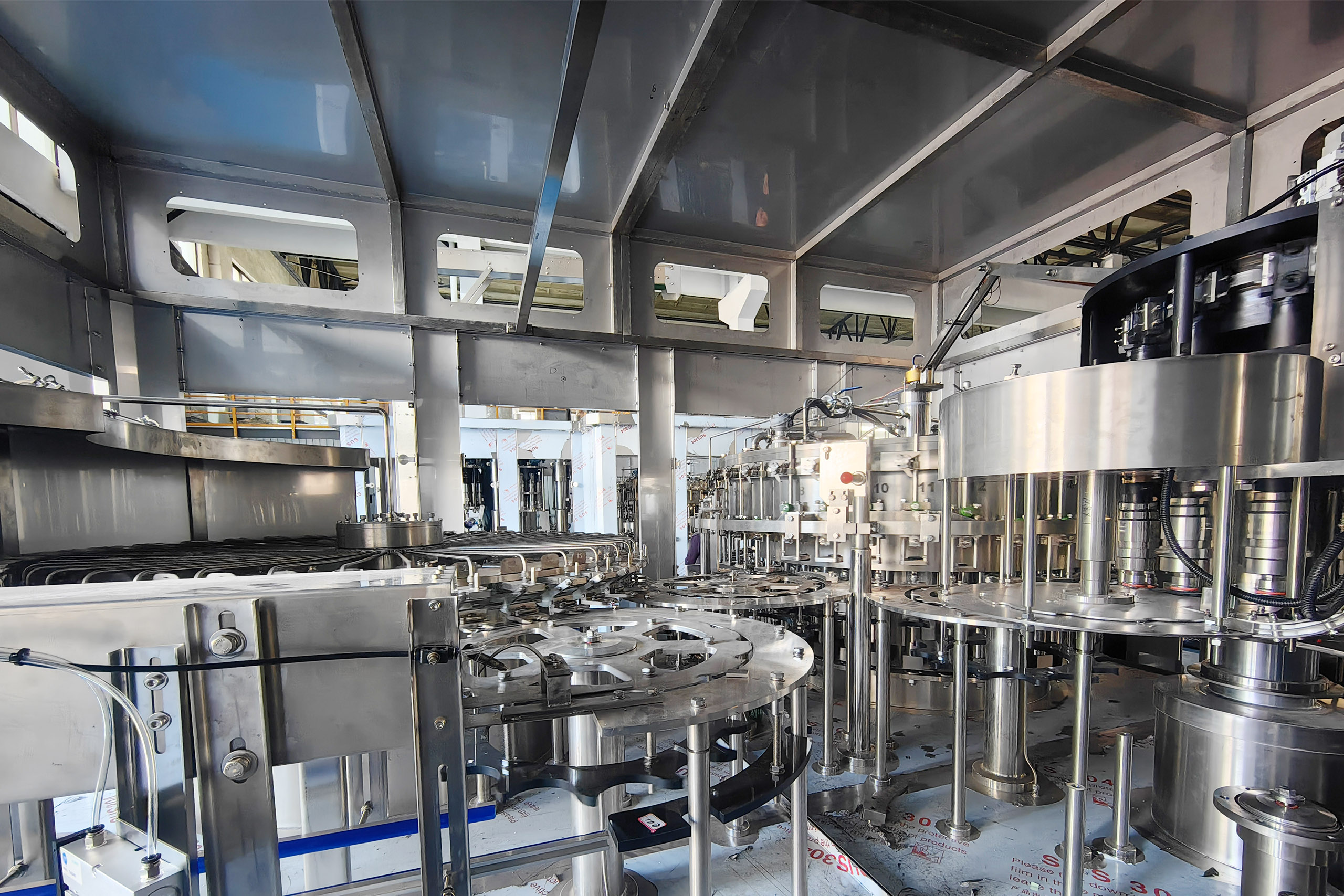
I like this topic because many buyers think they must choose between compact layout and good production. In reality, a well-designed monoblock can give both. It can help a factory grow without forcing a full plant rebuild.
I always start with the factory floor. Small factories often face three limits at the same time. They have limited space, limited labor, and limited budget.
A 3-in-1 monoblock brings rinsing, filling, and capping into one unit. This reduces the number of machines on the line. It also reduces the space needed between machines.
When the line is compact, the factory can use the remaining space for packaging, storage, or future expansion. I think this is one of the biggest advantages for buyers with small workshops.
A small team can manage a monoblock more easily than three separate machines. This is important when the buyer wants to keep labor cost under control.
| Benefit | Why It Matters |
|---|---|
| Compact design | Saves floor space |
| Integrated process | Reduces line complexity |
| Lower labor need | Easier for small teams |
| Better layout use | Leaves room for other equipment |
I think the evolution of this machine is a good example of how packaging technology follows market demand. Buyers did not only ask for speed. They also asked for better use of space, lower cost, and easier maintenance.
In older lines, rinsing, filling, and capping were often done by separate machines. This worked, but it took more space and more time to connect the line. The monoblock changed that by putting the main functions into one frame.
When the functions are integrated, the machine control becomes more unified. This helps the operator monitor the line more easily and react faster if something goes wrong.
Modern buyers care a lot about after-sales service and daily upkeep. New monoblock designs often aim to make cleaning, inspection, and part replacement easier.
Today’s monoblocks can often handle different bottle sizes and product types. That makes them useful for factories that want to make more than one drink.
| Stage of Evolution | Main Change | Main Result |
|---|---|---|
| Separate machines | Three units connected by conveyor | More space and labor needed |
| Integrated design | One body with three functions | Better compactness |
| Modern monoblock | Easier control and maintenance | More stable operation |
I always explain efficiency in a simple way. Efficiency is not only speed. It is also how much time, space, and labor the factory uses to make one good bottle.
Because the three main processes are connected in one machine, the bottle moves more smoothly from rinsing to filling to capping. This reduces delays between stages.
In a line with separate machines, bottles travel more between units. That creates more chances for misalignment or delay. A monoblock reduces that problem.
The operator can watch one main machine instead of three separate sections. That makes day-to-day work easier and helps reduce errors.
When the line is compact and the process is unified, the machine often runs more steadily. That is important for factories that want predictable daily output.
| Efficiency Factor | Impact |
|---|---|
| Shorter process path | Faster bottle movement |
| Fewer machine gaps | Less transfer loss |
| Unified control | Easier operation |
| Stable structure | Better line consistency |
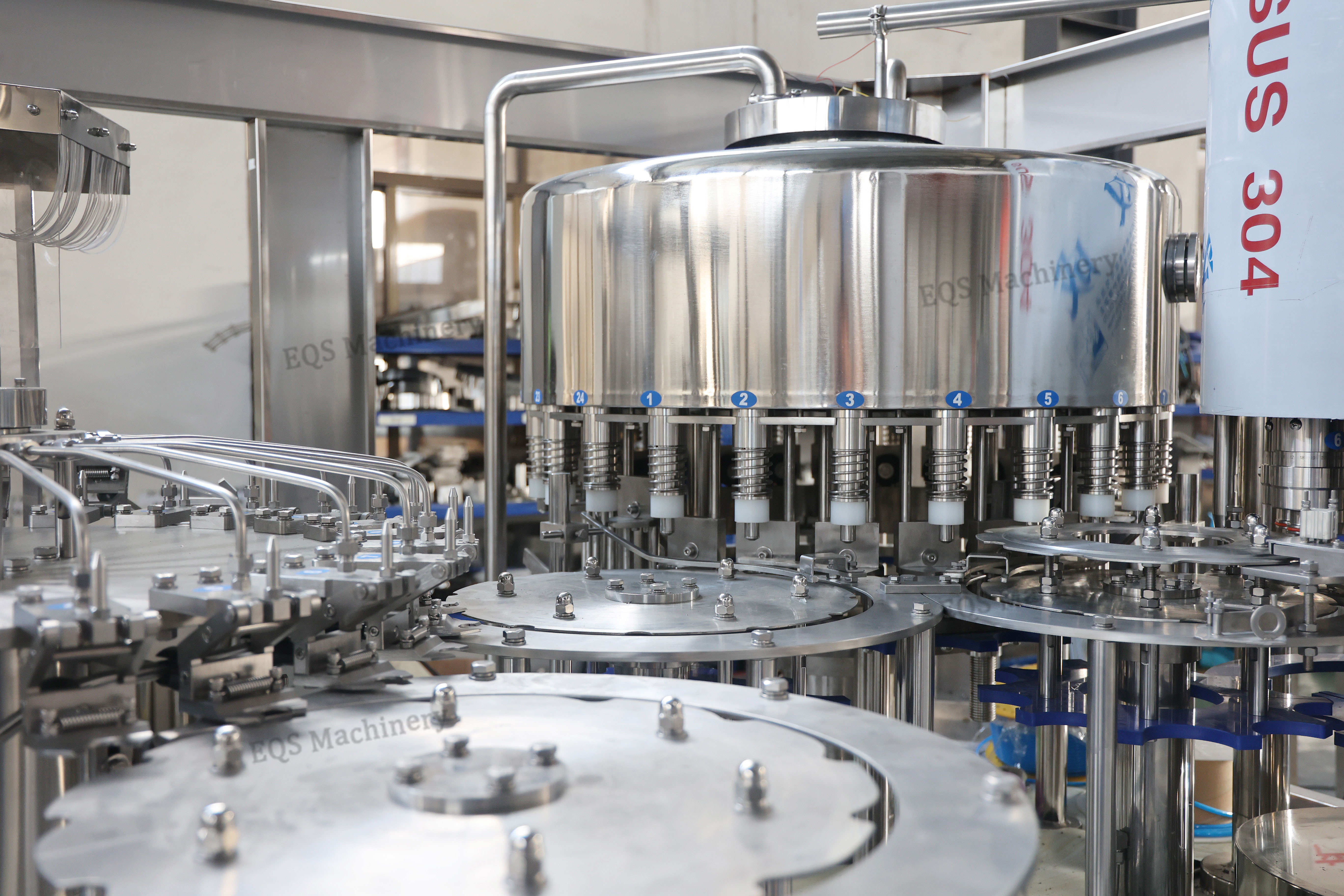
I know many buyers worry about maintenance before they buy. This is normal. A machine can look good on day one, but if it is hard to service, the factory will suffer later.
A monoblock has fewer separate frames and fewer separate transfers. This can make inspection easier. The technician can check the main system in one place.
Separate machines often need more conveyors, more sensors, and more alignment points. Each extra point can create another possible problem. A monoblock reduces many of these weak spots.
Cleaning is often simpler when the machine is more integrated. Operators can follow a more direct routine and spend less time moving between machine sections.
I also see this as a practical advantage. When the design is more unified, the factory may need to manage fewer different parts and fewer different service points.
| Maintenance Issue | Separate Machines | 3-in-1 Monoblock |
|---|---|---|
| Inspection points | More | Fewer |
| Conveyor alignment | More complex | Simpler |
| Daily cleaning | Longer | Easier |
| Spare parts control | More items | More focused |
I do not recommend the same solution to every buyer. I always ask about plant size, output target, product type, and future plans.
These factories often need a compact solution first. A 3-in-1 monoblock helps them start or expand without a large plant investment.
If the workshop is narrow or already full, a monoblock can make the whole project possible. Without it, the customer may need major building changes.
Some buyers do not want a very large and complex system. They want a machine that the local team can learn quickly and manage well.
For many buyers, less downtime is very important. A machine that is easier to maintain can help keep production stable.
| Factory Type | Why Monoblock Fits |
|---|---|
| Small factory | Saves space and cost |
| Medium factory | Supports growth |
| Limited workshop | Fits existing layout |
| Simple operation model | Easier for staff |
I always tell customers to compare more than the machine price. The real value comes from how well the equipment fits the business.
The machine must match the planned production speed. If the capacity is too low, the line will become a bottleneck. If it is too high, the investment may not make sense.
Different bottles need different handling. The monoblock must fit the container size and shape.
Water, juice, carbonated drinks, and other liquids do not always use the same filling method. The machine must fit the product nature.
I believe this is one of the most important points. A good machine still needs service, spare parts, and technical help.
| Buying Factor | What I Check |
|---|---|
| Output | Matches target capacity |
| Bottle type | Fits container shape |
| Product type | Matches filling method |
| Service support | Reduces downtime |
| Future expansion | Allows growth later |
At EQS, I focus on real production problems. I know that many buyers do not only want a machine. They want a better factory model.
A monoblock helps the buyer plan the workshop in a cleaner way. This can reduce confusion during installation.
When one machine replaces three, the customer may reduce some equipment cost, layout cost, and installation cost.
I like equipment that is practical over time. If the machine is easy to run and easy to maintain, it gives better long-term value.
Our work is not only about one unit. We also support full line design, process optimization, and turnkey solutions. A 3-in-1 monoblock often plays a central role in that kind of project.
3-in-1 monoblocks help small factories save space, improve efficiency, and simplify maintenance, so they remain one of the most practical choices for modern beverage production.
My name is Allen, and I'm an expert in filling machine technology at EQS, a leading liquid packaging solution provider based in China. If you're looking for top-quality equipment for your production line, feel free to reach out to me at [email protected]. We specialize in providing customizable solutions with cutting-edge technology.
Copyright © JIANGSU EQS MACHINERY CO.,LTD